Self-guided walking tours in Milan
7 walking toursLombardy, Italy
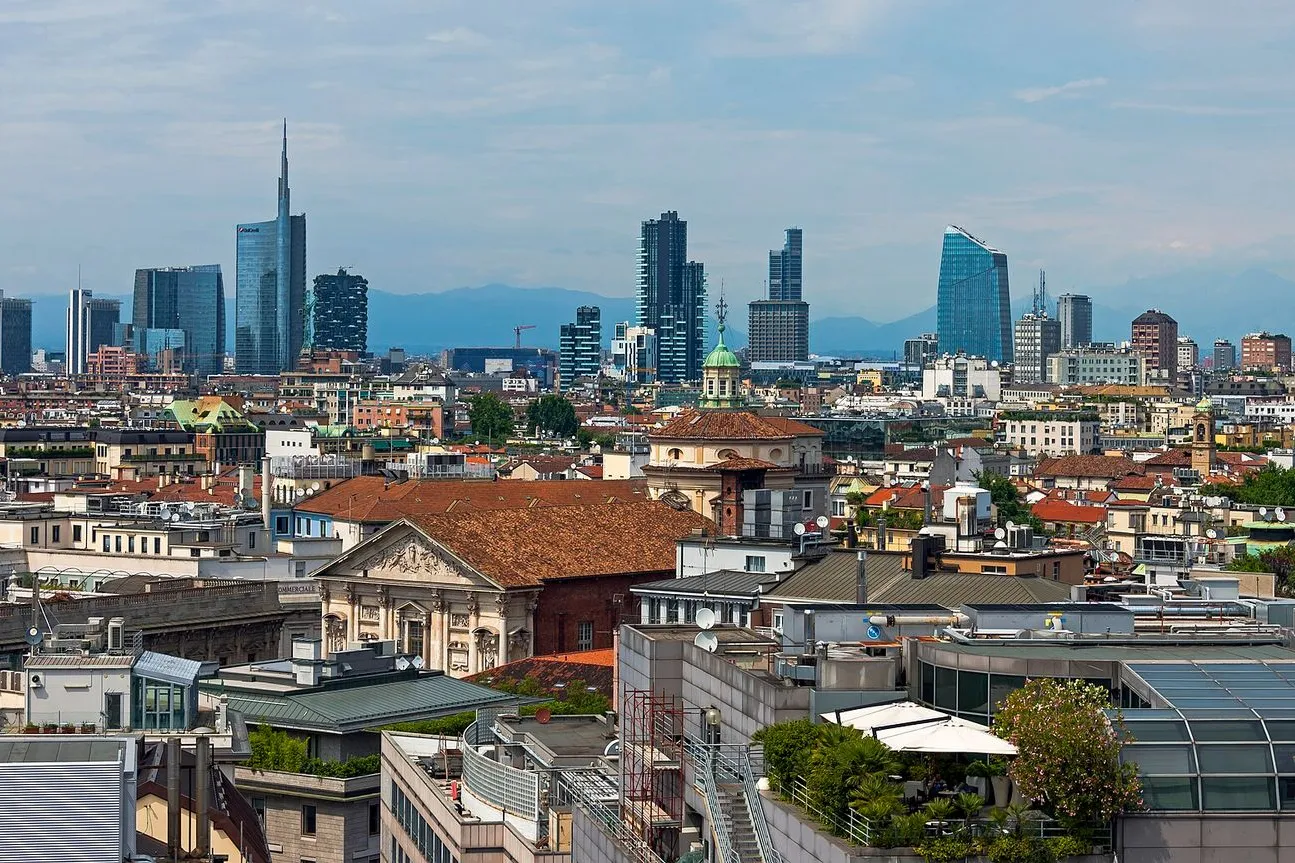
Photo by Daniel Case on Wikimedia Commons
Milan rewards walkers who look past the obvious. One minute you are under the Gothic spires of the Duomo, the next in a glass arcade built when Italy was new. Streets connect a Sforza castle to canals that once carried the cathedral's marble. Brera's galleries sit alongside Roman columns, and a vertical forest rises above old railway sidings. Flat and compact, the city opens up block by block.
- ItineraryOne day in MilanSix centuries, four neighborhoods, one day: the Duomo at first light, the castle that ruled Lombardy, Brera's artists' streets, and the canals where aperitivo was born.
- Know before you goMilan practicalitiesAirport trains, a tap-and-go metro, a tourist tax that climbed in 2025, and the one thing you must book before you leave home: the Milan you need to know before you go.
Tours in Milan
 The local mix
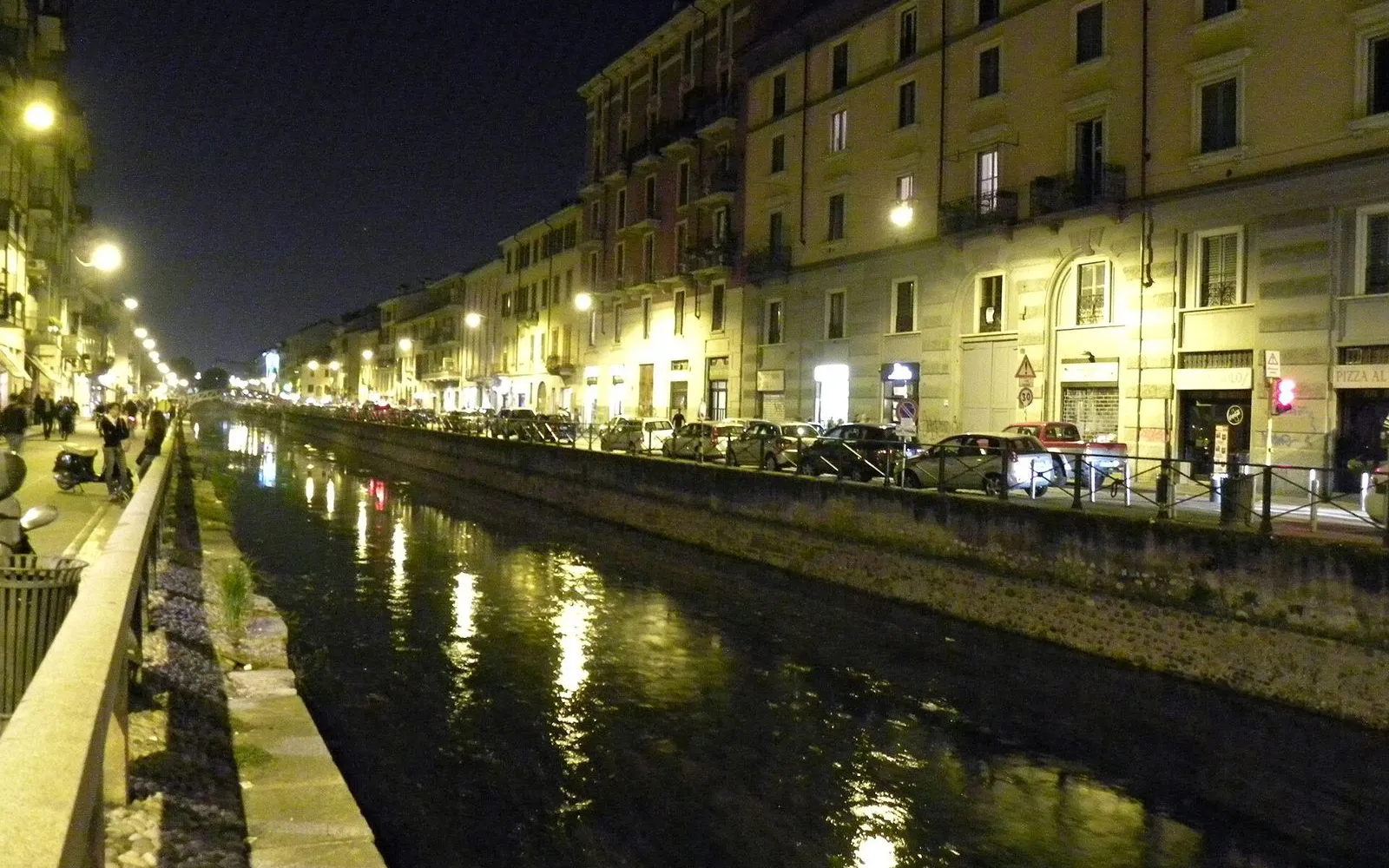
The Canals That Built Milan
Walk the waterways that carried marble for the Duomo and turned a landlocked city into a working port.
 The essentials
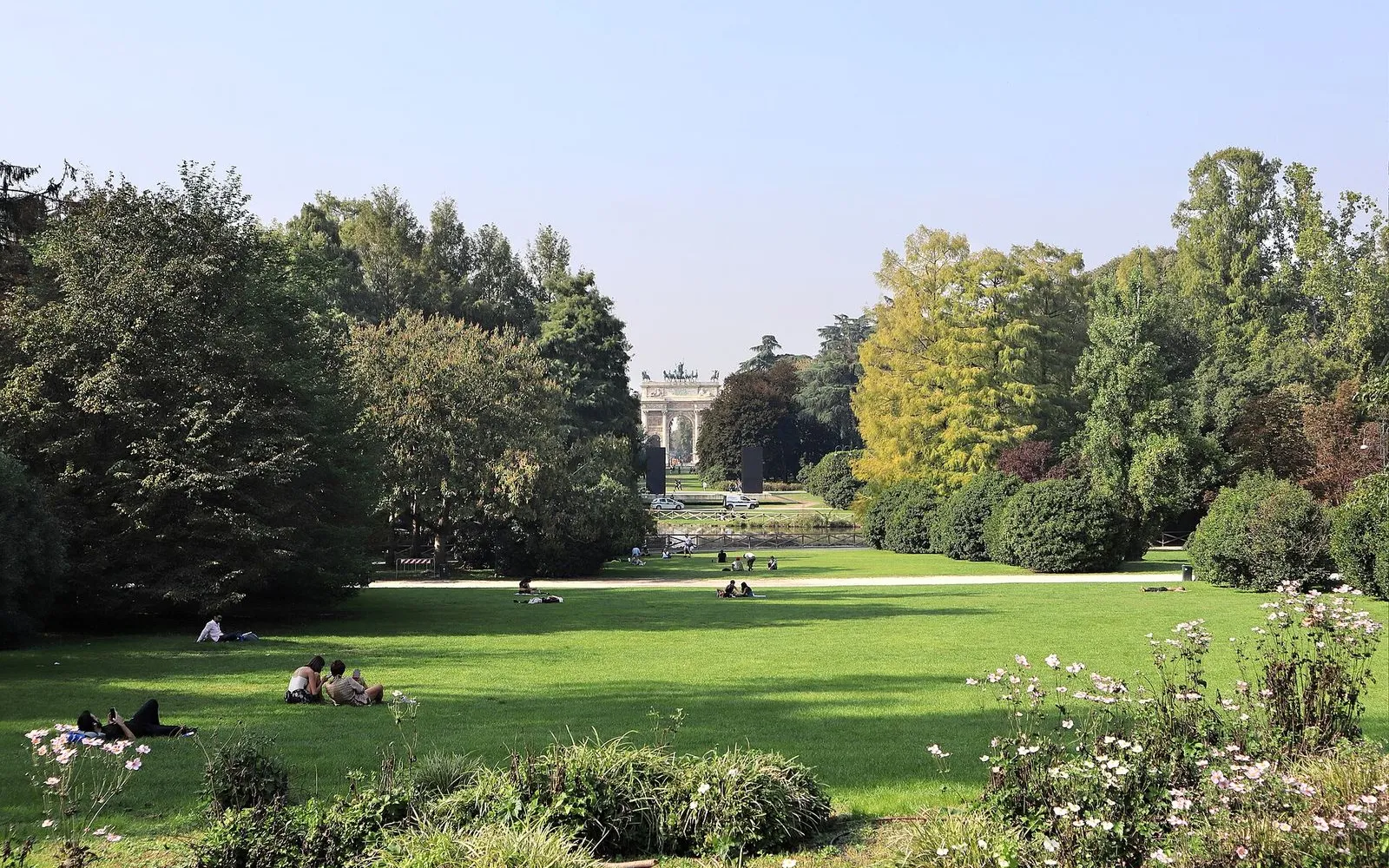
From Fortress to Park: Milan's Grand Axis
Walk the sightline that runs from the castle to the Arch of Peace, through courtyards, parkland, and design.
 The essentials
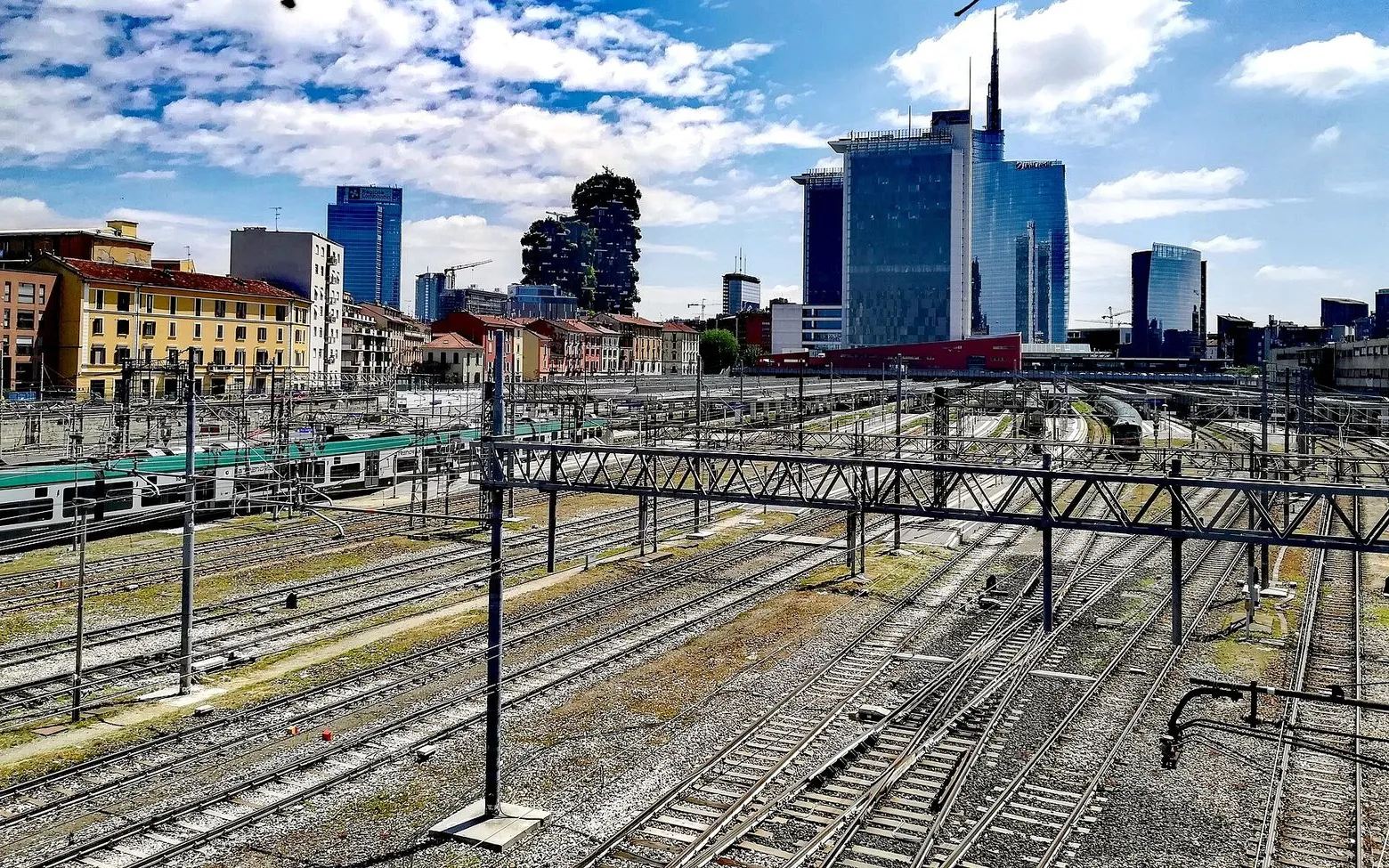
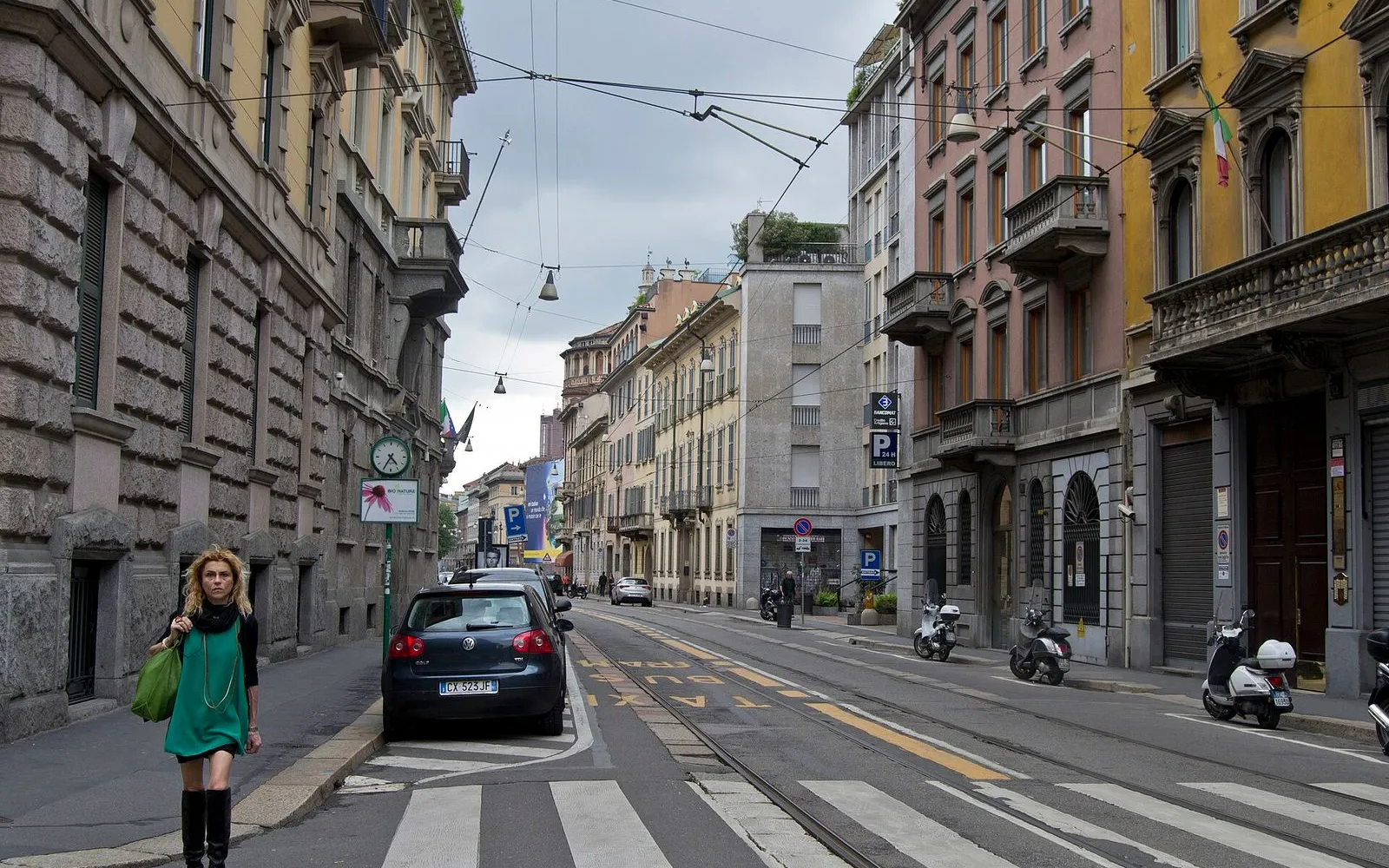
From Rail Yards to the Vertical Forest
Walk the seam where Milan's working-class Isola meets the glass towers and hanging gardens of Porta Nuova.
 The local mix
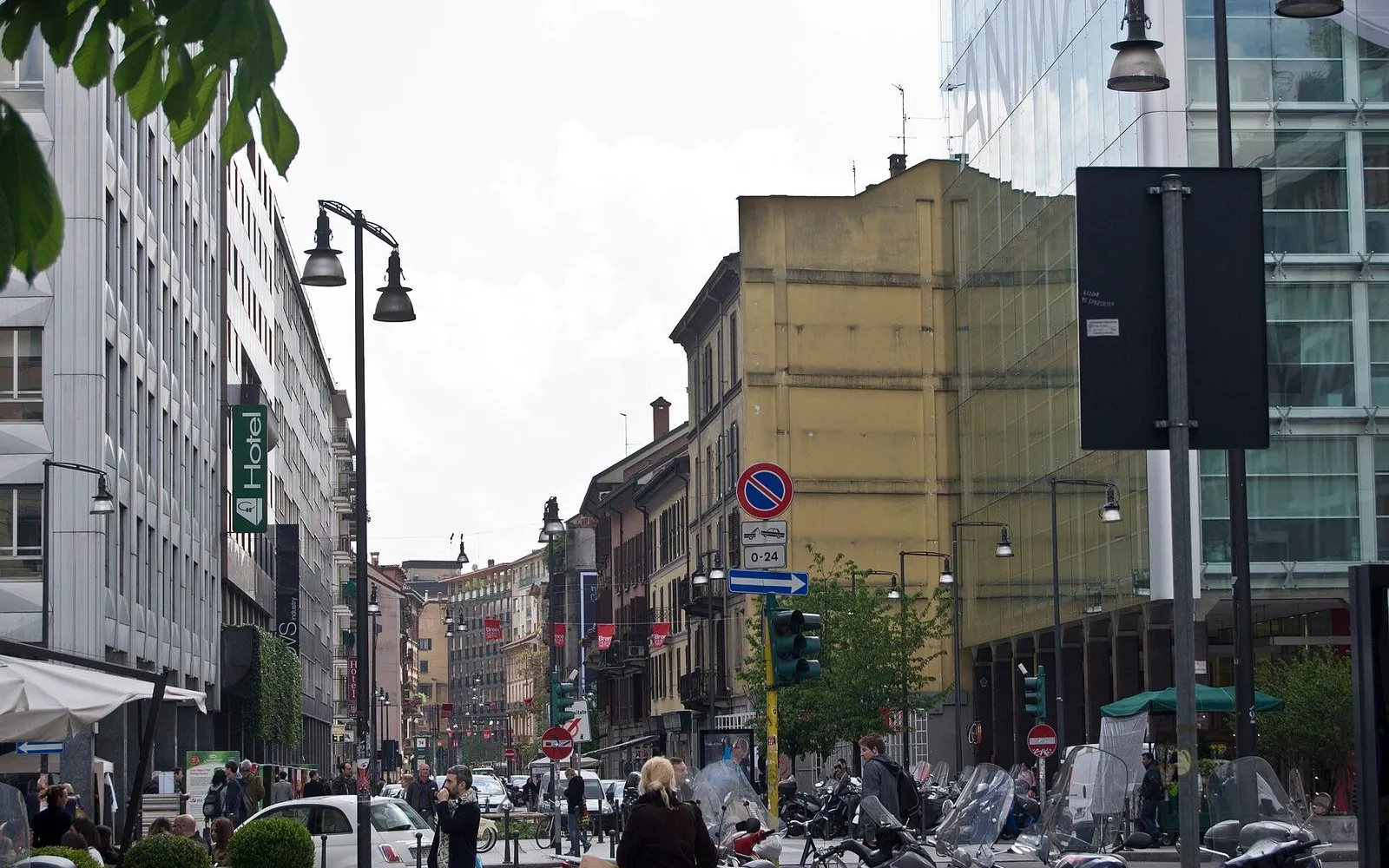
Leonardo's Milan
The Last Supper, a duke's gift of vines, and the canals that shaped a genius.
 The hidden side
Brera: The Artists' Quarter
A self-guided walk through Milan's most bohemian neighborhood, from the Pinacoteca courtyard to a hidden botanical garden and an ancient basilica.
 The hidden side
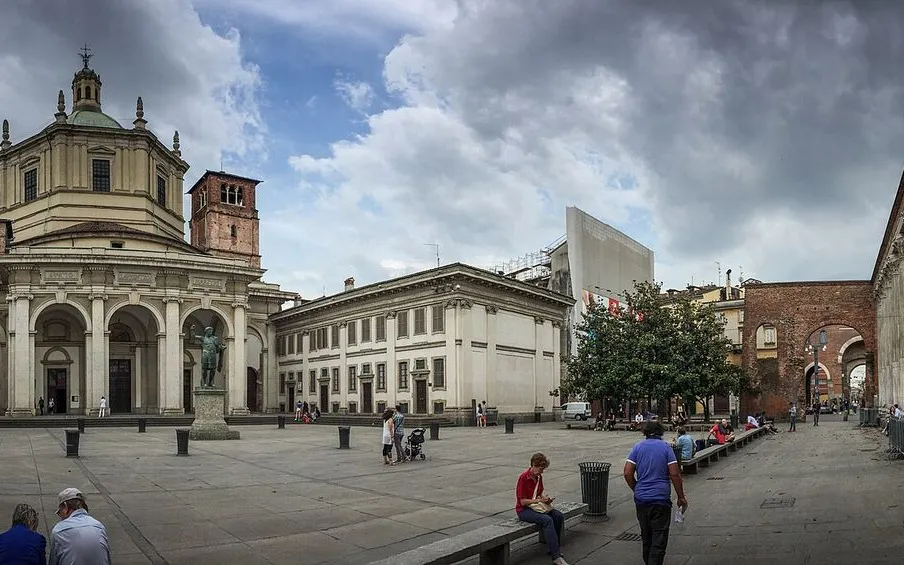
Mediolanum: The City Before the Duomo
Sixteen Roman columns, four ancient basilicas, and two thousand years of Milanese history, walked in two hours.
 The essentials
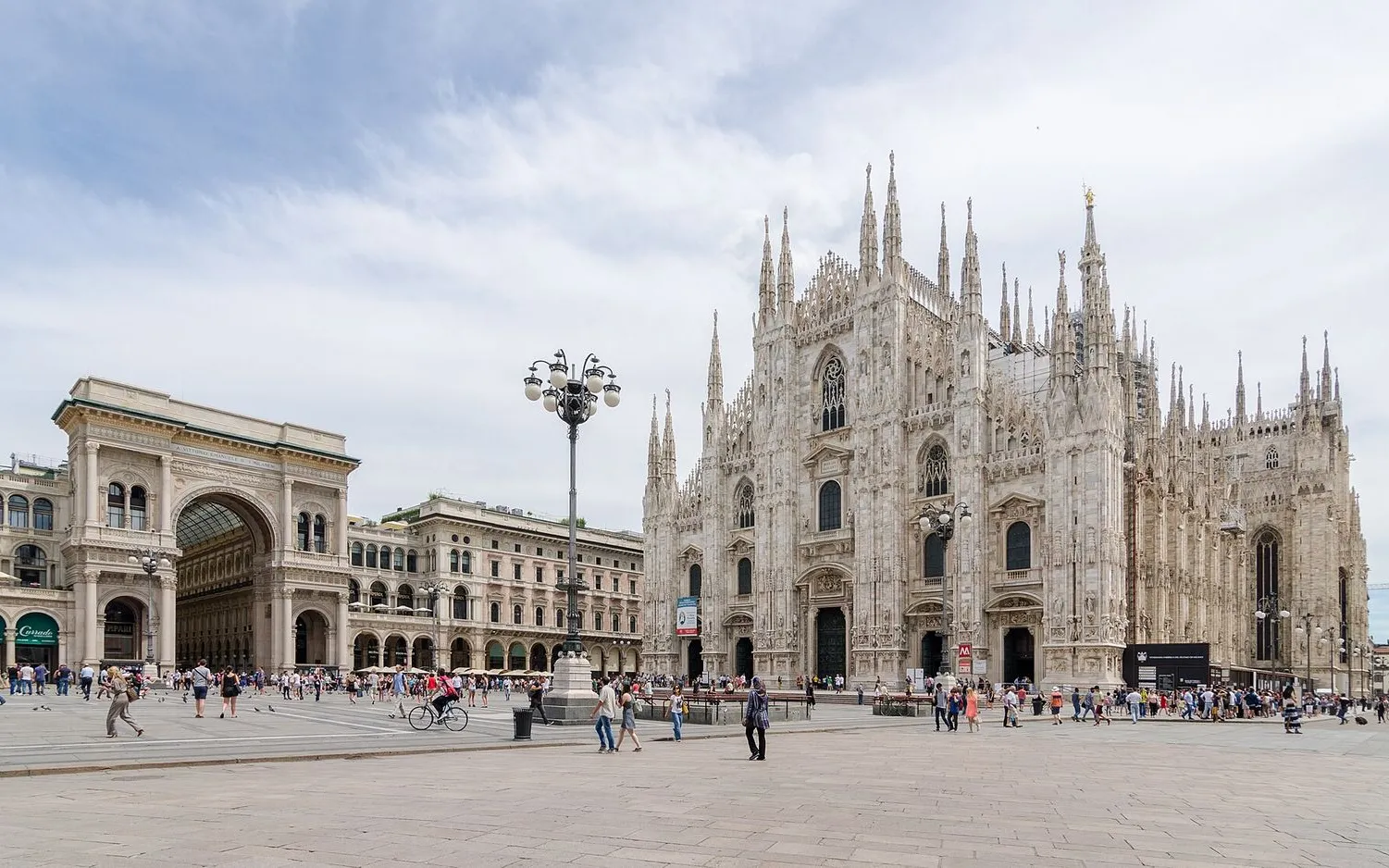
Milan's Historic Core in Six Centuries
A cathedral that took 579 years, a glass arcade called the city's living room, and the opera house where a single boo can end a career.
What you'll see
42 stops mapped across 7 walking tours in Milan. A few of the places the routes take you past:
- Darsena
- Naviglio Grande
- Vicolo dei Lavandai
- Naviglio Pavese
- San Cristoforo sul Naviglio
- Castello Sforzesco
- Pietà Rondanini
- Parco Sempione
- Torre Branca
- Triennale Milano
- Arco della Pace
- Piazza Gae Aulenti
Before you go
Is one day enough for Milan?
One day is enough to walk the historic core, climb the Duomo rooftop, see Michelangelo's last sculpture inside the Castello Sforzesco, and eat and drink well in Brera and the Navigli. Milan's center is compact and flat, and its greatest hits sit within a walkable three-kilometer radius. You will not see the Last Supper, the design museums, or the outer neighborhoods in a single day, but you will leave with the shape of the city in your head.
Is Milan walkable?
The historic center is very walkable. The Duomo, Galleria, La Scala, Castello Sforzesco, and Brera all sit within a flat, roughly two-kilometer radius. The Navigli canals and Porta Nuova are farther out but are a short metro ride. Most of this itinerary is on foot; you only need the metro to reach the Navigli in the evening.
When is the best time to visit Milan?
March to May and September to October give you mild weather and manageable crowds. Avoid August when many restaurants and shops close for the holiday, and avoid the Salone del Mobile furniture fair in April when hotel rates triple. Winter is cold and gray but quiet, and the museums and churches are yours. If you must come in summer, book the Duomo rooftop for the first slot of the day and plan a long lunch in the shade.
How do I get from Malpensa airport to central Milan?
The Malpensa Express train runs from the airport to Milano Cadorna station in 38 minutes one way and costs €13. Trains leave roughly every 30 minutes. From Cadorna you can walk to the Castello Sforzesco in five minutes or take the M1 metro two stops to the Duomo. A taxi from Malpensa to the center costs roughly €95 to €110 and takes 50 minutes depending on traffic. The bus is cheaper at about €10 but slower.
How much does public transport cost in Milan?
A single 90-minute ticket covering metro, trams, and buses within central Milan costs €2.20. A 24-hour unlimited pass is €7.60, and a 3-day pass is €15.50. Children under 14 travel free. You can tap a contactless card or phone at metro turnstiles, or buy tickets at station machines and tabaccherie. If you are making more than three journeys in a day the 24-hour pass has already paid for itself.
SourceATM Milano / Visit MilanoIs Milan expensive?
Milan has a reputation as Italy's most expensive city, and hotels during Fashion Week or the Salone del Mobile earn that reputation. Day to day, though, a coffee at the bar costs €1.20, a pizza or panino at lunch runs €6 to €10, and a full aperitivo with a drink and buffet is €10 to €15. Museum entries are modest by European standards, mostly €5 to €18. The two costs that surprise visitors are the Duomo rooftop, which adds up depending on which ticket you choose, and the Last Supper, which is only €15 if you book direct months ahead but can cost much more on the resale market.
SourceIntroducing MilanDo I need to book attractions in advance?
The Last Supper is the one that demands advance booking: tickets are released in three-month blocks, and individual slots sell out within hours. Book it as soon as your dates are firm. The Duomo rooftop does not sell out as dramatically, but pre-booking saves you a long queue in high season. The Pinacoteca di Brera requires online booking. The Castello Sforzesco and most churches can be visited without a reservation.
Is Milan safe?
Milan is a safe city for visitors by any reasonable standard. The historic center, Brera, the Navigli, and Porta Nuova are well lit and busy into the evening. The main risk is pickpocketing around the Duomo and on crowded metro trains, the same as in any large European city. Keep your phone and wallet in a front pocket, and do not hang a bag on the back of your chair at a café. The area around Milano Centrale station is sketchier late at night and is best crossed rather than lingered in.
What should I wear in Milan?
Milanese dress well but not formally; smart casual covers almost every situation. The one hard rule is the Duomo dress code: shoulders and knees must be covered inside the cathedral. Carry a scarf or light wrap even in summer. Walkable shoes are essential; the center is paved but you will cover a lot of ground. In winter, layer up. Milan is colder than you expect, with fog and damp that cut through a thin jacket.

Walk Milan
Get the audio guide in the app.
Download the VoiceMap app for GPS-triggered audio, offline maps, and turn-by-turn directions that play as you walk.
More cities in Italy
Provenance · last verified August 18, 2026
Built from the Wayside walking tours in this city and the stops they cover.
Photo by Daniel Case on Wikimedia Commons · CC BY-SA 3.0
Photo by JasonParis from Toronto, Canada on Wikimedia Commons · CC BY 2.0
Photo by Terragio67 on Wikimedia Commons · CC BY-SA 4.0
Photo by FlavMi on Wikimedia Commons · CC BY-SA 3.0
Photo by LucaChp on Wikimedia Commons · CC BY-SA 3.0
Photo by LucaChp on Wikimedia Commons · CC BY-SA 3.0
Photo by https://www.flickr.com/photos/belboo/ on Wikimedia Commons · CC BY-SA 2.0
Photo by Steffen Schmitz on Wikimedia Commons · CC BY-SA 4.0