Walking tours in Italy
Italy packs an improbable range into a long peninsula: the Alps and the Dolomites in the north, the Apennines running down the spine, olive groves and vineyards through the center, and a volcanic south where the soil is dark with ash. Its cities are old, and they're still thoroughly lived in. In Rome, nearly three thousand years of history sit in layers beneath the modern streets. Palermo folds Norman, Arab, and Baroque architecture into the same few blocks. Venice keeps an empire's worth of art floating in a lagoon. Food changes with the dialect; each region keeps its own pasta shape and its own wine, and locals will explain at length why their version of lunch is the correct one. It's the rhythm of daily life that lingers: an espresso at the counter, an evening walk through the piazza with half the town.

Photo by Rafael Peier on Unsplash
When is the best time to visit Italy?
Spring
- Months
- March to May
- Weather
- Spring is mild to warm across Italy, rain eases as the season goes on, and late spring ranks among the best stretches of the year for city sightseeing in Rome, Florence and Milan.SourceClimates to Travel
- Crowds
- Easter week and the long weekends around April 25 and May 1 pull heavy domestic crowds; book the big sights and trains weeks ahead.
Summer
- Months
- June to August
- Weather
- Summers are hot: Rome averages highs of 30 to 32°C and heat waves can push past 37°C, Milan turns humid with afternoon thunderstorms, and the south bakes.SourceClimates to Travel
- Crowds
- Peak season runs from June through August; around Ferragosto on August 15 Italians head for the coast, while city sights stay busy into September.
Autumn
- Months
- September to November
- Weather
- Early autumn stays warm and is often the most comfortable part of the year, but rain builds through November, when Rome averages around 115 mm.SourceClimates to TravelWeather Atlas (Rome climate)
- Crowds
- September and early October remain busy with travelers chasing the good weather; crowds thin from late October.
Winter
- Months
- December to February
- Weather
- Winters are mild in Rome, averaging around 7 to 8°C, while Milan and the Po Valley turn cold and foggy with nights near 0 to 5°C and snow in the Alps.SourceClimates to Travel
- Crowds
- The season is quiet outside the Christmas to New Year week, when hotels and sights fill with holiday visitors.
| Season | Months | Weather | Crowds |
|---|---|---|---|
| Spring | March to May | Spring is mild to warm across Italy, rain eases as the season goes on, and late spring ranks among the best stretches of the year for city sightseeing in Rome, Florence and Milan.SourceClimates to Travel | Easter week and the long weekends around April 25 and May 1 pull heavy domestic crowds; book the big sights and trains weeks ahead. |
| Summer | June to August | Summers are hot: Rome averages highs of 30 to 32°C and heat waves can push past 37°C, Milan turns humid with afternoon thunderstorms, and the south bakes.SourceClimates to Travel | Peak season runs from June through August; around Ferragosto on August 15 Italians head for the coast, while city sights stay busy into September. |
| Autumn | September to November | Early autumn stays warm and is often the most comfortable part of the year, but rain builds through November, when Rome averages around 115 mm.SourceClimates to TravelWeather Atlas (Rome climate) | September and early October remain busy with travelers chasing the good weather; crowds thin from late October. |
| Winter | December to February | Winters are mild in Rome, averaging around 7 to 8°C, while Milan and the Po Valley turn cold and foggy with nights near 0 to 5°C and snow in the Alps.SourceClimates to Travel | The season is quiet outside the Christmas to New Year week, when hotels and sights fill with holiday visitors. |
Highlights across Italy
- The Colosseum, the Curia where the Senate met, and the view from the Palatine over the Circus Maximus, walked in chronological order.
- Bernini's colonnade in St. Peter's Square and the ten angels of Ponte Sant'Angelo, on the way back from the Vatican.
- The Pantheon's unreinforced concrete dome and the Trevi Fountain's chariot of seahorses, both stops on the Campus Martius loop.
- The Aventine keyhole framing St. Peter's dome, then Testaccio's covered market and its hill of 53 million broken amphorae.
- Brunelleschi's dome over the cathedral, the guild saints at Orsanmichele, and the goldsmiths' bridge, Ponte Vecchio.
- Michelangelo's David and the unfinished Prisoners at the Accademia, then Fra Angelico's frescoes in the friars' cells at San Marco.
- Santo Spirito's square, Masaccio's Brancacci Chapel, and the artisan workshops of Borgo San Frediano across the river.
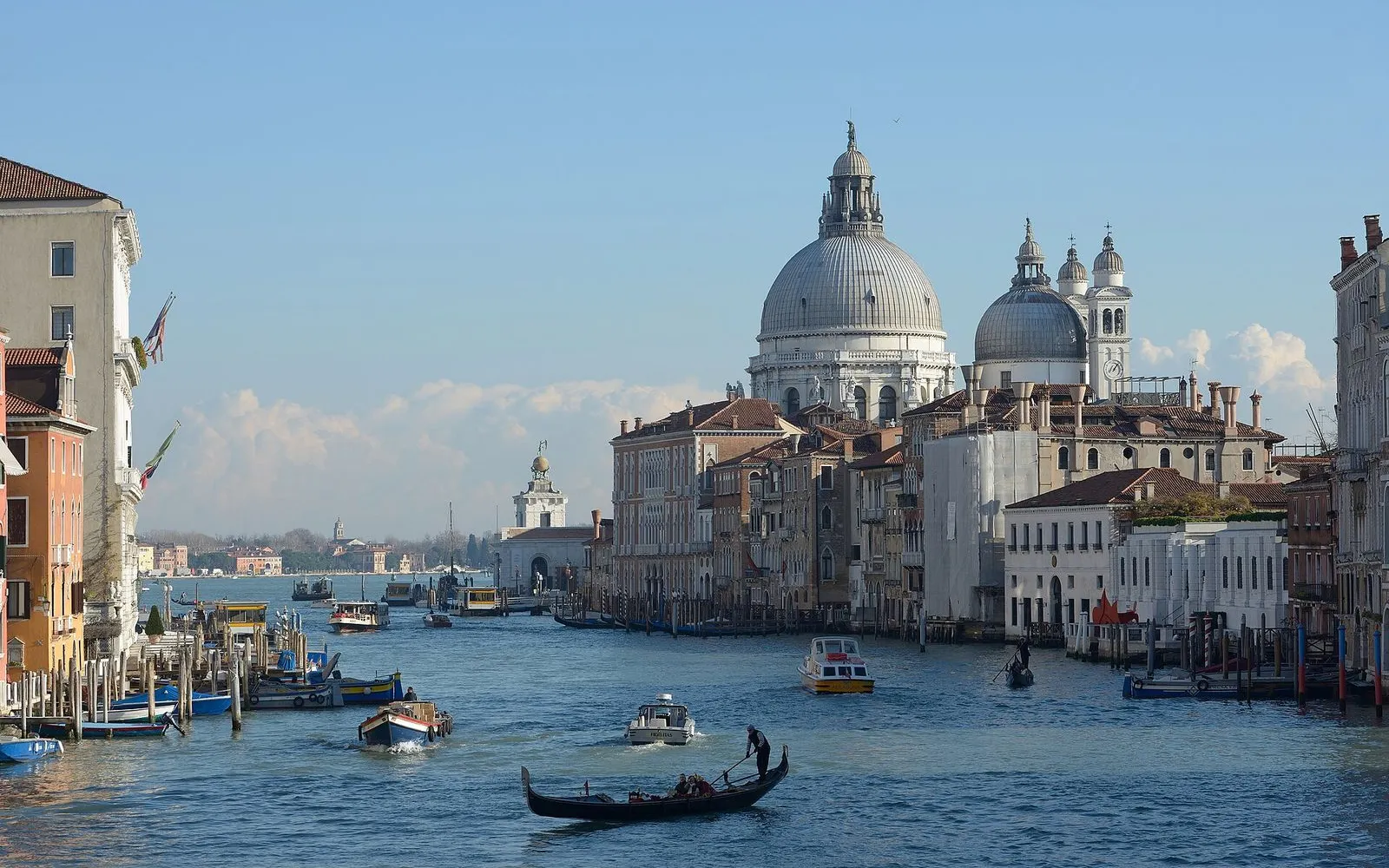
- St Mark's Square with the basilica and the Doge's Palace, and the Bridge of Sighs framed from the straw bridge.
- The Rialto fish market in the morning, then Titian at the Frari and Tintoretto's wall of canvases at the Scuola Grande di San Rocco.
- The world's first ghetto in Cannaregio, its tall houses and hidden synagogues, and Tintoretto's church of Madonna dell'Orto.
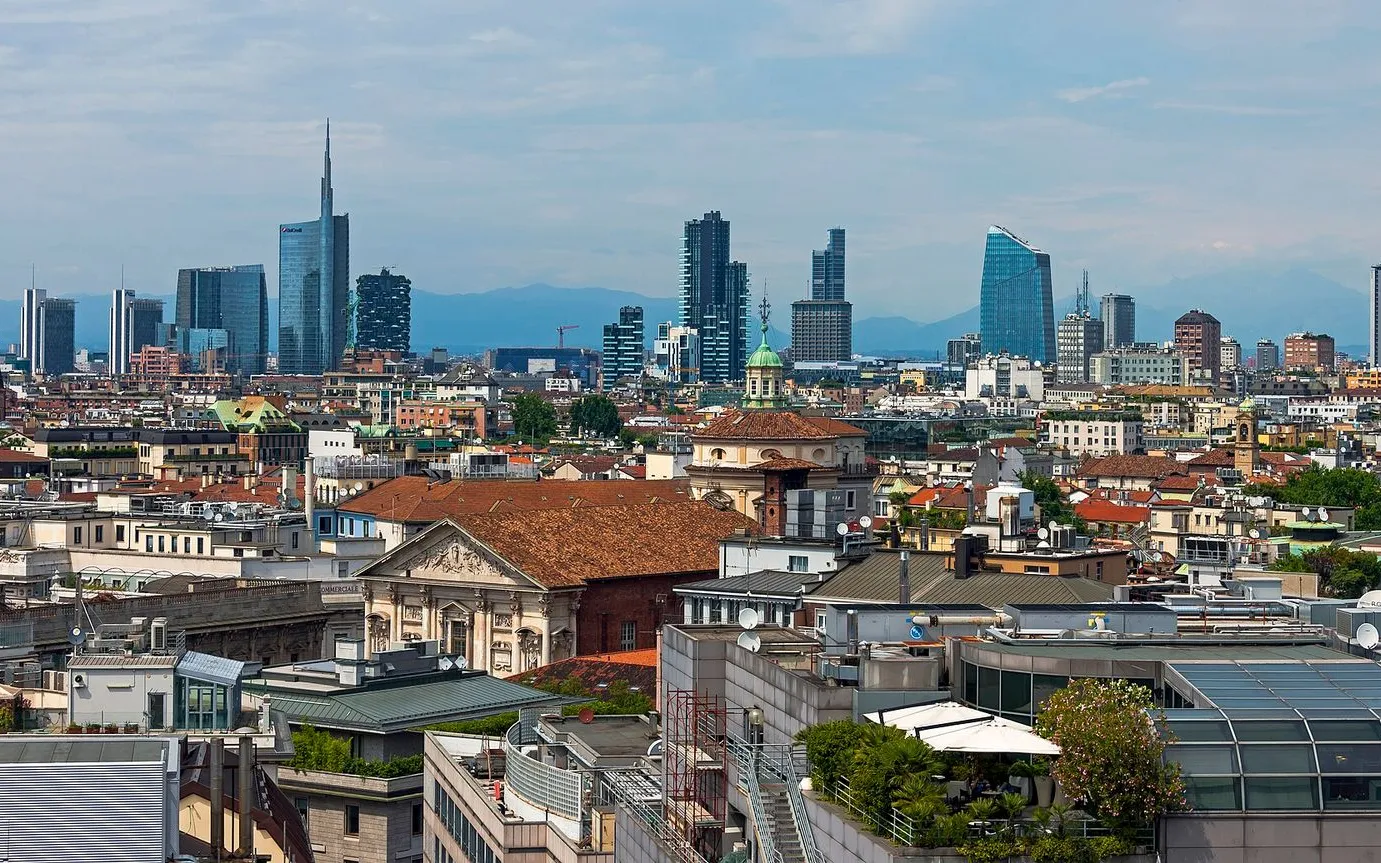
- The Duomo's rooftop terraces among the spires, with the Galleria Vittorio Emanuele II and Teatro alla Scala on the same loop.
- The Last Supper on its refectory wall and the vineyard Ludovico Sforza gave Leonardo, both in the Corso Magenta quarter.
Where to walk in Italy


Planning a trip to Italy
Do I need a visa for Italy?
Italy follows Europe's common short-stay rules, and most visitors, including travelers from the United States, do not need a visa for a trip this length. Confirm what applies to your passport on the European Union's official travel site before booking, since entry requirements can change.
Is Italy expensive?
Italy sits in the middle of the European price range, and this week runs roughly €1,200 to €1,800 per person before flights, with mid-range rooms the biggest line item. Headline museum tickets cost €18 to €29, and high-speed fares bought early keep transport low.
SourceUffizi Galleries: official ticket faresParco archeologico del Colosseo: ticketsWhich cities should I visit in Italy with one week?
Rome, Florence, and Venice are the first-time trio, and a single high-speed line connects them, which is why this week uses those three. Milan earns a place on a longer trip, and southern Italy, from Naples down, deserves a week of its own.
Do I need a car in Italy?
This route does not need one: Frecciarossa trains link the cities directly and reach up to 300 km/h on the fast stretches, so the week stays on rails from start to finish. Regional trains cover smaller towns if you extend the trip.
SourceTrenitalia: Frecciarossa routes
Plan your visit
Take Italy with you.
Wayside has self-guided walks waiting in Rome, Florence, Venice, and Milan, so you can start exploring the moment you land.
Provenance · last verified September 27, 2026
Researched by Wayside, with every operational fact checked against the source.
SourcesEuropean Central BankIstituto Superiore di Sanità (press release)Istituto Superiore di SanitàWorld Standards (Type L plug and socket)European Commission (112)la RepubblicaIl Sole 24 OreClimates to TravelWeather Atlas (Rome climate)Uffizi Galleries: official ticket faresParco archeologico del Colosseo: ticketsTrenitalia: Frecciarossa routes
Photo by Rafael Peier on Unsplash
Photo by Alexandra Smielova on Unsplash
Photo by Daniel Case on Wikimedia Commons · CC BY-SA 3.0
Photo by Jacob Fryer on Unsplash
Photo by Wolfgang Moroder on Wikimedia Commons · CC BY-SA 3.0