Self-guided walking tours in Rome
8 walking toursLazio, Italy

Photo by Jacob Fryer on Unsplash
Rome spreads across seven hills inside walls built by an emperor, and nearly every street peels back a different century. On foot you cross from the Colosseum to a quiet cloister in twenty minutes, or climb the Janiculum for the whole city laid out from St. Peter's to the Alban Hills. The piazzas are the living rooms, and the fountains still run on aqueducts the ancients laid. A city that rewards walking more than any other in Europe.
- ItineraryOne day in RomeThe Colosseum at opening, the Forum before the heat, the Pantheon when the light hits the oculus, and dinner in Trastevere.
- Know before you goRome practicalitiesThe practical Rome briefing: airport transfers, local transit, tourist tax, tap water from the nasoni, and what to book before you go.
Tours in Rome
 The essentials
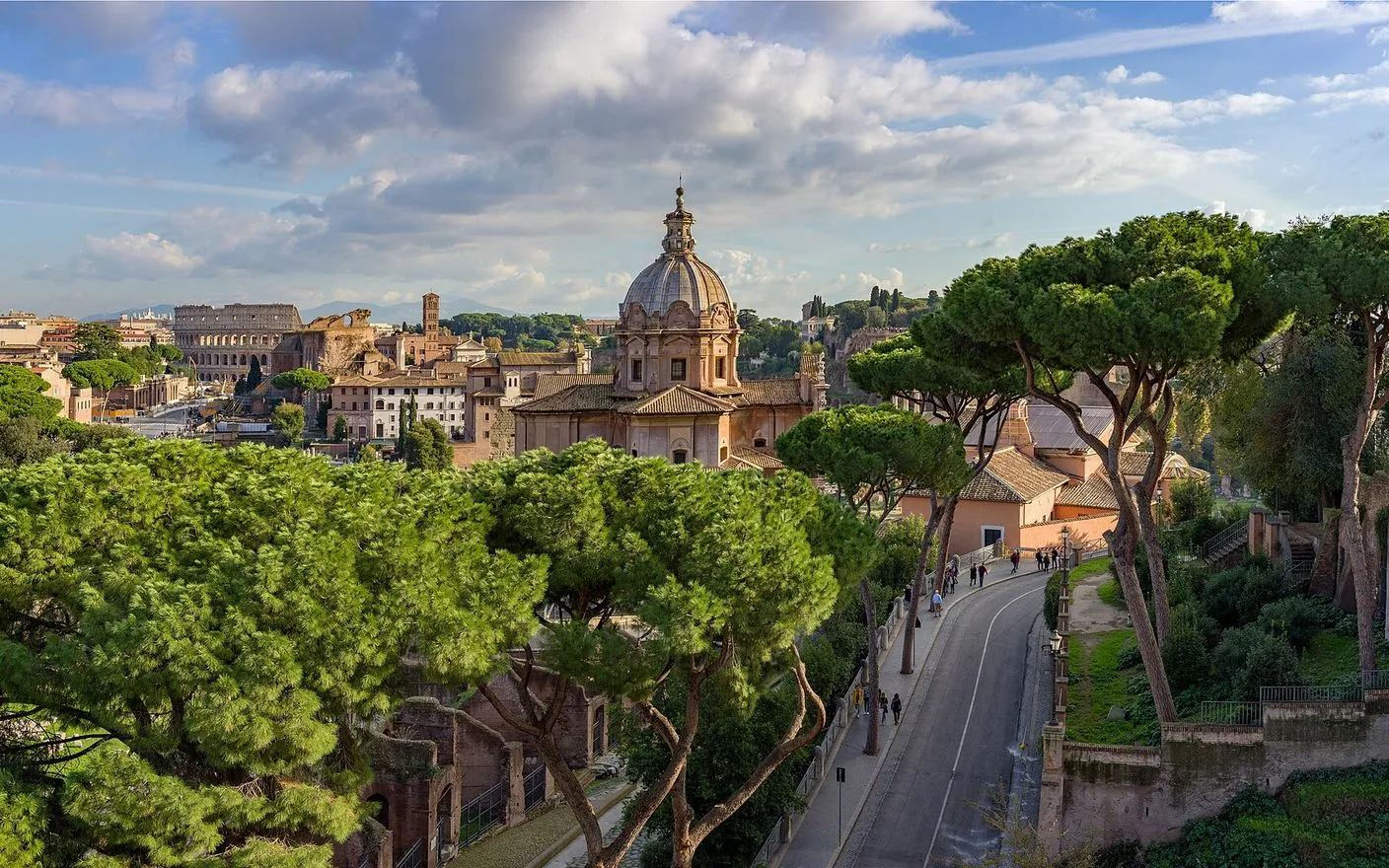
From Foundation to Empire: Rome's Ancient Walk
Walk Rome's history in order: from the Palatine's mythical hut to the Colosseum's arena.
 The essentials
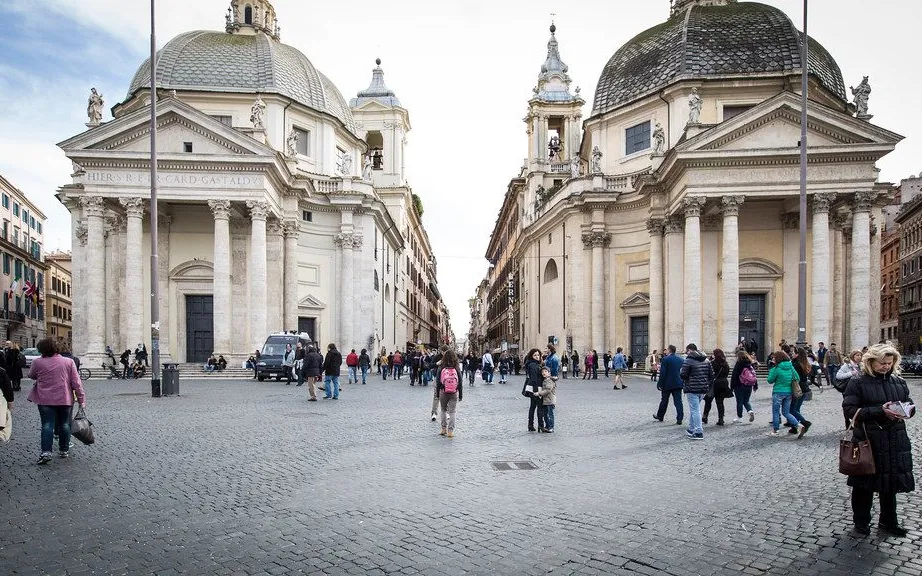
Baroque Heart of the Campus Martius
From a morning market to the Spanish Steps, a walk through Rome's most beautiful piazzas, fountains, and domes.
 The hidden side
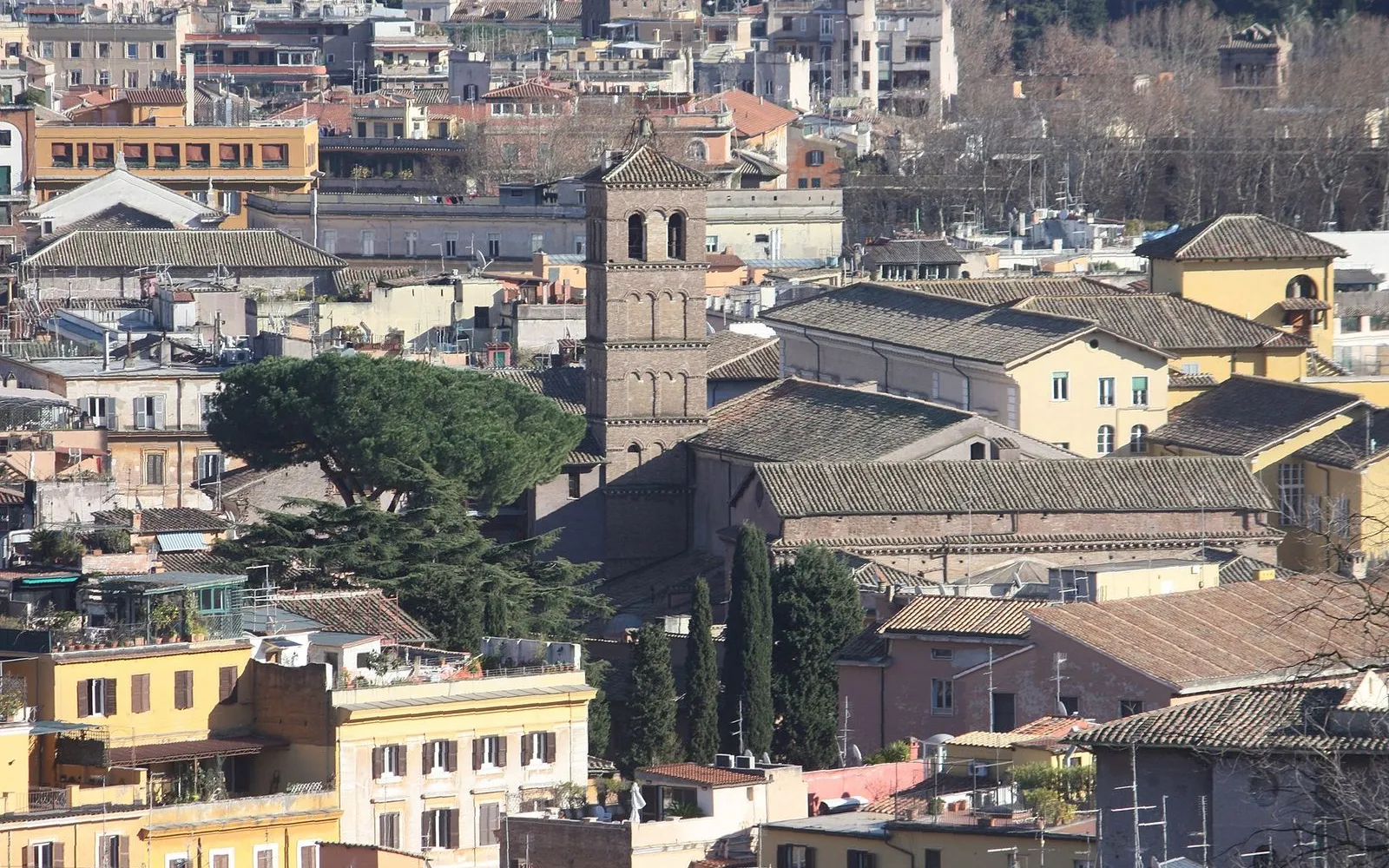
The Trastevere Climb
Cross a Renaissance bridge, stand before Raphael's Galatea, then climb to the fountain that inspired the Trevi and the finest free panorama in Rome.
 The essentials
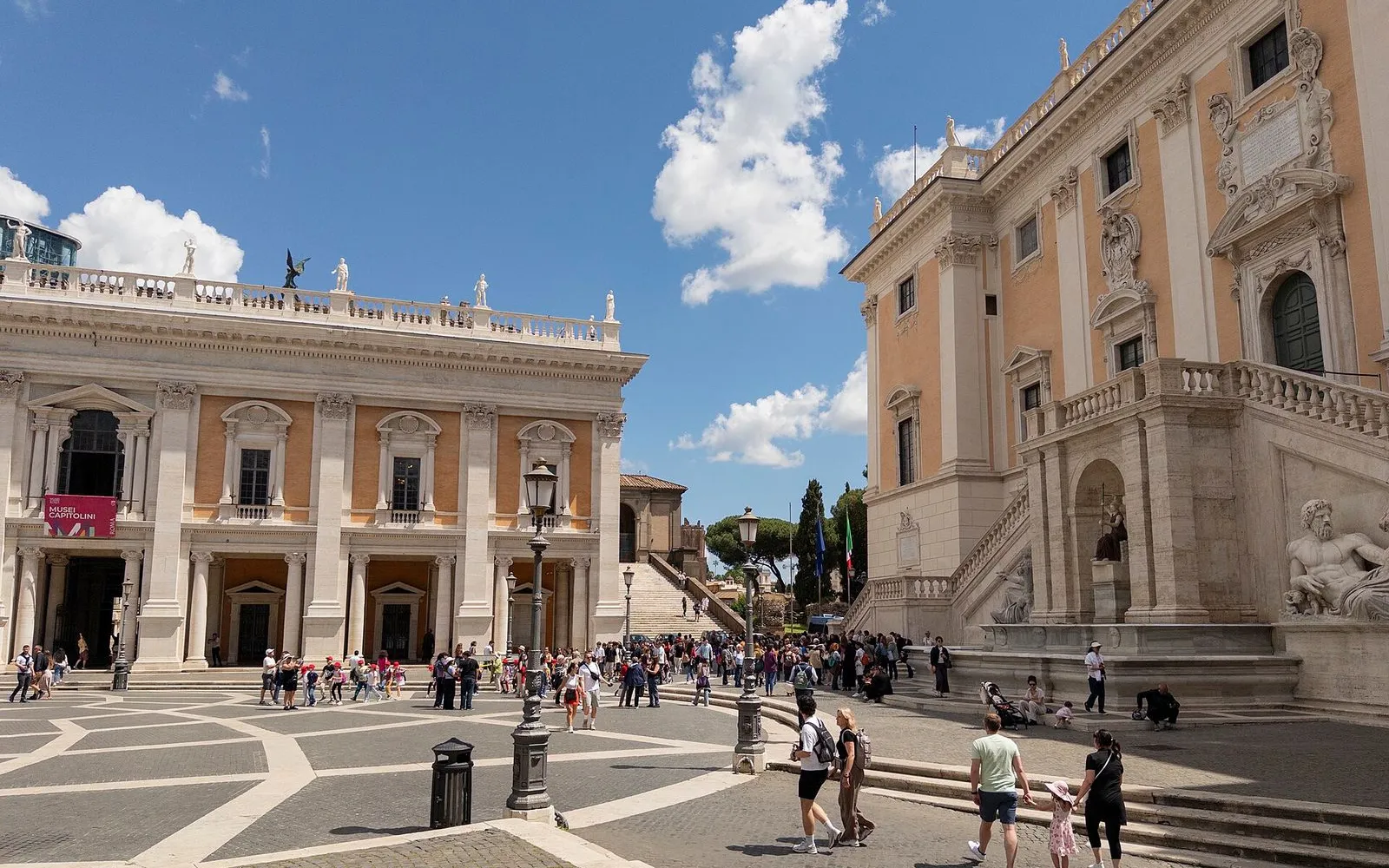
From Michelangelo to the River: The Capitoline and the Ghetto
Descend from Michelangelo's perfect piazza through the ancient Jewish quarter to the oldest bridge and the island of healing.
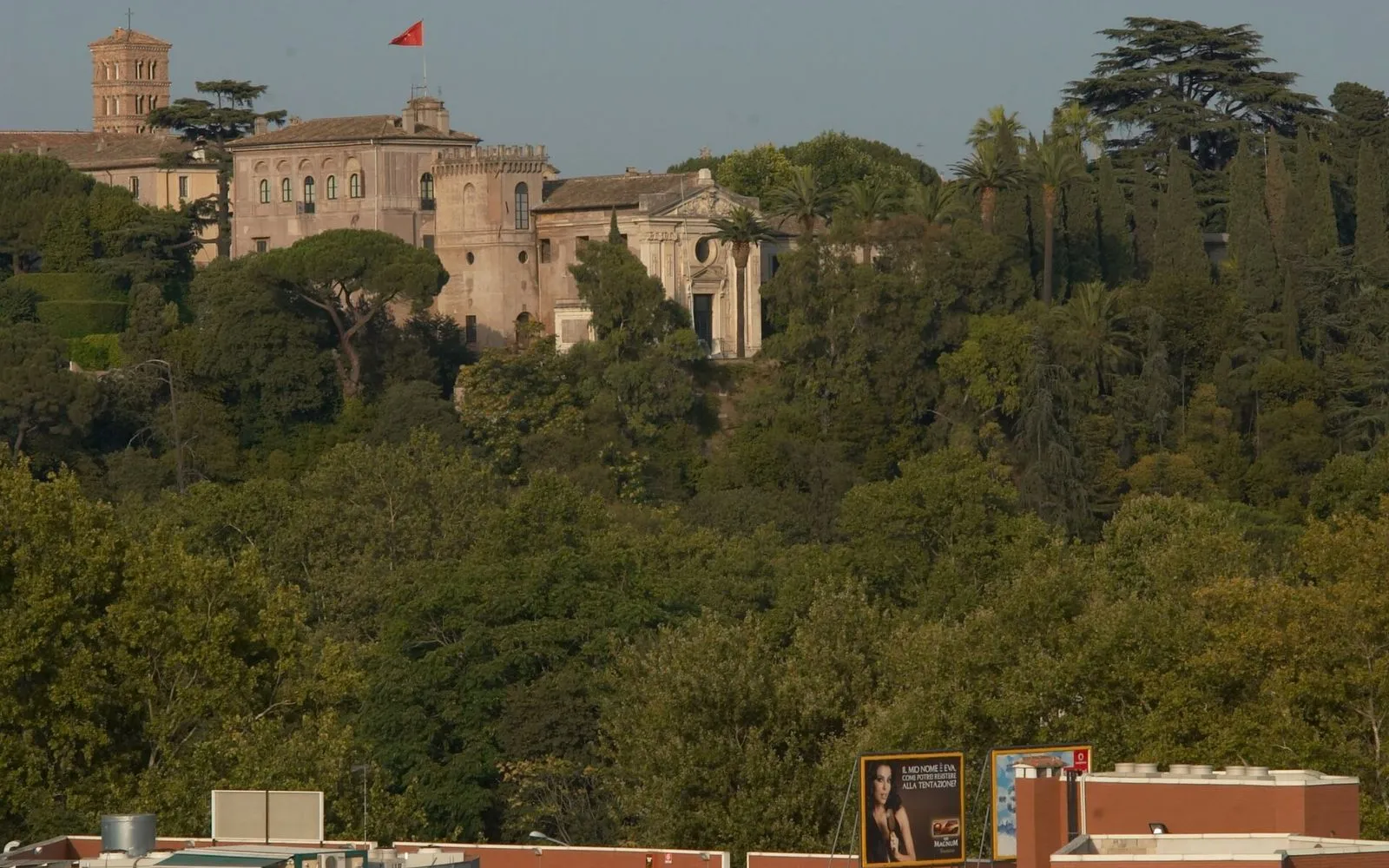 The essentials
From the Aventine to Testaccio: Rome's Quiet Hill and the Mountain of Shards
A downhill walk from a secret keyhole view of St. Peter's to an ancient trash heap made of 53 million olive oil jars, ending at Rome's best street-food market.
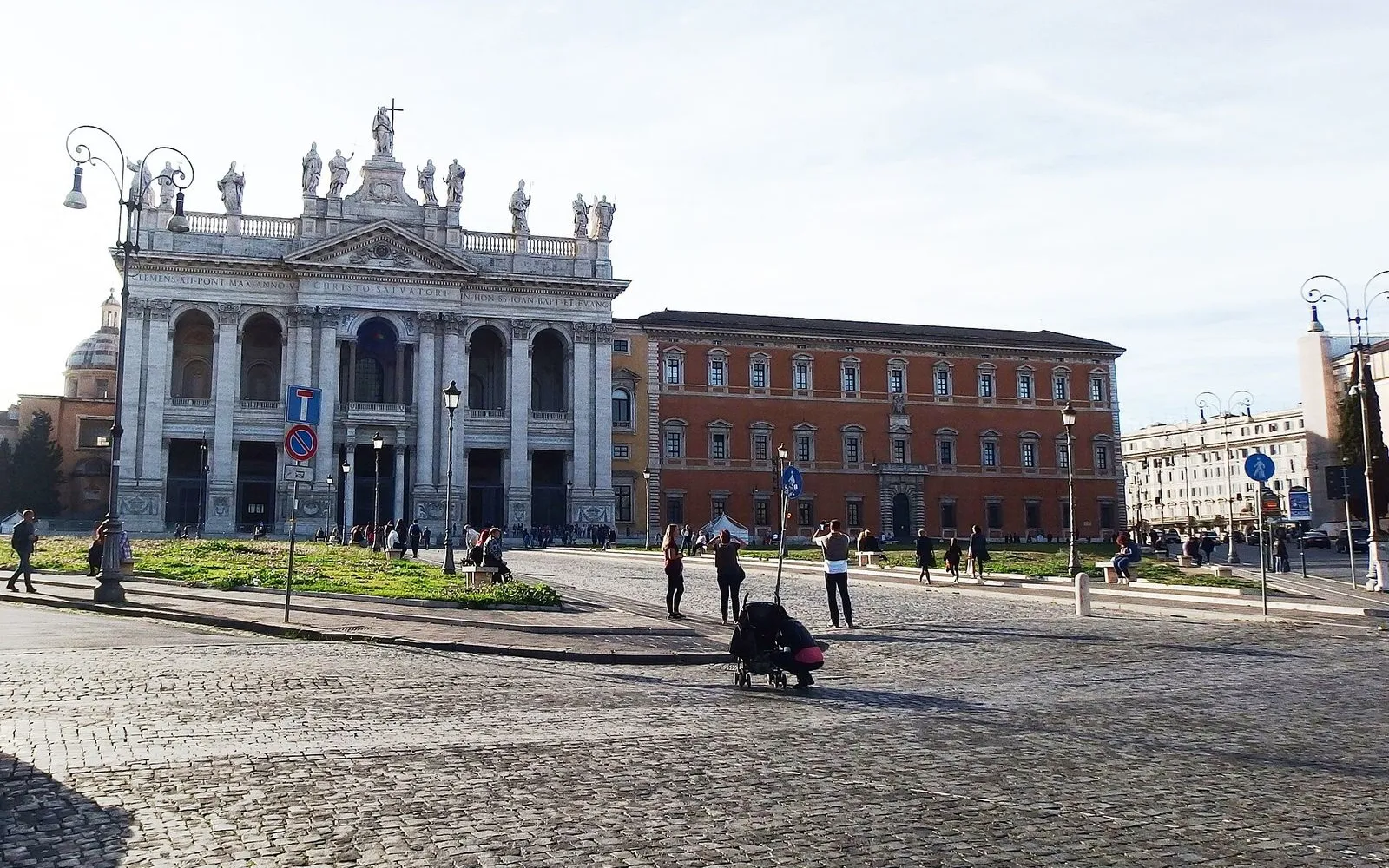 The hidden side
The Caelian Hill: Rome's Quiet Summit
A climb through Rome's most layered hill, from an underground Mithraeum to the mother church of Catholicism.
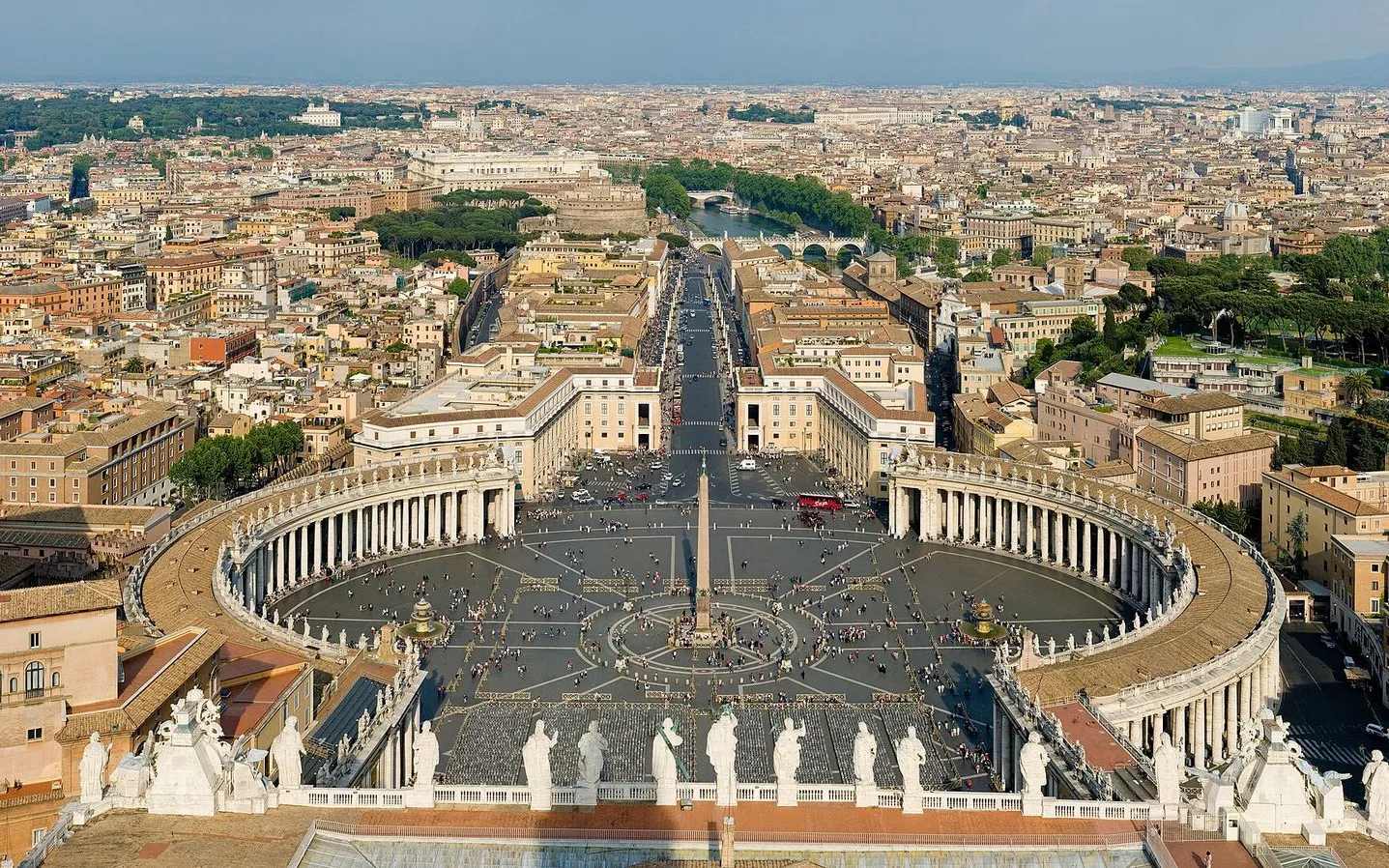 The local mix
The Pope's Backyard: From St. Peter's to the Bridge of Angels
The papal city from the street: Bernini's colonnade, Mussolini's boulevard, a secret escape route, and the angels on Hadrian's bridge.
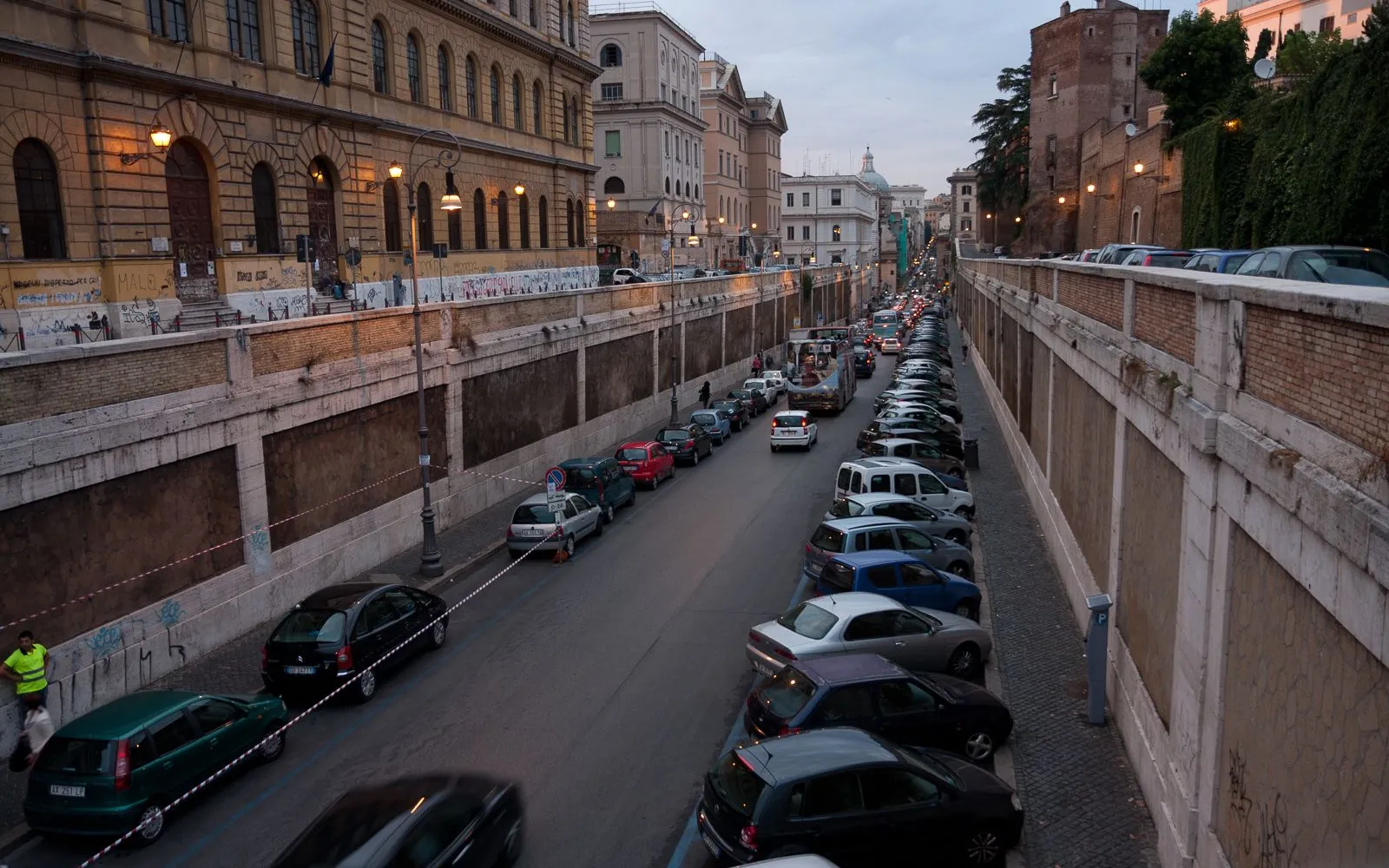 The local mix
Monti: Rome's First Rione
A 100-minute walk from the square where locals gather at sunset, through the streets where Julius Caesar grew up, to Michelangelo's Moses and a basilica ceiling that Romans say was gilded with the first gold from the Americas.
What you'll see
52 stops mapped across 8 walking tours in Rome. A few of the places the routes take you past:
- Colosseum
- Arch of Constantine
- Arch of Titus
- Temple of Saturn
- Curia Julia
- Basilica of Maxentius
- Palatine Hill
- Palatine Belvedere
- Circus Maximus
- Campo de' Fiori
- Piazza Navona
- Pantheon
Before you go
Is Rome a walkable city?
Rome's historic core is surprisingly compact and best seen on foot. The Colosseum, Roman Forum, Pantheon, Trevi Fountain, and Piazza Navona all sit within a radius of roughly two kilometres. Walking between major sights takes ten to twenty minutes, and the streets themselves are part of the experience. The city is built on seven hills, so expect climbs, stairs, and uneven cobblestones. A good pair of walking shoes turns the terrain from an obstacle into part of the texture of the day.
What is the best time of year to visit Rome?
April, May, late September, and October offer mild temperatures, manageable crowds, and long daylight. July and August are hot, humid, and packed; the Colosseum queue can exceed an hour even with a ticket, and the Forum offers almost no shade. January and February are the quietest and cheapest months, with short lines and low hotel prices, but daylight ends by 17:00 and some restaurants close for a winter break. The first Sunday of each month brings free entry to state-run museums and monuments, including the Colosseum and the Pantheon, but expect heavy crowds.
SourceEuro Landmarks: One Day in Rome Itinerary 2026How do I get around Rome?
Walking covers most of the centro storico. The metro has two lines, A and B, that cross at Termini station. Colosseo station on Line B drops you at the Colosseum; Ottaviano on Line A serves the Vatican. A single ride costs €1.50 and a day pass costs €7, covering metro, bus, and tram. Taxis and ride-sharing apps work but get stuck in traffic around Piazza Venezia and the Vatican. The city also has an extensive bus network, though buses are slower and less reliable than the metro.
SourceATAC: Rome public transportHow much does a day in Rome cost?
A moderate day with one paid archaeological site, a ticketed monument, lunch, coffee, gelato, a sit-down dinner, and a transit ride or two runs roughly €70 to €110 per person. A budget day focusing on free sights, pizza al taglio for lunch, and supermarket snacks can come in under €35. A mid-range day with a Colosseum Full Experience ticket, a guided tour, aperitivo, and a three-course dinner with wine lands between €160 and €220. The single biggest variable is whether you book skip-the-line tickets in advance or lose time and money to the walk-up queues.
SourceGeziKolik: 1 Day in Rome 2026Is one day enough to see Rome?
One day is enough to walk Rome's headline sights at a steady pace, not to explore them in depth. Pick one anchor, either ancient Rome or the Vatican, and build the rest of the day around it. Trying to force both into a single day means rushing through each one and remembering neither. Most first-time visitors finish a one-day itinerary wanting to come back for a second. That is a feature, not a failure.
Is Rome safe for tourists?
Rome is broadly safe. Violent crime against tourists is rare. Pickpocketing is the main risk, especially on crowded metro cars, at major sites like the Colosseum and Trevi Fountain, and on the Line A metro between Termini and Ottaviano. Keep bags zipped and in front of you, avoid hanging a phone or camera loosely from a wrist, and carry only what you need for the day. At night, the centro storico and Trastevere are busy and well-lit into the small hours.

Walk Rome
Get the audio guide in the app.
Walk Rome with a local in your pocket, one cobblestone at a time.
More cities in Italy
Provenance · last verified August 9, 2026
Built from the Wayside walking tours in this city and the stops they cover.
Photo by Jacob Fryer on Unsplash
Photo by Wolfgang Moroder on Wikimedia Commons · CC BY-SA 3.0
Photo by Nicola since 1972 on Openverse · CC BY 2.0
Photo by Dguendel on Wikimedia Commons · CC BY 3.0
Photo by Nhartmannphotos on Wikimedia Commons · CC BY-SA 4.0
Photo by My Past from Norway on Wikimedia Commons · CC BY 2.0
Photo by Palickap on Wikimedia Commons · CC BY-SA 4.0
Photo by Diliff on Wikimedia Commons · CC BY-SA 3.0
Photo by Vadim Zhivotovsky on Wikimedia Commons · CC BY 3.0