Rome · Self-guided audio walk

Monti: Rome's First Rione

A 100-minute walk from the square where locals gather at sunset, through the streets where Julius Caesar grew up, to Michelangelo's Moses and a basilica ceiling that Romans say was gilded with the first gold from the Americas.

  • 6Stops
  • 2 kmDistance
  • 30+ minTime
Monti: Rome's First Rione

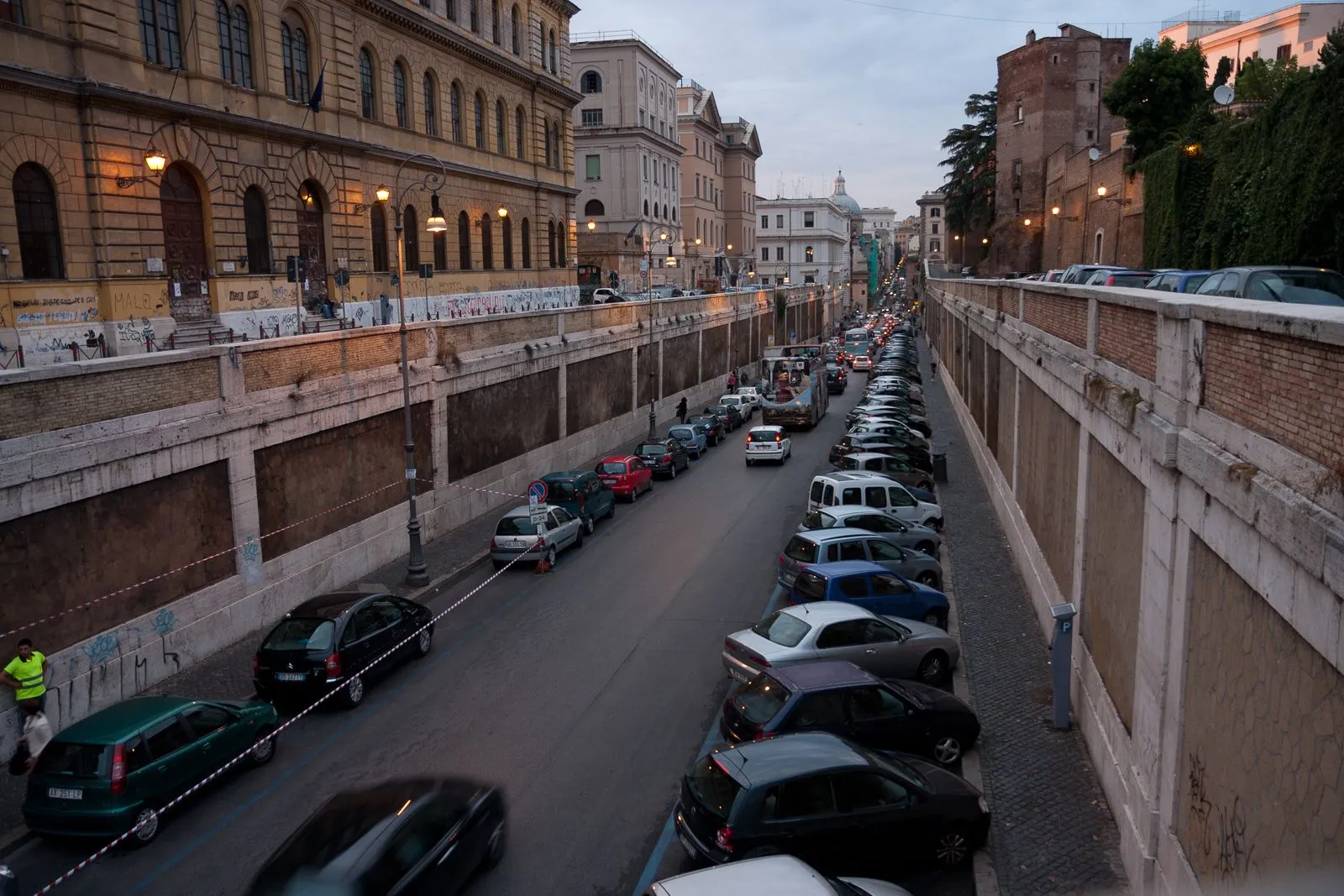
Photo by Vadim Zhivotovsky on Wikimedia Commons

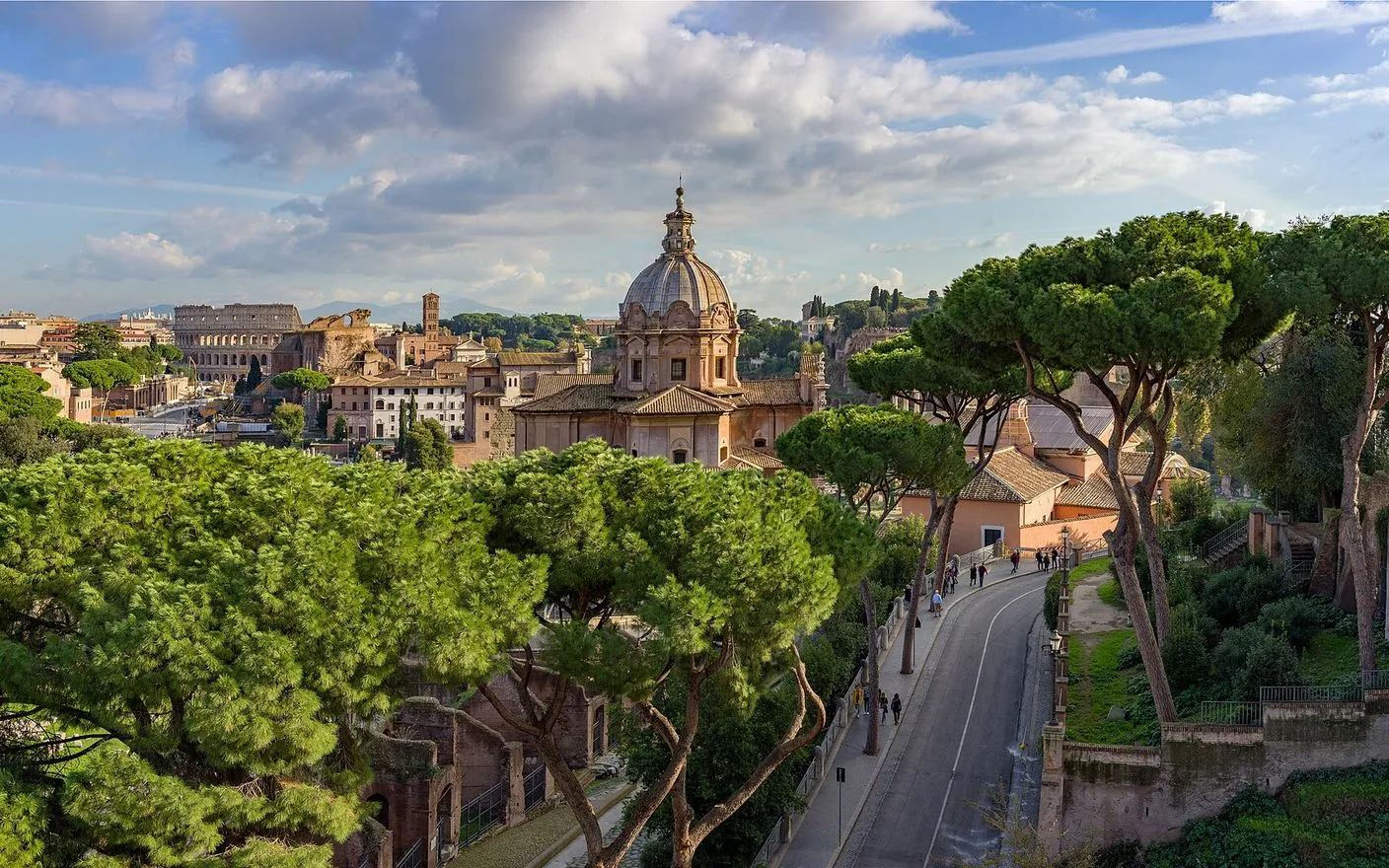
Monti is Rome's oldest rione, wedged between the Colosseum and Termini station, and today it is the city's most bohemian neighborhood. Two thousand years ago this was the Suburra, the crowded working-class quarter where Julius Caesar was born and where fires broke out so often that Augustus built a massive stone wall to hold them back. The walk starts at Piazza della Madonna dei Monti, the neighborhood's open-air living room, then climbs through three of Monti's most characterful streets: Via del Boschetto with its vintage boutiques, Via Panisperna where bakers once fed the poor, and Via Urbana, the ancient Vicus Patricius. It pauses at San Pietro in Vincoli, a fifth-century basilica that holds Michelangelo's Moses and the chains that bound Saint Peter, and it ends at Santa Maria Maggiore, one of Rome's four papal basilicas, whose fifth-century nave mosaics are the oldest surviving Christian narrative mosaics anywhere. Romans will tell you the coffered ceiling above them was gilded with gold Columbus brought back, a story that appears in sixteenth-century sources and has never been proven. Come early and you will have it all nearly to yourself.

Hear it on the street

Get the turn-by-turn audio guide in the app. The narration plays itself as you reach each stop, hands-free and offline.

Stop by stop

The route

Interactive map of the route. The full stop list below works without it.

Piazza della Madonna dei MontiMust see

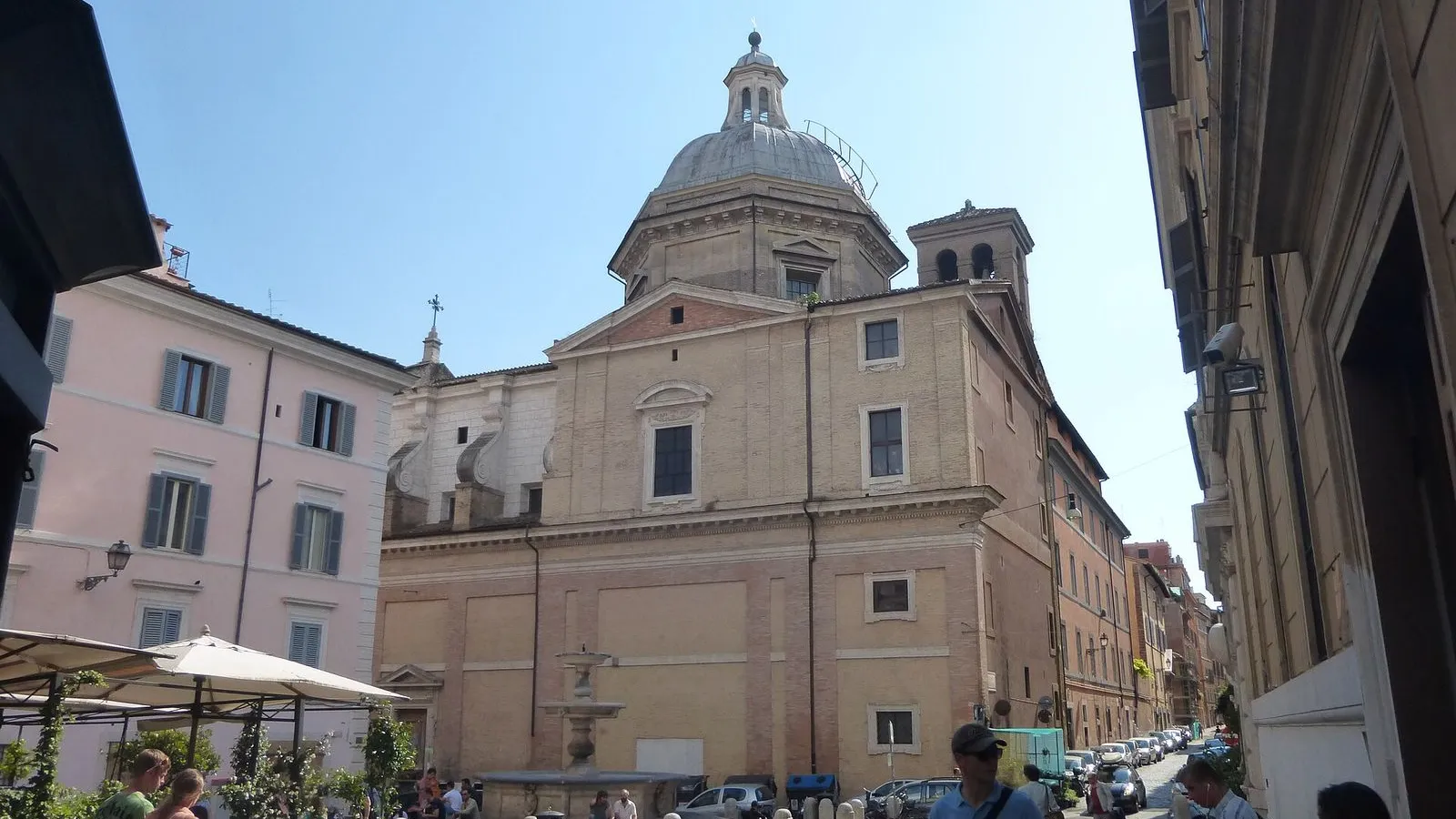
Photo by Lalupa on Wikimedia Commons

Piazza della Madonna dei Monti

0:00

The open-air living room of Rome's oldest rione, where the fountain by Giacomo Della Porta has run since 1589 and locals still sit on the church steps with a spritz every evening.

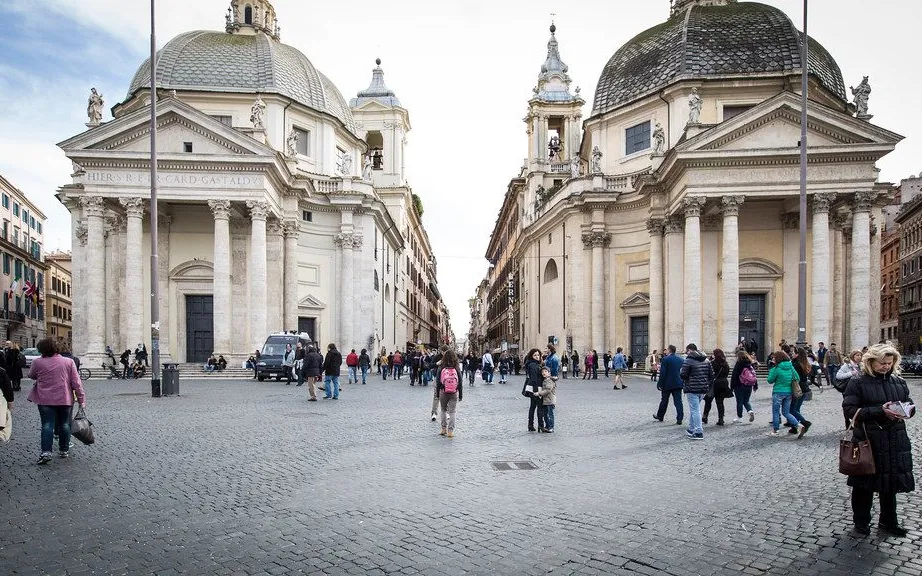
You are standing in the living room of Monti, Rome's oldest rione. The fountain in front of you was designed by Giacomo Della Porta in 1588 and paid for by Pope Sixtus V. It is a simple octagonal basin in travertine, built plain because this square used to host a market and the fountain was for heavy daily use, not for show. The church on your left is Santa Maria ai Monti, built in 1580 after a fifteenth-century fresco of the Virgin was uncovered in a convent here and began to draw pilgrims.

Two thousand years ago you were standing in the Suburra, the crowded plebeian quarter where Julius Caesar grew up in a family domus. It was noisy, poor, and flammable. The wall Augustus built to shield his new forum from the fires still stands a few streets away. Tonight this piazza will fill with locals on the church steps holding spritzes.

Right now you have it almost to yourself.
≈5 min walk to the next stop
Via del BoschettoLocal pick

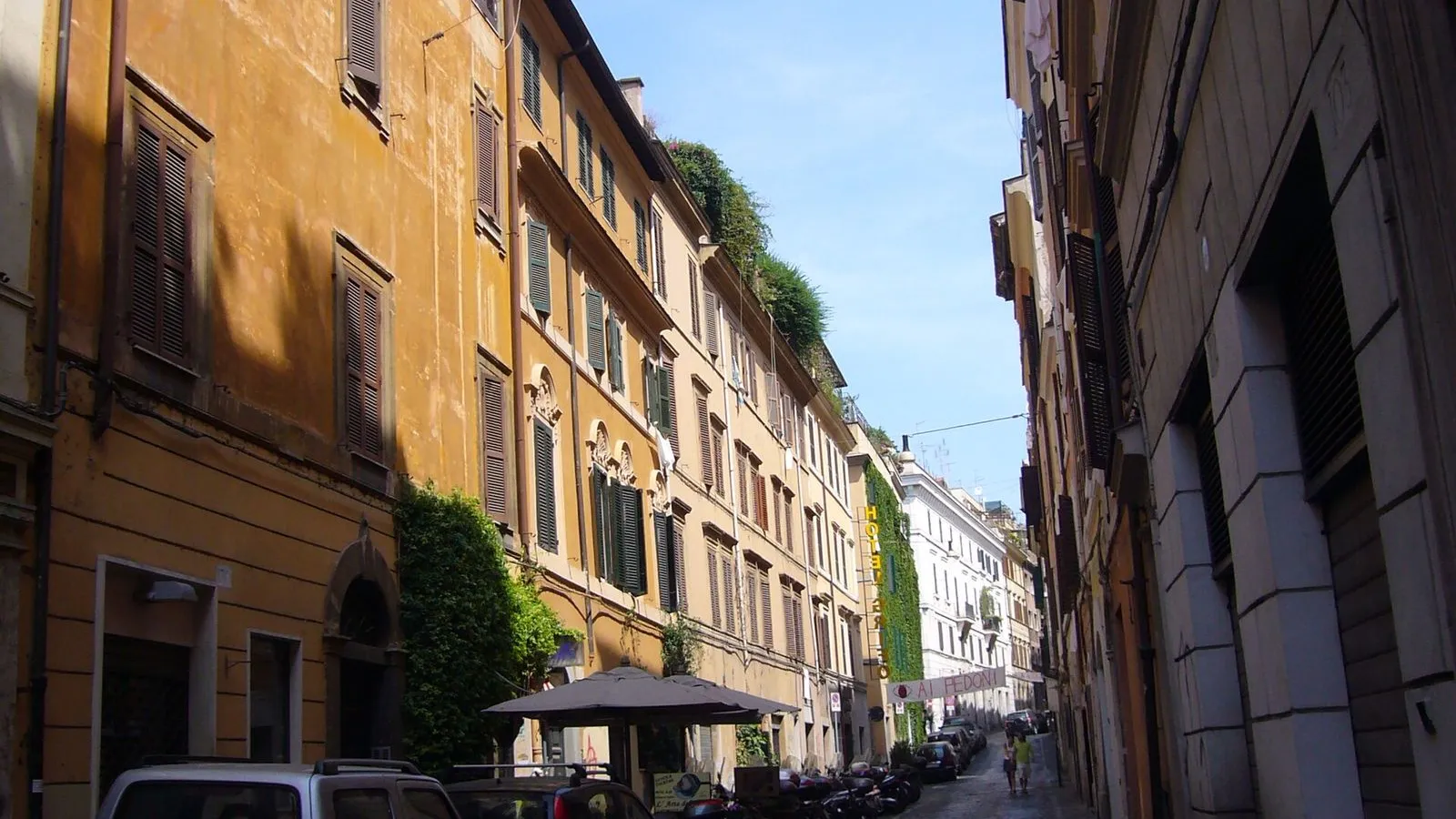
Photo by Lalupa on Wikimedia Commons

Via del Boschetto

0:00

The boutique spine of Monti, named for the little wood that grew here when the neighborhood emptied out in the Middle Ages. Look for medieval tower houses swallowed by later buildings.

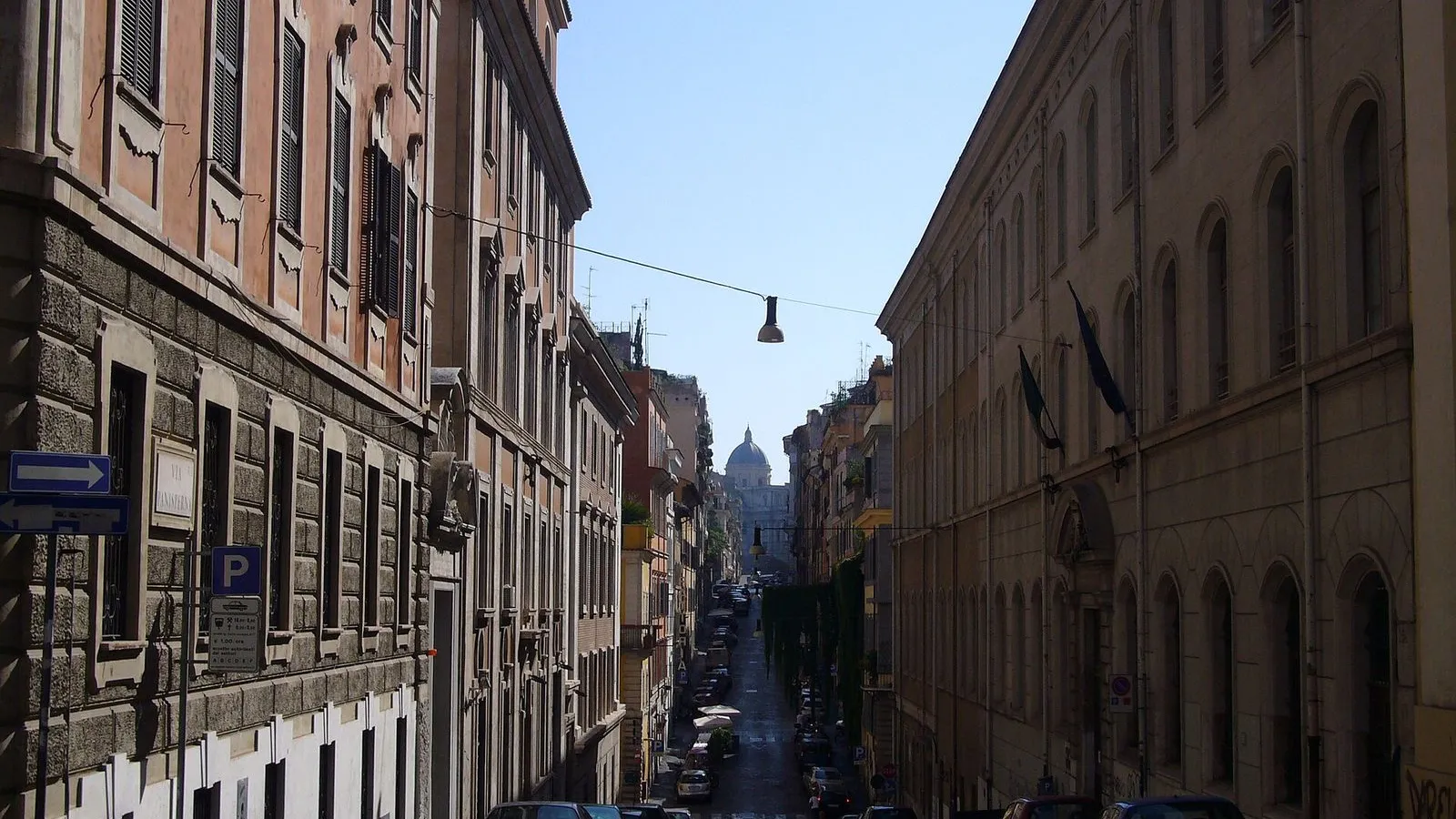
This street's name means "the little wood." After the aqueducts broke in the early Middle Ages, the hills of Monti lost their water and emptied out. For centuries this was vineyards and scrub. Look up at the buildings around you. Some of them contain medieval tower houses, swallowed by later construction but still visible if you know where to look: a blocked-up window arch here, a course of paler stone there.

Today Via del Boschetto is the boutique spine of Monti. There is a shop that sells only handmade paper, a vintage clothing store where the owner presses the garments herself, a jeweler who works in the window. Walk its length slowly. The street bends just enough that you can never see all of it at once.

≈3 min walk to the next stop
Via PanispernaLocal pick

Photo by Lalupa on Wikimedia Commons

Via Panisperna

0:00

The street of bread and ham, climbing steadily toward the Esquiline Hill. San Lorenzo in Panisperna, where Poor Clare nuns once baked for the poor, sits halfway up on the right.

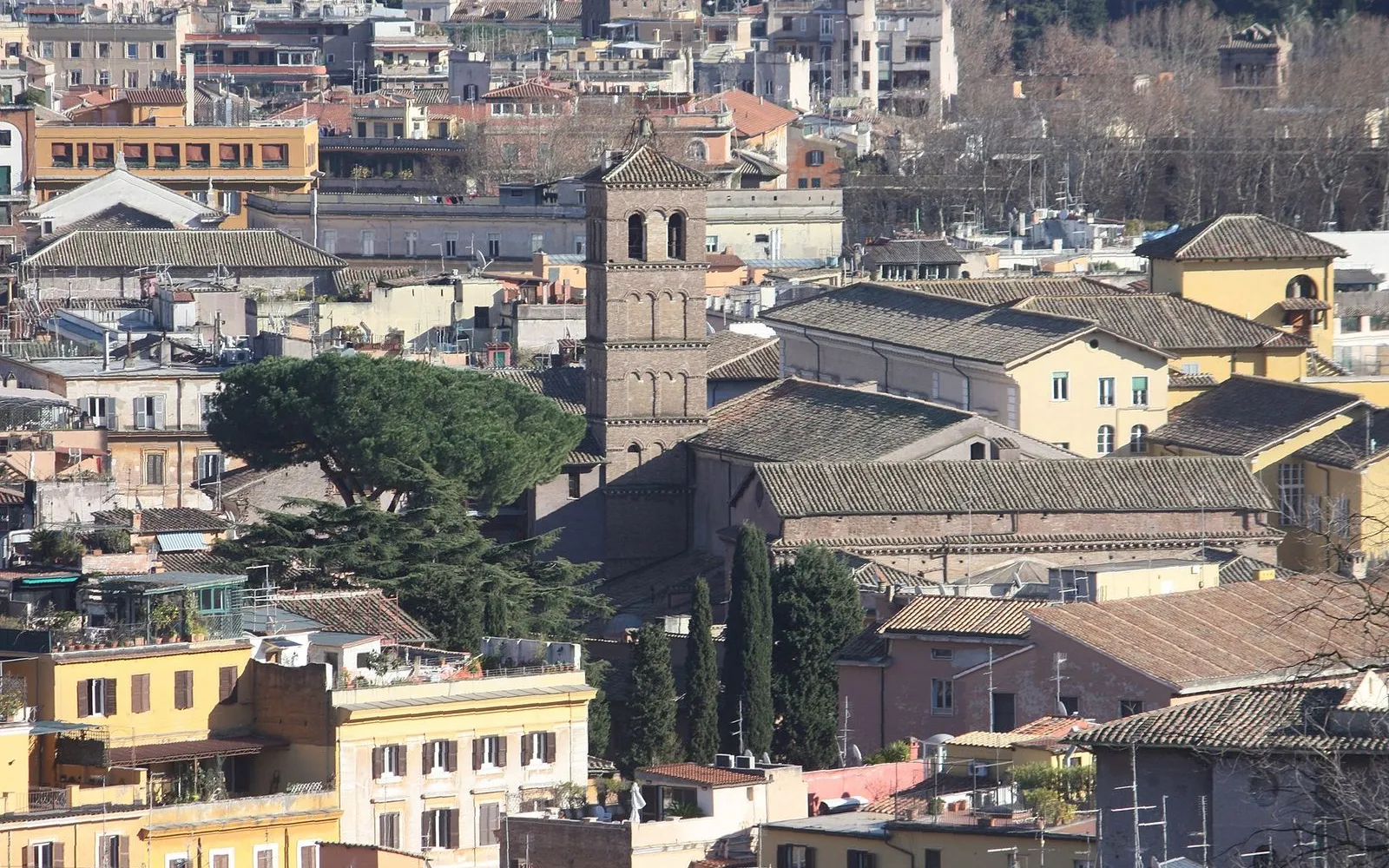
Via Panisperna may take its name from "panis et perna," bread and ham, a phrase attached to a medieval tradition whose details are now lost. What is certain is that this street has been feeding people for a very long time. The church halfway up on your right is San Lorenzo in Panisperna, built on the spot where, according to tradition, Saint Lawrence was grilled alive on a gridiron. For centuries afterward, Poor Clare nuns baked bread here and distributed it to the district's poor.

The street climbs steadily. You are walking the route that ancient Romans took from the Suburra up toward the Esquiline Hill. The gradient has not changed in two thousand years. Notice how the buildings grow taller and grander as you ascend: the higher you went in ancient Rome, the better the air and the wealthier the residents.

≈3 min walk to the next stop
Free preview ends here · stops 4 to 6 continue in the app

Via Urbana

The ancient Vicus Patricius, now Monti's sleepier parallel spine. A fourth-century house church, a bar that pours natural wine from Lazio, and a shop that restores antique radios.

in app

San Pietro in Vincoli

Saint Peter in Chains. A fifth-century basilica on the Oppian Hill that holds Michelangelo's horned Moses, the chains that bound Saint Peter, and a tomb project that took forty years and broke its artist's heart.

in app

Santa Maria Maggiore

One of Rome's four papal basilicas. Fifth-century nave mosaics, a thirteenth-century apse in blazing gold, and a coffered ceiling that Romans say was gilded with the first gold from the Americas.

in app
Good to know

Before you go

Is San Pietro in Vincoli free to enter?

Yes, San Pietro in Vincoli is free. Michelangelo's Moses sits inside, and the chains that supposedly bound Saint Peter are displayed under the altar. The church opens around 8:00 and closes at 12:30, then reopens from 15:00 to 19:00. Mornings are quieter.

What is the best time to walk through Monti?

Late afternoon into early evening, when the vintage shops on Via del Boschetto are open, the bars on Via Urbana start pouring, and Piazza della Madonna dei Monti fills with locals on the church steps with a spritz. Monti is a neighborhood, not a museum, and it wakes up after dark.

Keep exploring

More walks in Rome

Provenance · last verified August 9, 2026

Built from the Wayside route itself: the stops, their order, and the walk between them.

Photo by Vadim Zhivotovsky on Wikimedia Commons · CC BY 3.0

Photo by Lalupa on Wikimedia Commons · CC BY-SA 4.0

Photo by Lalupa on Wikimedia Commons · CC BY-SA 3.0

Photo by Lalupa on Wikimedia Commons · CC BY-SA 3.0

Photo by Wolfgang Moroder on Wikimedia Commons · CC BY-SA 3.0

Photo by Nicola since 1972 on Openverse · CC BY 2.0

Photo by Dguendel on Wikimedia Commons · CC BY 3.0

Photo by Nhartmannphotos on Wikimedia Commons · CC BY-SA 4.0

Photo by My Past from Norway on Wikimedia Commons · CC BY 2.0

Photo by Palickap on Wikimedia Commons · CC BY-SA 4.0

Photo by Diliff on Wikimedia Commons · CC BY-SA 3.0

Coming soon

Wayside isn't in the app stores yet, but it's in the works. Check back soon.