Rome · Self-guided audio walk

The Caelian Hill: Rome's Quiet Summit

A climb through Rome's most layered hill, from an underground Mithraeum to the mother church of Catholicism.

  • 5Stops
  • 2 kmDistance
  • 35+ minTime
The Caelian Hill: Rome's Quiet Summit

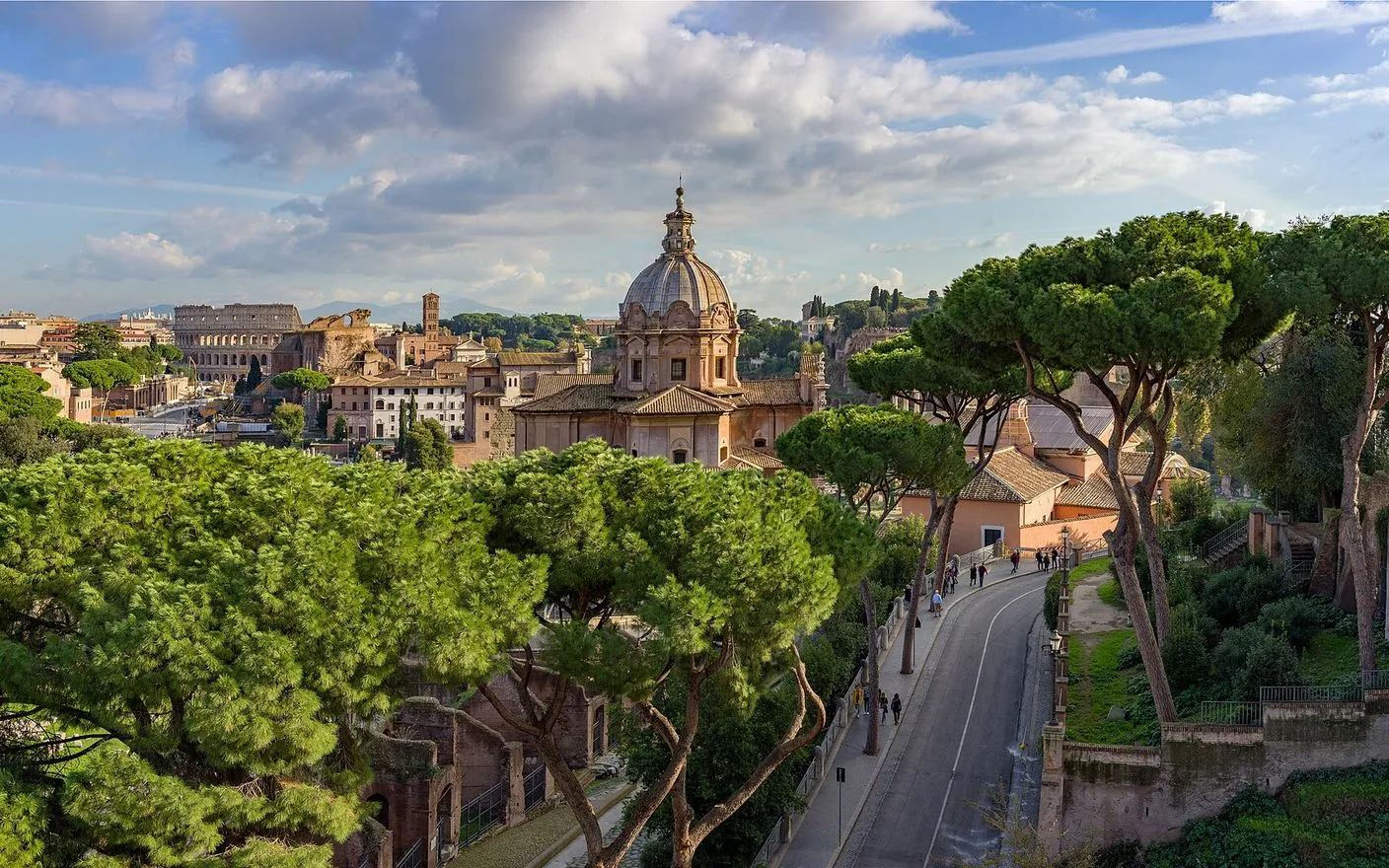
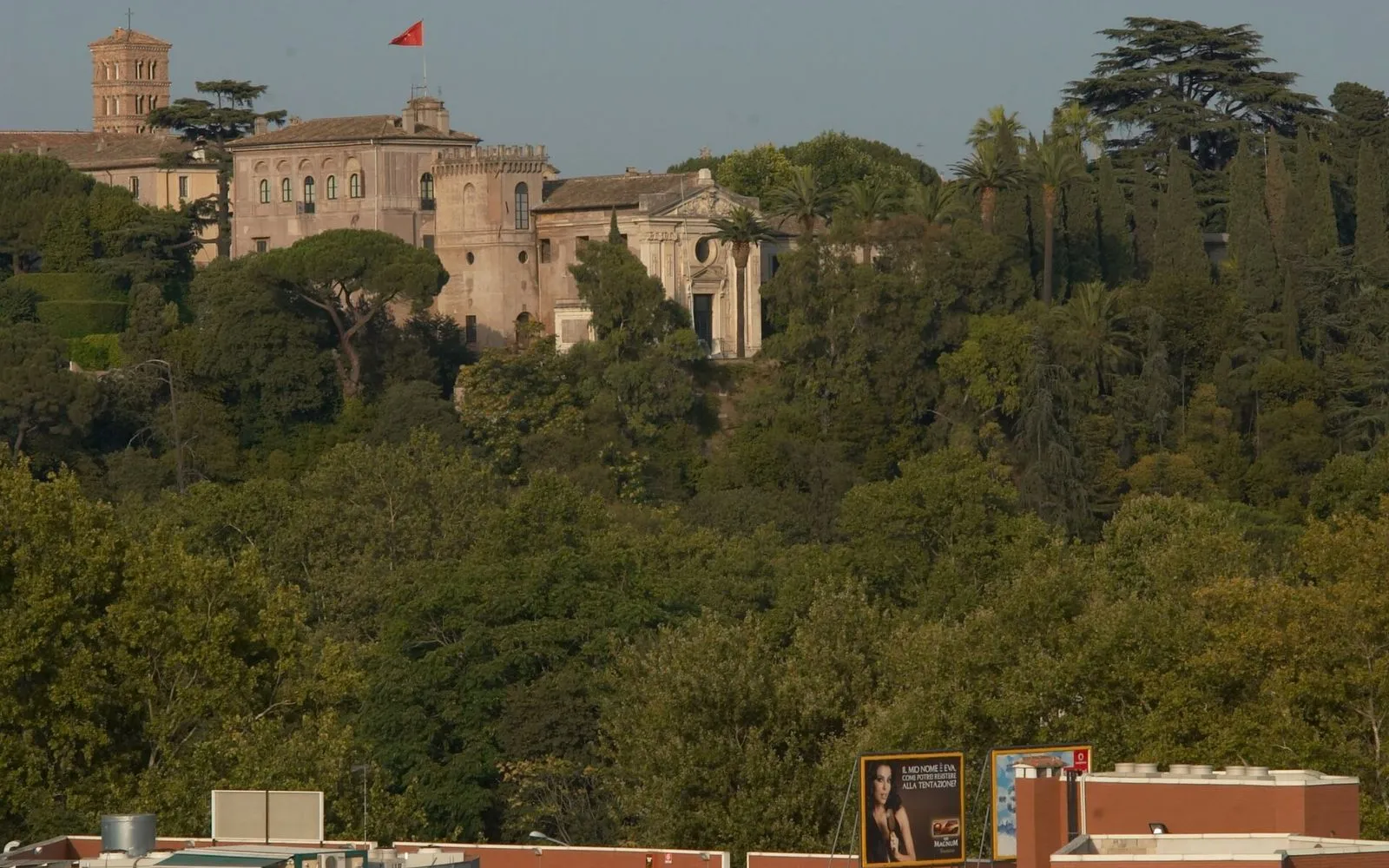
Photo by Palickap on Wikimedia Commons

The Caelian Hill rises just south of the Colosseum and stays quieter than any of Rome's other six hills. This walk climbs it from bottom to top, passing through three levels of history beneath one church, a fortified medieval monastery with a hidden chapel, Rome's oldest circular church, and ending at San Giovanni in Laterano, the cathedral of Rome, older than St. Peter's. Across the street, pilgrims still climb the Holy Stairs on their knees. Five stops. About two hours. No crowds, no lines, and a side of Rome most visitors never find.

Hear it on the street

Get the turn-by-turn audio guide in the app. The narration plays itself as you reach each stop, hands-free and offline.

Stop by stop

The route

Interactive map of the route. The full stop list below works without it.

San ClementeLocal pick

Photo by Nicholas Hartmann on Wikimedia Commons

San Clemente

0:00

A 12th-century basilica built on a 4th-century church built on a 1st-century Roman house and Mithraeum. Walk down through a thousand years of history.

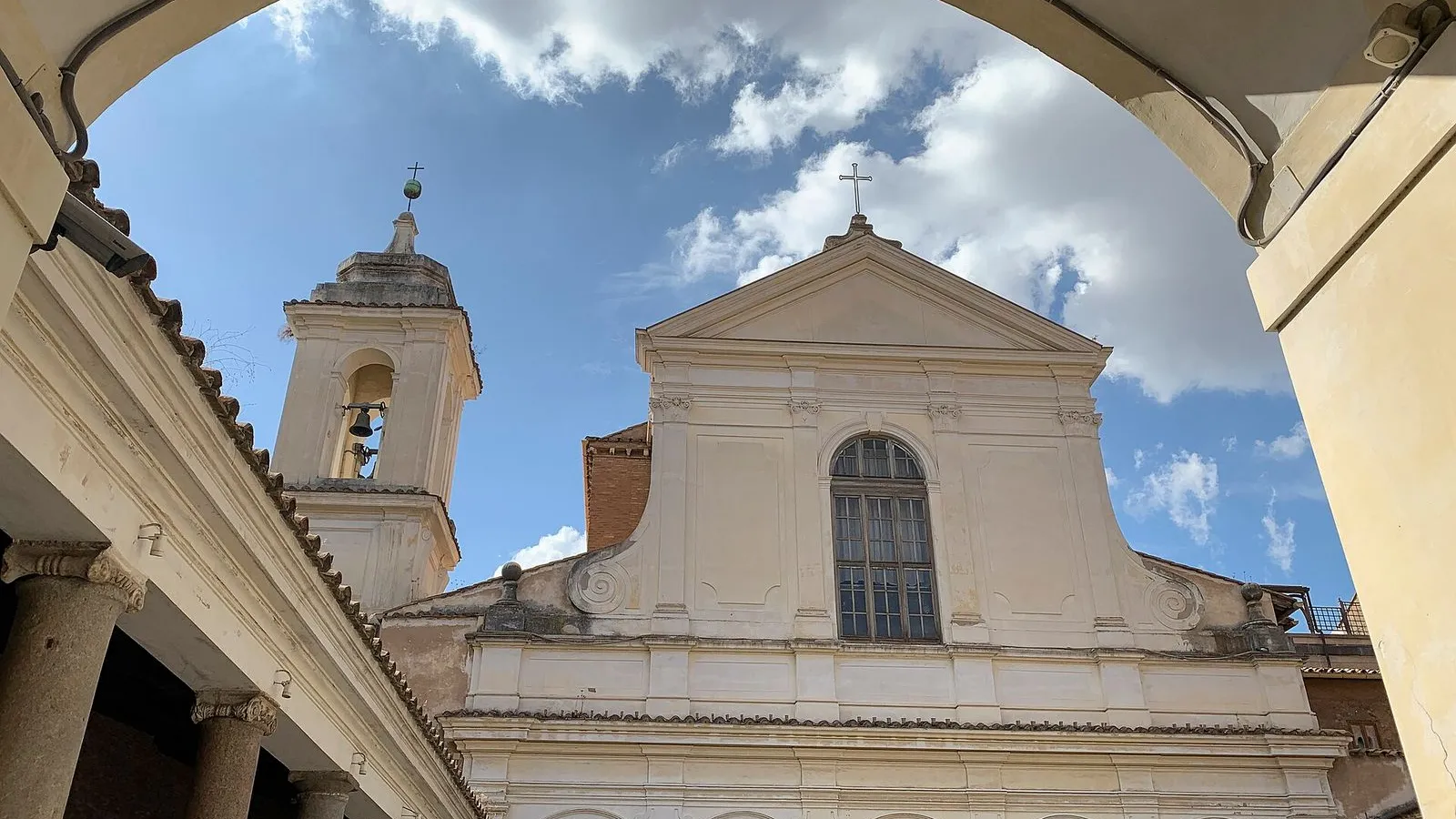
You're standing in Piazza San Clemente, a five-minute walk from the Colosseum and a world away from its crowds. The basilica in front of you looks like a typical 12th-century Roman church. It is not. Beneath your feet, three separate layers of the city are stacked like a cake, and you can walk down through all of them.

Step inside the upper church first. The apse mosaic is the star here: a vast golden Tree of Life with a crucified Christ at its center, doves and peacocks in the branches, and the four rivers of paradise flowing beneath. The floor is Cosmatesque work, a Roman specialty of the Middle Ages, inlaid marble cut into tight geometric knots. The marble choir screen dates from the 6th century, salvaged from the earlier church below.

Now find the door in the right aisle. A small desk, a ticket, and a stone staircase lead down into the 4th-century basilica. The space is dim and cool, the walls rough. The frescoes here are extraordinary.

Look for the Legend of Sisinnius, an 11th-century comic strip in paint: a Roman prefect orders his servants to arrest Saint Clement, but they drag a column instead because they've been struck blind. One of the figures shouts in early Italian, one of the first examples of the language written down: 'Fili de le pute, traite!', which is something like 'Pull, you sons of whores!' A second staircase leads deeper still, into the 1st-century level. Here you find a Mithraeum, a cult room for the Persian mystery god Mithras. Stone benches line the walls where initiates once reclined for sacred meals.

At the far end, a relief shows Mithras slaying a bull, the tauroctony, while a dog and snake leap toward the wound and a scorpion attacks. Listen. Behind the walls, you can hear water running: an ancient Roman drain, still working after two thousand years. You'll spend the most time here of any stop on this walk.

Take it slow. When you come back up into the daylight, cross Via di San Giovanni in Laterano and start walking uphill.
≈2 min walk to the next stop
Santi Quattro CoronatiLocal pick

Photo by Nhartmannphotos on Wikimedia Commons

Santi Quattro Coronati

0:00

A fortified medieval monastery with a hidden chapel whose 13th-century frescoes tell the story of Constantine's conversion and the forged Donation that shaped Europe.

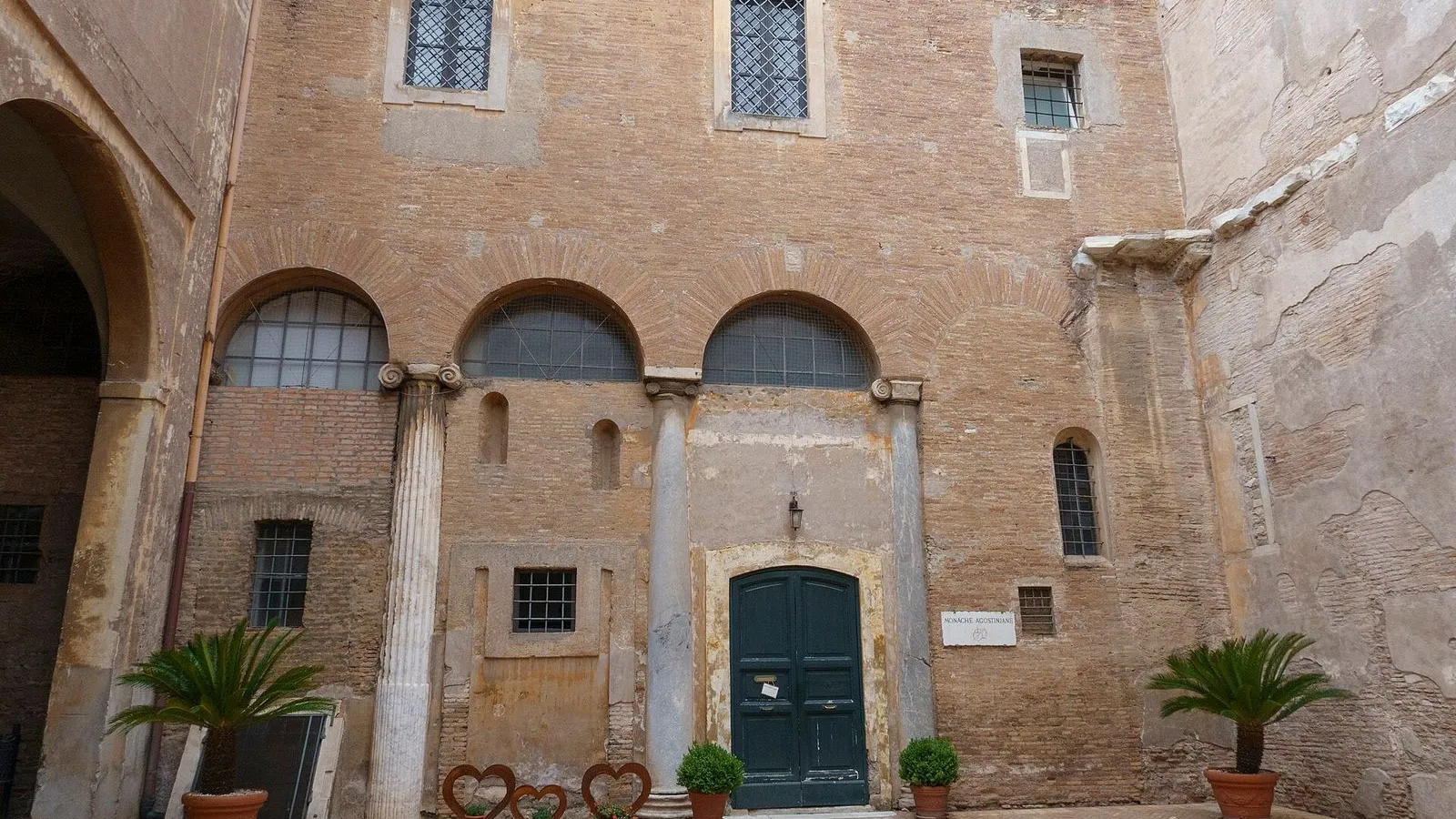
You're inside the Oratorio di San Silvestro now, a small barrel-vaulted chapel that feels miles from anywhere. The frescoes cover all four walls and tell a single political story disguised as a saint's life. Constantine, the first Christian emperor, has leprosy. His pagan priests tell him to bathe in the blood of three thousand children.

He refuses. That night Saints Peter and Paul appear to him in a dream and tell him to summon Pope Sylvester, who has fled Rome. Sylvester returns, baptizes Constantine, and the leprosy vanishes. In gratitude, Constantine kneels and hands Sylvester the symbols of imperial power: the tiara, the white horse, the parasol.

The scene is the Donation of Constantine, a forged document that the medieval papacy used to claim political authority over the Western Empire. The frescoes were painted in 1246, right when Pope Innocent IV was locked in a bitter struggle with the Holy Roman Emperor Frederick II. Every image here is an argument: the Church outranks the Empire. Look closely at the border below the main scenes.

A row of prophets stares out at you, lending their authority to the story. When you leave the chapel, step into the cloister through the left aisle of the church. It's a small Romanesque garden with a central fountain, Cosmatesque columns, and almost never another visitor. Sit for a minute.

Then continue east along Via di Santo Stefano Rotondo.

≈7 min walk to the next stop
Santo Stefano RotondoLocal pick

Photo by Thaler Tamas on Wikimedia Commons

Santo Stefano Rotondo

0:00

Rome's oldest circular church, built in the 5th century and ringed with graphic 16th-century frescoes of early Christian martyrs.

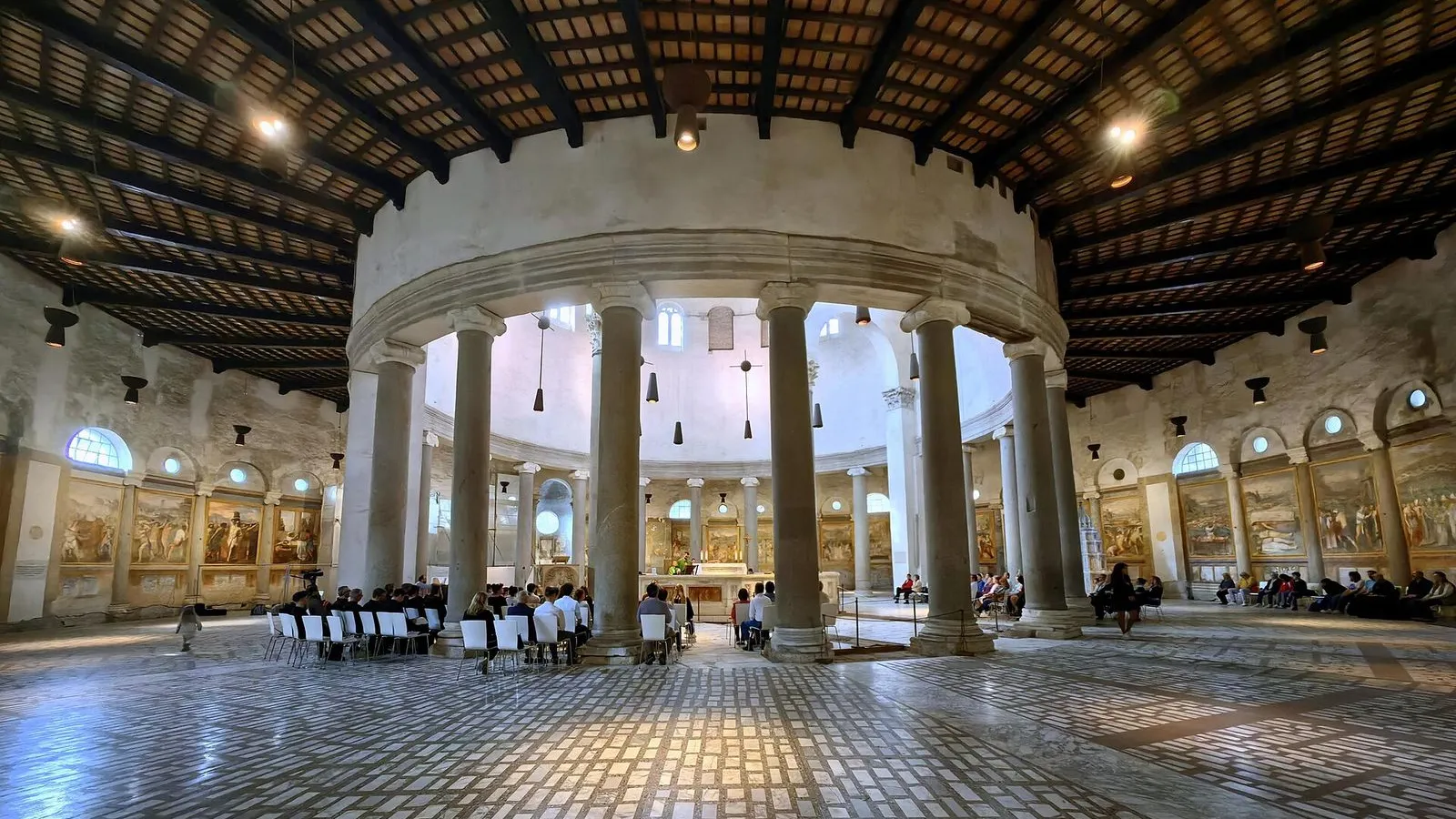
Step inside and the shape hits you first. The church is a circle within a circle, 22 ancient granite columns forming an inner ring around a central altar. It was built around 468, probably modeled on the Church of the Holy Sepulchre in Jerusalem, and it's the oldest round church in Rome. The design was meant to evoke the round tomb of Christ, and the sense of stillness here is physical.

The frescoes are something else. In 1582, Pope Gregory XIII commissioned Niccolò Circignani, known as Pomarancio, to paint a cycle of 34 martyrdom scenes around the circular wall. They are graphic, almost clinical: each panel shows a saint being killed, with the emperor who ordered it named in a caption and a Bible verse below. The Jesuits who ran the church used these images to train missionaries heading to Protestant countries, preparing them for the violence they might face.

Before you go, find the Chapel of Saints Primus and Felician in the northeast arm. The mosaic in the apse dates from 648 and shows a bejeweled cross with Christ's head above it, flanked by the two martyrs. It's one of the few 7th-century mosaics left in Rome. Also in the chapel: a wooden chair said to have belonged to Pope Gregory the Great around 580.

When you're ready, head east on Via di Santo Stefano Rotondo toward the Lateran.

≈13 min walk to the next stop
Free preview ends here · stops 4 to 5 continue in the app

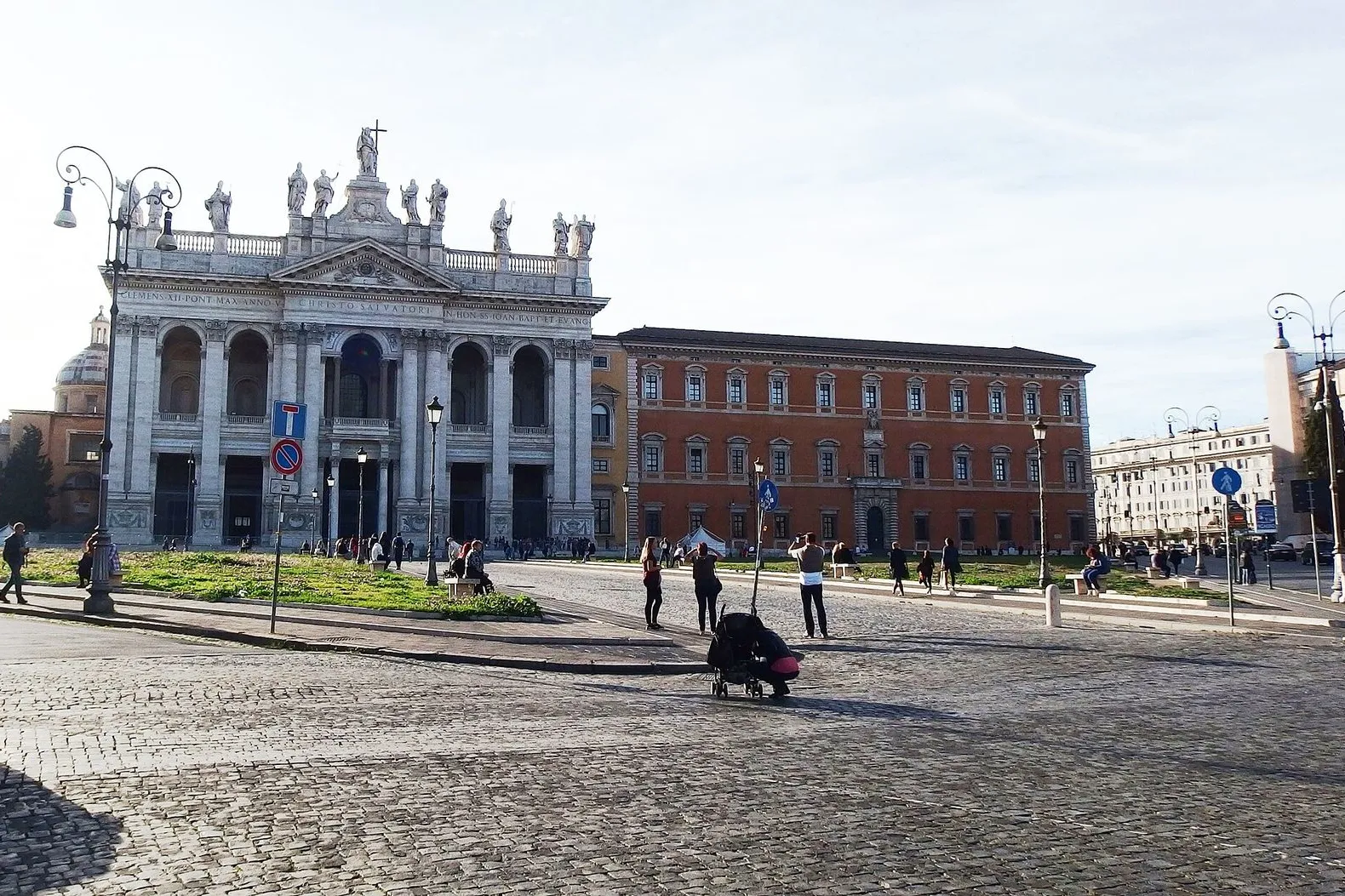
San Giovanni in Laterano

The cathedral of Rome and the mother church of all Catholic churches worldwide, consecrated in 324 and still the Pope's seat as Bishop of Rome.

in app

Scala Santa

The 28 marble steps said to be the stairs Christ climbed in Pilate's praetorium, ascended by pilgrims on their knees for over 1,600 years.

in app
Good to know

Before you go

Is San Clemente worth the entry fee?

Yes. San Clemente is three churches stacked on top of each other: a 12th-century basilica, a 4th-century church, and a 1st-century Roman house with a Mithraeum in the basement. You walk down through a thousand years of history. Entry to the excavations costs €10. The upper church is free. Few visitors make it here, so there are rarely lines.

SourceBasilica di San Clemente: official site
What are the Scala Santa and do I need a ticket?

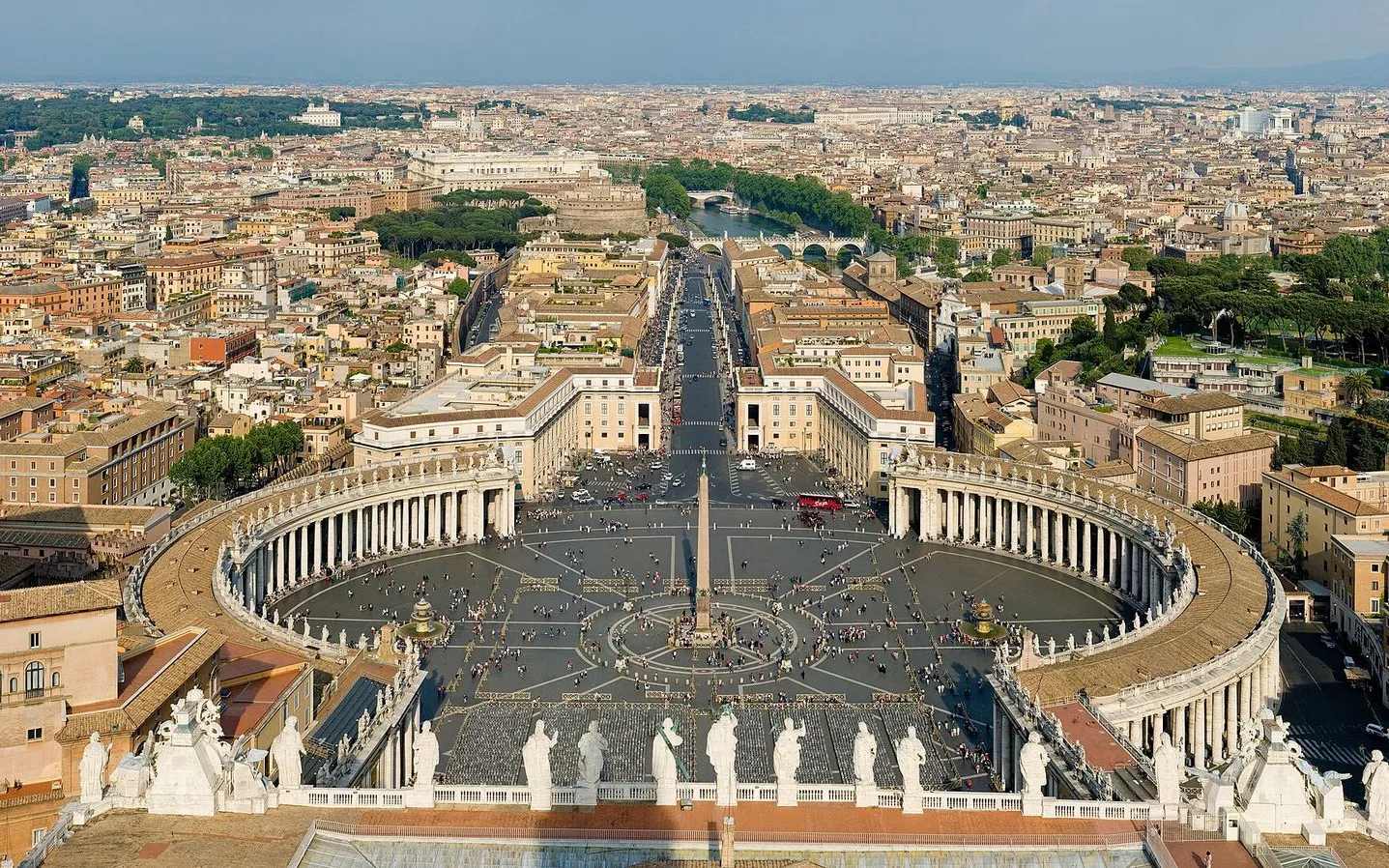
The Scala Santa are the 28 marble steps said to be the stairs Christ climbed in Pontius Pilate's praetorium. Pilgrims have ascended them on their knees for over 1,600 years. Entry is free. The steps are across the street from San Giovanni in Laterano, the cathedral of Rome, which is also free and older than St. Peter's.

Keep exploring

More walks in Rome

From Foundation to Empire: Rome's Ancient WalkThe essentials

From Foundation to Empire: Rome's Ancient Walk

Walk Rome's history in order: from the Palatine's mythical hut to the Colosseum's arena.

9 stops2.4 km40+ min
Baroque Heart of the Campus MartiusThe essentials

Baroque Heart of the Campus Martius

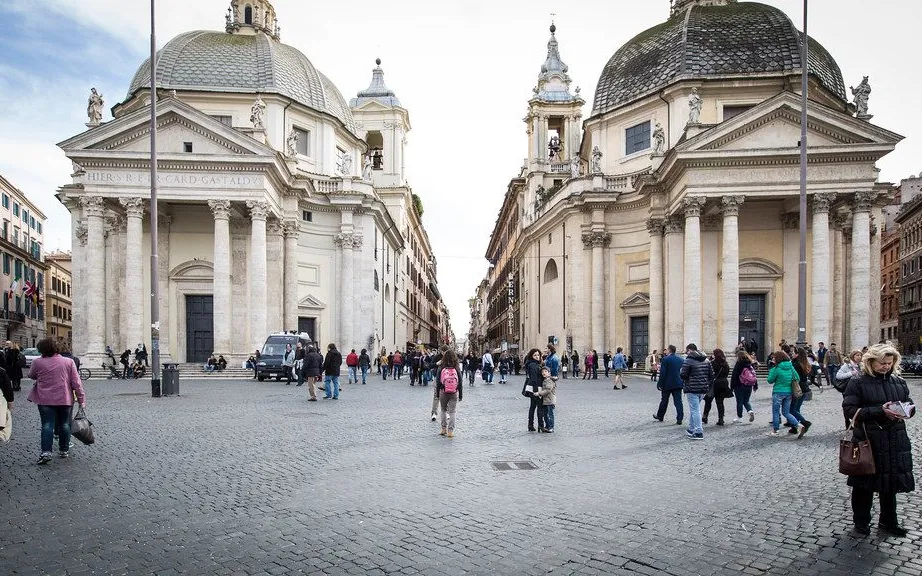
From a morning market to the Spanish Steps, a walk through Rome's most beautiful piazzas, fountains, and domes.

6 stops2.4 km40+ min
The Trastevere ClimbThe hidden side

The Trastevere Climb

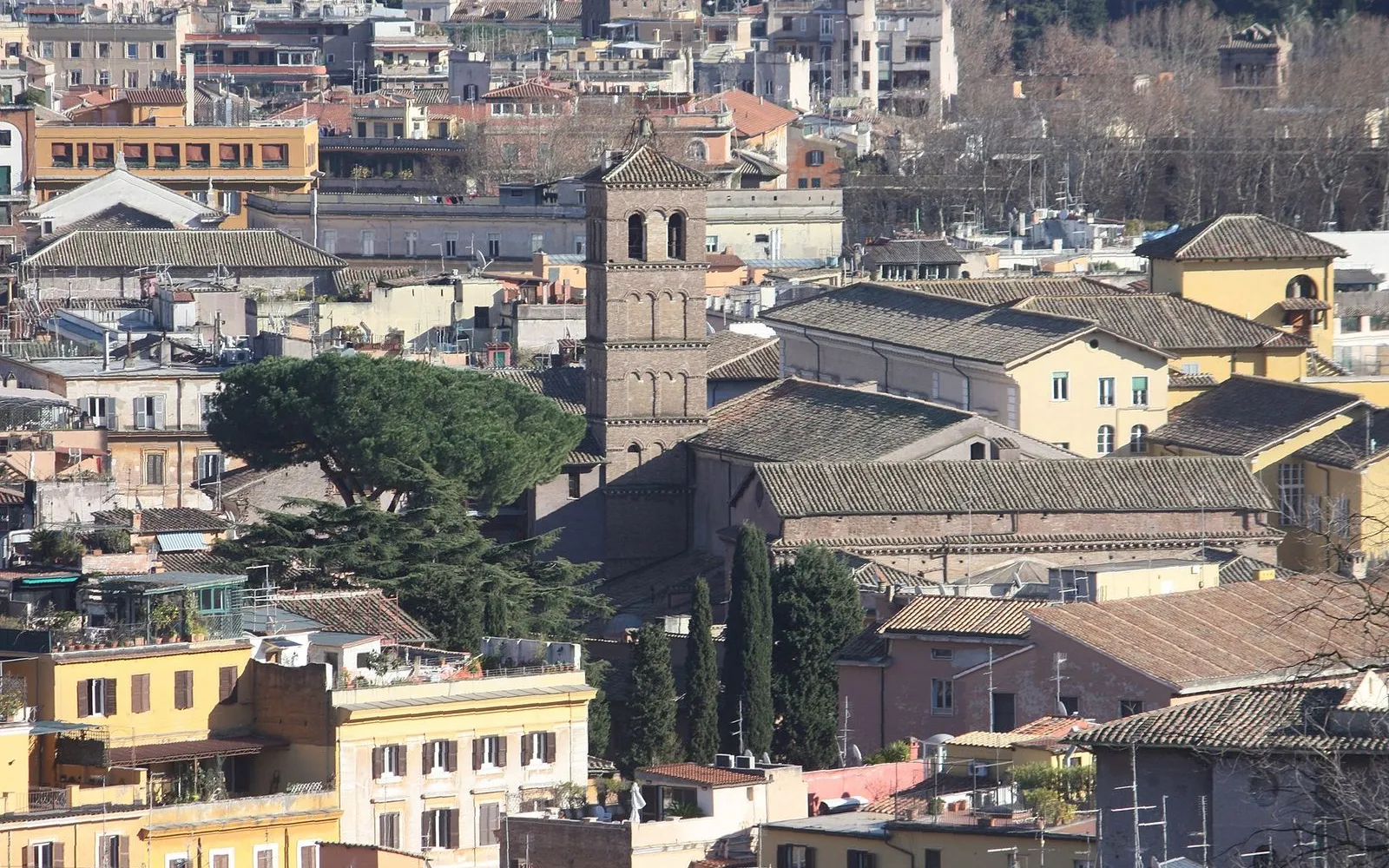
Cross a Renaissance bridge, stand before Raphael's Galatea, then climb to the fountain that inspired the Trevi and the finest free panorama in Rome.

6 stops2.4 km40+ min
From Michelangelo to the River: The Capitoline and the GhettoThe essentials

From Michelangelo to the River: The Capitoline and the Ghetto

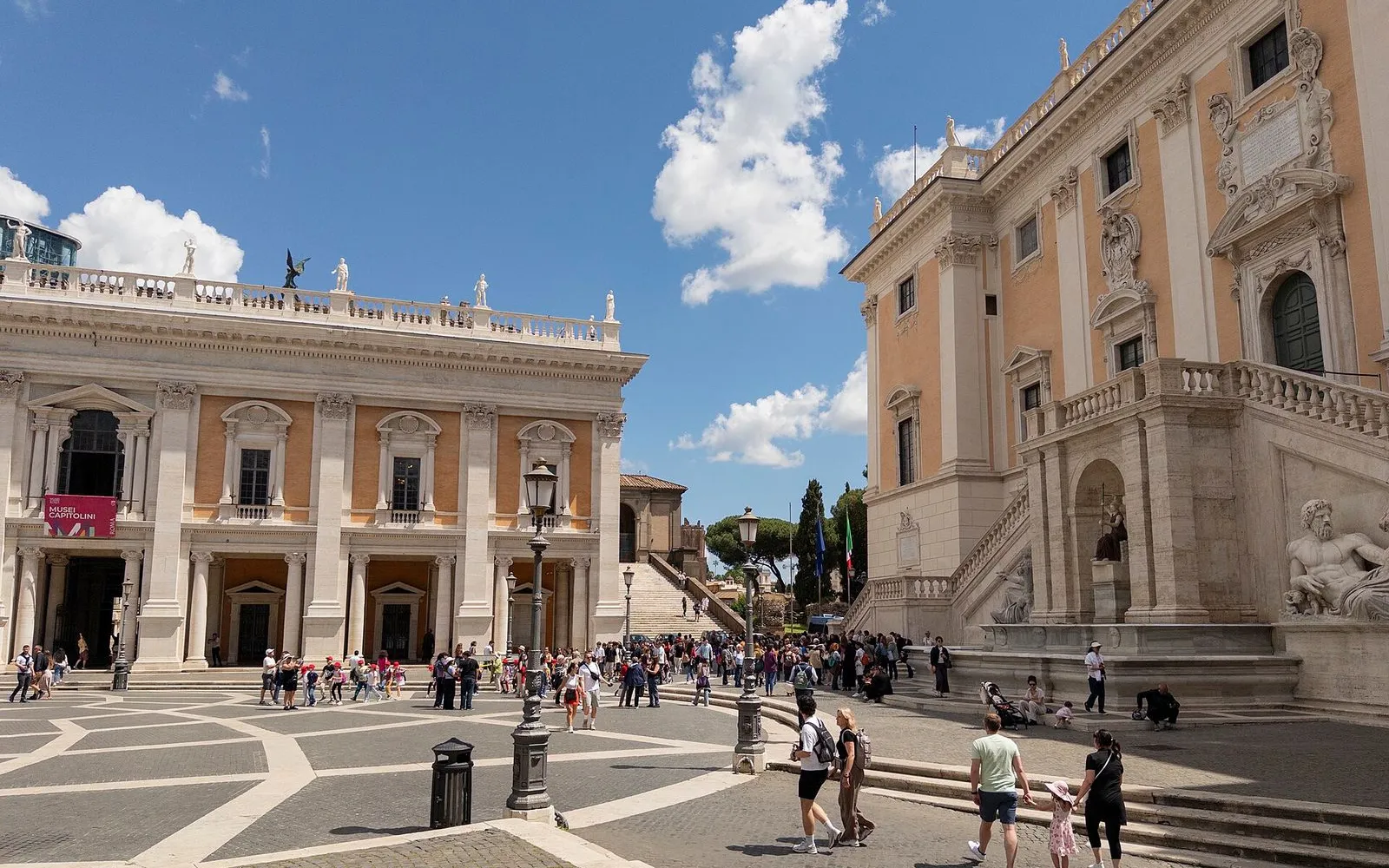
Descend from Michelangelo's perfect piazza through the ancient Jewish quarter to the oldest bridge and the island of healing.

7 stops1.3 km25+ min
From the Aventine to Testaccio: Rome's Quiet Hill and the Mountain of ShardsThe essentials

From the Aventine to Testaccio: Rome's Quiet Hill and the Mountain of Shards

A downhill walk from a secret keyhole view of St. Peter's to an ancient trash heap made of 53 million olive oil jars, ending at Rome's best street-food market.

7 stops2.2 km40+ min
The Pope's Backyard: From St. Peter's to the Bridge of AngelsThe local mix

The Pope's Backyard: From St. Peter's to the Bridge of Angels

The papal city from the street: Bernini's colonnade, Mussolini's boulevard, a secret escape route, and the angels on Hadrian's bridge.

6 stops1.9 km25+ min
Monti: Rome's First RioneThe local mix

Monti: Rome's First Rione

A 100-minute walk from the square where locals gather at sunset, through the streets where Julius Caesar grew up, to Michelangelo's Moses and a basilica ceiling that Romans say was gilded with the first gold from the Americas.

6 stops2 km30+ min

Provenance · last verified August 18, 2026

Built from the Wayside route itself: the stops, their order, and the walk between them.

Photo by Palickap on Wikimedia Commons · CC BY-SA 4.0

Photo by Nicholas Hartmann on Wikimedia Commons · CC BY-SA 4.0

Photo by Nhartmannphotos on Wikimedia Commons · CC BY-SA 4.0

Photo by Thaler Tamas on Wikimedia Commons · CC BY-SA 4.0

Photo by Wolfgang Moroder on Wikimedia Commons · CC BY-SA 3.0

Photo by Nicola since 1972 on Openverse · CC BY 2.0

Photo by Dguendel on Wikimedia Commons · CC BY 3.0

Photo by Nhartmannphotos on Wikimedia Commons · CC BY-SA 4.0

Photo by My Past from Norway on Wikimedia Commons · CC BY 2.0

Photo by Diliff on Wikimedia Commons · CC BY-SA 3.0

Photo by Vadim Zhivotovsky on Wikimedia Commons · CC BY 3.0

Coming soon

Wayside isn't in the app stores yet, but it's in the works. Check back soon.