Self-guided walking tours in Honolulu
6 walking toursHawaii, United States

Photo by Hunter Reilly on Unsplash
Honolulu climbs from a crescent of beaches into green volcanic ridges, and on foot you see how the layers stack up. Waikīkī sits on royal ground beneath its resort gloss; downtown holds the only royal palace on U.S. soil; Chinatown packs a dozen immigrant foodways into a few blocks of old brick. The neighborhoods beyond, Kakaʻako's murals and the royal graves up Nuʻuanu Valley, reward anyone willing to walk past the postcard.
- ItineraryOne day in HonoluluPalace to beach, Chinatown lunch in between: one day on foot through Honolulu's royal, rebel, and reef-side layers.
- Know before you goHonolulu practicalitiesAirport bus routes, a combined 13.25% lodging tax, the HOLO card that caps your daily fare, and why you need reef-safe sunscreen: the practical Honolulu briefing.
Tours in Honolulu
 The essentials
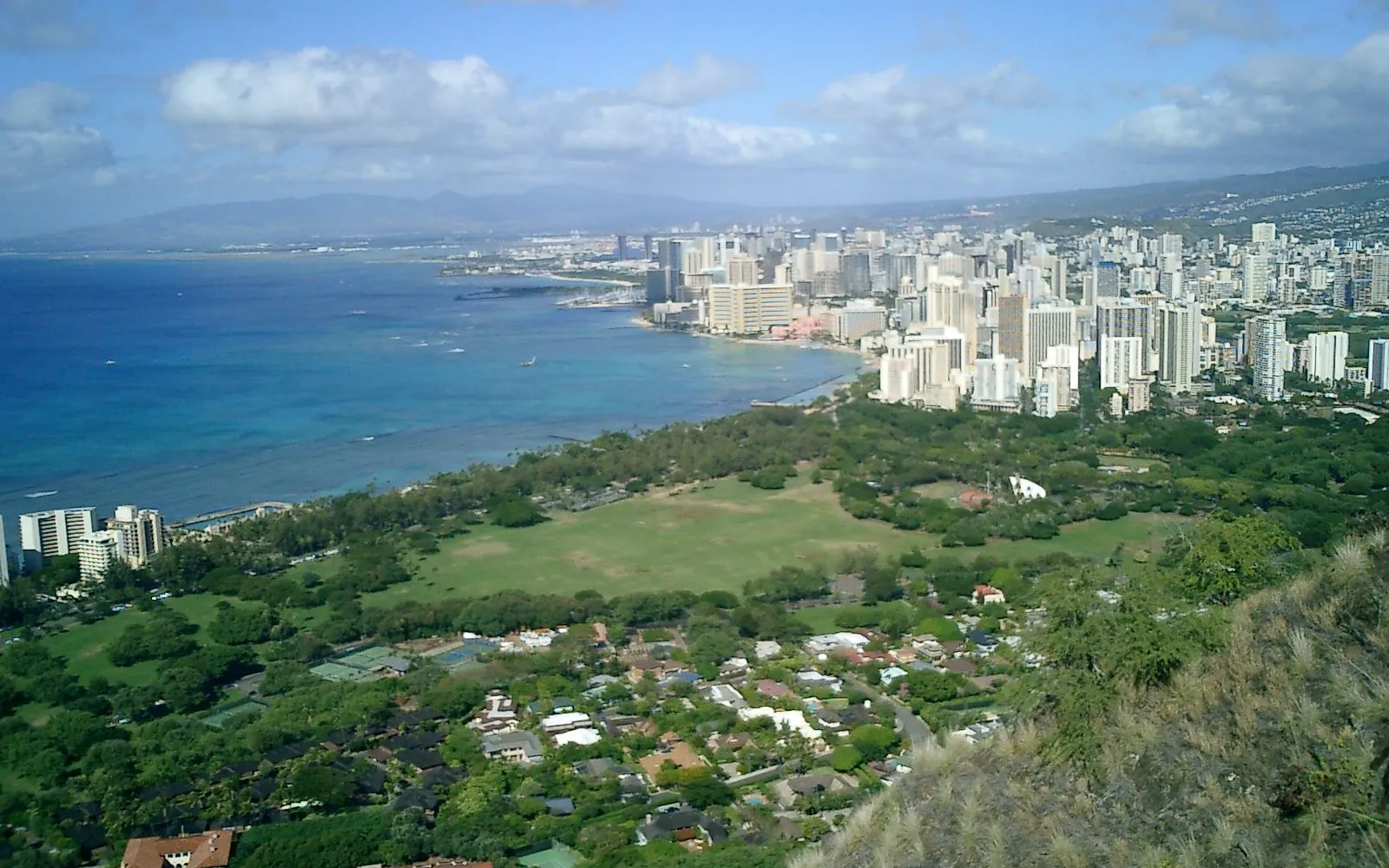
Kalākaua's Gift: A Walk Through Kapiʻolani Park
From royal banyans to a crater lighthouse, the green heart of Waikīkī a king gave his people.
 The essentials
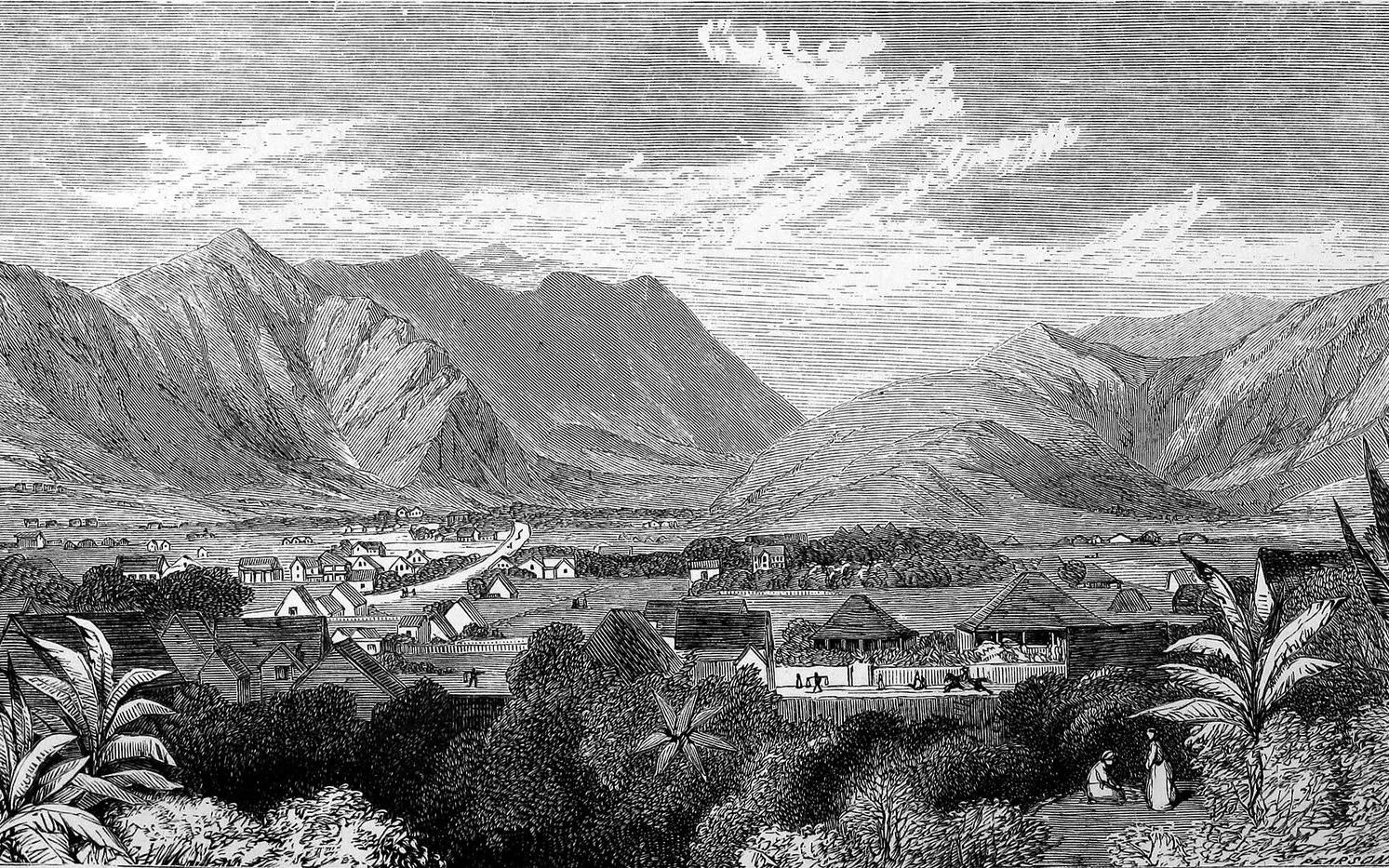
Nuʻuanu: The Valley of Kings
A walk from the foot of Nuʻuanu Valley to the royal tombs and the Pacific war cemetery inside an extinct volcano.
 The essentials
Kakaʻako's Living Gallery
A walk through Honolulu's warehouse district, where industrial walls became the city's largest canvases.
 The essentials
Where the Kingdom Fell: Honolulu's Royal Mile
Palace, overthrow, and aftermath, seven stops in under a mile, through the densest cluster of Hawaiian history anywhere.
 The essentials
Waikīkī's Royal Shore
Trace the Hawaiian ground beneath the hotels, from ancient healer stones to beaches named for princes and queens.
 The local mix
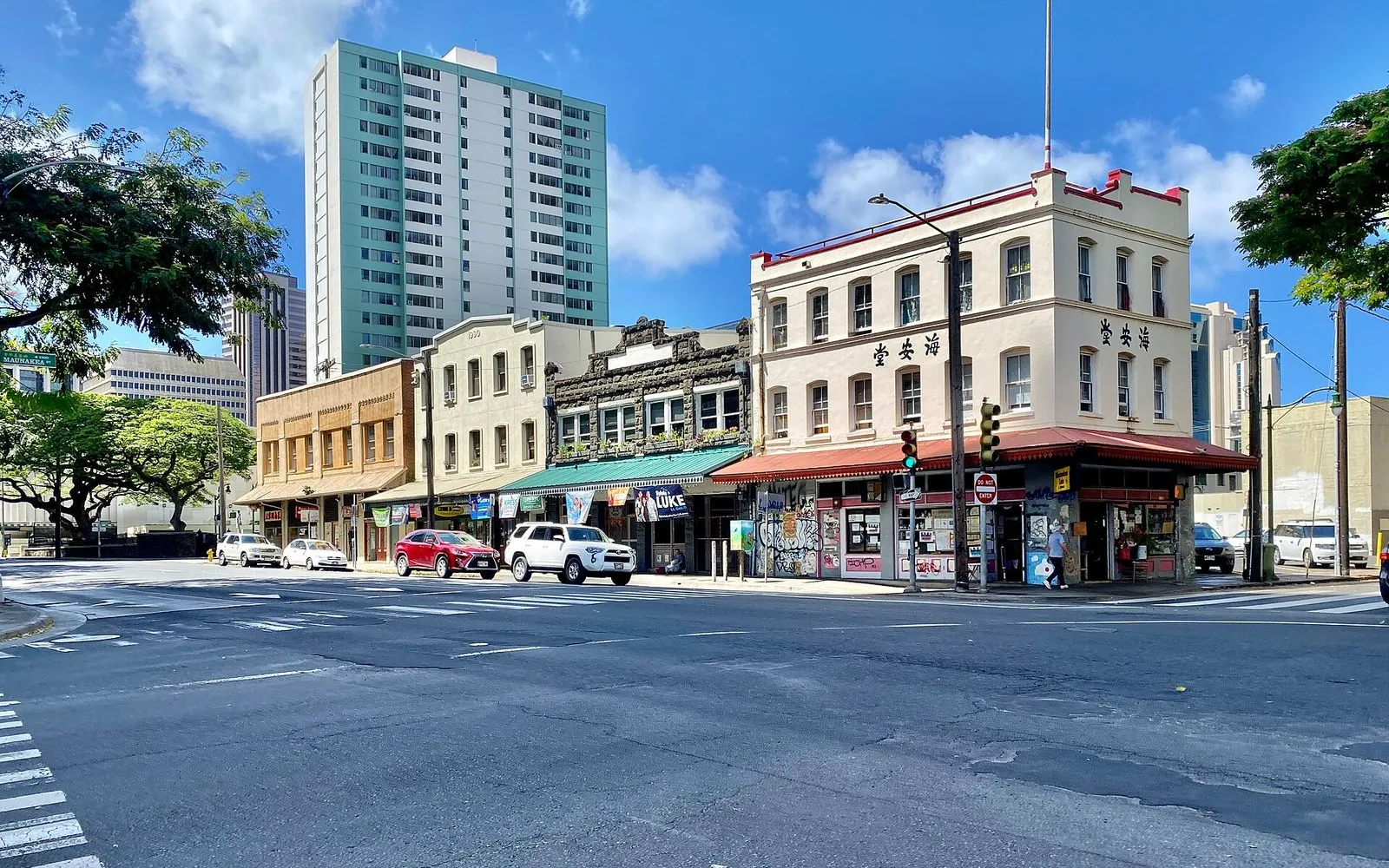
Twice Burned: Honolulu's Chinatown
A walk through narrow streets where Chinese, Japanese, Filipino, Vietnamese, and Korean cultures share the same few blocks, rebuilt from the ashes of two great fires.
What you'll see
38 stops mapped across 6 walking tours in Honolulu. A few of the places the routes take you past:
- Kapiʻolani Park
- Kapiʻolani Park Bandstand
- Honolulu Zoo
- Waikīkī Aquarium
- Waikīkī War Memorial Natatorium
- Monsarrat Avenue
- Mauna ʻAla
- Punchbowl Crater Lookout
- National Memorial Cemetery of the Pacific
- Honolulu Memorial
- Mother Waldron Park
- Cooke Street Murals
Before you go
Is Honolulu walkable?
Honolulu's downtown, Chinatown, and Waikīkī neighborhoods are all compact, flat, and easy to cover on foot. Sidewalks are wide and well-maintained. The bus fills the gaps between these districts quickly and cheaply. Beyond the urban core, a car or rideshare helps for reaching places like the North Shore or windward coast, but a car-free day in town is straightforward and pleasant.
How do I get around Honolulu without a car?
TheBus, Honolulu's public bus system, serves the entire island and costs $3.00 per ride. Buy a HOLO card at any ABC Store or 7-Eleven; load it with cash and tap on. A day pass is $7.50. Rideshare apps like Uber and Lyft operate widely, and Biki, the bike-share system, has stations across downtown and Waikīkī. For short hops, walking is often faster than driving.
SourceFlashpacking America: Waikiki to Diamond HeadWhat is the best time of year to visit Honolulu?
April to May and September to October offer the best balance of good weather, smaller crowds, and lower hotel rates. Summer (June to August) is warmest and busiest. Winter (November to March) brings bigger surf on the North Shore and more frequent rain showers in town, but temperatures stay in the high 70s. Honolulu is a year-round destination; there is no bad month, only busier and quieter ones.
How many days do I need in Honolulu?
Three to four days is the sweet spot. One day covers the downtown–Chinatown–Waikīkī core on foot. A second day lets you hike Diamond Head, snorkel Hanauma Bay, or explore Kakaʻako's murals. A third day opens up the North Shore or a drive over the Koʻolau to Kailua. You can fill a week easily, but you can see the essential Honolulu in a long weekend.
Do I need cash in Honolulu?
Most places accept credit and debit cards, including TheBus (via HOLO card). Chinatown's older food stalls and some small markets are cash-only, so carry $40 to $60 in small bills for the market stops on this itinerary. ATMs are easy to find throughout Waikīkī and downtown.
SourceWanderlustyle: Chinatown Food TourIs Honolulu safe?
Honolulu is a safe city for visitors. The neighborhoods on this itinerary (downtown, Chinatown, and Waikīkī) are well-trafficked during daylight hours. Chinatown can feel rougher after dark, particularly on the streets immediately north of Hotel Street, but during the day it is busy with shoppers and office workers. Standard urban precautions apply: keep valuables out of sight, and stay aware of your surroundings.
How do I get from Daniel K. Inouye International Airport to Waikīkī?
A rideshare from the airport to Waikīkī costs roughly $30 to $45 and takes about 20 minutes without traffic. TheBus route 20 also runs from the airport to Waikīkī for $3.00; the ride takes 45 to 60 minutes. A shared shuttle van is available at the airport for about $16 per person. Taxis are a flat rate of roughly $40 to $45.

Walk Honolulu
Get the audio guide in the app.
Get the app for turn-by-turn directions, offline maps, and the stories behind every stop on this route.
More cities in the United States
Provenance · last verified August 18, 2026
Built from the Wayside walking tours in this city and the stops they cover.
Photo by Hunter Reilly on Unsplash
Photo by kajikawa on Wikimedia Commons · CC BY 3.0
Photo by George Pearson / George Henry Burgess on Wikimedia Commons · Public domain
Photo by jijake1977 on Openverse · CC BY 2.0
Photo by Brandon Karaca on Unsplash
Photo by Alexandra Nelson on Unsplash
Photo by w_lemay on Wikimedia Commons · CC BY-SA 2.0