 Must see
Photo by Daniel Ramirez from Honolulu, USA on Wikimedia Commons
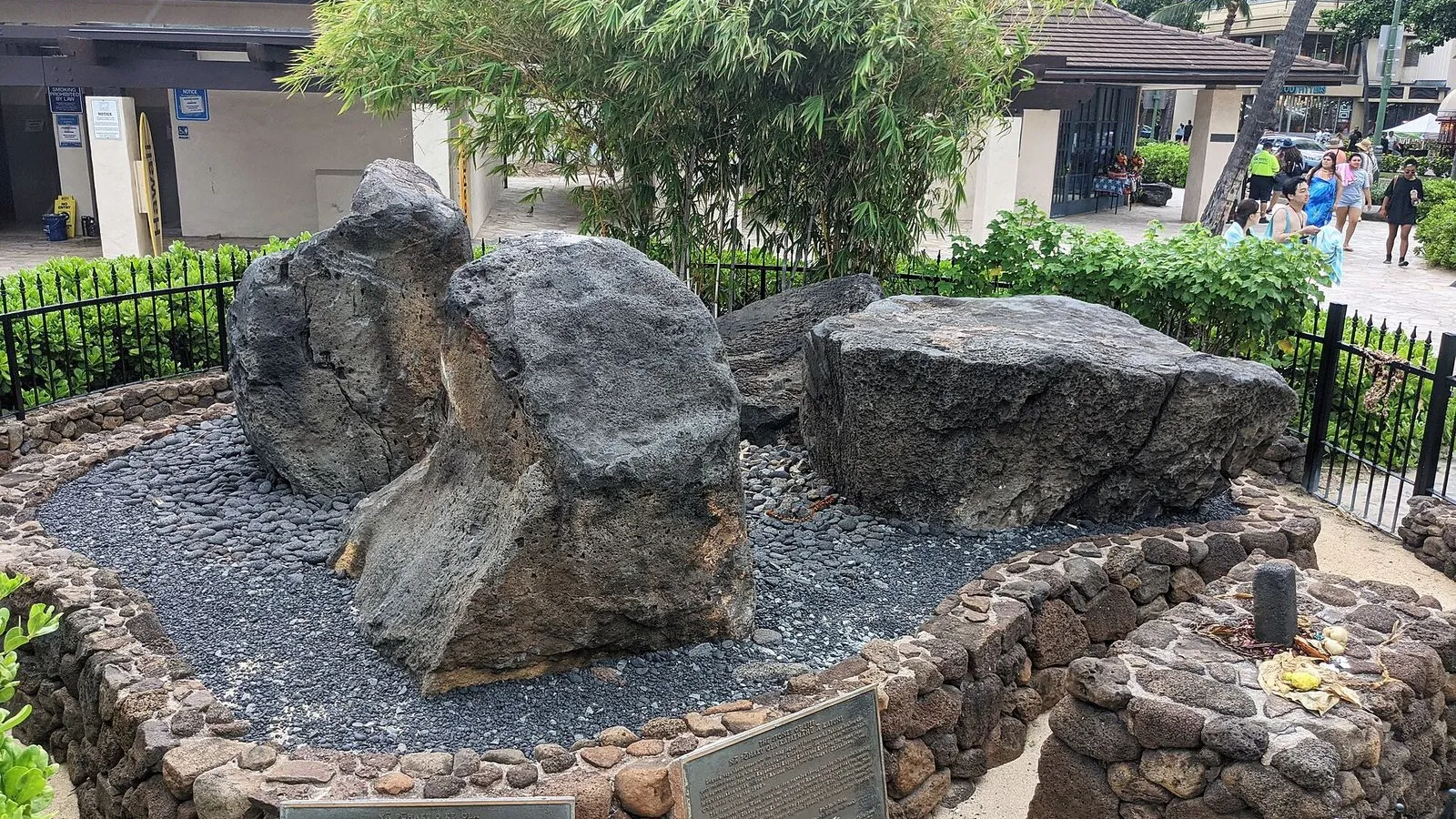
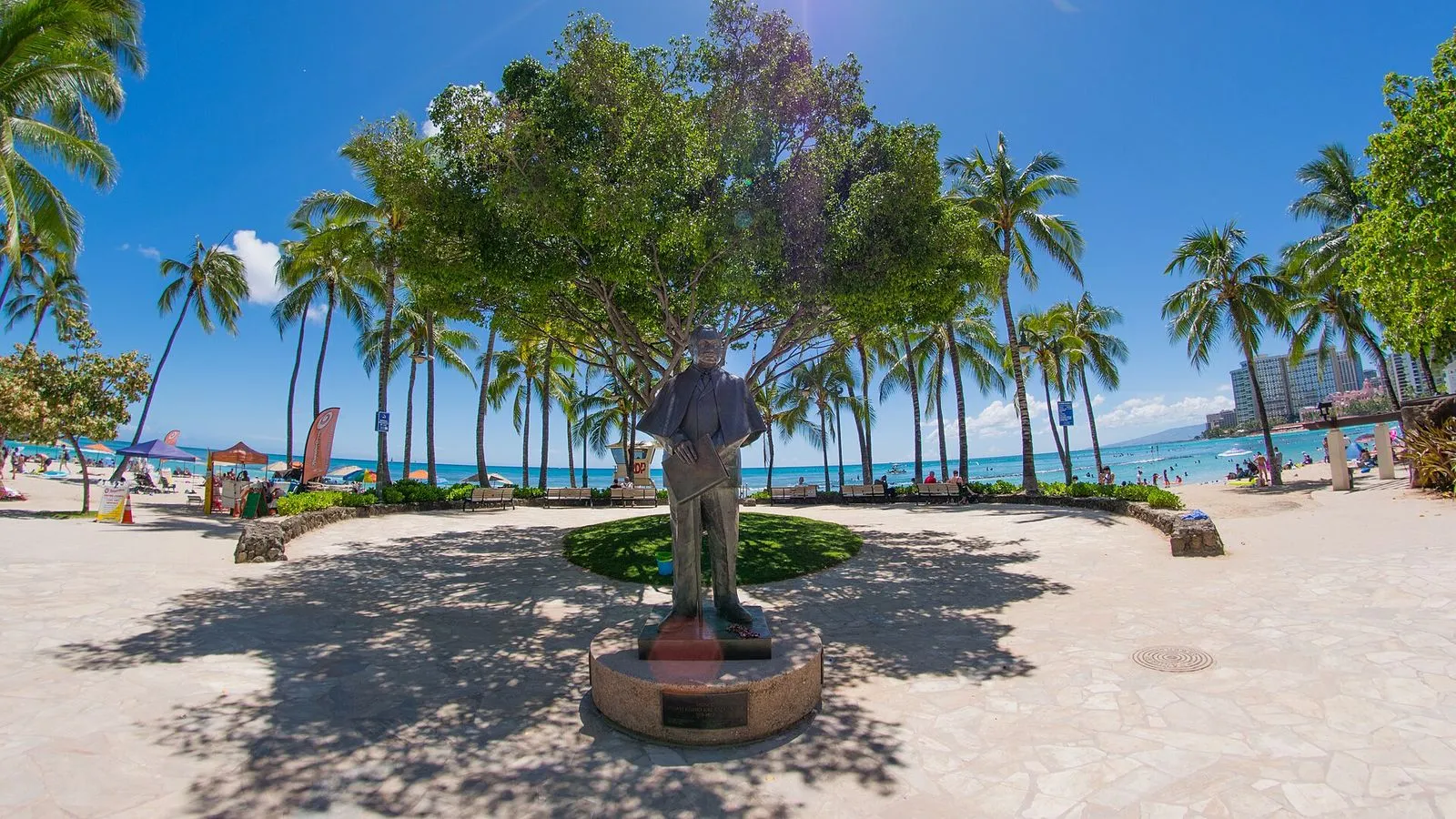
Kūhiō Beach and the Prince Kūhiō Statue
The beach named for Prince Jonah Kūhiō Kalanianaʻole, who opened his private shoreline to the public in 1918. His statue stands where his home, Pualeilani, once looked out over the water.
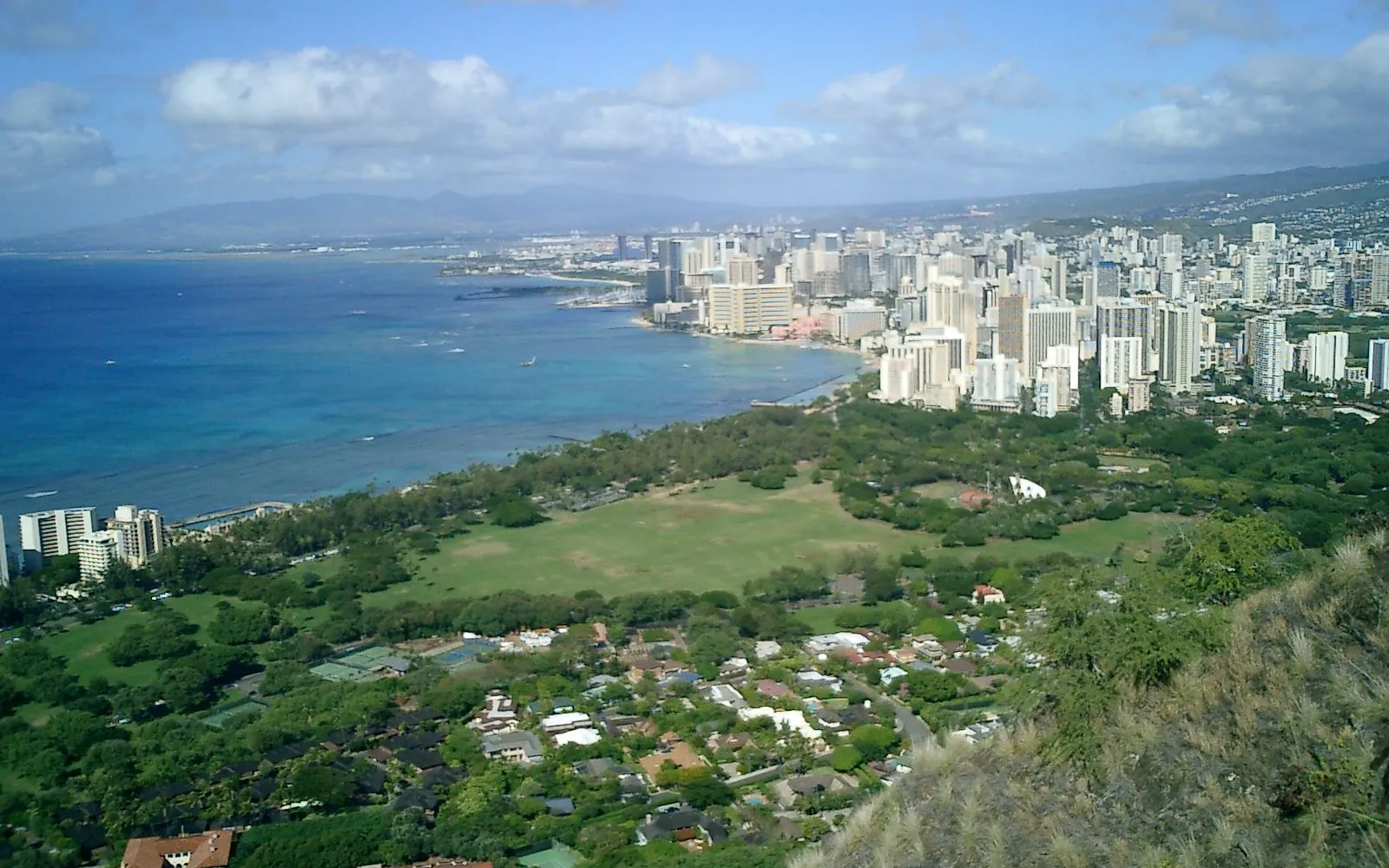
You're standing at the eastern end of Waikīkī, on a stretch of sand that was once the front yard of a prince. Jonah Kūhiō Kalanianaʻole was born on Kauaʻi in 1871, adopted by King Kalākaua and Queen Kapiʻolani, and given the title of prince. After the monarchy fell in 1893, Kūhiō joined an armed attempt to restore Queen Liliʻuokalani to the throne. He served a year in prison for it.
Then, remarkably, he was elected Hawaiʻi's delegate to Congress, where he served for twenty years and secured the Hawaiian Homes Commission Act, which returned 200,000 acres to Native Hawaiians for homesteading. But the reason you're standing on this particular sand is simpler. In 1918, Prince Kūhiō took down the high wooden fence around his home, Pualeilani, and opened his private beach to everyone. He died in that house four years later, and the property was given to the city.
Kūhiō Beach Park was dedicated in 1940. The bronze statue of the prince, by sculptor Sean Browne, went up in 2001. He faces the water he gave away. Take a minute to look at the beach itself.
Before 1951, this end of the shore was called Stonewall, for the vertical seawall that held up Kalākaua Avenue. The shallow reef just offshore made it a natural wading pool, and the water here is still the gentlest along the whole Waikīkī strand. That's why the surf schools set up here.