Honolulu · Self-guided audio walk

Kalākaua's Gift: A Walk Through Kapiʻolani Park

From royal banyans to a crater lighthouse, the green heart of Waikīkī a king gave his people.

  • 6Stops
  • 2 kmDistance
  • 35+ minTime
Kalākaua's Gift: A Walk Through Kapiʻolani Park

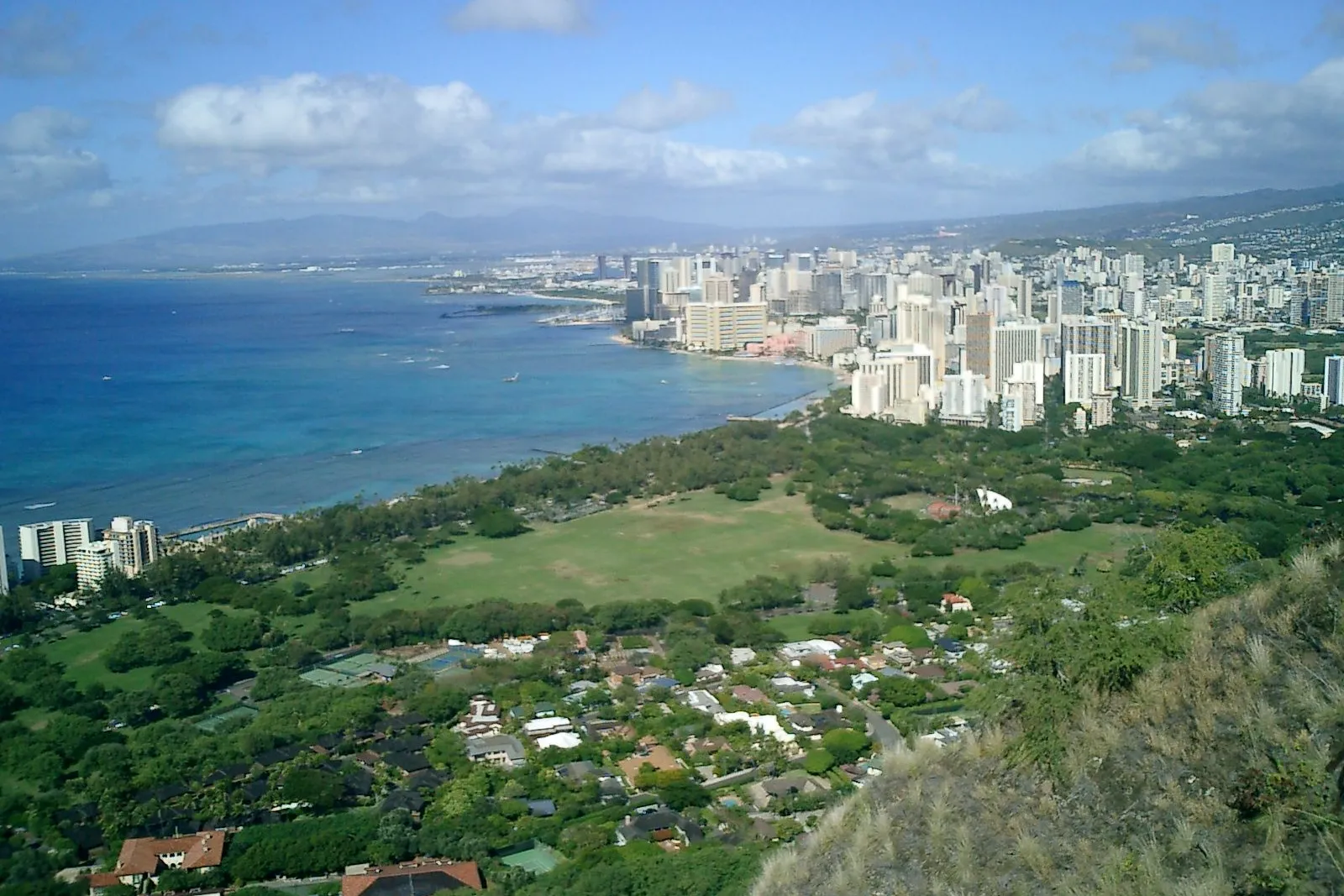
Photo by kajikawa on Wikimedia Commons

King Kalākaua set aside this sweep of flatland below Lēʻahi in 1877, a place of fresh air and horse races for the people of Hawaiʻi. This walk crosses it end to end: under monkeypod canopies, past the bandstand and the zoo the king's own bird collection seeded, along the shoreline where the aquarium and the old saltwater natatorium face the reef, up the flank of the crater to the lighthouse, and back along Monsarrat Avenue, the neighborhood's own lunch-counter strip. It takes about two hours and twenty minutes at an easy pace, with shade and sea breeze most of the way.

Hear it on the street

Get the turn-by-turn audio guide in the app. The narration plays itself as you reach each stop, hands-free and offline.

Stop by stop

The route

Interactive map of the route. The full stop list below works without it.

Kapiʻolani ParkMust see

Photo by Syced on Wikimedia Commons

Kapiʻolani Park

0:00

The oldest public park in Hawaiʻi, given by King Kalākaua in 1877, a wide green plain under the gaze of Lēʻahi.

You're standing in Kapiʻolani Park, on the flat plain at the foot of Lēʻahi, the volcanic cone the British named Diamond Head. King David Kalākaua dedicated this land to the people of Hawaiʻi on June 11, 1877, Kamehameha Day. It was the kingdom's first public park, and the day began with horse races on an oval track that once ran through here. Kalākaua loved the ponies, and he wanted a dry course where winter rains wouldn't cancel the card.

Look up. The wide, umbrella-shaped canopies above you are monkeypod trees, planted in the park's early decades. Their wood came from South America. The thick, ropy trunks belong to banyans, which drop aerial roots that thicken into new trunks over time.

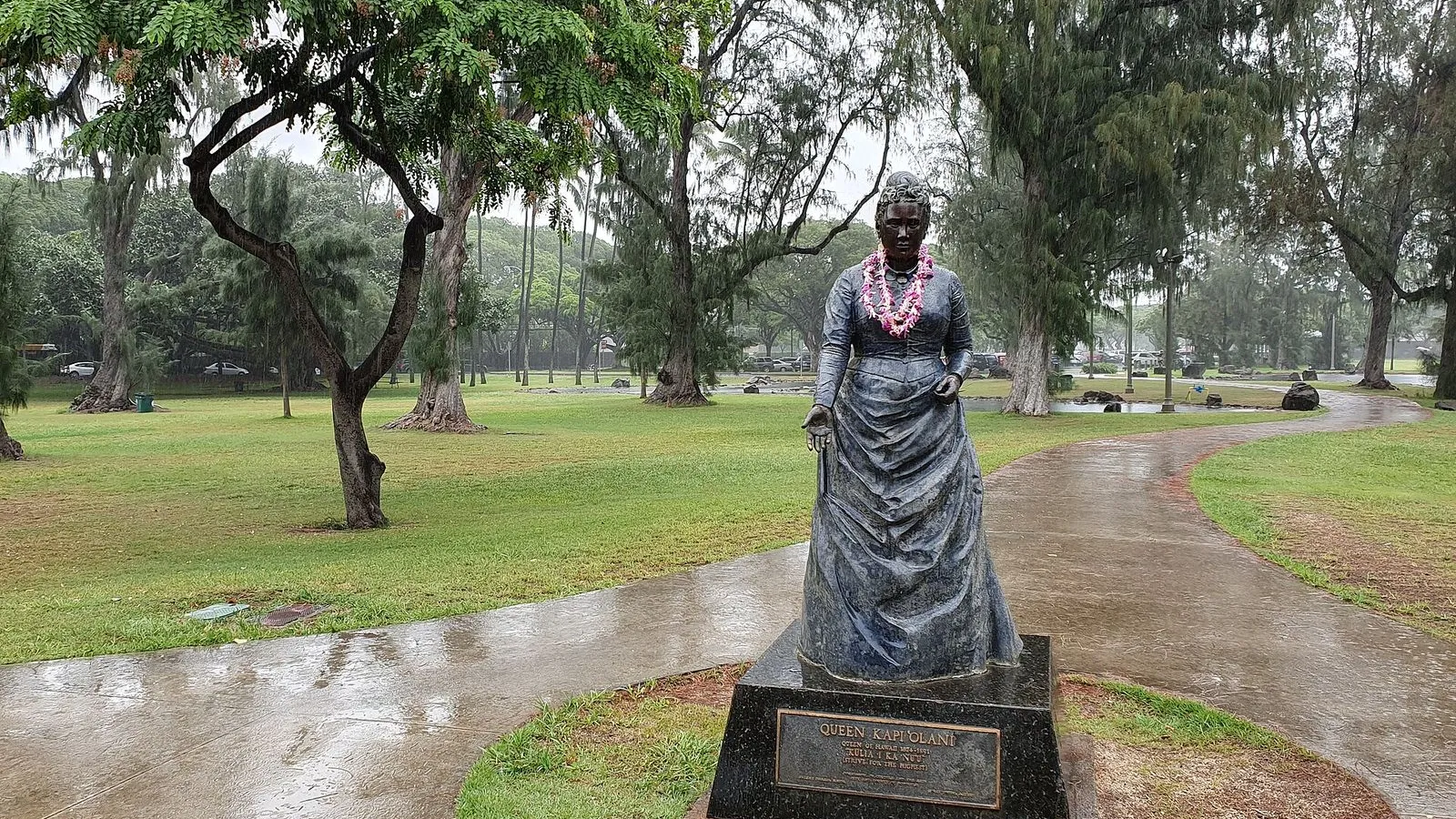
A single banyan can spread wider than a city block. The queen the park is named for, Kapiʻolani, was Kalākaua's wife. Her motto was 'Kūlia i ka nuʻu,' strive for the highest. A bronze statue of her stands near the bandstand, which is your next stop.

Walk toward Kalākaua Avenue, keeping the mountain on your left.
≈1 min walk to the next stop
Kapiʻolani Park BandstandMust see

Photo by Daniel Ramirez from Honolulu, USA on Wikimedia Commons

Kapiʻolani Park Bandstand

0:00

A white octagonal bandstand from the early 1900s, still hosting Royal Hawaiian Band concerts on Sunday afternoons.

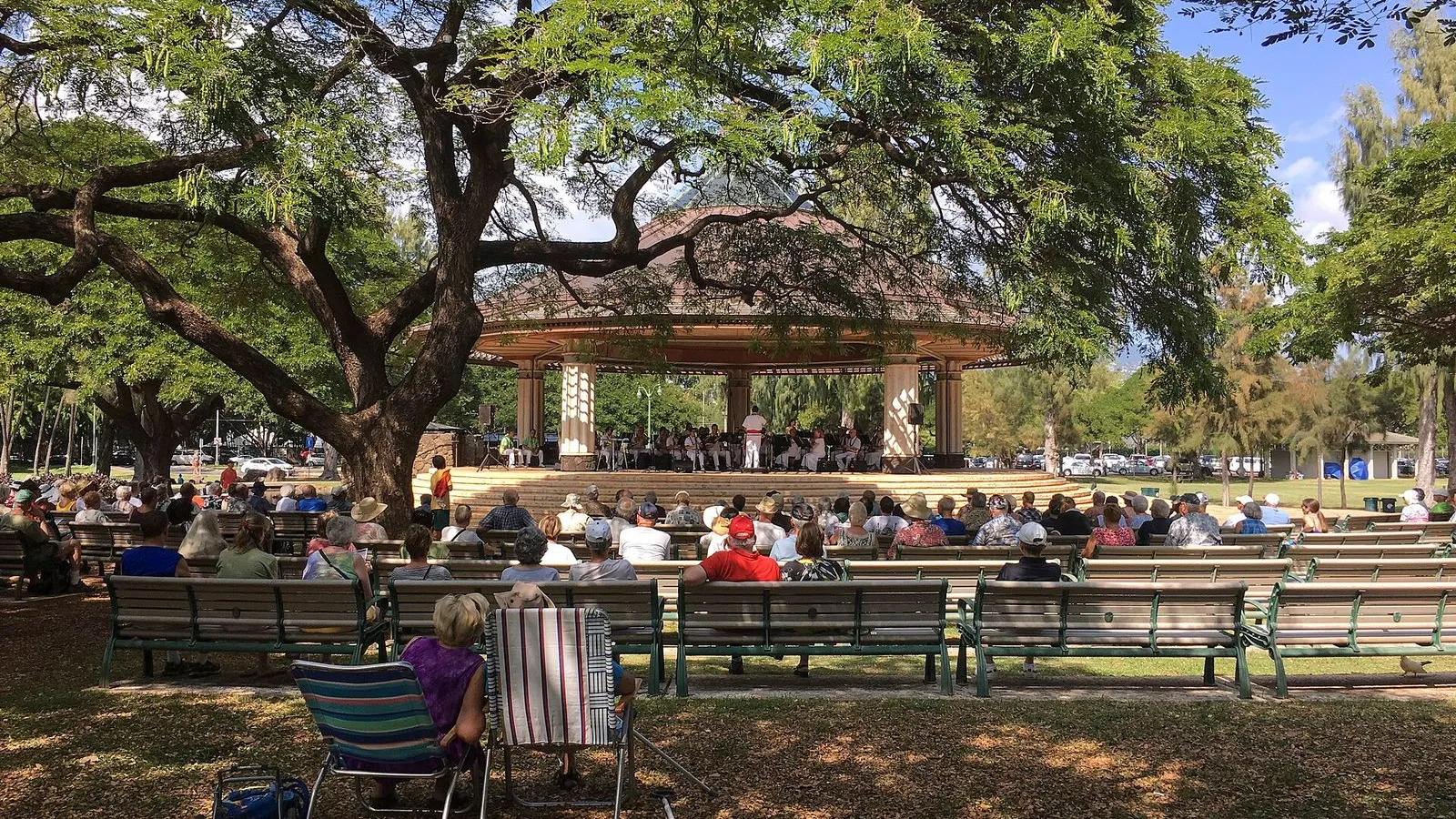
This white octagonal bandstand has been here since the early 1900s. It was built during a wave of park-bandstand construction across the United States, when a Sunday concert in the park was still a neighborhood's main event. The Royal Hawaiian Band, founded in 1836 by King Kamehameha III, still plays here on Sunday afternoons. If you hear brass drifting across the lawn, you've timed it right.

The bandstand sits near the park's western edge, close to where the old horse-racing oval used to turn. In the 1880s you'd have heard hoofbeats and the crack of the starting pistol from this spot. Today it's joggers and picnickers and the occasional wedding. Behind you, across Kalākaua Avenue, Waikīkī's hotel strip rises, a world away from the park Kalākaua imagined.

The bronze statue of Queen Kapiʻolani stands a short walk east of here. When you're ready, head toward the mountain side of the park, where the zoo entrance waits under its own monkeypod canopy.

≈3 min walk to the next stop
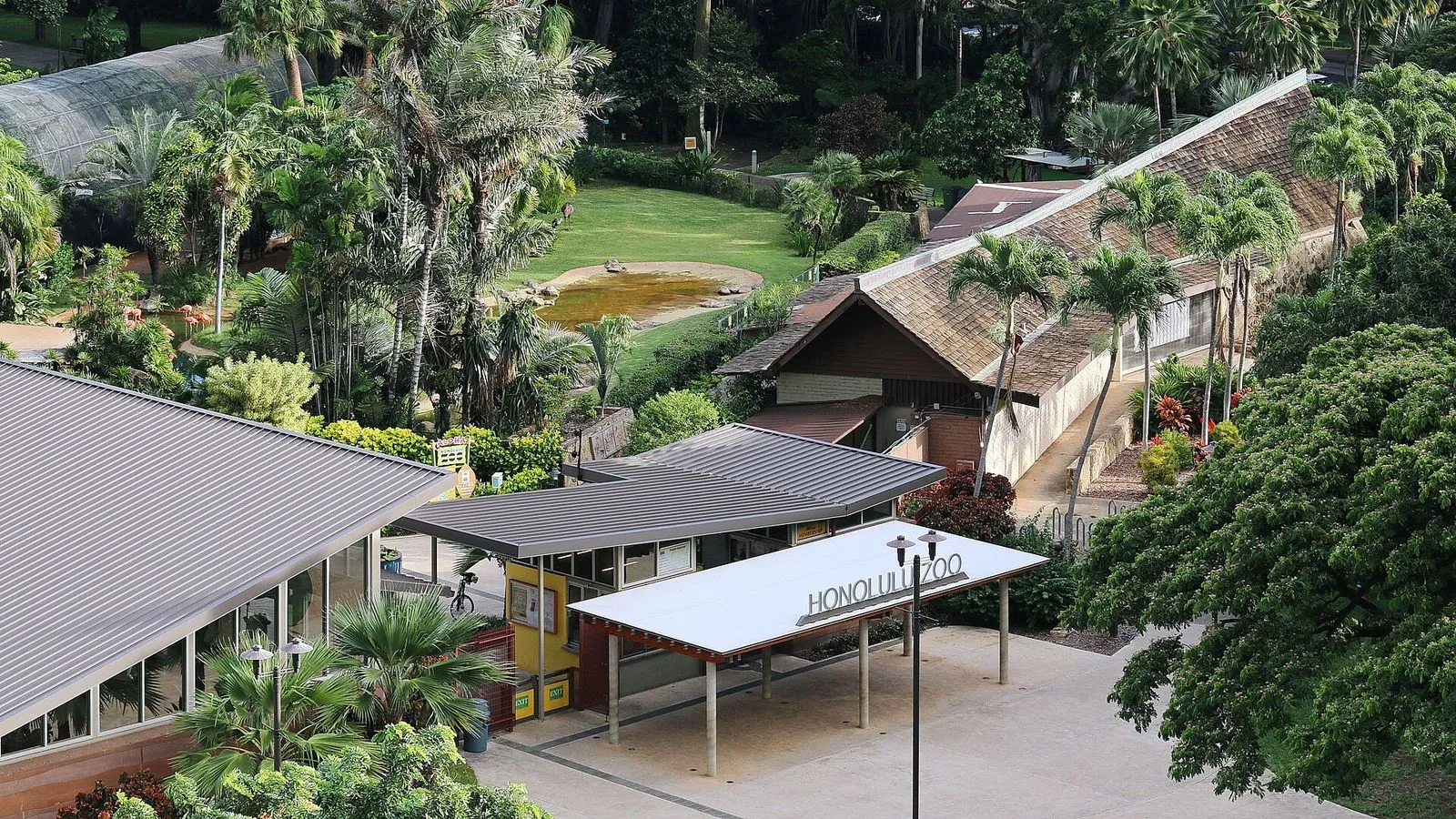
Honolulu ZooMust see

Photo by Robert Linsdell from St. Andrews, Canada on Wikimedia Commons

Honolulu Zoo

0:00

The only American zoo born from a monarch's grant, tracing its roots to King Kalākaua's private bird collection.

The Honolulu Zoo is the only zoo in the United States that began with a king's gift. Kalākaua kept his private collection of exotic birds here on the royal grounds. After his death in 1891, the birds stayed. In 1914 the city's first park director, Ben Hollinger, started adding animals: a monkey, a sun bear, and in 1916 an African elephant named Daisy, bought off a steamship passing through from Australia.

Daisy lived here until 1933 and became the zoo's first celebrity. The zoo was officially established in 1947 on forty-two acres of the park. Today its exhibits are arranged by tropical zone: an African savanna, an Asian and American tropical forest, and a Pacific Islands section with native Hawaiian species. The entrance you're facing, on Kapahulu Avenue, was rebuilt in the 1990s with lava-rock walls and the deep shade of monkeypod trees.

You don't need to go inside unless you'd like to. Our walk continues along the park's ocean side. Follow the path toward the shoreline; the aquarium is about ten minutes on foot.

≈11 min walk to the next stop
Free preview ends here · stops 4 to 6 continue in the app

Waikīkī Aquarium

The second-oldest public aquarium in the United States, open since 1904 beside the reef at Kapiʻolani Park.

in app

Waikīkī War Memorial Natatorium

A Beaux-Arts saltwater pool built into the sea as a living memorial to Hawaiʻi's World War I veterans.

in app

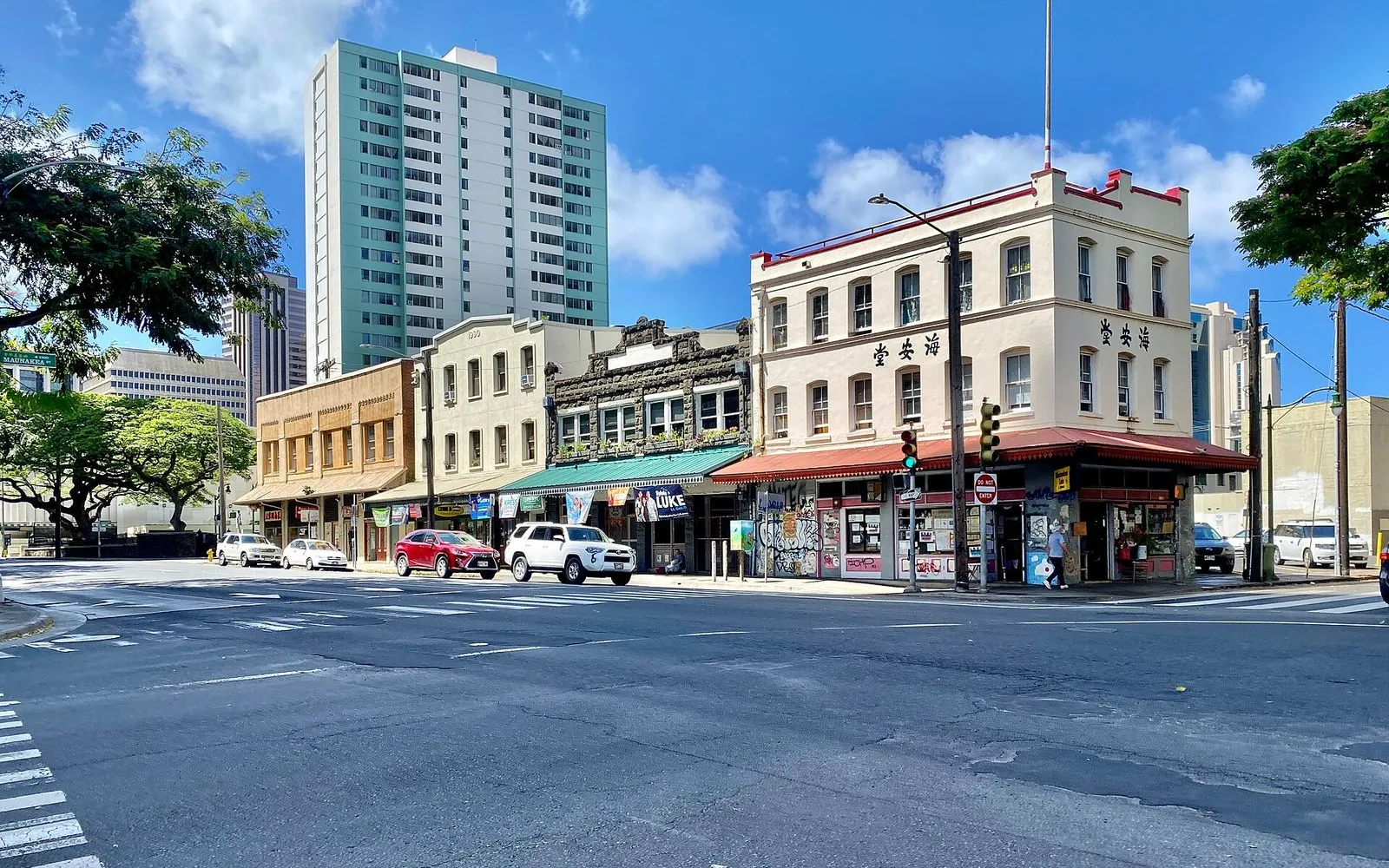
Monsarrat Avenue

The neighborhood main street above the park, lined with plate-lunch counters, bakeries, and the cafés locals actually eat at.

in app
Good to know

Before you go

Is Kapiʻolani Park walk suitable for a hot day?

Yes, unusually so. Much of the park is shaded by monkeypod and banyan trees, and the sea breeze off the reef keeps the temperature down. The section along the shoreline (past the Aquarium and the Natatorium) has less shade, so wear a hat and carry water for that stretch.

Can I go inside the Waikīkī War Memorial Natatorium?

No. The Natatorium has been closed to the public since 1979 due to structural deterioration. You can view the Beaux-Arts façade and the saltwater pool from the outside. The memorial arch and the story it carries are visible from the sidewalk on Kalākaua Avenue.

Provenance · last verified August 21, 2026

Built from the Wayside route itself: the stops, their order, and the walk between them.

Photo by kajikawa on Wikimedia Commons · CC BY 3.0

Photo by Syced on Wikimedia Commons · CC0

Photo by Daniel Ramirez from Honolulu, USA on Wikimedia Commons · CC BY 2.0

Photo by Robert Linsdell from St. Andrews, Canada on Wikimedia Commons · CC BY 2.0

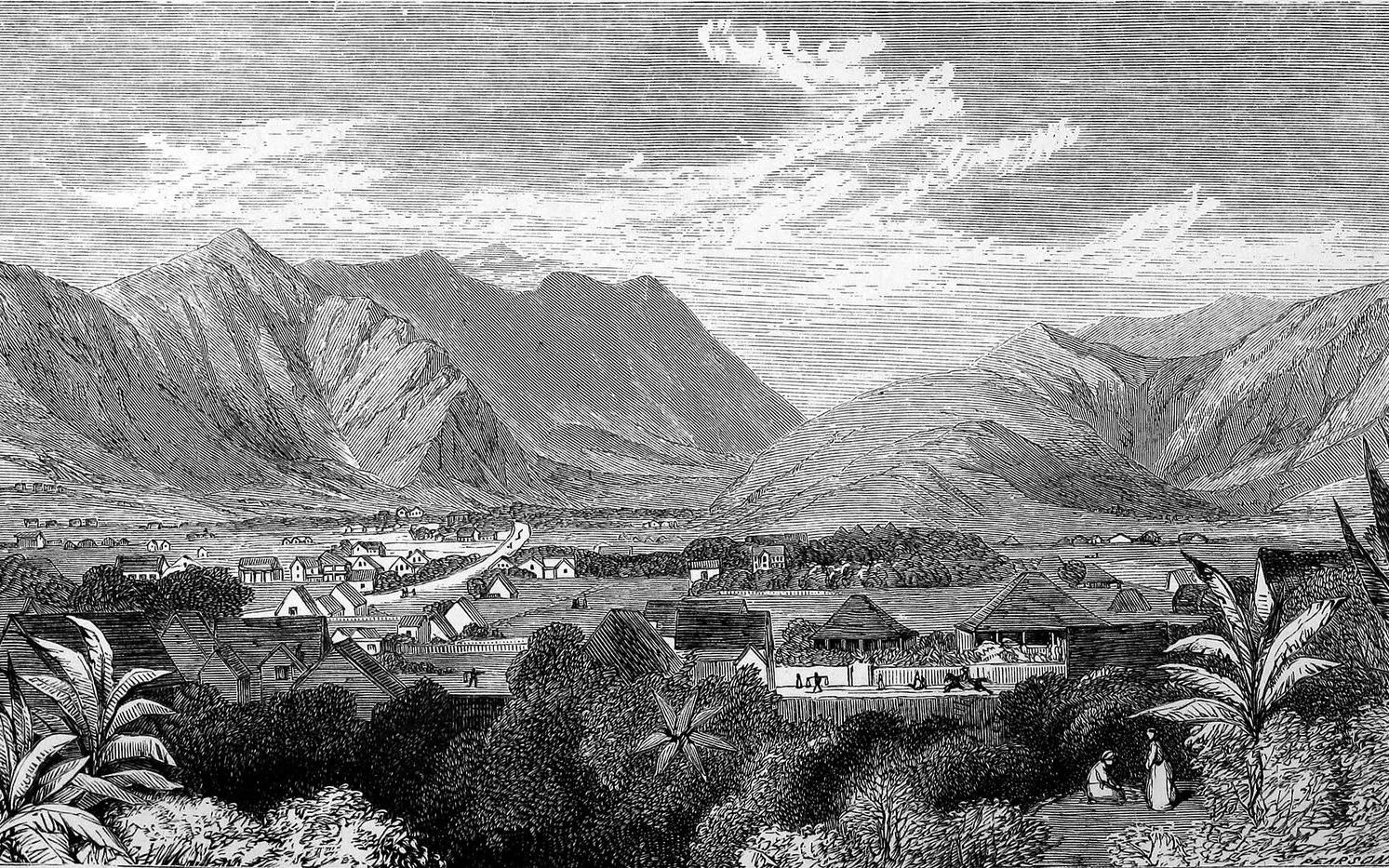
Photo by George Pearson / George Henry Burgess on Wikimedia Commons · Public domain

Photo by jijake1977 on Openverse · CC BY 2.0

Photo by Brandon Karaca on Unsplash

Photo by Alexandra Nelson on Unsplash

Photo by w_lemay on Wikimedia Commons · CC BY-SA 2.0

Coming soon

Wayside isn't in the app stores yet, but it's in the works. Check back soon.