Chicago · Self-guided audio walk

The Black Metropolis

A walk through Bronzeville, where the Great Migration built a city within a city.

  • 6Stops
  • 3.6 kmDistance
  • 50+ minTime
The Black Metropolis

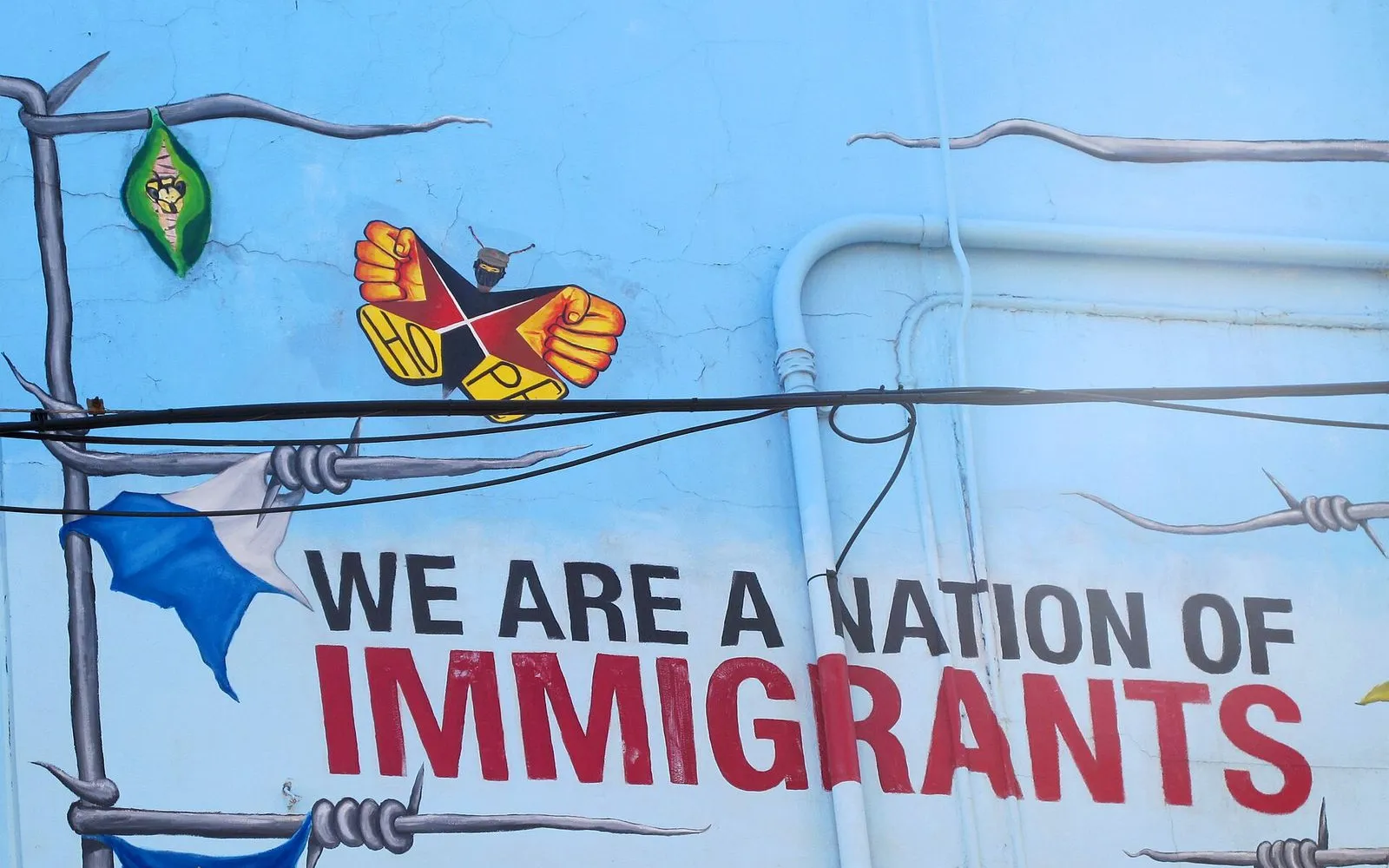
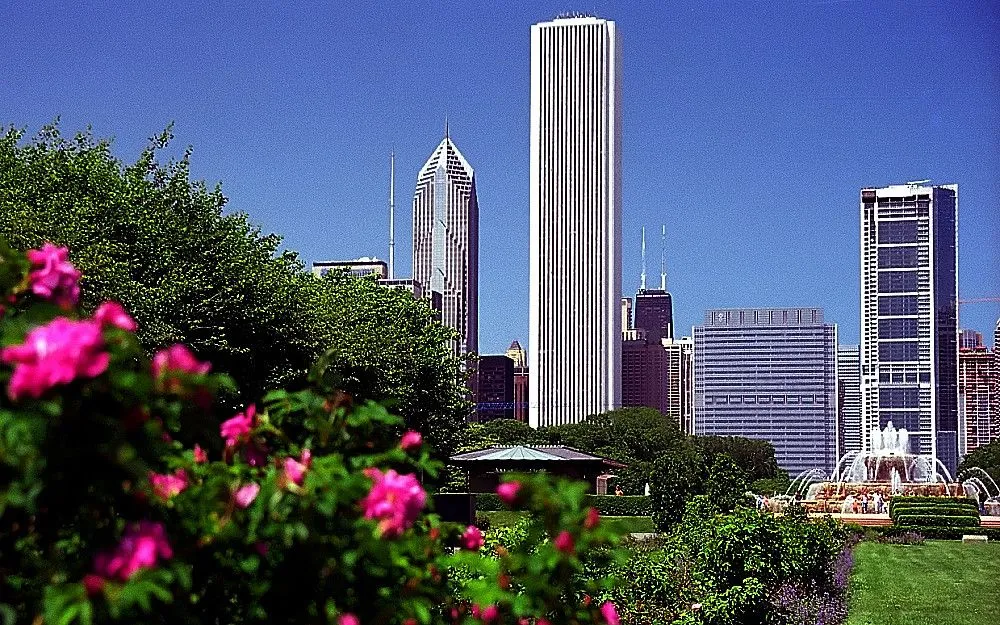
Photo by artistmac on Openverse

Between the First World War and the 1970s, Bronzeville was the capital of Black Chicago. The Great Migration brought hundreds of thousands of people north, and restrictive covenants across the rest of the city forced them into a narrow South Side corridor. What they built there was a self-contained metropolis: Black-owned banks, newspapers, cosmetics firms, insurance companies, and a music scene that gave the world gospel and shaped jazz.

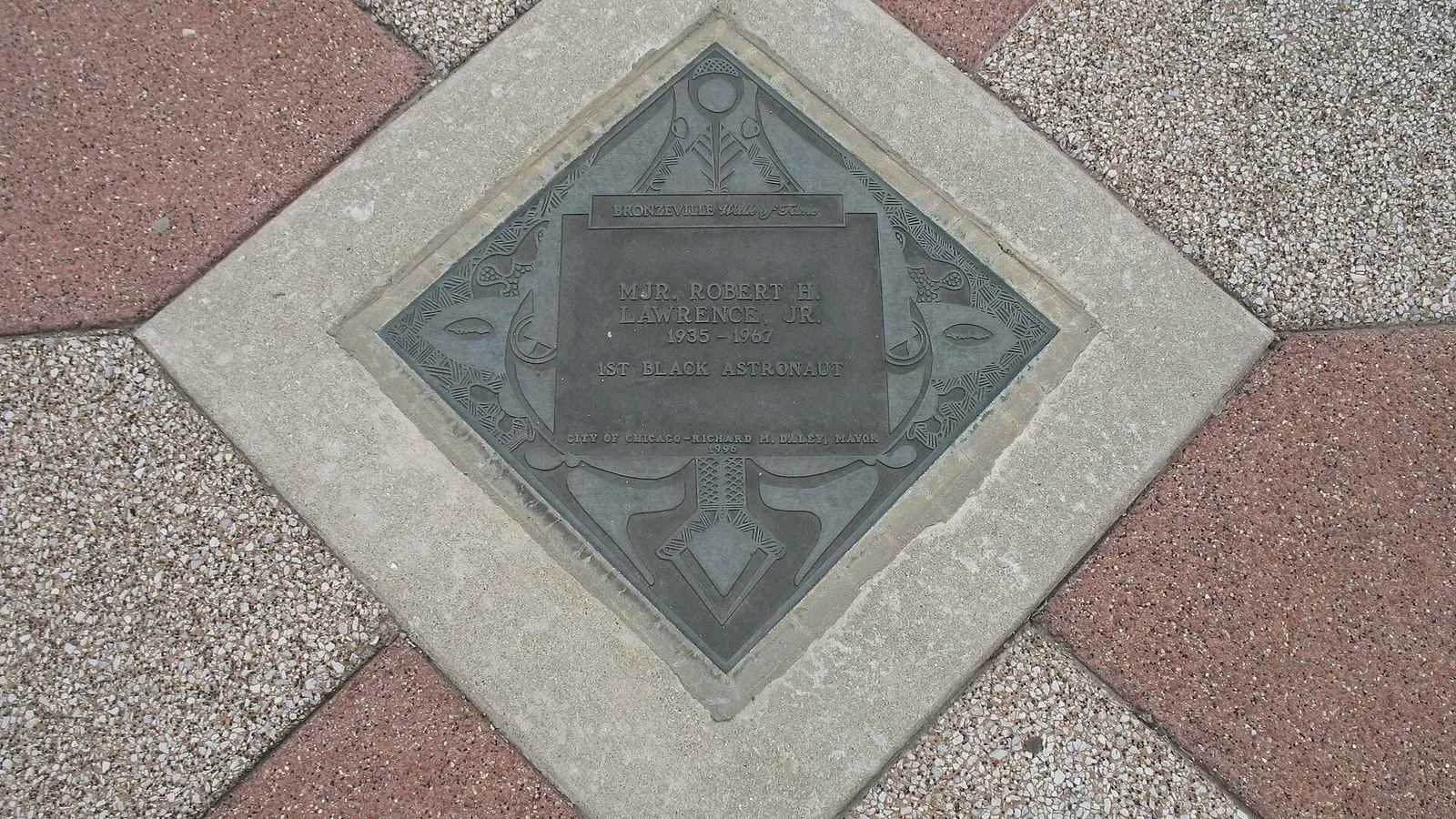
This walk visits six sites that tell that story. You start at the Victory Monument on King Drive, a memorial to the all-Black Eighth Regiment that fought in France. From there you trace the business empire of Anthony Overton, who built the Chicago Bee Building and the Overton Hygienic Building within a few years of each other. The Eighth Regiment Armory, the first in the nation built for Black troops, hosted the first National Negro Congress in 1936. Pilgrim Baptist Church, an Adler and Sullivan design, was the birthplace of modern gospel music under Thomas A. Dorsey. You finish along the Bronzeville Walk of Fame, where bronze plaques set into the sidewalk honor the artists, writers, athletes, and activists who came out of this neighborhood.

Allow about two hours. The walk is flat, the blocks are long, and the history is deep.

Hear it on the street

Get the turn-by-turn audio guide in the app. The narration plays itself as you reach each stop, hands-free and offline.

Stop by stop

The route

Interactive map of the route. The full stop list below works without it.

Victory MonumentMust see

Photo by TonyTheTiger on Wikimedia Commons

Victory Monument

0:00

A granite shaft and bronze doughboy honor the all-Black Eighth Regiment that fought with the French in World War I.

You are standing at the corner of 35th Street and King Drive, in front of a white granite monument topped with a bronze infantryman. This is the Victory Monument, dedicated in 1928. It honors the Eighth Regiment of the Illinois National Guard, an all-Black unit that served in France during World War I as part of the 370th U.S. Infantry.

Because the U.S. Army would not let Black soldiers fight alongside white ones, the regiment was attached to the French army instead, though they wore American uniforms. They were the last regiment pursuing retreating German forces in the Aisne-Marne region just before the armistice. Walk around the shaft.

The three bronze relief panels show a woman holding a victory branch, a draped figure named Columbia with a tablet of battle names, and a bare-chested Black soldier standing beside an eagle. On the back, a bronze plaque carries the names of 137 men from the Eighth who did not come home. An annual Memorial Day ceremony is still held here.
≈13 min walk to the next stop
Chicago Bee BuildingLocal pick

Photo by User:TonyTheTiger on Wikimedia Commons

Chicago Bee Building

0:00

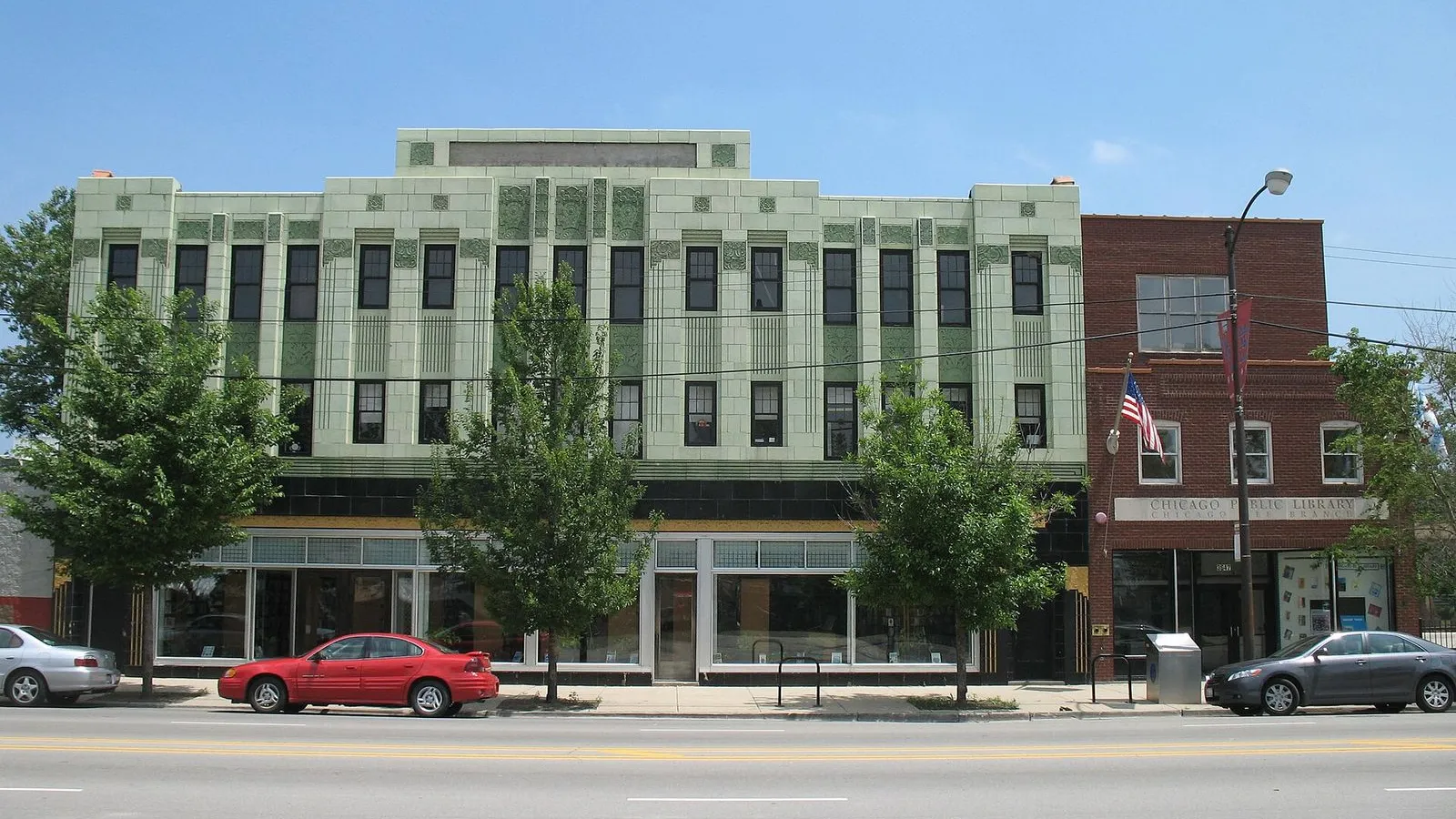
An Art Deco landmark that housed a Black-owned newspaper and is now a public library branch.

This long, low Art Deco building at 3647 South State Street opened in 1931 as the headquarters of the Chicago Bee, a newspaper founded by the entrepreneur Anthony Overton. Overton had already made his fortune in cosmetics and banking, and he meant this building to be a symbol of what Black enterprise could achieve. The Bee never caught the Chicago Defender, its larger rival, but it reached about fifty thousand readers at its peak in the mid-1930s. One of its editors, James Gentry, is credited with coining the name Bronzeville for this neighborhood.

Inside, the building also housed Overton's Douglass National Bank, the first nationally chartered bank owned by African Americans, as well as his cosmetics firm and upper-floor apartments. The newspaper folded in the 1940s after Overton's death. The building fell quiet for decades. In the 1990s the city bought it and turned it into a Chicago Public Library branch.

Step inside and you can still feel the ambition of the place in its terrazzo floors and brass details.

≈1 min walk to the next stop
Overton Hygienic BuildingLocal pick

Photo by Andrew Jameson on Wikimedia Commons

Overton Hygienic Building

0:00

Anthony Overton's first headquarters, home to a cosmetics empire, a bank, and an insurance company under one roof.

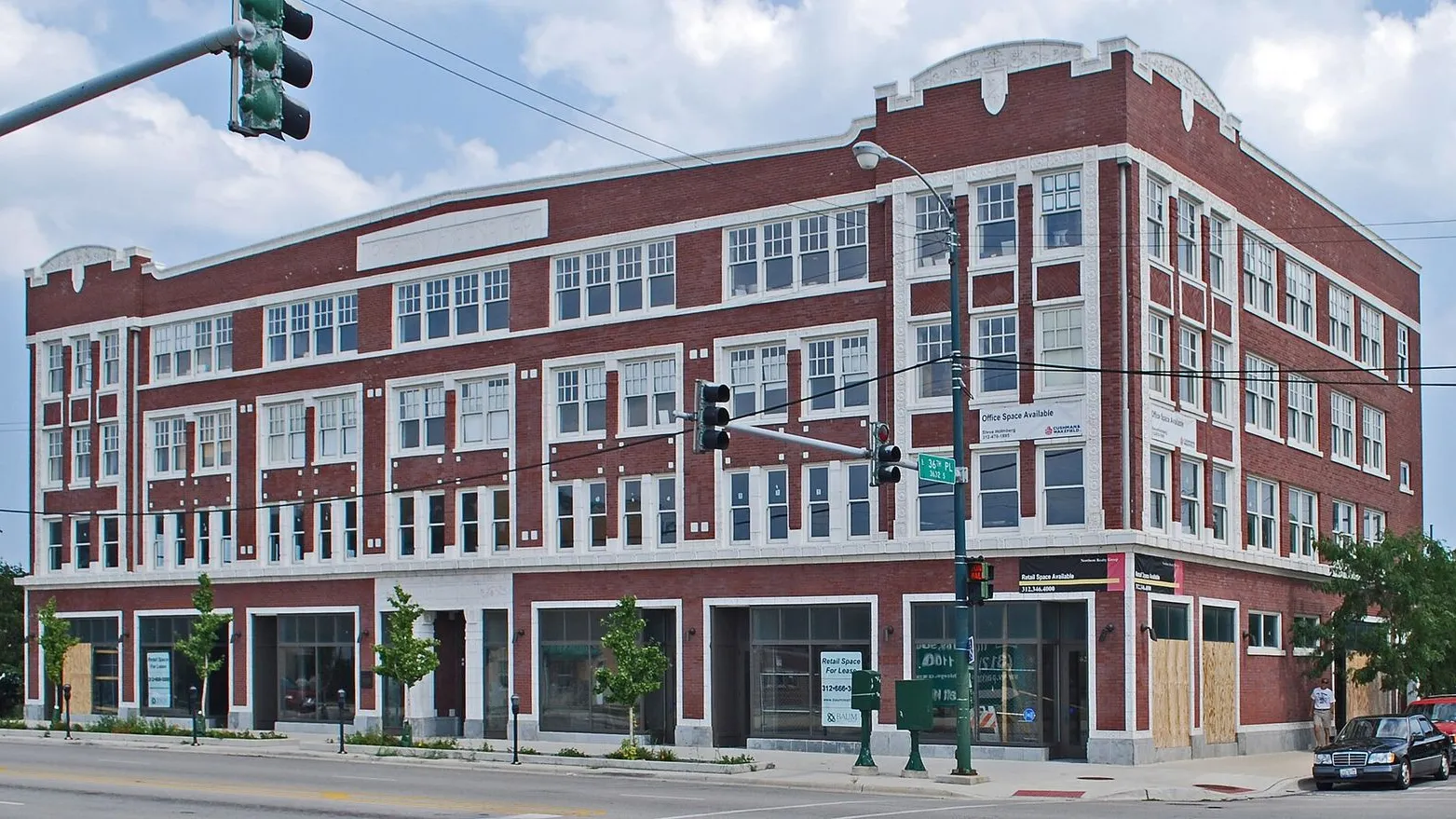
You are looking at a four-story building of yellow-brown brick and white terra cotta trim at 3619 South State Street. Anthony Overton commissioned it in 1922, seven years before he built the Chicago Bee Building a block south. Overton was born into slavery in Louisiana in 1865, the last year of the Civil War. By the 1920s he had built the Overton Hygienic Company into one of the largest producers of African American cosmetics in the country.

This building held the cosmetics factory, the Victory Life Insurance Company, and the Douglass National Bank, the first nationally chartered bank owned by African Americans. The second floor was rented to Black doctors, lawyers, and architects who could not get office space anywhere else in Chicago. Look up at the fourth floor facade. The terra cotta plaque still reads Overton Hygienic Company.

Overton's enterprises survived the Depression but not the drift of the Black business district south toward 47th Street after the Second World War. The building is a Chicago Landmark now, part of the Black Metropolis Historic District.

≈11 min walk to the next stop
Free preview ends here · stops 4 to 6 continue in the app

Eighth Regiment Armory

The first armory in the United States built for Black troops, now a public military academy.

in app

Pilgrim Baptist Church

An Adler and Sullivan landmark, once a synagogue, that became the birthplace of modern gospel music.

in app

Bronzeville Walk of Fame

Bronze plaques along King Drive honor the musicians, writers, athletes, and activists who came out of this neighborhood.

in app
Good to know

Before you go

Is Pilgrim Baptist Church open to visitors?

Pilgrim Baptist is an active congregation inside an Adler and Sullivan landmark. The exterior is visible from the street; interior access depends on services and events, so check before you go and treat it as a working place of worship.

Is this walk about history more than sights?

Yes. The stops mix landmark buildings with plaques and public art, so the walk reads like a history lesson on the street. Take it slowly and read the interpretive signs along King Drive.

Provenance · last verified August 10, 2026

Built from the Wayside route itself: the stops, their order, and the walk between them.

Photo by artistmac on Openverse · CC BY-SA 2.0

Photo by TonyTheTiger on Wikimedia Commons · CC BY-SA 3.0

Photo by User:TonyTheTiger on Wikimedia Commons · CC BY-SA 3.0

Photo by Andrew Jameson on Wikimedia Commons · CC BY-SA 3.0

Photo by Acediscovery on Wikimedia Commons · CC BY 4.0

Photo by Chicago Running Tours & more on Openverse · CC BY 2.0

Photo by artistmac on Openverse · CC BY-SA 2.0

Photo by Ryan Dickey from Evanston, IL / Chicago, United States on Wikimedia Commons · CC BY 2.0

Photo by Ranjit Souri on Unsplash

Photo by David Paul Ohmer on Openverse · CC BY 2.0

Photo by Ben Collins-Sussman on Wikimedia Commons · CC BY 2.0

Coming soon

Wayside isn't in the app stores yet, but it's in the works. Check back soon.