 Must see
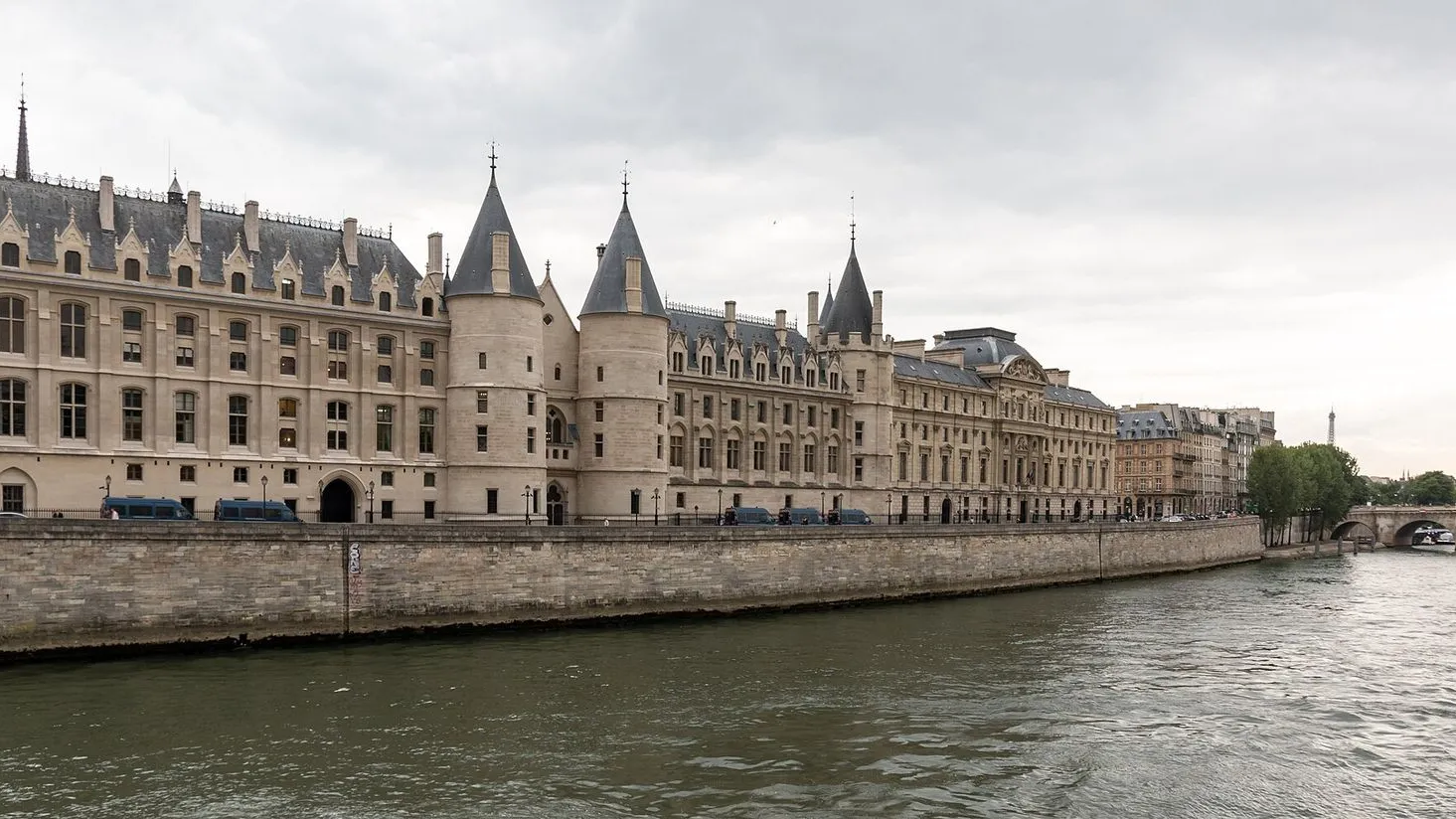
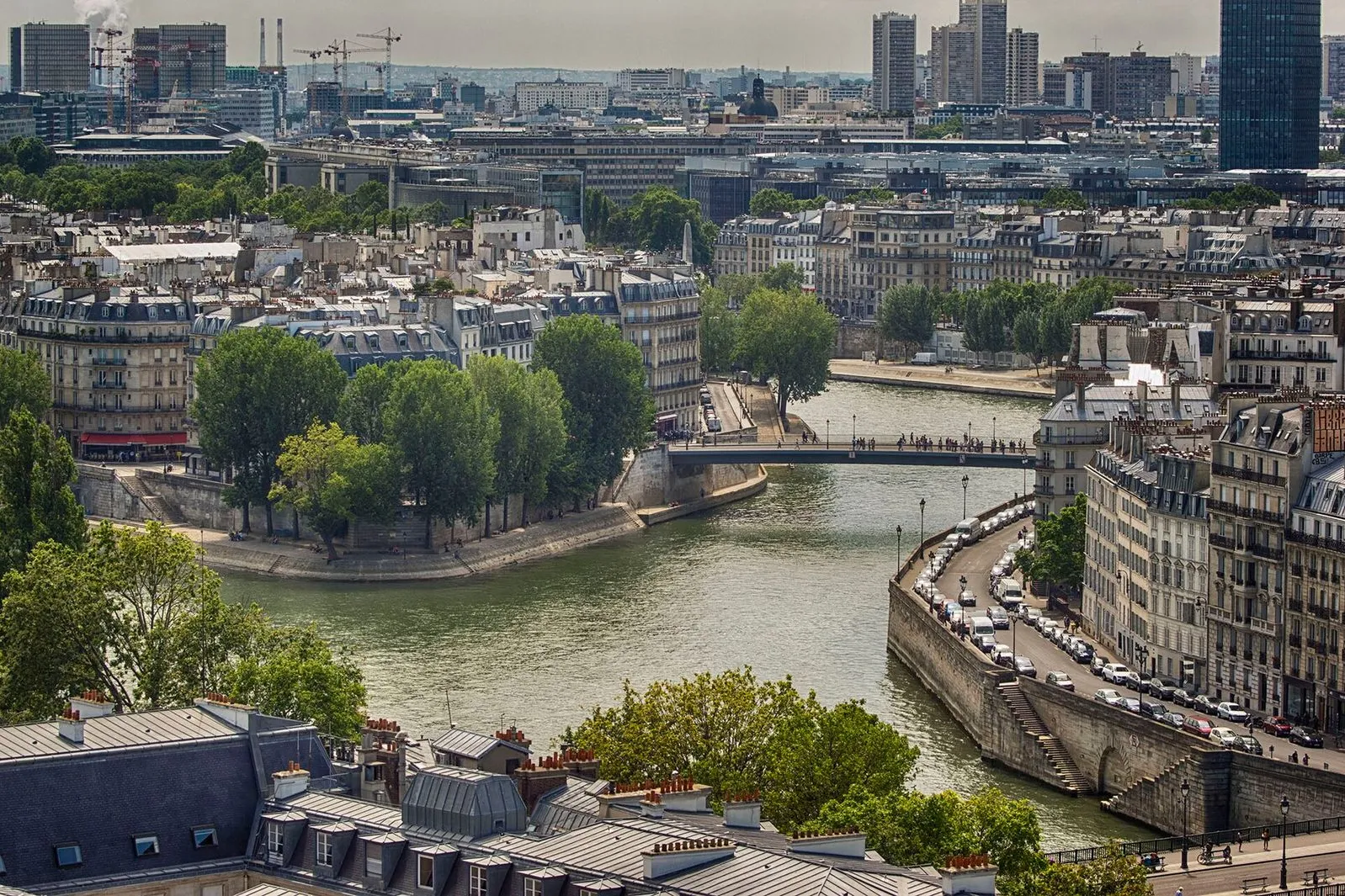
Photo by Chatsam on Wikimedia Commons
Sainte-Chapelle
Louis IX's 13th-century reliquary chapel, built to house the Crown of Thorns. Fifteen stained-glass windows, each 15 meters high, turn the upper chapel into a vessel of light.
You are standing in the courtyard of the Palais de la Cité, the palace where the kings of France lived before the Louvre was built. Straight ahead is the Sainte-Chapelle, and it helps to know what you are looking at before you go in. This is not really a church. It is a reliquary built of stone and glass, a container for the most prized object in medieval Christendom: the Crown of Thorns.
Louis IX paid 135,000 livres tournois for it in 1239, half the annual income of the kingdom. Then he needed somewhere to put it. The chapel went up in less than seven years, which for the 1240s is a sprint. What you see from here is the lower chapel, heavy and sturdy, built to carry the weight of what sits above it.
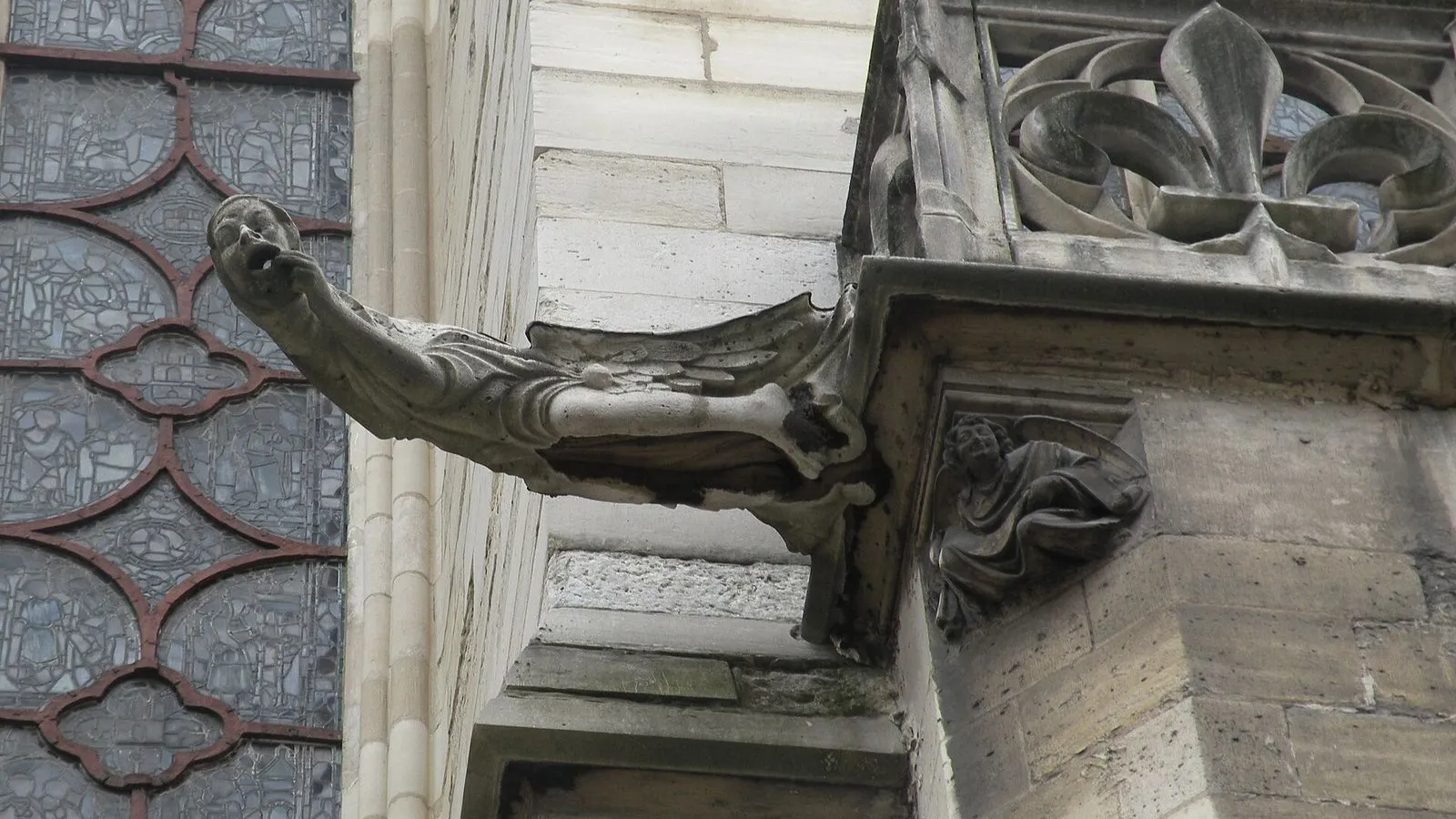
The upper chapel is the real show. Fifteen stained-glass windows, each 15 meters high, 1,113 scenes from Genesis to the Apocalypse. Two thirds of the glass is original, from the 13th century. When the sun hits it, the stone walls seem to disappear and you are standing inside colored light.
The Crown of Thorns stayed here until the Revolution, when it moved to Notre-Dame. The reliquary that held it was melted down for the silver. The chapel itself survived, used as a flour warehouse, then an archive, before a restoration in the 1840s that became the laboratory for modern monument conservation in France. Victor Hugo helped save it.
Step inside when you are done here. The upper chapel is worth the queue.