Walking tours in France
France runs from the chalk cliffs and cider orchards of the Channel coast to the lavender fields and limestone inlets of the Mediterranean, with the Alps and the Pyrenees standing along its eastern and southern borders. Its cities keep the layers in stone: Roman arenas and temples in the south, Gothic cathedrals in the north, Renaissance courtyards above the Saône, and the wide 18th-century squares of Bordeaux and Nancy. Paris is the capital, but Lyon, Marseille, Strasbourg, and Toulouse hold their own. Food is regional and serious about it, from Normandy's butter and cider to cassoulet in the southwest, bouillabaisse in Marseille, and choucroute in Alsace, with more than 400 cheeses to work through. Days pass in market mornings, long lunches, and slow walks through streets where something worth stopping for sits on nearly every block.

Photo by Julien Maculan on Unsplash
When is the best time to visit France?
Spring
- Months
- March to May
- Weather
- Spring runs cool in the north and warm in the south: Paris averages about 8 °C in March and about 15 °C in May, while Marseille is already averaging about 18 °C by May.SourceClimates to Travel: Paris climateClimates to Travel: Marseille climate
- Crowds
- Easter plus four long weekends in May 2026 (1 May, 8 May, 14 May and 25 May) fill trains and hotels; the weeks between them are the calmest big-city stretches of the year.
Summer
- Months
- June to August
- Weather
- July and August average about 20 °C in Paris and 24 to 25 °C along the Mediterranean, where daytime highs commonly reach 25 to 30 °C; the national heat record is 46 °C, set at Vérargues in June 2019.SourceClimates to Travel: France climateWikipedia: Climate of FranceWikipédia: Climat de la France
- Crowds
- Peak season. French school holidays run through July and August, coastal beds and TGV seats go weeks ahead, and the Mediterranean is at its hottest and busiest.
Autumn
- Months
- September to November
- Weather
- September stays warm in the south (Marseille averages about 21 °C) while the Mediterranean gets its heaviest rain in autumn; October is Nice's wettest month, with about 135 mm.SourceClimates to Travel: Marseille climateClimates to Travel: Nice climate
- Crowds
- Crowds thin after the first week of September, prices soften, and September into October is the best-value window for cities and vineyards.
Winter
- Months
- December to February
- Weather
- January averages run about 2 °C in the northeastern lowlands, 4 to 5 °C in Paris and about 9 °C on the Riviera.SourceClimates to Travel: France climate
- Crowds
- Cities stay quiet and hotel rates low outside ski weeks and the stretch between Christmas and New Year; some coastal hotels and rural sites close for the season.
| Season | Months | Weather | Crowds |
|---|---|---|---|
| Spring | March to May | Spring runs cool in the north and warm in the south: Paris averages about 8 °C in March and about 15 °C in May, while Marseille is already averaging about 18 °C by May.SourceClimates to Travel: Paris climateClimates to Travel: Marseille climate | Easter plus four long weekends in May 2026 (1 May, 8 May, 14 May and 25 May) fill trains and hotels; the weeks between them are the calmest big-city stretches of the year. |
| Summer | June to August | July and August average about 20 °C in Paris and 24 to 25 °C along the Mediterranean, where daytime highs commonly reach 25 to 30 °C; the national heat record is 46 °C, set at Vérargues in June 2019.SourceClimates to Travel: France climateWikipedia: Climate of FranceWikipédia: Climat de la France | Peak season. French school holidays run through July and August, coastal beds and TGV seats go weeks ahead, and the Mediterranean is at its hottest and busiest. |
| Autumn | September to November | September stays warm in the south (Marseille averages about 21 °C) while the Mediterranean gets its heaviest rain in autumn; October is Nice's wettest month, with about 135 mm.SourceClimates to Travel: Marseille climateClimates to Travel: Nice climate | Crowds thin after the first week of September, prices soften, and September into October is the best-value window for cities and vineyards. |
| Winter | December to February | January averages run about 2 °C in the northeastern lowlands, 4 to 5 °C in Paris and about 9 °C on the Riviera.SourceClimates to Travel: France climate | Cities stay quiet and hotel rates low outside ski weeks and the stretch between Christmas and New Year; some coastal hotels and rural sites close for the season. |
Highlights across France
- The Sainte-Chapelle, whose fifteen 15-meter windows wrap the upper chapel in glass, and Notre-Dame beside it.
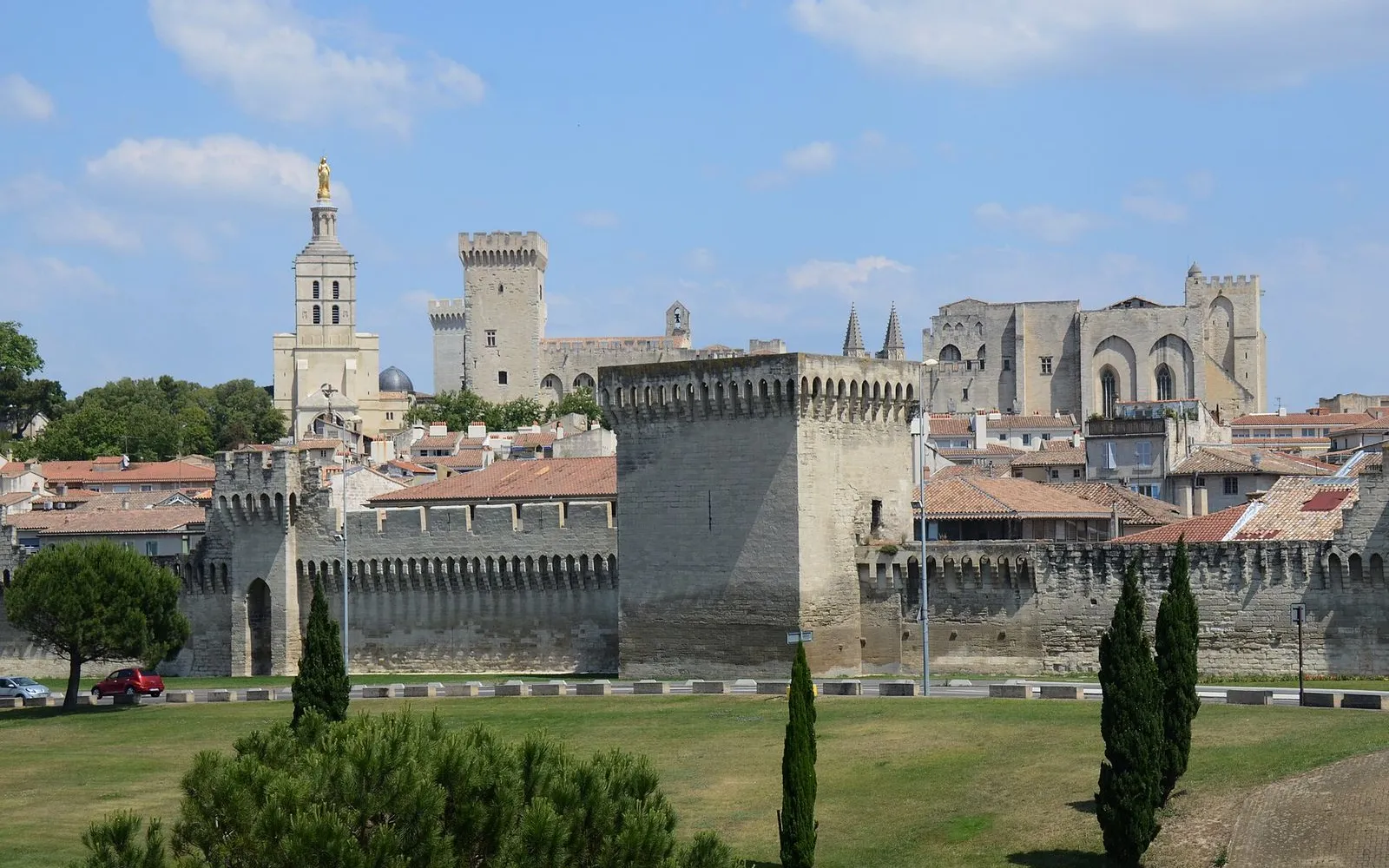
- The Palais des Papes, the largest Gothic palace in the world, and the four arches of the Pont Saint-Bénézet standing in the Rhône.
- Cours Saleya's flower market and the sweep of the Baie des Anges from the Colline du Château.
- Vieux Lyon's traboules, including the Long Traboule's five courtyards, and the Mur des Canuts up on the Croix-Rousse.
- The MuCEM's dark concrete lattice and the fishing boats of the Vallon des Auffes below the Corniche.
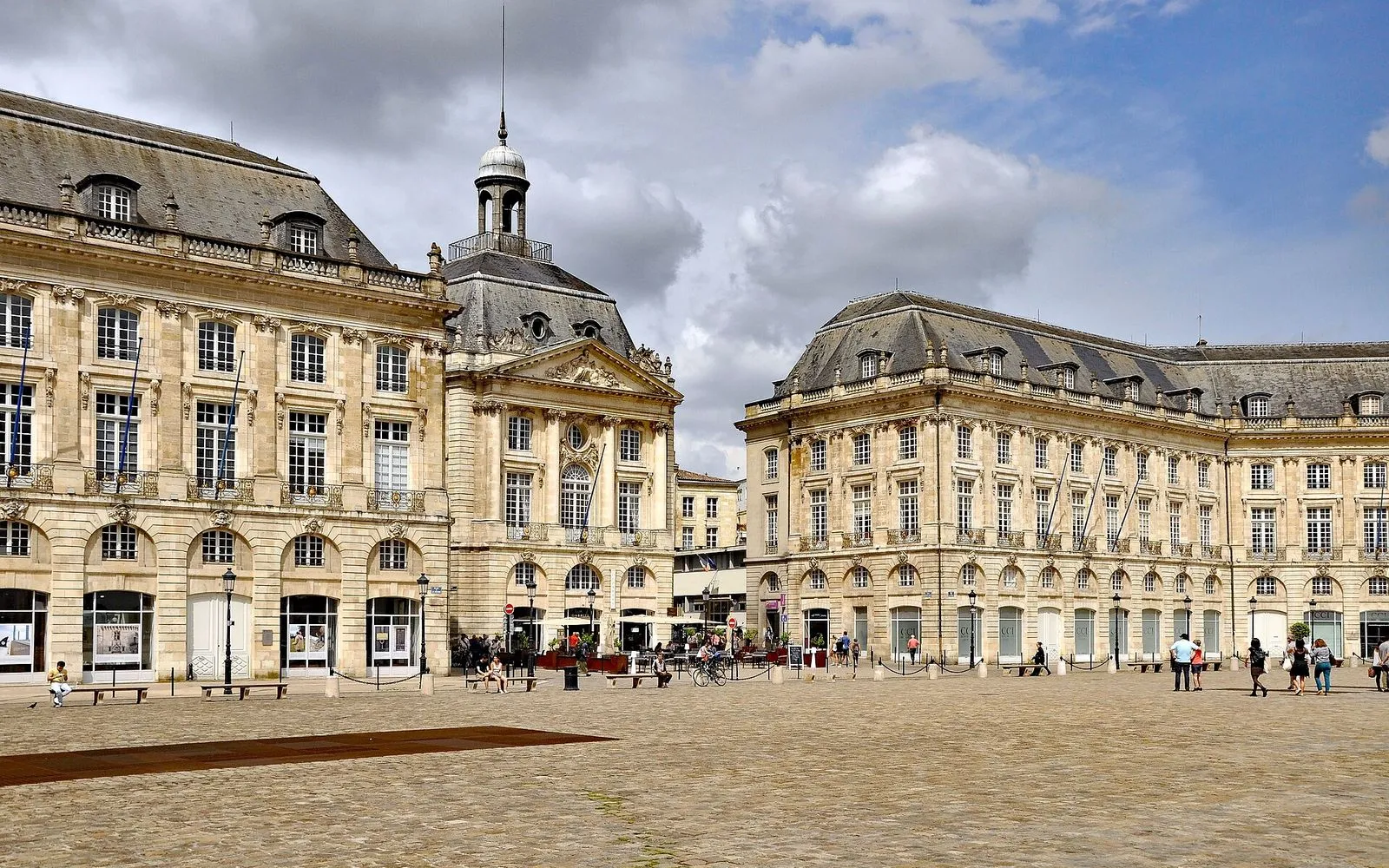
- The Miroir d'eau, the world's largest reflecting pool, in front of the 18th-century facades of Place de la Bourse.
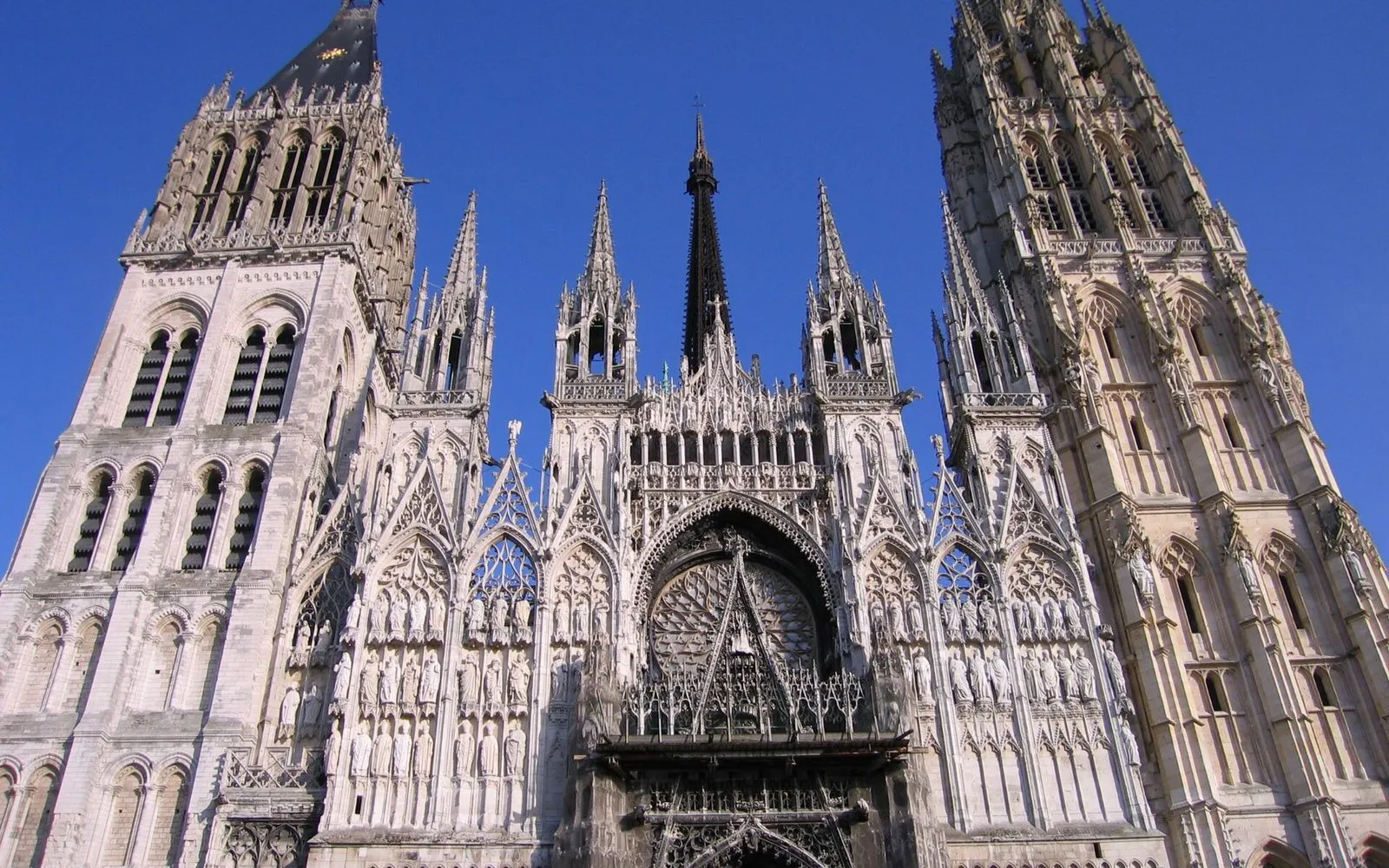
- The pink sandstone cathedral and its astronomical clock, then the Maison des Tanneurs and the Ponts Couverts.
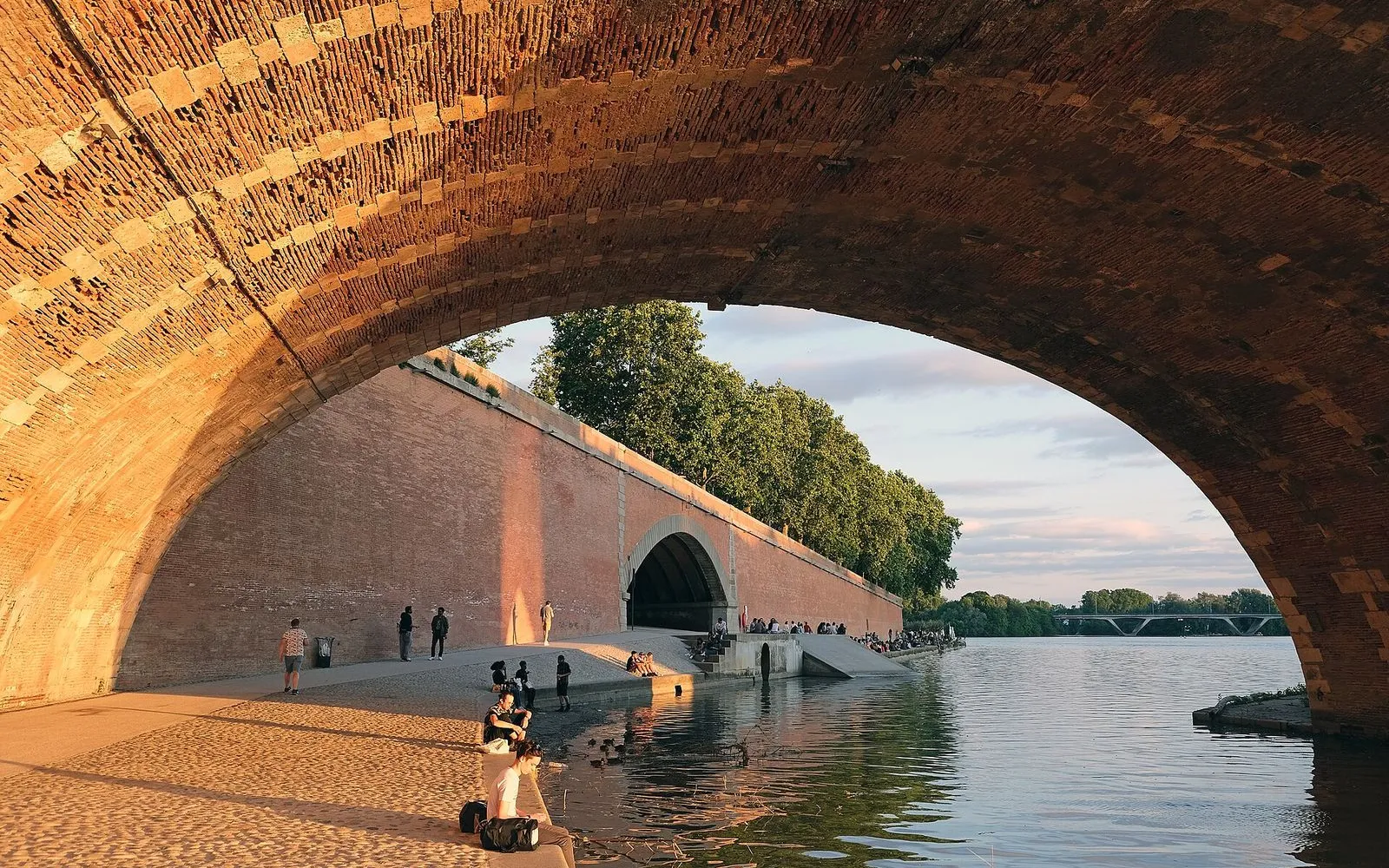
- The Jacobins' palm-tree vault of twenty-two ribs and the brick basilica of Saint-Sernin.
- The Grand Éléphant at Les Machines de l'île and the glass-roofed Passage Pommeraye.
- The cathedral where thirty-three kings were crowned and the Taittinger and Pommery cellars in the chalk hill.
- The worn owl on Notre-Dame and the ducal tombs in the free Musée des Beaux-Arts.
- The Gros-Horloge's one-handed clock and Place du Vieux-Marché, where Joan of Arc was burned in 1431.
- The Grand'Place and its Vieille Bourse courtyard of secondhand books, plus the estaminets around the 1625 Porte de Gand.
- The Bastille cable car's spherical cabins rising to Haxo's fort above the Isère valley.
- The Tour de la Lanterne, a lighthouse turned prison, and Le Passeur's solar ferry across the old harbor mouth.
- The rose garden of the Jardin botanique du Thabor and the 96-meter Odorico mosaic frieze at the Piscine Saint-Georges.
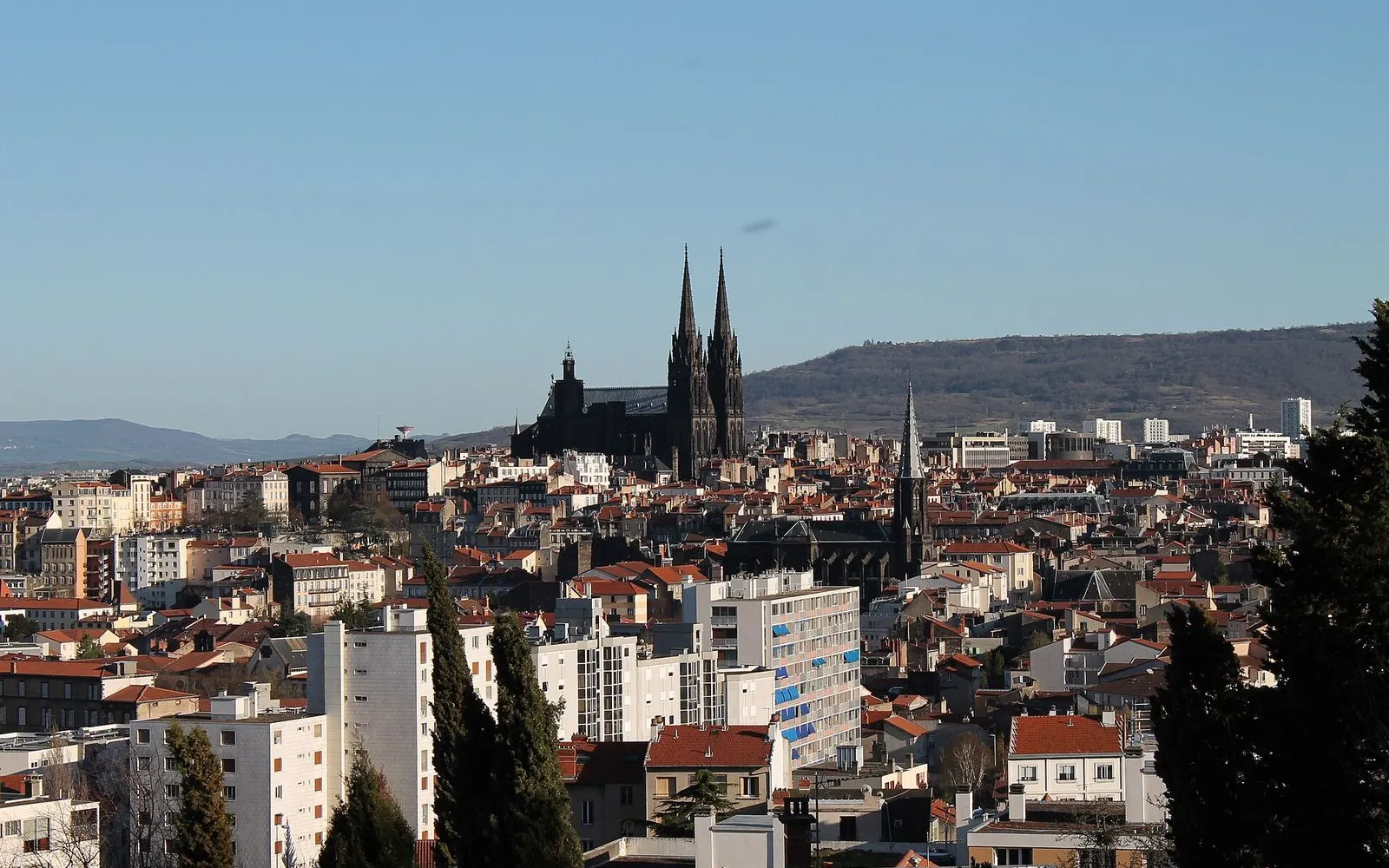
- The black cathedral of Volvic stone and the Romanesque basilica of Notre-Dame-du-Port.
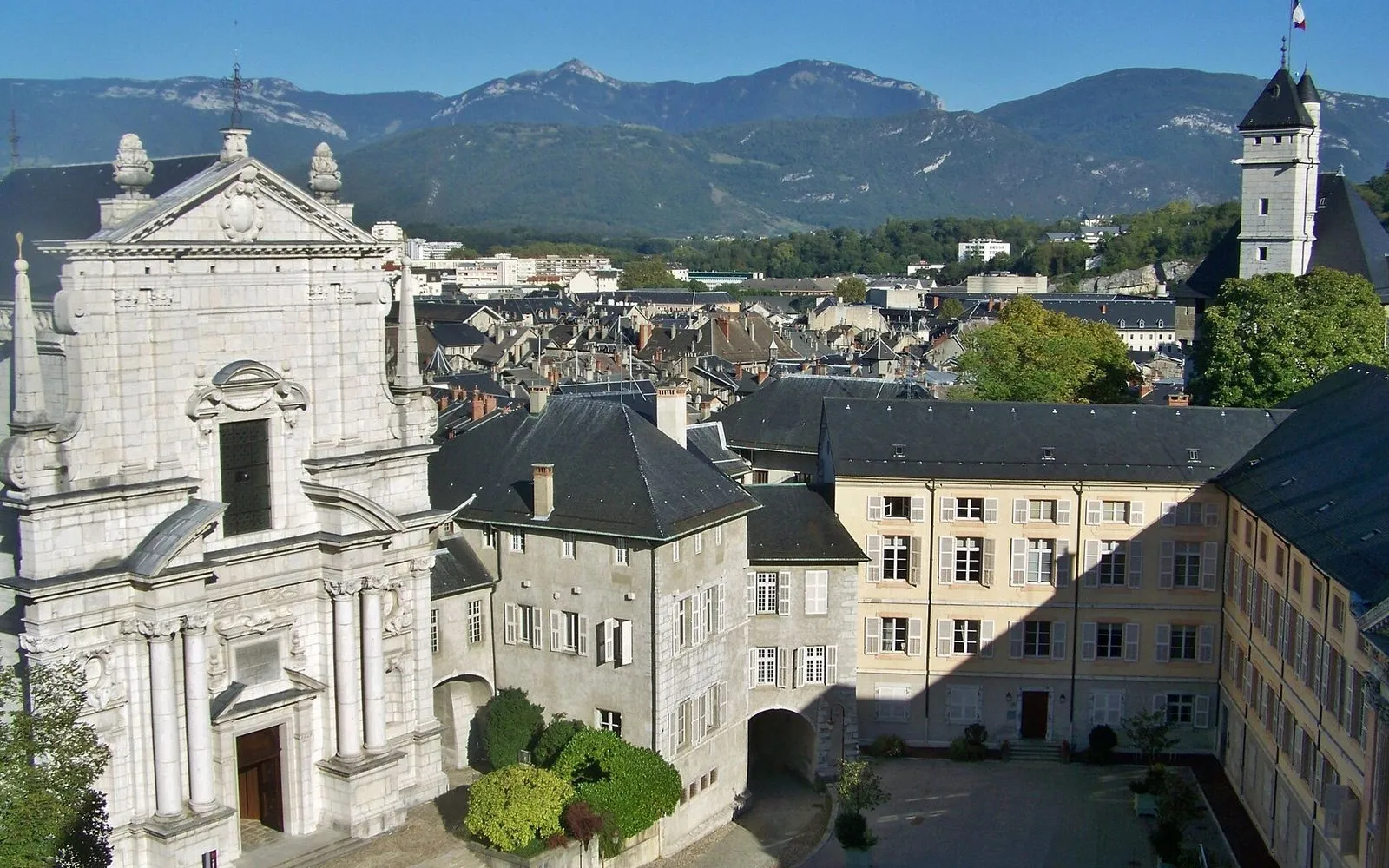
- The Fontaine des Éléphants and the castle esplanade of the dukes of Savoy.
- Place de la Comédie's oval and the double arches of the Saint-Clément aqueduct above the Arceaux market.
Where to walk in France
 3 tours
 7 tours
 1 tour
 3 tours
 3 tours
 4 tours
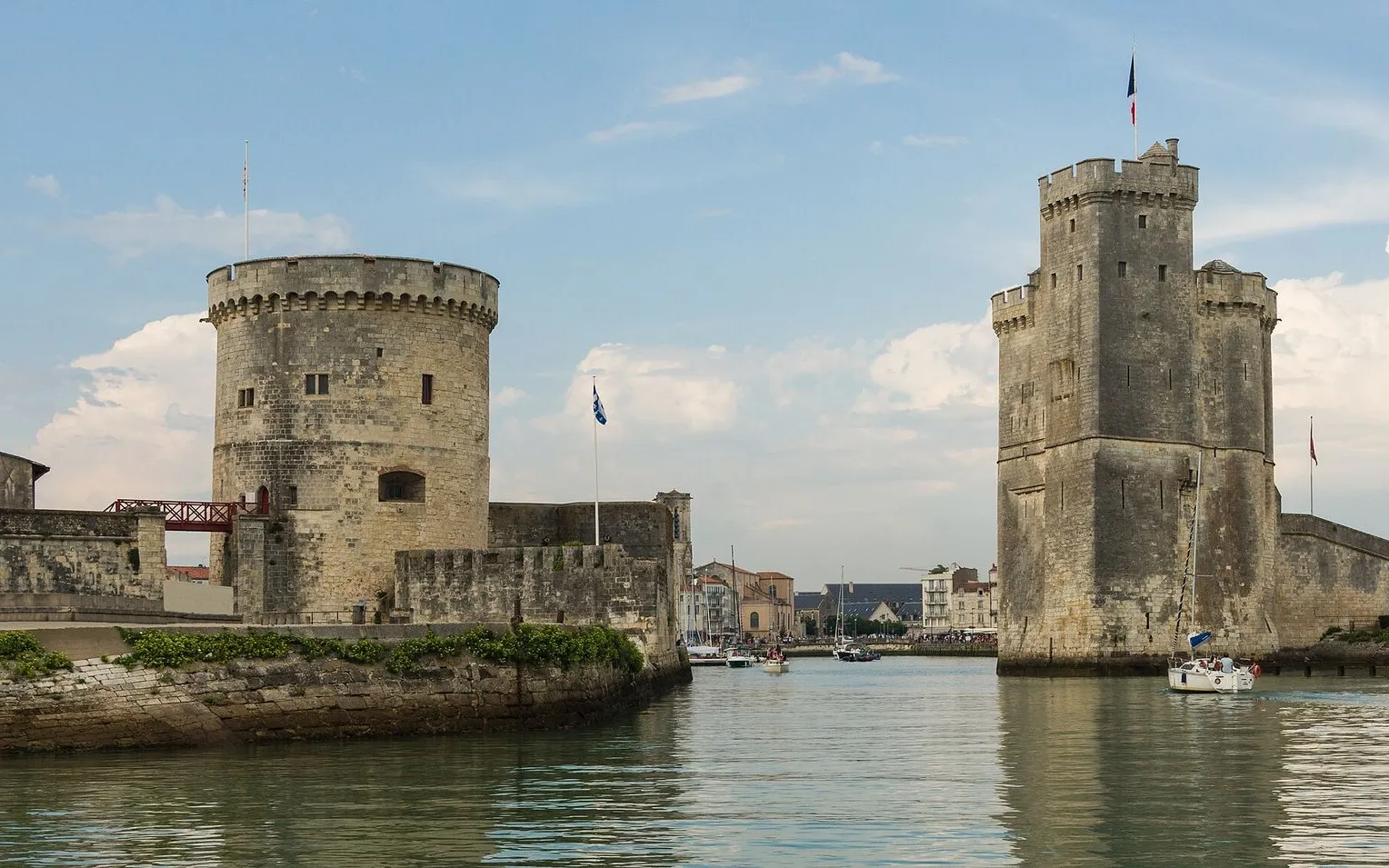 4 tours
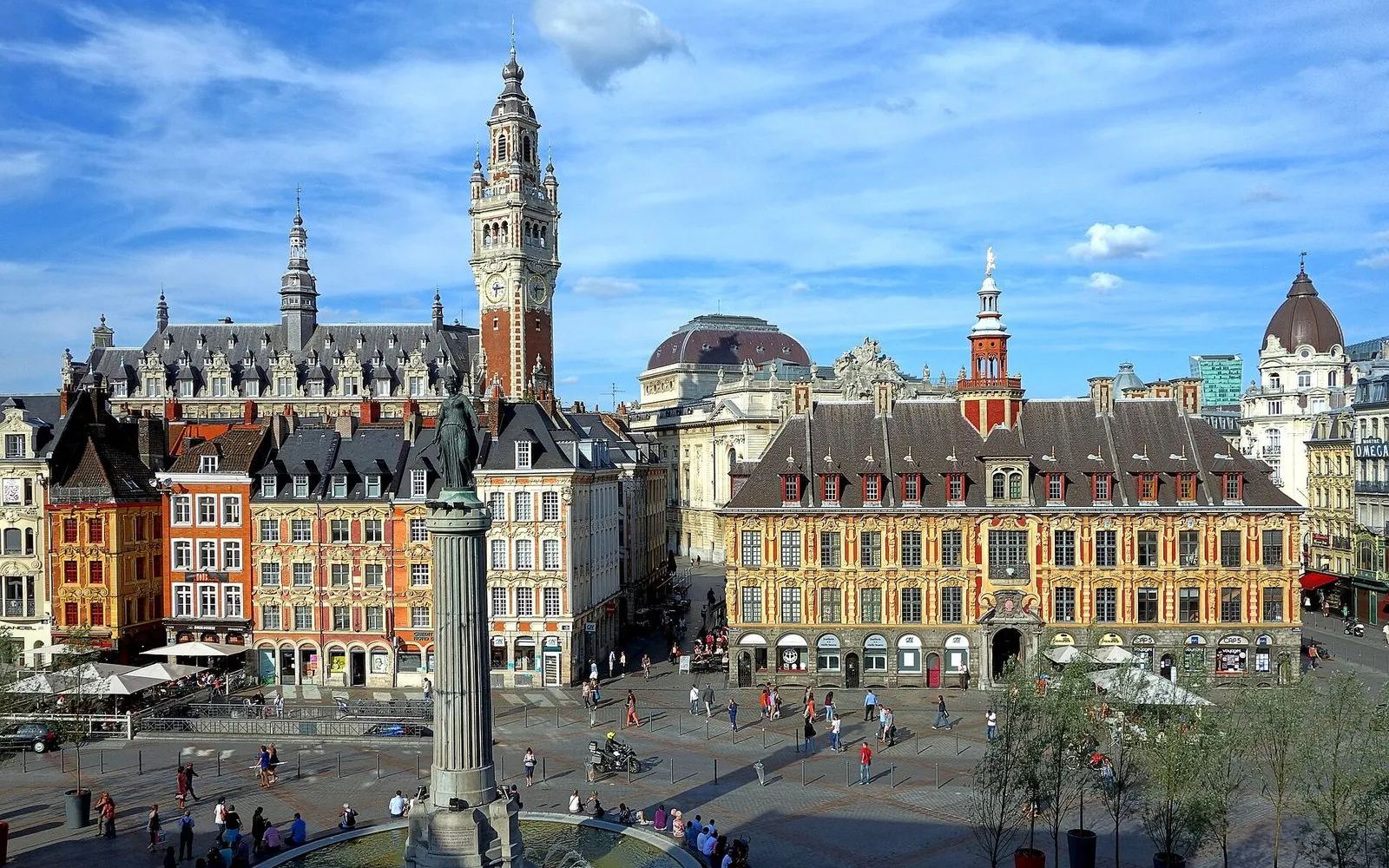 3 tours
 7 tours
 7 tours
 3 tours
 8 tours
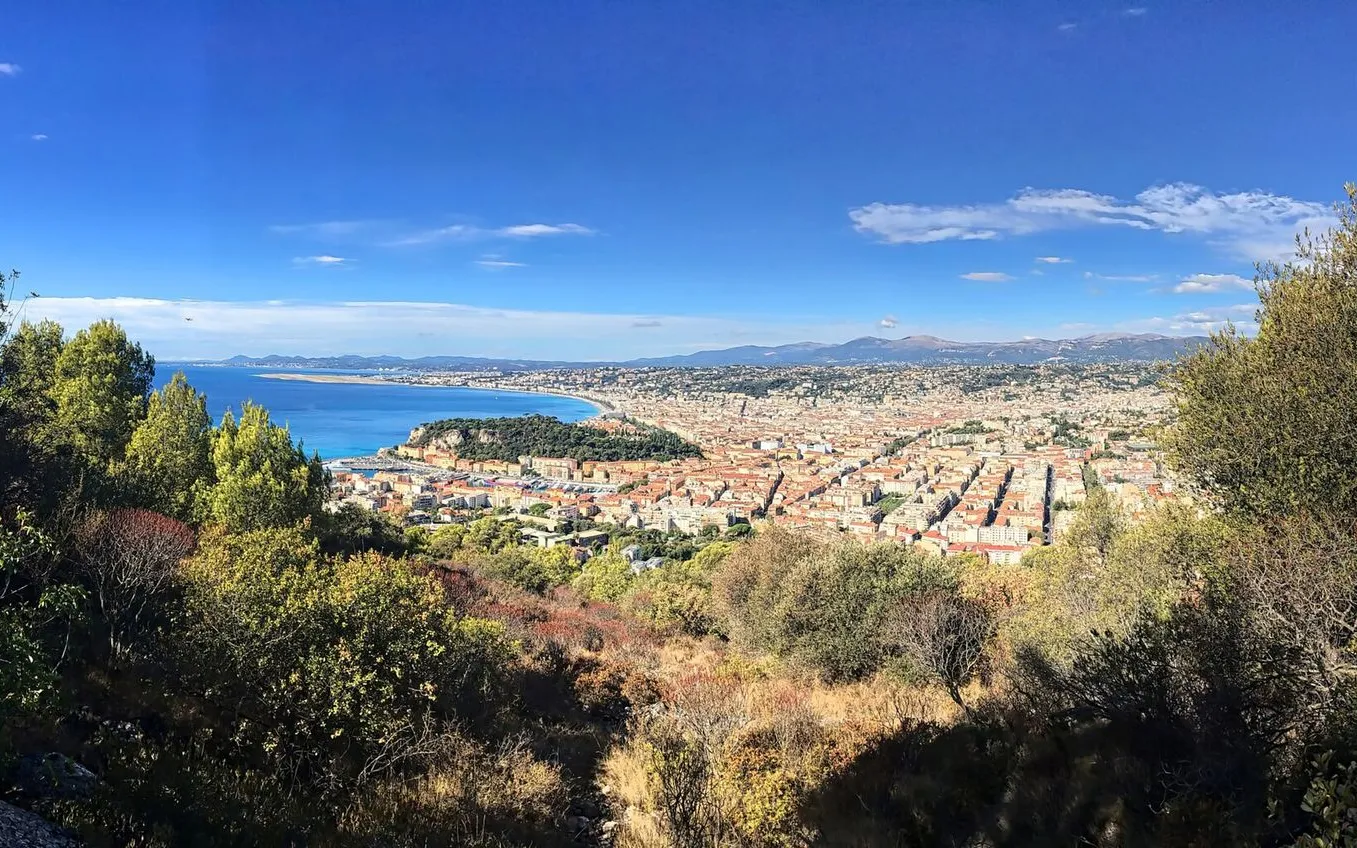 5 tours
 8 tours
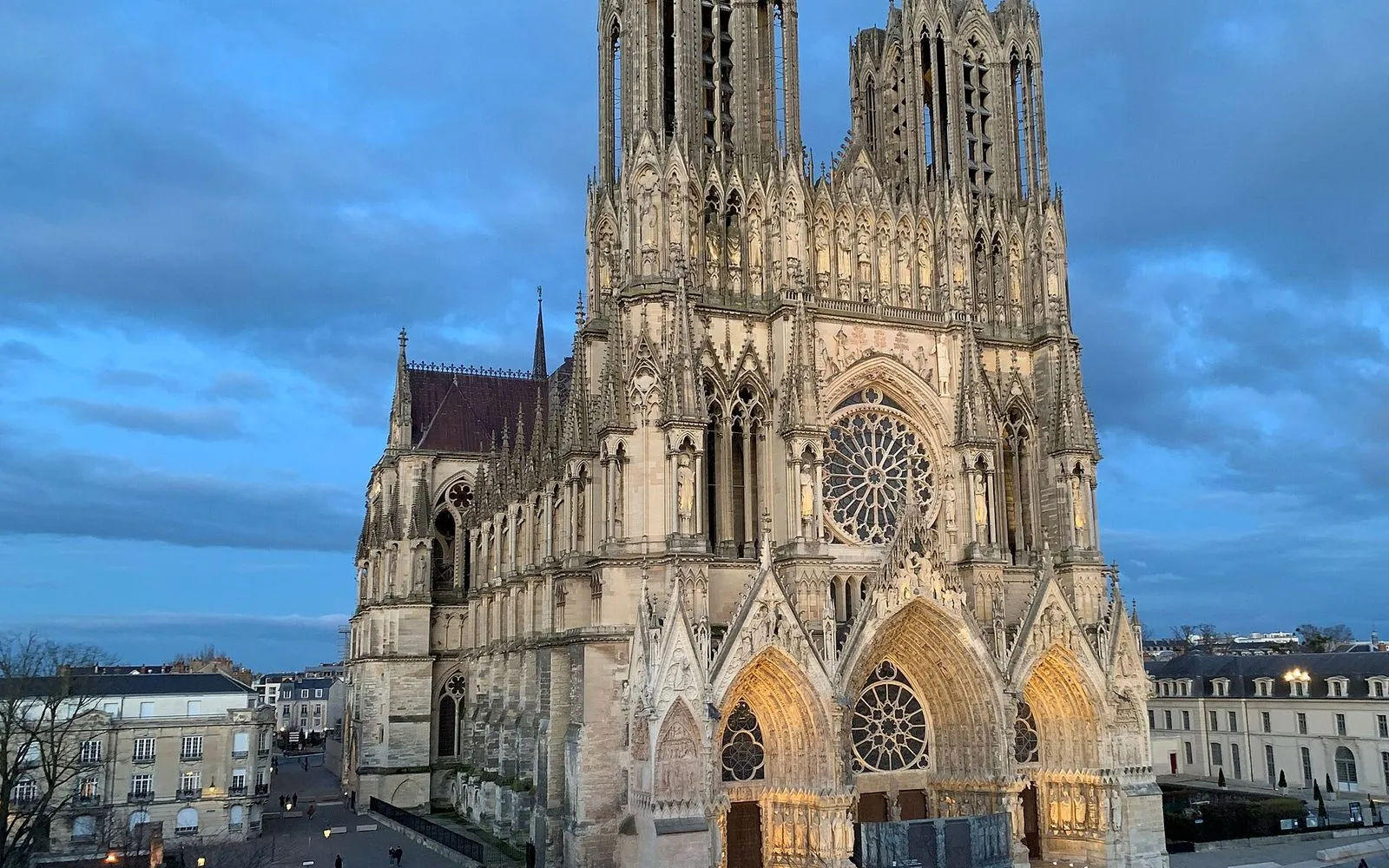 2 tours
 3 tours
 3 tours
 5 tours
 6 tours
Planning a trip to France
Do I need a visa to visit France?
No visa is needed for a short trip on US, UK, Canadian, or Australian passports: France follows Schengen rules and allows up to 90 days in any 180-day period for visa-exempt visitors. What's new in 2026 is the EU's Entry/Exit System, which has been recording fingerprints and facial images since 12 October 2025 and became fully operational at Schengen borders on 10 April 2026, so allow extra time at passport control. ETIAS, the €20 online travel authorisation for visa-exempt visitors, is expected to launch in the last quarter of 2026, so check the EU's official travel site before you book.
SourceEU Travel EuropeFrance DiplomatieGOV.UKWhat is the best time of year to visit France?
May and June, then September into early October, are the best all-round months: warm enough for the Mediterranean, with smaller crowds than midsummer. July and August are hot in Provence and packed on the Riviera, and in August plenty of Parisians leave the city, when a handful of small shops and restaurants close for part of the month. Winter suits museums, oysters, and the Christmas markets in Strasbourg.
Is France expensive?
France is mid-priced for Western Europe once you're on the ground. A 2026 estimate puts a comfortable day at about €90 to €130 per person and a frugal day at €40 to €65, flights aside. On this route, Paris and the Riviera are the priciest stops, and the easiest savings are advance train tickets, market lunches, and rooms booked early.
SourceFranceAvenueHow do I get around France?
By train. The TGV network links Paris to most of the big cities, budget OUIGO trains run on the same high-speed lines, and regional TER trains cover shorter hops like Avignon to Nîmes. On this route, direct trains run Paris to Avignon in about 2 hours 35 minutes and Avignon to Nice in about 3 hours, and tickets typically go on sale three to six months before departure.
SourceSNCF ConnectTrainlineWhich cities should I visit in France?
For a first week, the route below is the one to take: Paris, then Avignon with its Roman day trip to Nîmes, then Nice. With more time, the other cities Wayside covers each earn a stop of their own: Lyon for food and Renaissance traboules, Bordeaux for the wine trade and the Miroir d'eau, Strasbourg for Petite France and the European quarter, Marseille for the Panier and the MuCEM, and Toulouse, Nantes, or Dijon for a quieter second trip.
More of France

Plan your visit
Take France with you.
Download Wayside and walk Paris, Avignon, and Nice with a guide in your ear, then keep it for the rest of France.
Provenance · last verified September 27, 2026
Researched by Wayside, with every operational fact checked against the source.
SourcesEuropean Commission, Economy and Finance: France and the euroMinistère de la Santé: Eau du robinetWorld Standards: plug and socket typesMinistère de l'Intérieur, Ma Sécurité: numéros utilesYour Europe: emergency numbersCollectivités Locales (DGCL): taxe de séjourCouleur Voyage: guide de préparationClimates to Travel: Paris climateClimates to Travel: Marseille climateClimates to Travel: France climateWikipedia: Climate of FranceWikipédia: Climat de la FranceClimates to Travel: Nice climateEU Travel EuropeFrance DiplomatieGOV.UKFranceAvenueSNCF ConnectTrainline
Photo by Julien Maculan on Unsplash
Photo by Henk Monster on Wikimedia Commons · CC BY 3.0
Photo by P. Hughes on Wikimedia Commons · CC BY 4.0
Photo by Florian Pépellin on Wikimedia Commons · CC BY-SA 4.0
Photo by Jsamwrites on Wikimedia Commons · CC BY-SA 4.0
Photo by Daniel Tischer on Unsplash
Photo by Maxence Pira on Unsplash
Photo by Jebulon on Wikimedia Commons · CC0
Photo by Velvet on Wikimedia Commons · CC BY-SA 3.0
Photo by Jens Freudenau on Unsplash
Photo by Boris Hadjur on Unsplash
Photo by Daniel Tischer on Unsplash
Photo by Tristan Mimet on Wikimedia Commons · CC BY 3.0
Photo by Tontonflingueur on Wikimedia Commons · CC BY-SA 4.0
Photo by Pascal Bernardon on Unsplash
Photo by tk on Wikimedia Commons · CC BY-SA 3.0
Photo by Genny Dimitrakopoulou on Unsplash
Photo by kallerna on Wikimedia Commons · CC BY-SA 4.0