Paris · Self-guided audio walk

The Triumphal Way

From the Louvre to the Arc de Triomphe along the city's grandest sightline.

  • 6Stops
  • 4.6 kmDistance
  • 65+ minTime
The Triumphal Way

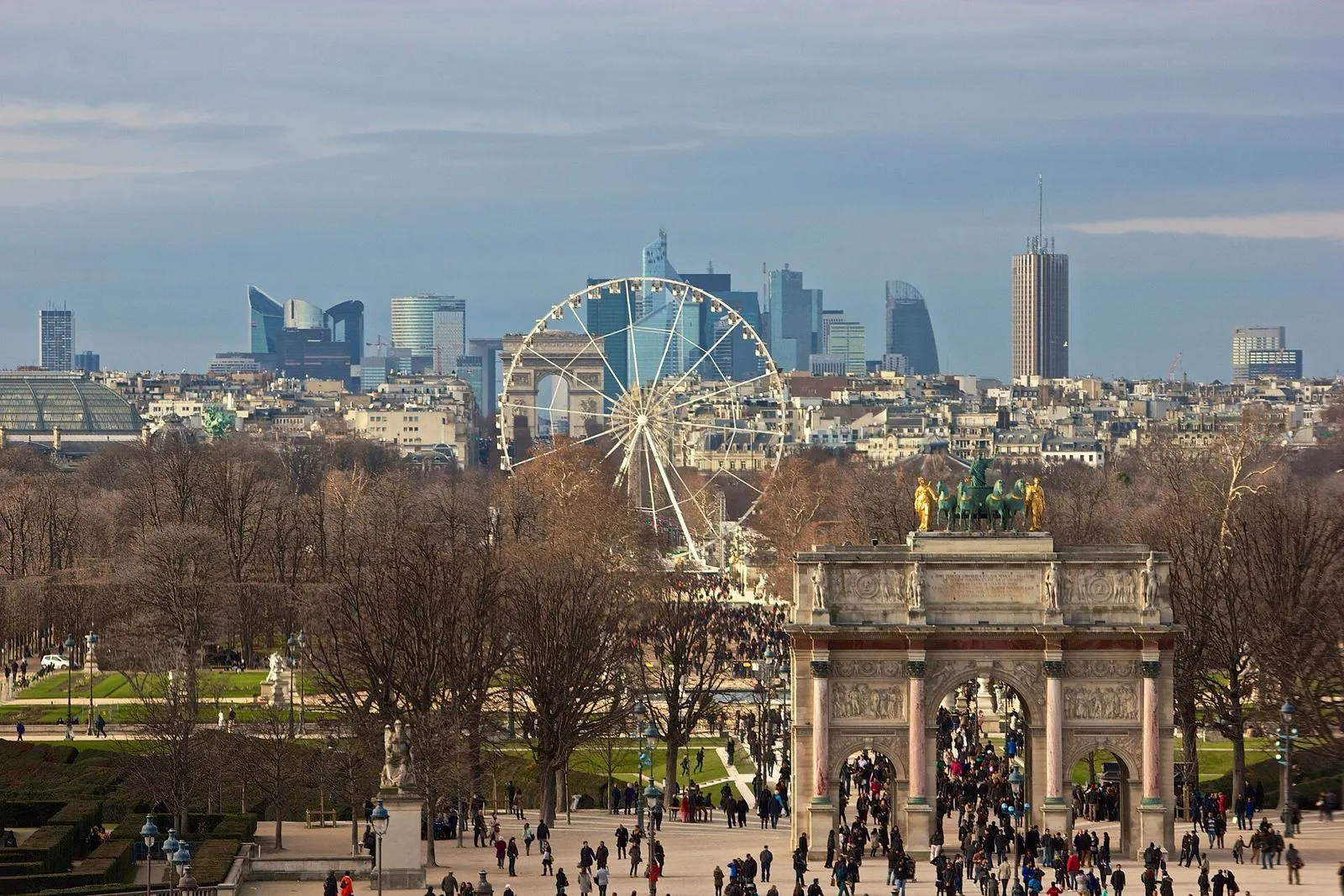
Photo by Alexander Baxevanis from London, UK on Wikimedia Commons

This walk follows the axe historique, the straight line that runs from the Louvre to the Arc de Triomphe and beyond. Henri IV traced this route westward in 1599. Le Nôtre laid the Tuileries gardens along it. Napoleon built two triumphal arches on it, one at each end. The walk is three and a half kilometers, flat, and takes about two hours. You start in the Cour Carrée, the oldest courtyard of the Louvre, pass Napoleon's smaller arch, cross the Tuileries and the Place de la Concorde with its 3,300-year-old obelisk, pause at the Petit Palais whose permanent collection is free, climb the Champs-Élysées, and finish at the foot of the Arc de Triomphe. The great axis of Paris, one step at a time.

Hear it on the street

Get the turn-by-turn audio guide in the app. The narration plays itself as you reach each stop, hands-free and offline.

Stop by stop

The route

Interactive map of the route. The full stop list below works without it.

Cour CarréeMust see

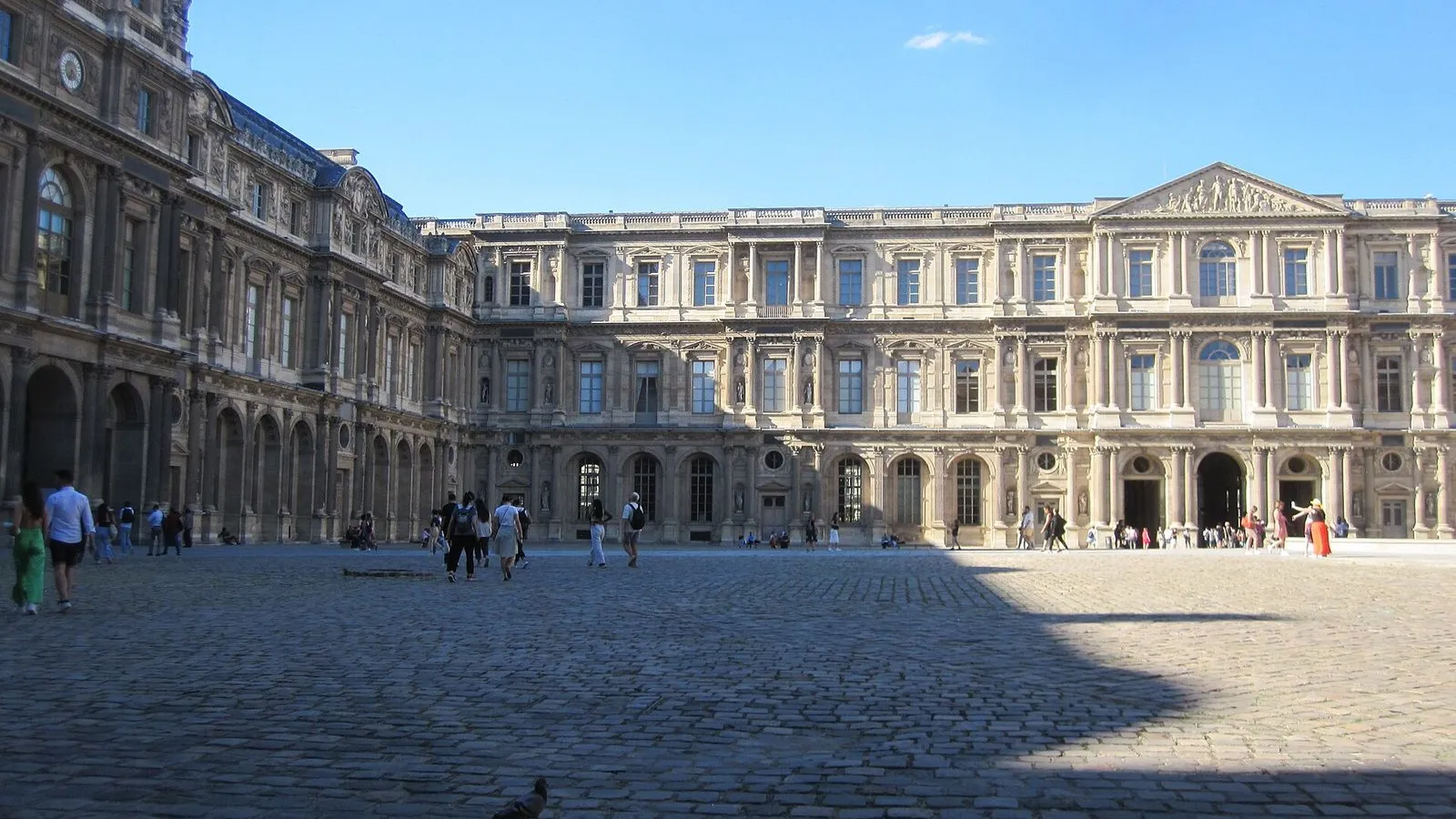
Photo by DiscoA340 on Wikimedia Commons

Cour Carrée

0:00

The oldest courtyard of the Louvre, and Napoleon's smaller triumphal arch.

You are standing in the Cour Carrée, the oldest courtyard of the Louvre. The wing facing you, with its richly carved Renaissance façade, was begun in 1546 for Francis I. Beneath the paving stones lie the foundations of the twelfth-century fortress of Philip Augustus. Now walk through the archway on your left into the Place du Carrousel.

The triumphal arch ahead was built by Napoleon between 1806 and 1808, modeled on the Arch of Constantine in Rome. It was the ceremonial gateway to the Tuileries Palace, which burned during the Commune of 1871. Look up: the quadriga of Peace riding a chariot replaced the original Horses of Saint Mark that Napoleon looted from Venice. Now step back and look through the arch.

You are seeing the axe historique: the Tuileries gardens, the obelisk on the Place de la Concorde, and in the distance, the Arc de Triomphe. Henri IV had this road traced westward from the Louvre in 1599. You are about to walk its full length.

≈17 min walk to the next stop
Jardin des TuileriesMust see

Photo by Yiwen on Unsplash

Jardin des Tuileries

0:00

Le Nôtre's royal garden, the green heart of the great axis.

The Tuileries garden opens before you, a green corridor aimed straight at the horizon. André Le Nôtre, the gardener of Louis XIV, laid out this axis in 1664. He took his cue from the palace that once stood where you entered, the Tuileries Palace, burned in 1871 and never rebuilt. The garden survived.

Walk the central path: the two round ponds, the octagonal basin, the ranks of chestnut trees clipped into straight lines. The green metal chairs around the ponds are free. Grab one, sit for a few minutes, and look back at the Louvre, then forward toward the obelisk. The whole axis reveals itself from here.

When the sun is low, the light through the trees is worth the walk.

≈7 min walk to the next stop
Place de la ConcordeMust see

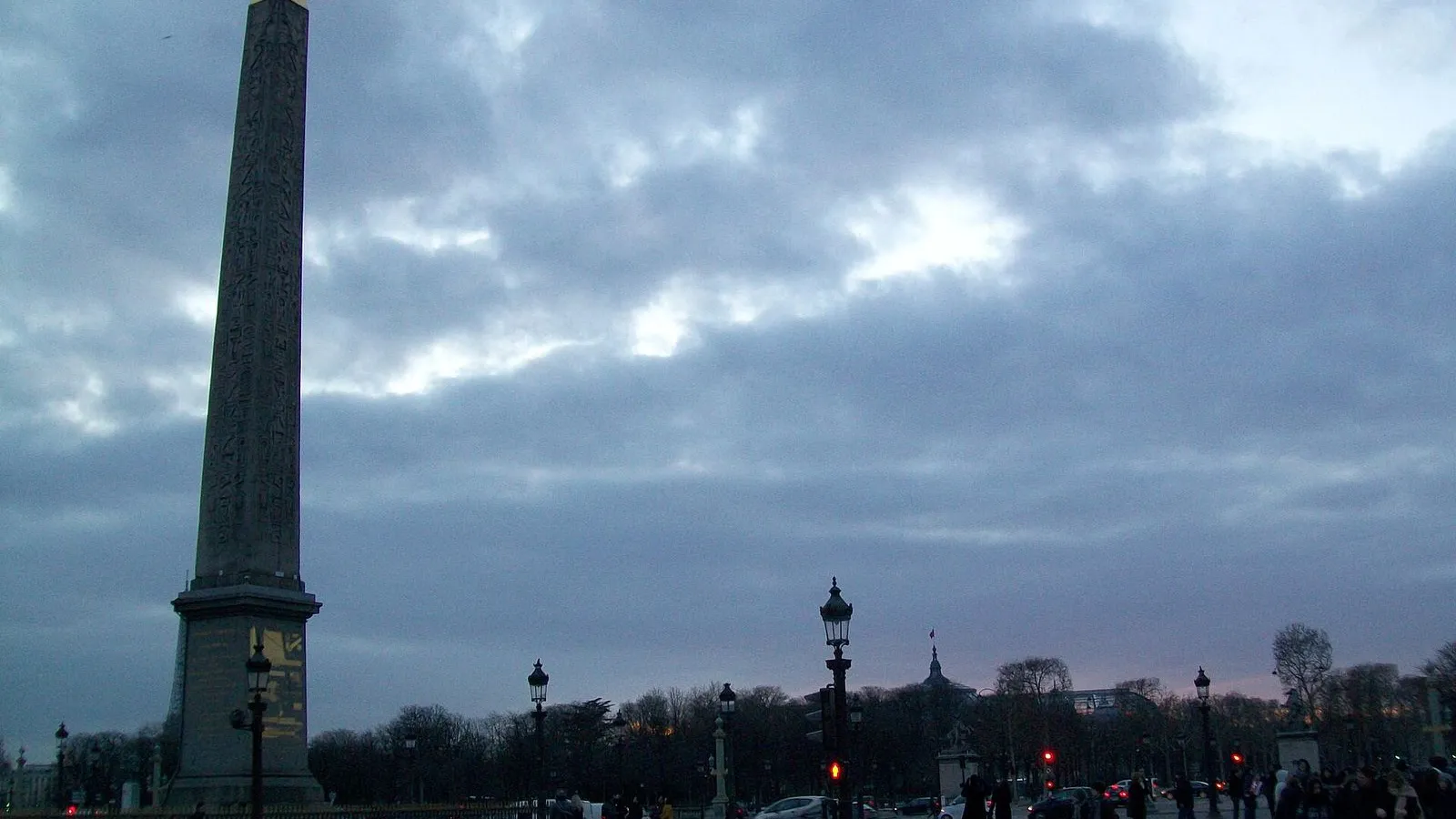
Photo by Делфина on Wikimedia Commons

Place de la Concorde

0:00

The grandest square in Paris, anchored by a 3,300-year-old obelisk.

Step out of the garden and you are on the Place de la Concorde. At its center stands the Luxor Obelisk, a single block of pink granite twenty-three meters tall. It is roughly 3,300 years old, carved under Ramesses II around 1250 BC at the temple of Luxor in Egypt. It arrived here in 1836, a gift from the Ottoman viceroy of Egypt.

The hieroglyphs on its faces celebrate the pharaoh's reign. Stand at the base and look back east, up the line you have walked: the obelisk, the Tuileries, the Arc du Carrousel, the Louvre. Now turn west: the Champs-Élysées rises toward the Arc de Triomphe. This square was once called Place de la Révolution.

The guillotine stood here. Today the axis runs straight through it, indifferent.

≈8 min walk to the next stop
Free preview ends here · stops 4 to 6 continue in the app

Petit Palais

The free fine-arts museum most visitors walk straight past.

in app

Avenue des Champs-Élysées

The grand boulevard that gives the great axis its scale.

in app

Arc de Triomphe

The great triumphal arch that crowns the axis, fifty meters of stone and names.

in app
Good to know

Before you go

How long is the Triumphal Way walk?

The walk is flat and follows a straight line. Allow about two hours at a steady pace, or two and a half with a stop at the Petit Palais and the climb up the Arc de Triomphe. The route is entirely paved and wheelchair accessible except for the Arc's 284-step staircase to the terrace.

Do I need to book the Arc de Triomphe in advance?

The Arc de Triomphe rarely sells out and you can usually buy a ticket at the counter on the day. Booking online saves a few minutes at busy times. The rooftop closes at 10:30 PM or 11:00 PM depending on the season, and the last entry is 45 minutes before closing. Sunset from the terrace is the best time to go.

SourceArc de Triomphe official site
Keep exploring

More walks in Paris

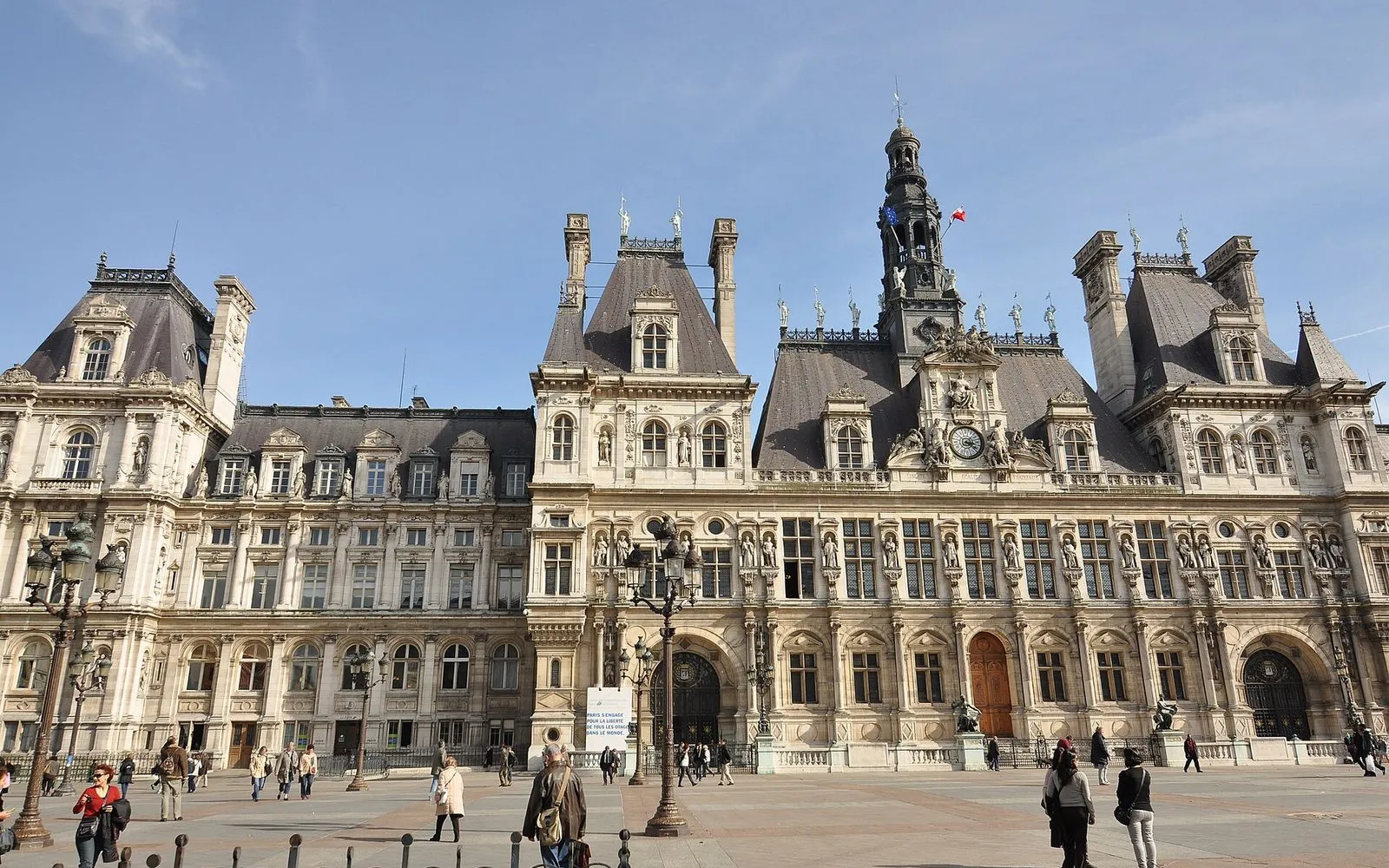
The Left Bank: Saints, Scholars, and the Lost GenerationThe essentials

The Left Bank: Saints, Scholars, and the Lost Generation

From a legendary bookshop to the café tables where existentialism was born, this walk traces the intellectual soul of Paris across one storied kilometer.

8 stops5 km75+ min
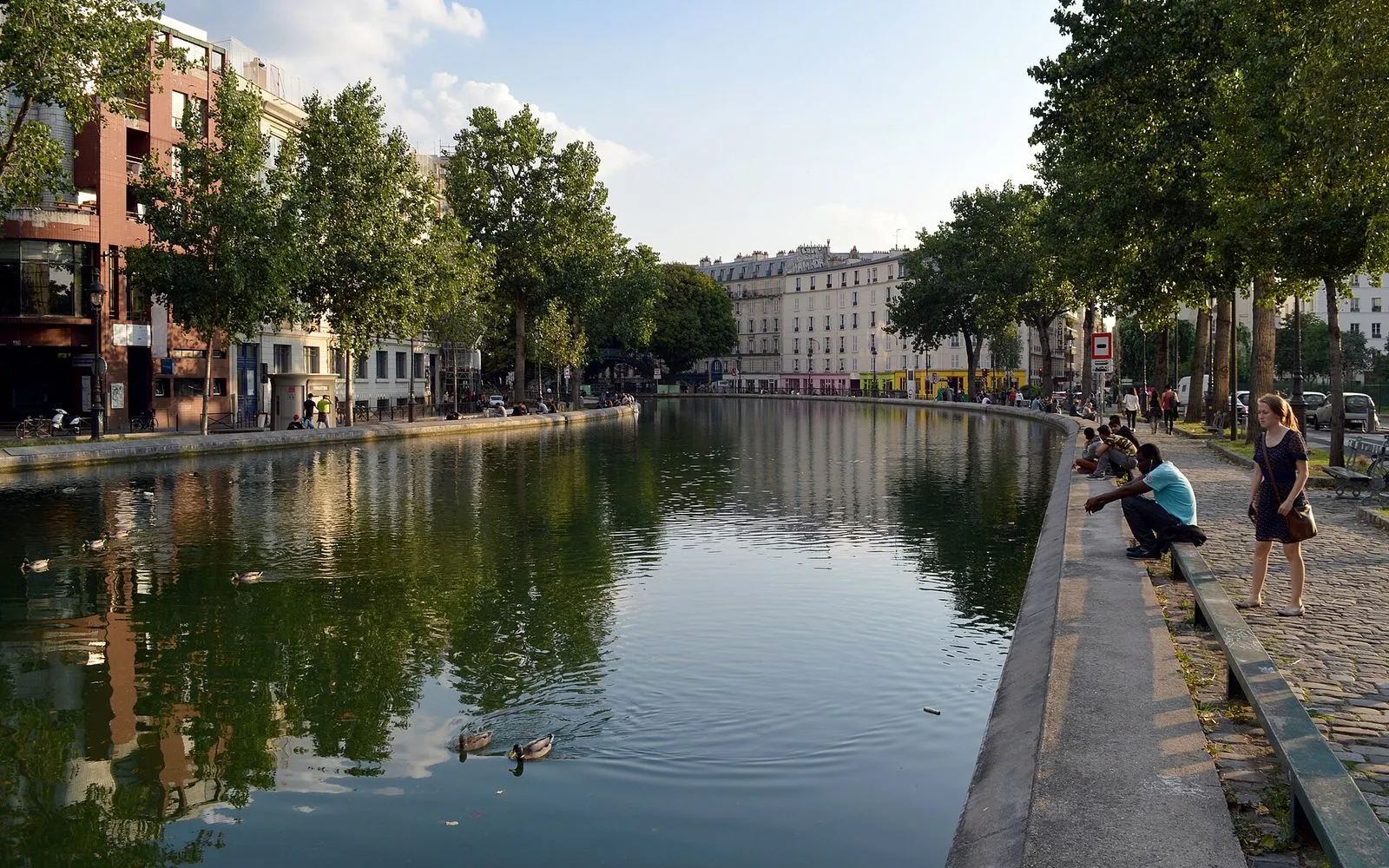
Canal to Belleville: The Paris Parisians KeepThe essentials

Canal to Belleville: The Paris Parisians Keep

From the locks of Canal Saint-Martin to the hilltop views of Belleville, five kilometers of real Paris. No selfie sticks, no postcards.

7 stops5.8 km85+ min
Le Marais: The Paris Haussmann Never TouchedThe essentials

Le Marais: The Paris Haussmann Never Touched

A Sunday walk through medieval lanes, aristocratic courtyards, and the Jewish Quarter, the slice of Paris the boulevards never erased.

8 stops5 km75+ min
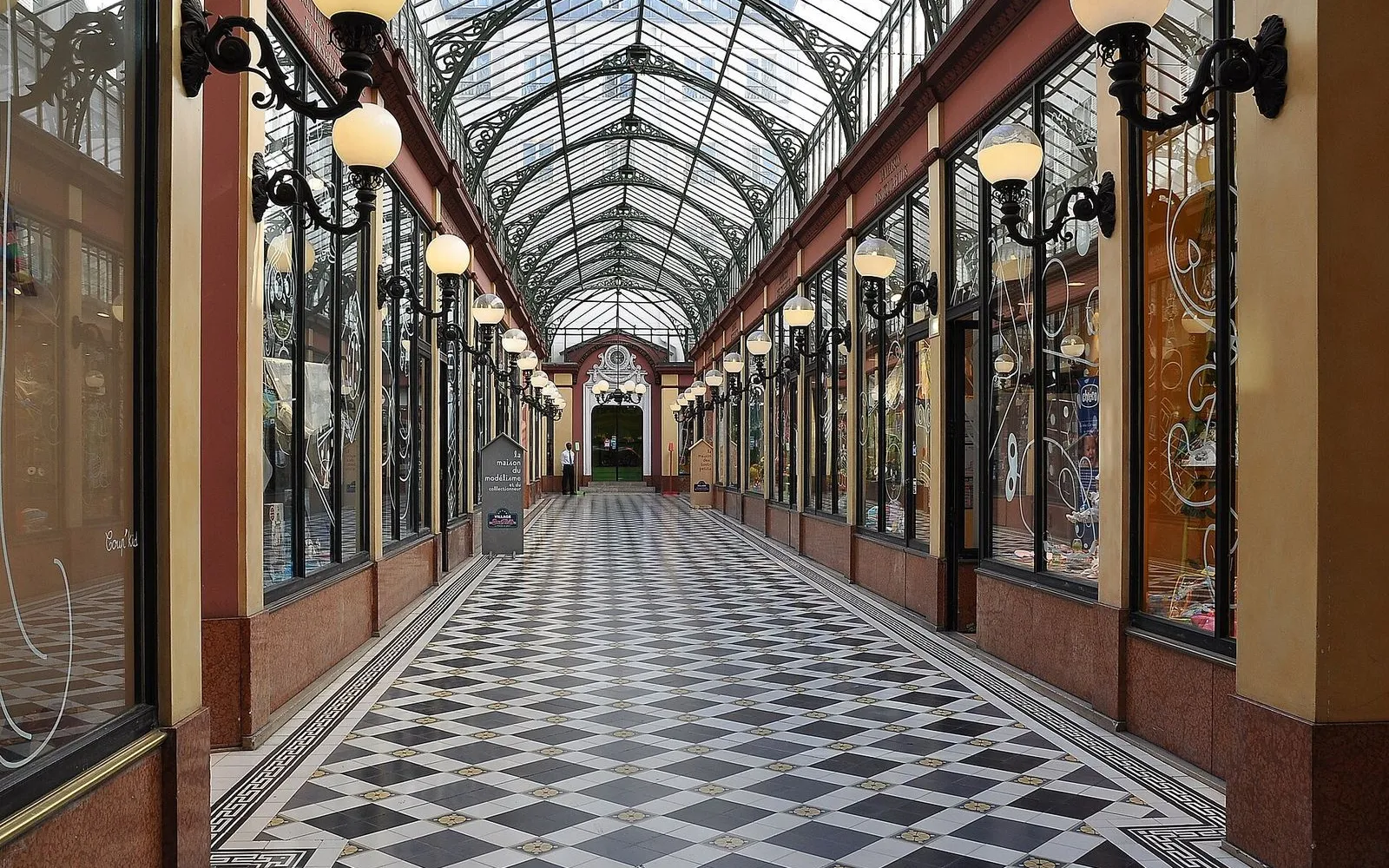
Rain-Proof Paris: The Covered PassagesThe essentials

Rain-Proof Paris: The Covered Passages

Shop like a 19th-century Parisian, sheltered from the rain beneath glass and iron.

6 stops3.1 km45+ min
Art, Empire, and Iron: The 7th Arrondissement WalkThe essentials

Art, Empire, and Iron: The 7th Arrondissement Walk

Three great museums, Napoleon's tomb, the Eiffel Tower, and a market street where Parisians shop for dinner, all in one flat, walkable morning.

6 stops4.6 km65+ min
Montmartre: The Village on the HillThe local mix

Montmartre: The Village on the Hill

Climb through the old village that artists, winemakers, and rebels called home, from a wall of love to a hillside vineyard to the quiet back lanes most visitors never see.

8 stops2.3 km40+ min
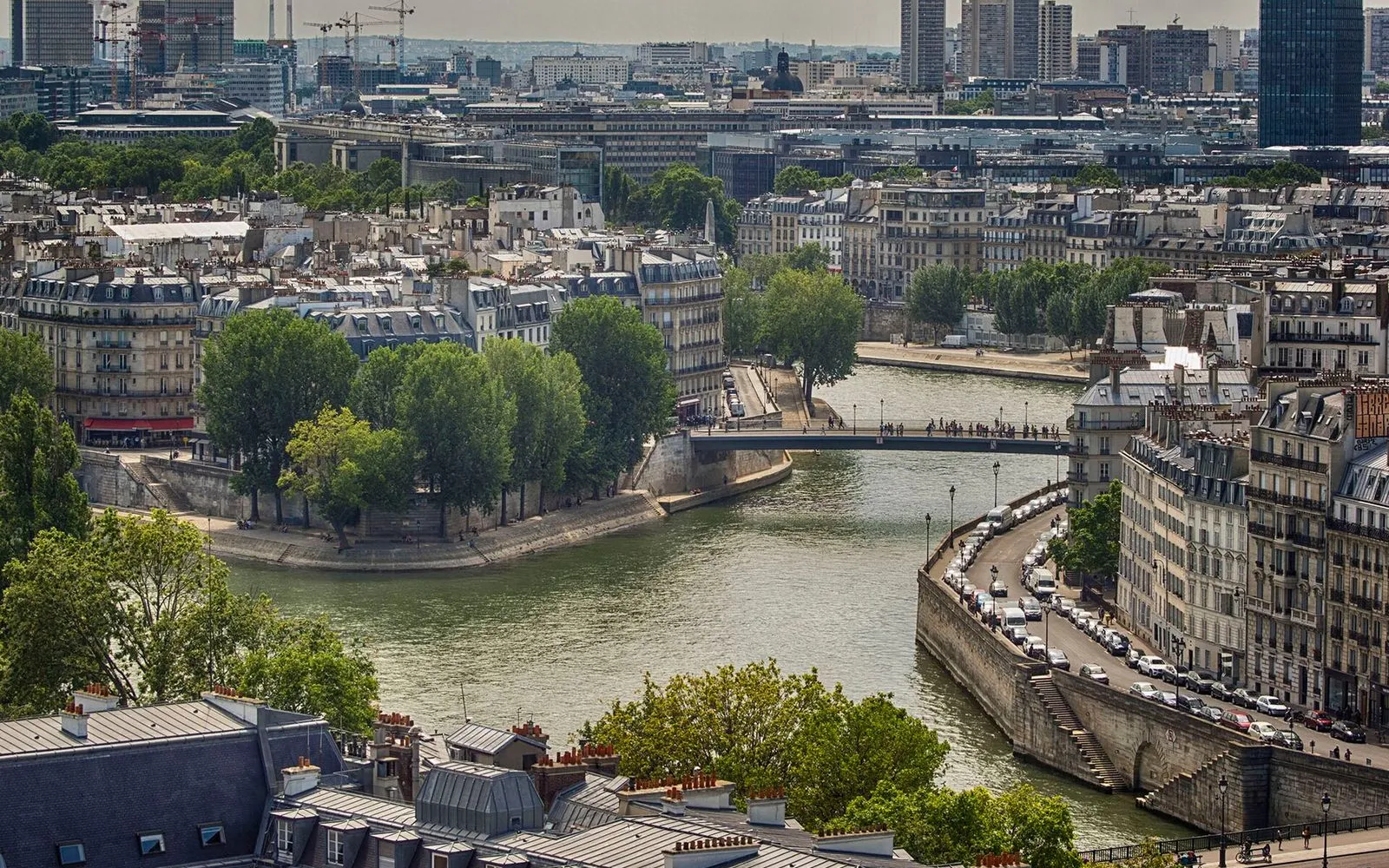
The Two Islands: Paris Began HereThe essentials

The Two Islands: Paris Began Here

A walk across the two islands where Paris was born, from a king's jewel box of stained glass to a 17th-century village that still feels like a secret.

7 stops2.4 km40+ min

Provenance · last verified August 20, 2026

Built from the Wayside route itself: the stops, their order, and the walk between them.

Photo by Alexander Baxevanis from London, UK on Wikimedia Commons · CC BY 2.0

Photo by DiscoA340 on Wikimedia Commons · CC BY-SA 4.0

Photo by Yiwen on Unsplash

Photo by Делфина on Wikimedia Commons · CC BY-SA 4.0

Photo by Michal Osmenda from Brussels, Belgium on Wikimedia Commons · CC BY-SA 2.0

Photo by DimiTalen on Wikimedia Commons · CC0

Photo by Moonik on Wikimedia Commons · CC BY-SA 3.0

Photo by Moonik on Wikimedia Commons · CC BY-SA 3.0

Photo by Basile Morin on Wikimedia Commons · CC BY-SA 4.0

Photo by Simon Infanger on Unsplash

Photo by Claude Attard from Toulouse, France on Wikimedia Commons · CC BY 2.0

Coming soon

Wayside isn't in the app stores yet, but it's in the works. Check back soon.