London · Self-guided audio walk

Crown, Commons, and a Beheading

A walk through the London where power is won, lost, and put on display.

  • 9Stops
  • 3.8 kmDistance
  • 55+ minTime
Crown, Commons, and a Beheading

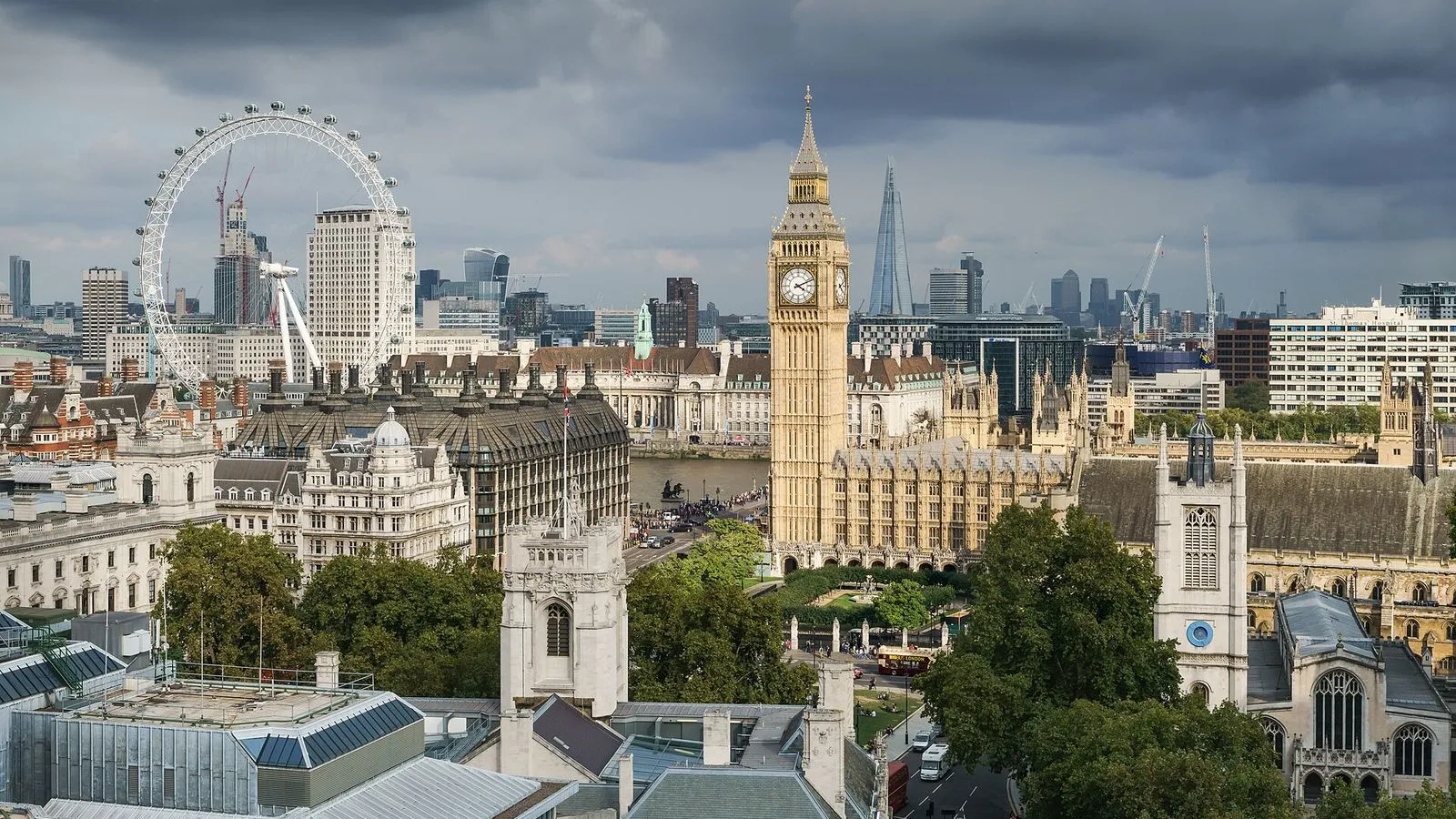
Photo by Txllxt TxllxT on Wikimedia Commons

This walk threads the places where British power is exercised, disputed, and performed. Begin at Westminster Abbey, the coronation church since 1066. Cross Parliament Square to the Palace of Westminster and the Elizabeth Tower. Follow Whitehall to the underground Churchill War Rooms, to Horse Guards Parade, and to Banqueting House, where Charles I was beheaded. Continue to Trafalgar Square, then take The Mall to Buckingham Palace. Along the way you will hear what happened at each place rather than just what it is called. The route runs about two and a half hours at an easy pace, most of that standing time; the walking alone is under an hour.

Hear it on the street

Get the turn-by-turn audio guide in the app. The narration plays itself as you reach each stop, hands-free and offline.

Stop by stop

The route

Interactive map of the route. The full stop list below works without it.

Westminster AbbeyMust see

Photo by Giuseppe Milo (www.pixael.com) on Openverse

Westminster Abbey

0:00

The coronation church of England since 1066, where every monarch since William the Conqueror has been crowned.

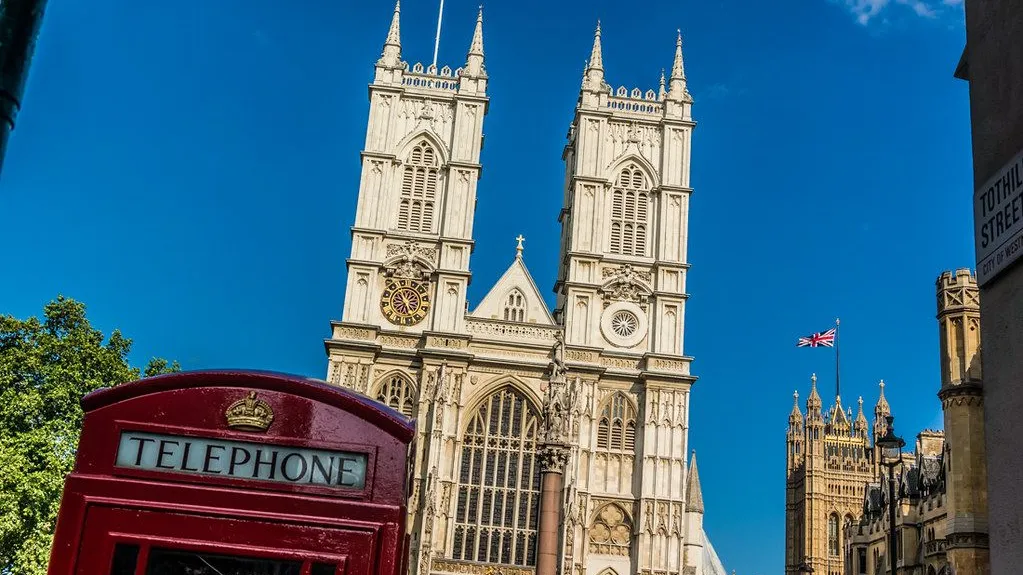
Stand facing the great west front. This is Westminster Abbey, and it has been the site of every English and British coronation since Christmas Day 1066, when William the Conqueror had himself crowned here to nail his claim as the legitimate successor of Edward the Confessor. Since then, 39 coronations have taken place inside. The last was King Charles III, in May 2023.

The Coronation Chair, made in 1300, has been used by every monarch since 1626. The Abbey is also a burial place: seventeen monarchs lie here, along with Isaac Newton, Charles Darwin, and the unknown soldier of the First World War. The two west towers were added in the eighteenth century by Nicholas Hawksmoor, but the body of the church is essentially the one Henry III began rebuilding in 1245, inspired by the new Gothic cathedrals of France.
≈2 min walk to the next stop
Parliament SquareMust see

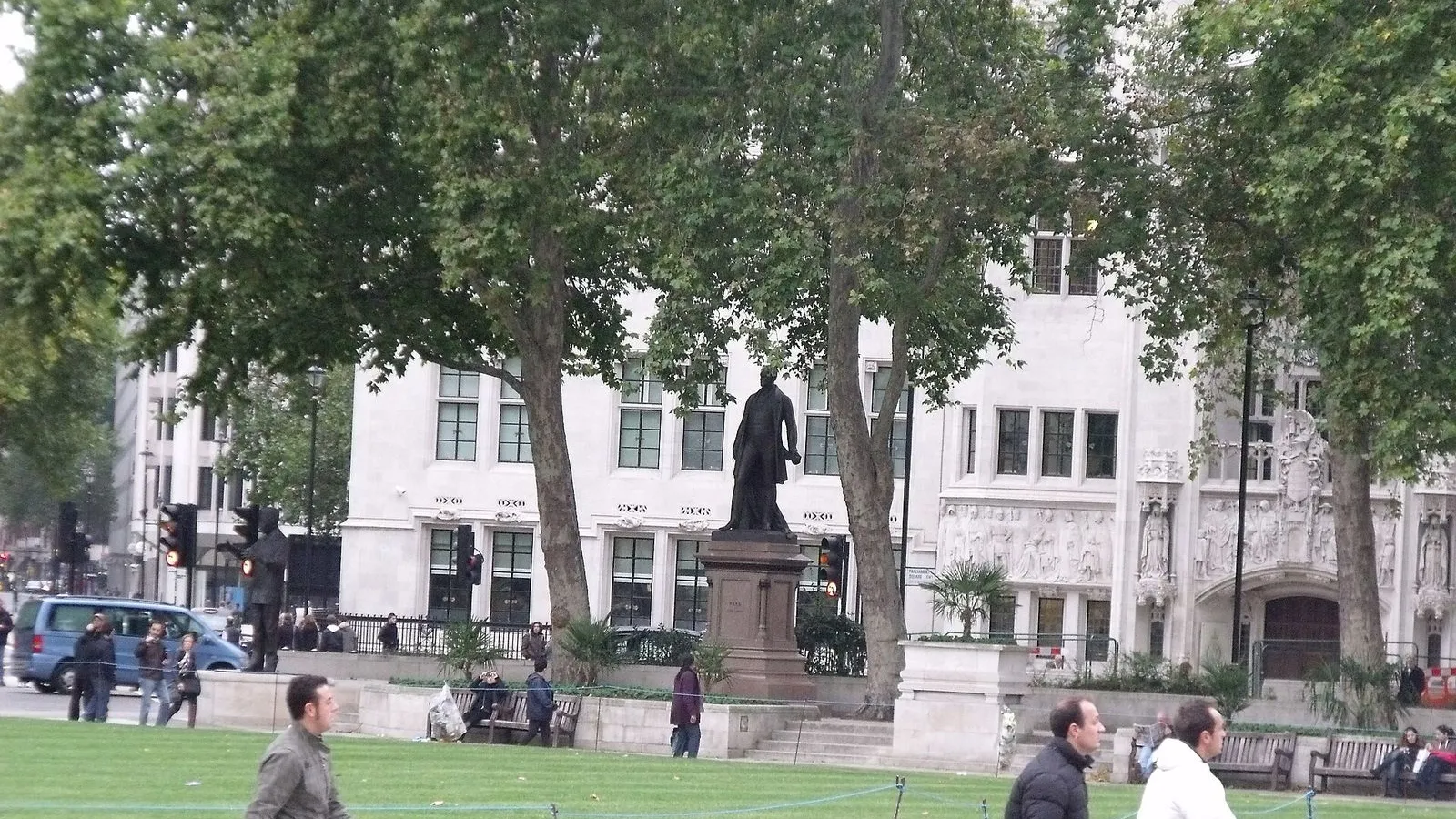
Photo by Elliott Brown from Birmingham, United Kingdom on Wikimedia Commons

Parliament Square

0:00

A green square ringed by statesmen, where protest and ceremony share the same ground.

You are in Parliament Square, laid out in the 1860s to open up the view of the new Palace of Westminster. Look around: the statues are a roll call of British political memory. Winston Churchill faces the Commons; to his left is David Lloyd George, the prime minister who led Britain through the last years of the First World War. Nelson Mandela stands on the south side, a bronze gift from South Africa unveiled in 2007.

The square has been the setting for protests and vigils for over a century: suffragettes, the Poll Tax riots, anti-war demonstrations, and Extinction Rebellion all have histories here. Directly south, the Supreme Court of the United Kingdom sits in the former Middlesex Guildhall. Straight ahead, across the road, rises the Palace of Westminster.

≈4 min walk to the next stop
Palace of WestminsterMust see

Photo by Colin on Wikimedia Commons

Palace of Westminster

0:00

The meeting place of Parliament since the thirteenth century, rebuilt after fire, crowned by the world's most famous clock.

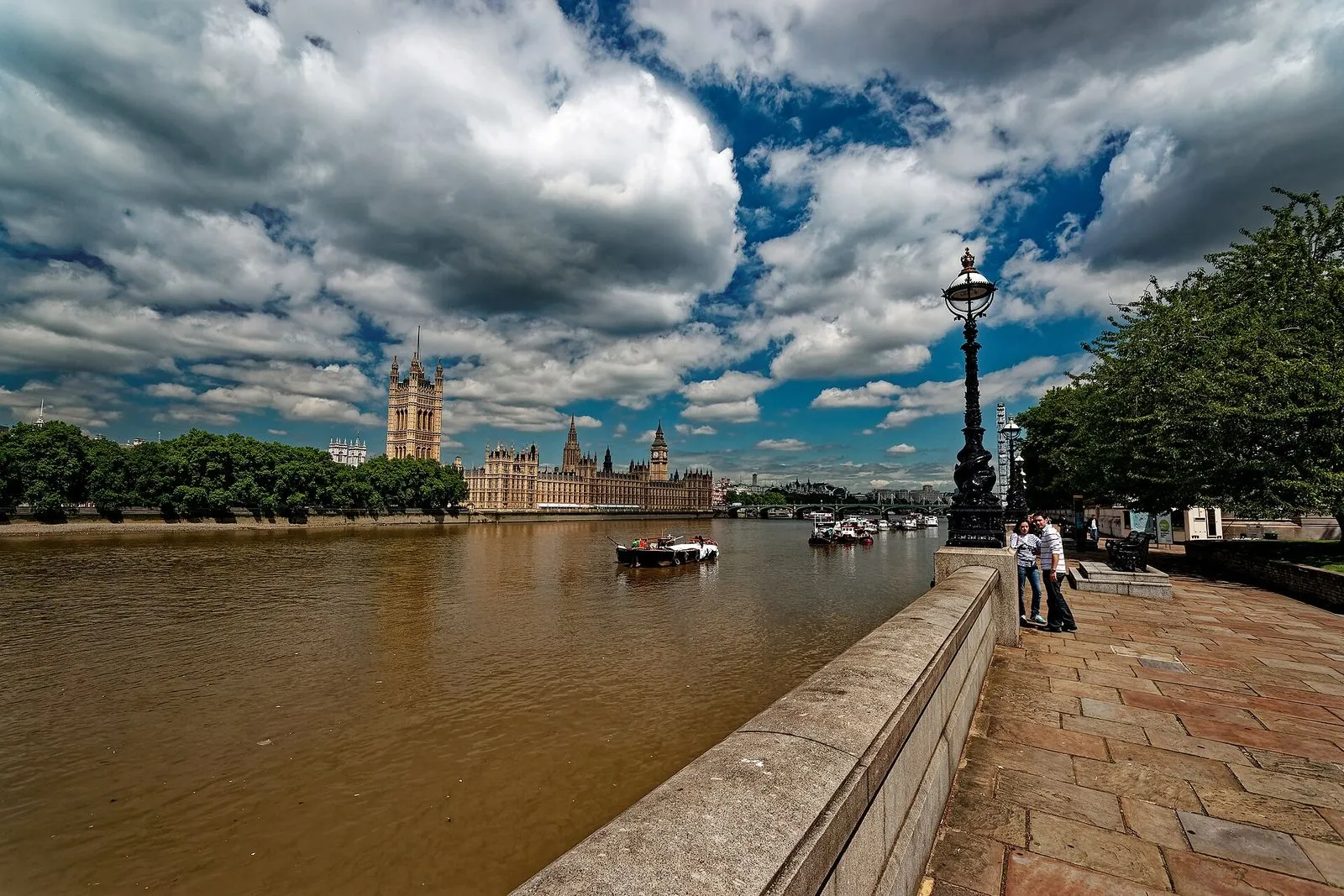
This is the Palace of Westminster, home to the House of Commons and the House of Lords. The medieval palace burned almost completely in 1834, and the building you see was designed by Charles Barry with Augustus Pugin in the Gothic Revival style. Look up: the Elizabeth Tower, known everywhere as Big Ben, rises 96 metres at the north end. Big Ben is strictly the name of the great bell, 13.7 tonnes, cast at the Whitechapel Bell Foundry in 1858.

The tower was renamed in 2012 for Queen Elizabeth II's Diamond Jubilee. The light above the clock face is the Ayrton Light; it glows whenever Parliament is sitting. The Commons chamber was destroyed by a German bomb in 1941 and rebuilt by Giles Gilbert Scott in a simpler style. The green benches you know from television are a postwar recreation of a Victorian debating chamber, deliberately small so that even a thin House feels full and confrontational.

≈8 min walk to the next stop
Free preview ends here · stops 4 to 9 continue in the app

Churchill War Rooms

The underground bunker where Churchill and his war cabinet met 115 times during the Blitz and the V-weapon offensive.

in app

Horse Guards Parade

The ceremonial parade ground behind Whitehall, site of Trooping the Colour and the beach volleyball at the 2012 Olympics.

in app

Banqueting House

The last surviving piece of the Palace of Whitehall, and the spot where a king lost his head.

in app

Trafalgar Square

London's central meeting place, built to commemorate a naval victory, dominated by Nelson's Column and four bronze lions.

in app

The Mall

The processional road laid out for royal occasions, lined with plane trees and leading the eye straight to Buckingham Palace.

in app

Buckingham Palace

The London residence of the British monarch since 1837, fronted by the Victoria Memorial and the balcony where royal newlyweds wave to the crowds.

in app
Good to know

Before you go

How long does the Crown, Commons walk take?

The walking route alone runs about two hours without entering any building. If you go inside Westminster Abbey add ninety minutes, and the Churchill War Rooms add another two hours. With both interiors the walk fills a full morning and early afternoon.

Do I need to book anything on this walk?

Westminster Abbey and the Churchill War Rooms both require timed tickets. Book online in advance, especially between May and September. The other stops are outdoor public spaces with no admission or booking.

SourceWestminster Abbey: Plan your visit
Keep exploring

More walks in London

Seven Dials to Denmark Street: Covent Garden & SohoThe local mix

Seven Dials to Denmark Street: Covent Garden & Soho

A late-afternoon walk through the West End's twin engines of pleasure, from a seven-street junction to London's guitar row, with the story of a water pump that changed medicine.

8 stops2.6 km45+ min
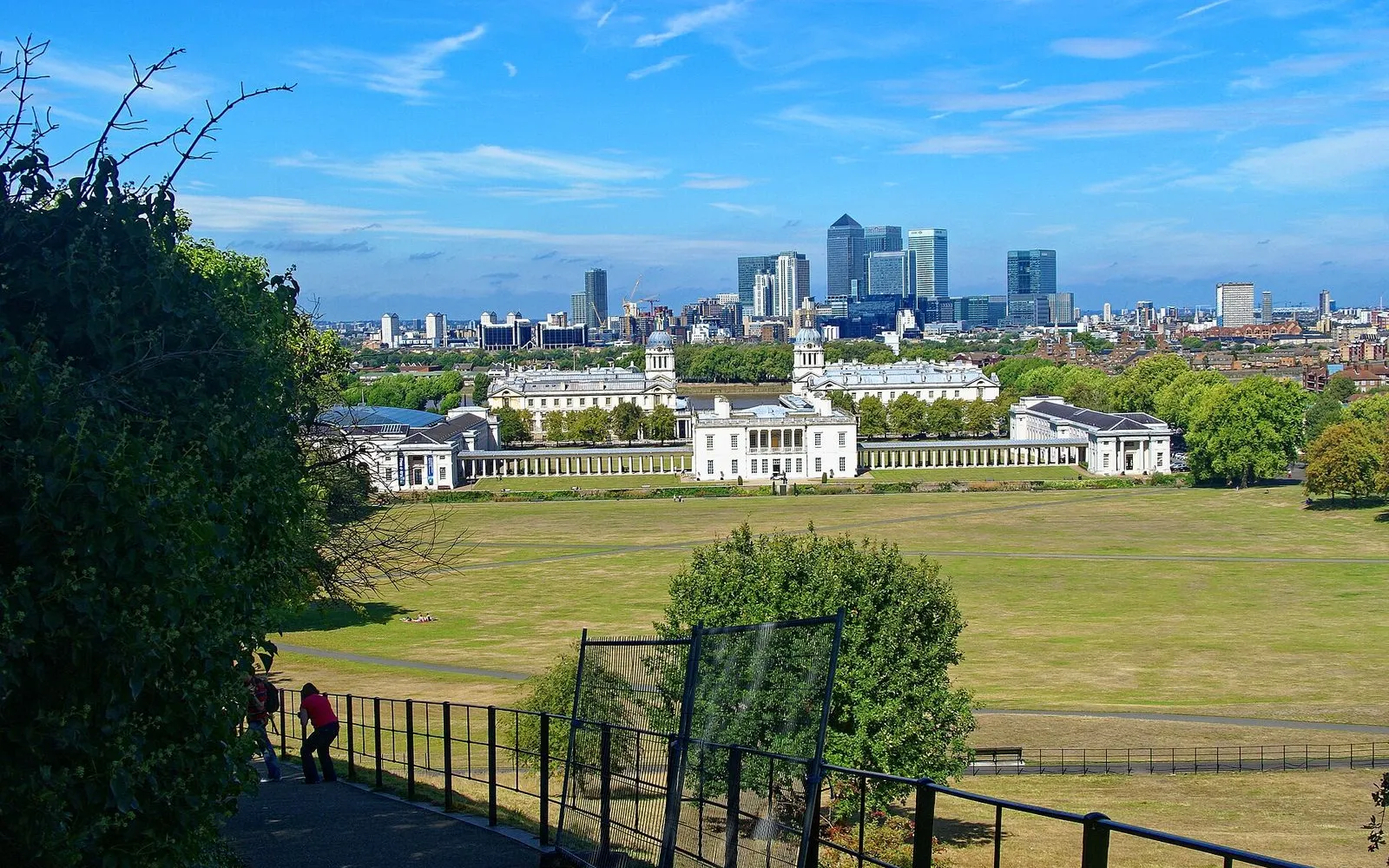
Maritime Greenwich: Ships, Palaces, and the Prime MeridianThe essentials

Maritime Greenwich: Ships, Palaces, and the Prime Meridian

A half-day walk through the UNESCO World Heritage site where time begins, tea clippers raced, and a queen built England's first classical house.

6 stops2.1 km35+ min
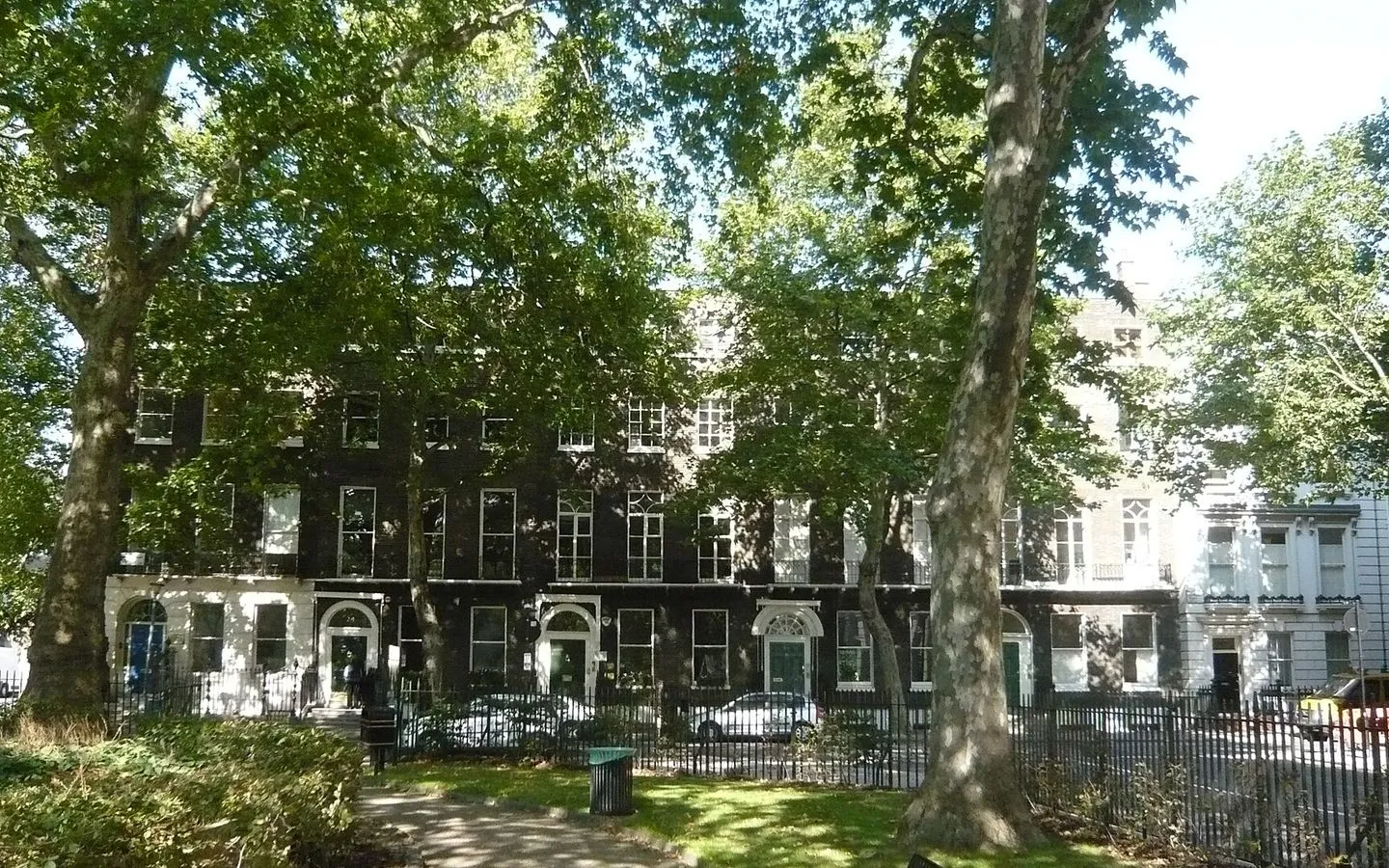
Holborn's Quiet Side: From the Temple to BloomsburyThe essentials

Holborn's Quiet Side: From the Temple to Bloomsbury

A walk through legal London and literary homes, where Georgian squares and hidden gardens sit just off the city's rush.

7 stops3.5 km55+ min
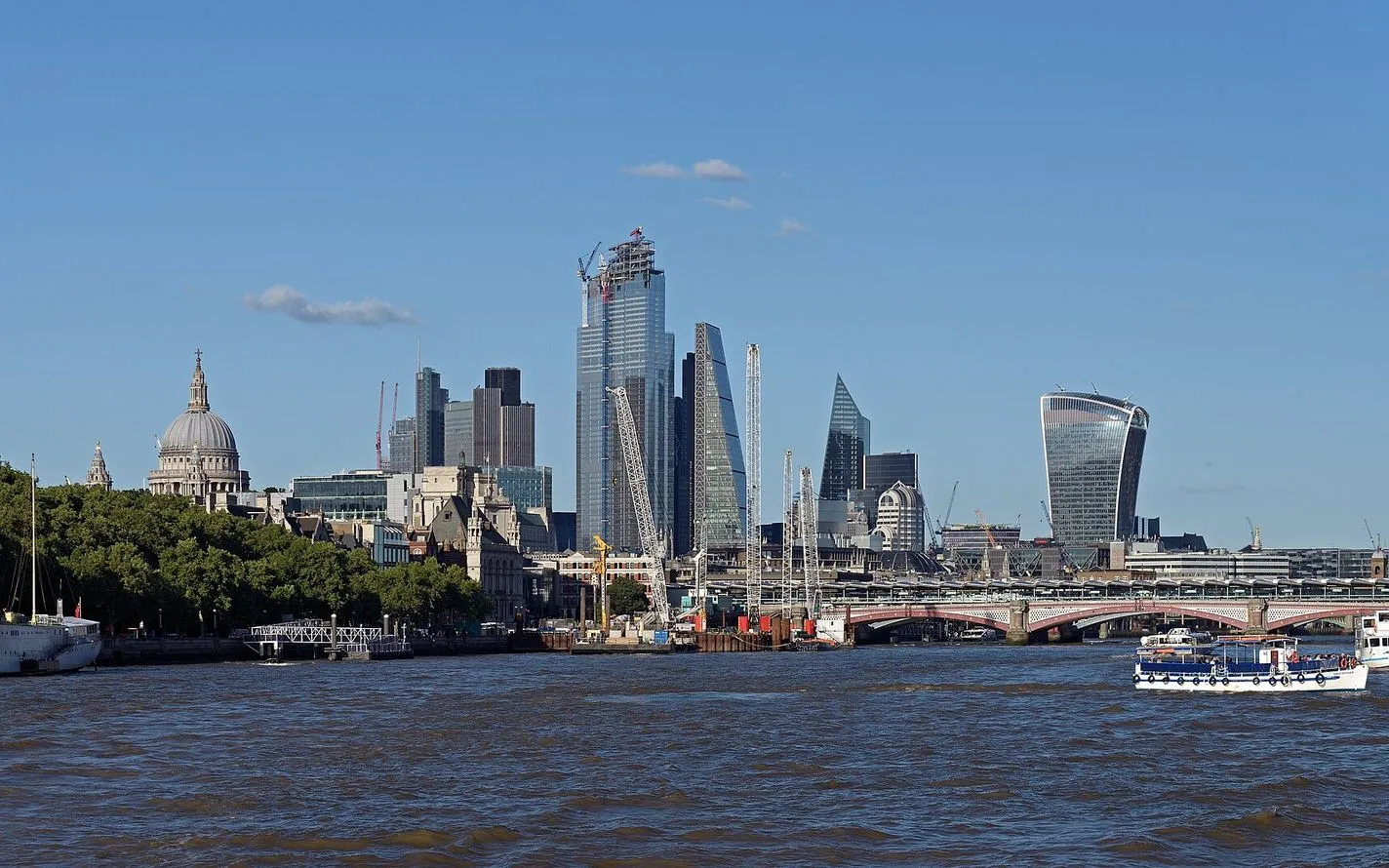
The City's Layers: A Walk Through the Square MileThe essentials

The City's Layers: A Walk Through the Square Mile

Roman stones, medieval halls, Wren's dome, and a column that measures its own history.

6 stops2.1 km30+ min
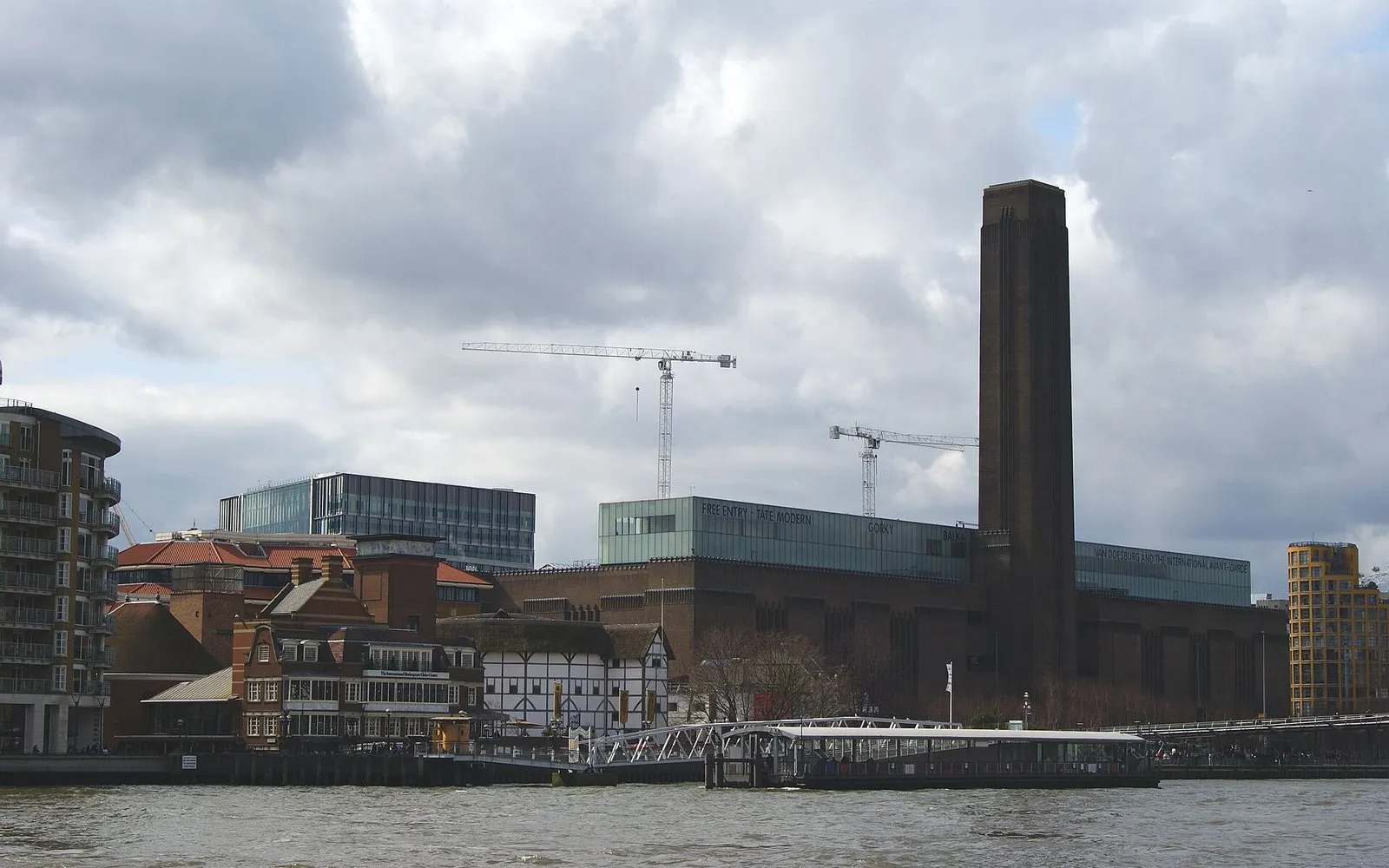
Bankside: London's First Entertainment DistrictThe local mix

Bankside: London's First Entertainment District

Walk the Thames Path through the unruly heart of Elizabethan London, from bear pits and brothels to today's art, theatre, and food.

7 stops2.7 km40+ min
Spitalfields: Four Faiths, One StreetThe essentials

Spitalfields: Four Faiths, One Street

A ninety-minute walk through the London neighbourhood where Huguenot silk weavers, Jewish tailors, and Bengali chefs all left their mark on the same few blocks.

6 stops1.5 km25+ min
The Grove: Windrush, Riots, and CarnivalThe local mix

The Grove: Windrush, Riots, and Carnival

Walk the streets that built Black Britain, from Windrush settlers to the birth of Notting Hill Carnival, on a route the guidebooks leave out.

7 stops4.7 km70+ min

Provenance · last verified August 18, 2026

Built from the Wayside route itself: the stops, their order, and the walk between them.

Photo by Txllxt TxllxT on Wikimedia Commons · CC BY-SA 4.0

Photo by Giuseppe Milo (www.pixael.com) on Openverse · CC BY 2.0

Photo by Elliott Brown from Birmingham, United Kingdom on Wikimedia Commons · CC BY 2.0

Photo by Colin on Wikimedia Commons · CC BY-SA 4.0

Photo by Miki Nishimura on Unsplash

Photo by Txllxt TxllxT on Wikimedia Commons · CC BY-SA 4.0

Photo by ricardo from London on Wikimedia Commons · CC BY 2.0

Photo by Ввласенко on Wikimedia Commons · CC BY-SA 3.0

Photo by Peter Trimming on Wikimedia Commons · CC BY-SA 2.0

Photo by beareye2010 on Wikimedia Commons · CC0

Photo by Scalondonuk on Wikimedia Commons · CC BY-SA 4.0

Coming soon

Wayside isn't in the app stores yet, but it's in the works. Check back soon.