Walking tours in the United Kingdom
The United Kingdom packs four nations onto one small group of islands, and the ground changes faster than the map suggests: Highland lochs and islands in the north, the fells and lakes of Cumbria, the mountains of Snowdonia and the Welsh coast, then the Causeway Coast's cliffs. London has Westminster Abbey, the Palace of Westminster and a riverfront of markets and galleries; Edinburgh climbs a volcanic crag from castle to palace; Glasgow keeps its Victorian swagger and free museums; Cardiff has a castle beside the main shopping streets; Belfast built the Titanic and remembers it. The food is comfort cooking, done properly: fish and chips from a good chippy, a Sunday roast with Yorkshire pudding, the full breakfast, and curry houses that have fed the country for generations. Getting around feels easy: trains put you in the middle of each city, pubs anchor every town, and history is the everyday backdrop.

Photo by Arpita Ghosh on Unsplash
When is the best time to visit the United Kingdom?
Spring
- Months
- March to May
- Weather
- Changeable weather with a slow warm-up; May is often the driest month in southern England, and the Met Office holds 1991 to 2020 averages for every region.SourceMet OfficeWikipedia
- Crowds
- Easter holidays and the two May bank holidays fill cities and roads; the coast and the Highlands stay quiet until late May.
Summer
- Months
- June to August
- Weather
- July is the warmest and sunniest month, with England averaging about 193.5 hours of sunshine; long hot spells are rare, though heatwaves happen.SourceWikipedia
- Crowds
- Peak season: school holidays from mid-July, Edinburgh's festival month in August, and the year's highest train and hotel prices.
Autumn
- Months
- September to November
- Weather
- Rain and wind build as Atlantic weather arrives, heaviest in western Scotland, Wales and the west of England.SourceWikipedia
- Crowds
- Crowds thin after the first week of September; late-October school holidays bring a spike in family attractions and city breaks.
Winter
- Months
- December to February
- Weather
- January is the coldest month; southern England sees the mildest conditions, while Scotland is colder and wetter, with snow most likely in the Highlands.SourceWikipedia
- Crowds
- Christmas markets and New Year celebrations fill the cities, then January and February outside school breaks are the quietest weeks of the year.
| Season | Months | Weather | Crowds |
|---|---|---|---|
| Spring | March to May | Changeable weather with a slow warm-up; May is often the driest month in southern England, and the Met Office holds 1991 to 2020 averages for every region.SourceMet OfficeWikipedia | Easter holidays and the two May bank holidays fill cities and roads; the coast and the Highlands stay quiet until late May. |
| Summer | June to August | July is the warmest and sunniest month, with England averaging about 193.5 hours of sunshine; long hot spells are rare, though heatwaves happen.SourceWikipedia | Peak season: school holidays from mid-July, Edinburgh's festival month in August, and the year's highest train and hotel prices. |
| Autumn | September to November | Rain and wind build as Atlantic weather arrives, heaviest in western Scotland, Wales and the west of England.SourceWikipedia | Crowds thin after the first week of September; late-October school holidays bring a spike in family attractions and city breaks. |
| Winter | December to February | January is the coldest month; southern England sees the mildest conditions, while Scotland is colder and wetter, with snow most likely in the Highlands.SourceWikipedia | Christmas markets and New Year celebrations fill the cities, then January and February outside school breaks are the quietest weeks of the year. |
Highlights across the United Kingdom
- Westminster Abbey, the coronation church since 1066, and the walk down Whitehall past the Banqueting House where Charles I was beheaded.
- St Paul's Cathedral and the Square Mile, from the Guildhall and Leadenhall Market to the Monument that measures the Great Fire.
- Borough Market's stalls and Shakespeare's Globe on the Thames Path through Bankside.
- The Cutty Sark in dry dock and the Royal Observatory on the Prime Meridian above Greenwich.
- Fournier Street's Georgian weavers' houses and the Brick Lane building that has been a chapel, a synagogue and a mosque.
- St Giles' Cathedral, the Mercat Cross and the closes that drop off both sides of the Royal Mile.
- The Grassmarket, once the city's market square and its gallows, and Greyfriars Kirkyard above it.
- Calton Hill's unfinished National Monument, twelve columns standing over the Old Town.
- Dean Village's old mill buildings and St Bernard's Well on the Water of Leith.
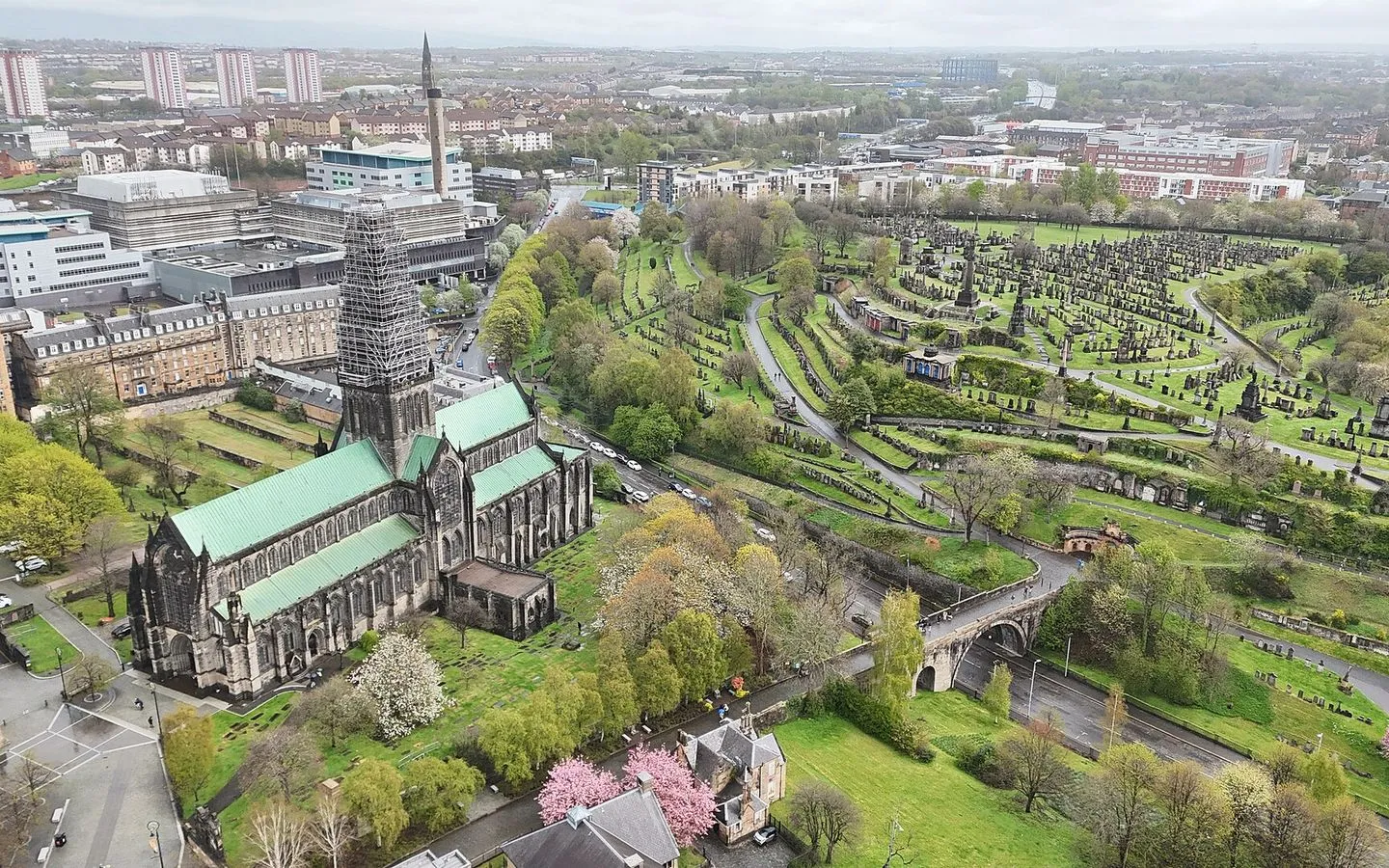
- Glasgow Cathedral, the most complete medieval cathedral on the Scottish mainland, and the Necropolis on the hill above it.
- Kelvingrove Art Gallery and Museum's 22 galleries and the Kibble Palace glasshouse in the Botanic Gardens.
- The Tall Ship Glenlee and the Finnieston Crane on Glasgow's Clyde waterfront.
- The Viking-age carved stones at Govan Old Parish Church, on the south bank of the Clyde.



Planning a trip to the United Kingdom
Do I need a visa for the UK?
Most visitors, including travellers from the United States, Canada, Australia and Europe, do not need a visa for a stay of up to six months, but they do need an electronic travel authorisation. It costs £20, lasts two years or until your passport expires, and covers multiple visits; apply online or in the UK ETA app. Decisions usually arrive within a day, though you should allow up to three working days, and you must have the confirmation email before you travel.
SourceGOV.UK: Get an electronic travel authorisation (ETA)GOV.UK: Apply for an ETAGOV.UK: Check if you can get an ETAIs the UK expensive?
The UK is expensive in London and easier on the wallet almost everywhere else. Glasgow's Kelvingrove, the cathedral and the Necropolis are free, Edinburgh's national museums charge nothing, and London's big museums are free, so the paid entries are a short list: £37 online for the Tower of London and £23.50 online for Edinburgh Castle against £26 at the gate. Rail fares swing more than anything else, with advance singles from £41.40 on the London to Edinburgh route versus walk-up prices decided by how early you book.
SourceHistoric Royal Palaces: Tower of London tickets and pricesEdinburgh Castle: TicketsLNER: London King's Cross to Edinburgh trainsWhich cities should I visit in the UK?
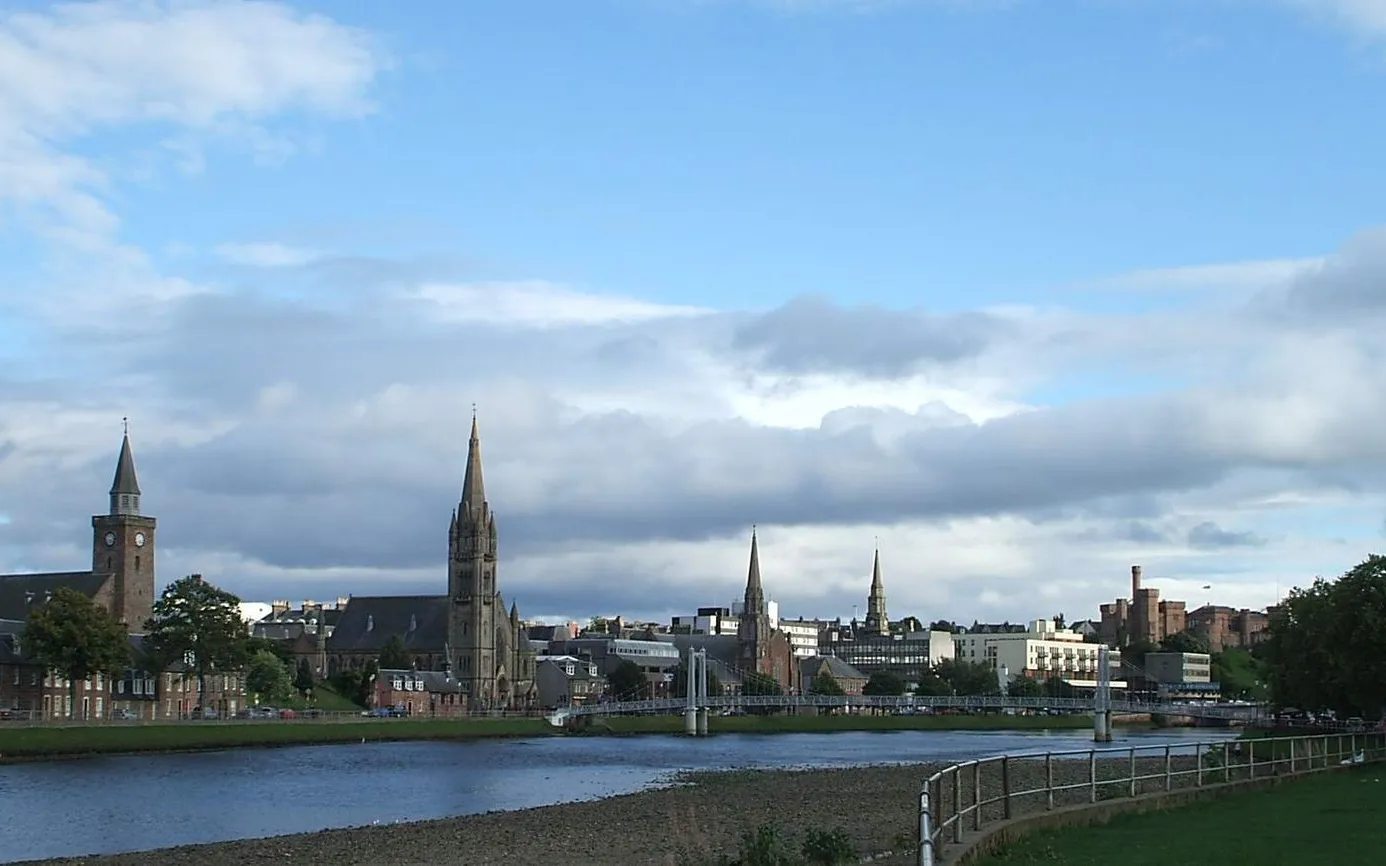
For a first trip, London, Edinburgh and Glasgow cover the capital's set pieces, Scotland's medieval Old Town and the best of Victorian Britain between them. Add Inverness if you want the Highlands alongside your city time, York for a walled Roman town on the way north, or Oxford for a day out from London. Belfast and Cardiff each work as a base for their own separate trip.
When is the best time to visit the UK?
The best months for a UK trip are late spring and early autumn, when daylight lasts well into the evening, the crowds are thinner than in high summer and hotel rates are lower. July and August are the busiest and most expensive weeks, and festival season fills Edinburgh, so book early if those dates are fixed. Winter is quiet and cheap, with short days and the odd weather-related train cancellation.
How do I get around the UK?
The UK is easiest to cross by train. The rail network links the cities on this route without a car, and Advance tickets go on sale about 12 weeks ahead at a fraction of the walk-up price; on LNER routes, buying at least four weeks early saves an average of up to 47%. A 26-30 Railcard costs £35 a year and takes about a third off most fares. Coaches are cheaper and slower, and a hire car earns its keep only in the countryside, where the rail lines thin out.
SourceTrainline: London to Edinburgh train times and faresLNER: Trains to EdinburghRailcard.co.uk: Railcards and pricesWhat money do I need in the UK?
The UK uses pounds sterling, and cards and phones are accepted almost everywhere, from pubs to ticket machines. In London you can tap a contactless card straight through the ticket gates on the Tube and buses, and the fares are capped automatically by day. Keep a little cash for the odd market stall.
SourceTransport for London: Caps and Travelcard pricesMore of the United Kingdom
- ItineraryOne week in the United KingdomLondon's abbey and Roman-walled City, the Royal Mile from castle to palace, then Glasgow's free museums and a crane on the Clyde.
- Know before you gothe United Kingdom essentialsThe national facts to settle before a first UK trip: entry authorisation, money and local visitor levies, inter-city trains, plugs, and what to do in an emergency.

Plan your visit
Take the United Kingdom with you.
Download Wayside for self-guided walks in London, Edinburgh, Glasgow and Inverness.
Provenance · last verified September 27, 2026
Researched by Wayside, with every operational fact checked against the source.
SourcesBank of EnglandGOV.UKDrinking Water InspectorateWorld StandardsNHSNHSWikipediagov.scotBBC NewsCity of Edinburgh CouncilMet OfficeWikipediaGOV.UK: Get an electronic travel authorisation (ETA)GOV.UK: Apply for an ETAGOV.UK: Check if you can get an ETAHistoric Royal Palaces: Tower of London tickets and pricesEdinburgh Castle: TicketsLNER: London King's Cross to Edinburgh trainsTrainline: London to Edinburgh train times and faresLNER: Trains to EdinburghRailcard.co.uk: Railcards and pricesTransport for London: Caps and Travelcard prices
Photo by Arpita Ghosh on Unsplash
Photo by Ziyao Xiong on Unsplash
Photo by Jarred Kyle on Unsplash
Photo by 瑞丽江的河水 on Wikimedia Commons · CC BY-SA 4.0
Photo by Dave Conner from Inverness, Scotland on Wikimedia Commons · CC BY 2.0
Photo by Benjamin Davies on Unsplash