Self-guided walking tours in Bath
4 walking toursEngland, United Kingdom

Photo by Ziyao Xiong on Unsplash
Bath is a compact World Heritage city of honey-coloured stone, where Roman baths, a medieval abbey and Georgian crescents sit within twenty minutes of one another on foot. A day or two of walking covers all of it: shop-lined Pulteney Bridge, curved terraces above the rooftops, Walcot Street's independents and Saturday market, and the canal-side lawns and iron bridges of Sydney Gardens.
- ItineraryOne day in BathOne day on foot: the hot spring and the abbey quarter first, the Crescent and the towpath in the middle, Walcot Street to finish.
- Know before you goBath practicalitiesThe practical briefing for a first trip to Bath: arrivals, buses and park and ride, what to book ahead, and the small local rules that make the day run smoother.
Tours in Bath
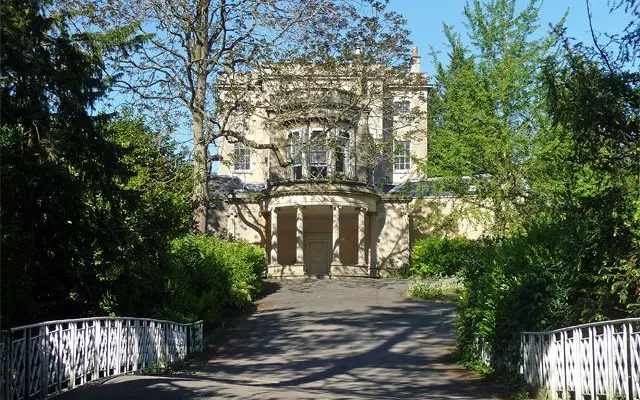 The hidden side
Pulteney Bridge to Sydney Gardens
Cross the Pulteney estate's grandest set piece, from an Adam bridge lined with shops to a Georgian pleasure garden, where a canal, a railway and a towpath cut through what was built to sell houses.
 The local mix
Roman Bath and the Abbey Quarter
One hot spring, six stops: a Roman temple, a medieval abbey, an 800-year-old market and a Georgian spa town, all within a ten minute walk. Bath's shortest tour, and the one that explains the whole city.
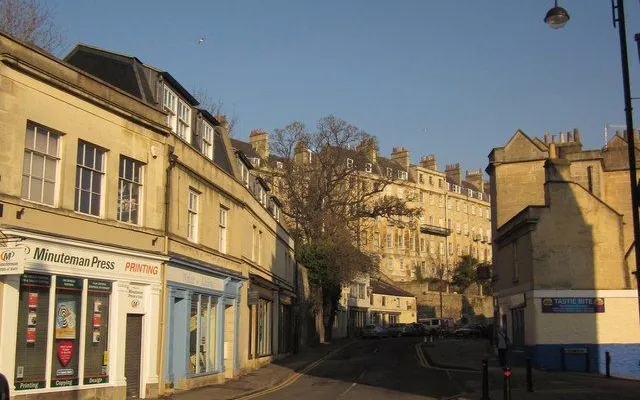 The hidden side
Walcot Street and Camden Crescent
Bath built its elegant face inside the city walls. Outside them, Walcot Street kept making things by hand, and it still does. This walk follows the workshops, the Saturday market ground, and the hill that refused to hold still.
 The local mix
The Georgian Upper Town
Austen's Bath and John Wood's hillside in one climb: a square, a street, a circle, a corridor and the great curve above the park, ending where Persuasion's lovers settle everything.
What you'll see
32 stops mapped across 4 walking tours in Bath. A few of the places the routes take you past:
- Pulteney Bridge
- Laura Place
- Great Pulteney Street
- Holburne Museum
- Sydney Gardens
- Minerva's Temple
- Sydney Gardens Footbridges
- Cleveland House
- Kennet and Avon Canal Towpath
- Guildhall Market
- Bath Abbey
- Parade Gardens
Before you go
Can you see Bath in one day on foot?
Bath is a compact city and one day on foot covers the headline sights: the Roman Baths, Bath Abbey, Pulteney Bridge, the Holburne, the Circus and the Royal Crescent, plus Walcot Street. This itinerary strings Bath's four walks into a single day with no buses and no taxis. The only real effort is the climbing: Gay Street rises to the Circus, and Walcot Street climbs to Camden Crescent. Comfortable shoes matter more than fitness.
Is Bath hilly to walk?
Bath sits in a valley, so the centre has proper hills. The abbey quarter and the Bathwick side around Pulteney Bridge and Great Pulteney Street are level, but the Georgian upper town climbs from Queen Square up Gay Street to the Circus and the Royal Crescent, and Walcot Street rises steadily to Camden Crescent. The Gravel Walk is a gravel path, so bring grippy shoes if rain is forecast.
When is the best time to visit Bath?
The best months to visit Bath are late spring and early autumn, when the city looks its best and the queues are shorter than in high summer. July and August are the busiest weeks, and the Roman Baths advise booking at least 24 hours ahead because timed tickets often sell out. Bath Abbey is an active church, so its visiting hours shift around services and events; check the day's variations before you go. Winter is quieter, but earlier last entries squeeze the upper town into the middle of the day.
SourceRoman Baths, FAQsBath Abbey, visitingWhat is open in Bath on Sundays?
Bath keeps most sights open on Sundays, with two differences to plan around. The Guildhall Market trades Monday to Saturday and is closed on Sundays, so start a Sunday with the abbey instead. The Holburne opens at 11am rather than 10am on Sundays and bank holidays. No. 1 Royal Crescent opens Tuesday to Sunday, which includes Sunday, and the Roman Baths, the abbey and the Jane Austen Centre all open on Sundays as well.
SourceNo. 1 Royal Crescent, visitHolburne Museum, ticket informationRoman Baths, visit pageHow do I get to Bath by train?
Bath Spa (BTH) is the station, in the centre of Bath, and Great Western Railway runs direct trains from London Paddington through the day, roughly every 30 minutes on weekdays. Services from Bristol Temple Meads are frequent too, and the abbey quarter is walkable from the station. Flying long haul, London Heathrow is the usual arrival point: take a rail or coach connection into London and pick up the train west from Paddington.
SourceGreat Western Railway, London to BathWhat is the nearest airport to Bath?
Bristol Airport is the nearest airport to Bath. The A4 Airport Flyer bus runs hourly between the airport and Bath via Keynsham and Saltford, with adult fares of £9.50 single and £16 return; returns are valid for a month. For long-haul arrivals, London Heathrow is the gateway, with rail or coach connections into London for the train to Bath Spa.
SourceBristol Airport, Airport FlyerDo I need to book Bath's attractions in advance?
Book the Roman Baths in advance: timed tickets often sell out, the site recommends booking at least 24 hours ahead, and advance prices are £2 lower than on the day. UK visitors receiving Universal Credit, Pension Credit or Employment and Support Allowance can book £1 tickets. No. 1 Royal Crescent and the Jane Austen Centre both recommend booking online, and the abbey's Tower Tours can be pre-booked. The abbey floor, the Holburne, the gardens and the market can all be decided on the day.
SourceRoman Baths, FAQsNo. 1 Royal Crescent, visitJane Austen Centre, BathHow much does a day in Bath cost?
A day in Bath with three ticketed sights plus two meals lands at roughly £80 to £110 per person: Roman Baths at £26.50 for adults on weekdays booked in advance, a Bath Abbey tower tour at £18 (abbey admission alone is £9) and No. 1 Royal Crescent at £16. Adding the Jane Austen Centre at £18 and the Holburne at £16.50 takes it past £115. There are free levers too: under 18s enter free at No. 1 Royal Crescent and the Holburne, carers go free at the Roman Baths when booked online, and the gardens, the market and the towpath cost nothing.
SourceRoman Baths, tickets and pricingBath Abbey, visitingNo. 1 Royal Crescent, visitHolburne Museum, ticket informationJane Austen Centre, BathHow many days do you need in Bath?
Bath's headline sights fit into one day on foot: the abbey quarter and the Roman Baths, Pulteney Bridge and Bathwick, the Circus and the Royal Crescent, and Walcot Street. A second day lets you slow down: take the abbey tower tour, spend a full morning in the Holburne or the Jane Austen Centre, walk the towpath without watching the clock, and book a session in the warm water at the Cross Bath.
Is Bath safe for visitors?
Bath is a busy, well-lit city centre and the day ends on Walcot Street, whose pubs and restaurants stay open into the evening. Take the usual precautions with bags in crowds, and watch your footing on the gravel path and the older pavements. In an emergency in the UK, call 999 free of charge for police, fire or ambulance; 101 is the non-emergency police line, and 111 is for urgent medical advice that is not life-threatening.

Walk Bath
Get the audio guide in the app.
Take the day with you: turn-by-turn audio, offline maps and every stop in walking order.
More cities in the United Kingdom
Provenance · last verified September 27, 2026
Built from the Wayside walking tours in this city and the stops they cover.
Photo by Ziyao Xiong on Unsplash
Photo by Stephen Richards on Wikimedia Commons · CC BY-SA 2.0
Photo by Hulki Okan Tabak on Unsplash
Photo by Derek Harper on Wikimedia Commons · CC BY-SA 2.0
Photo by Bradley Pritchard Jones on Unsplash