London · Self-guided audio walk

Bankside: London's First Entertainment District

Walk the Thames Path through the unruly heart of Elizabethan London, from bear pits and brothels to today's art, theatre, and food.

  • 7Stops
  • 2.7 kmDistance
  • 40+ minTime
Bankside: London's First Entertainment District

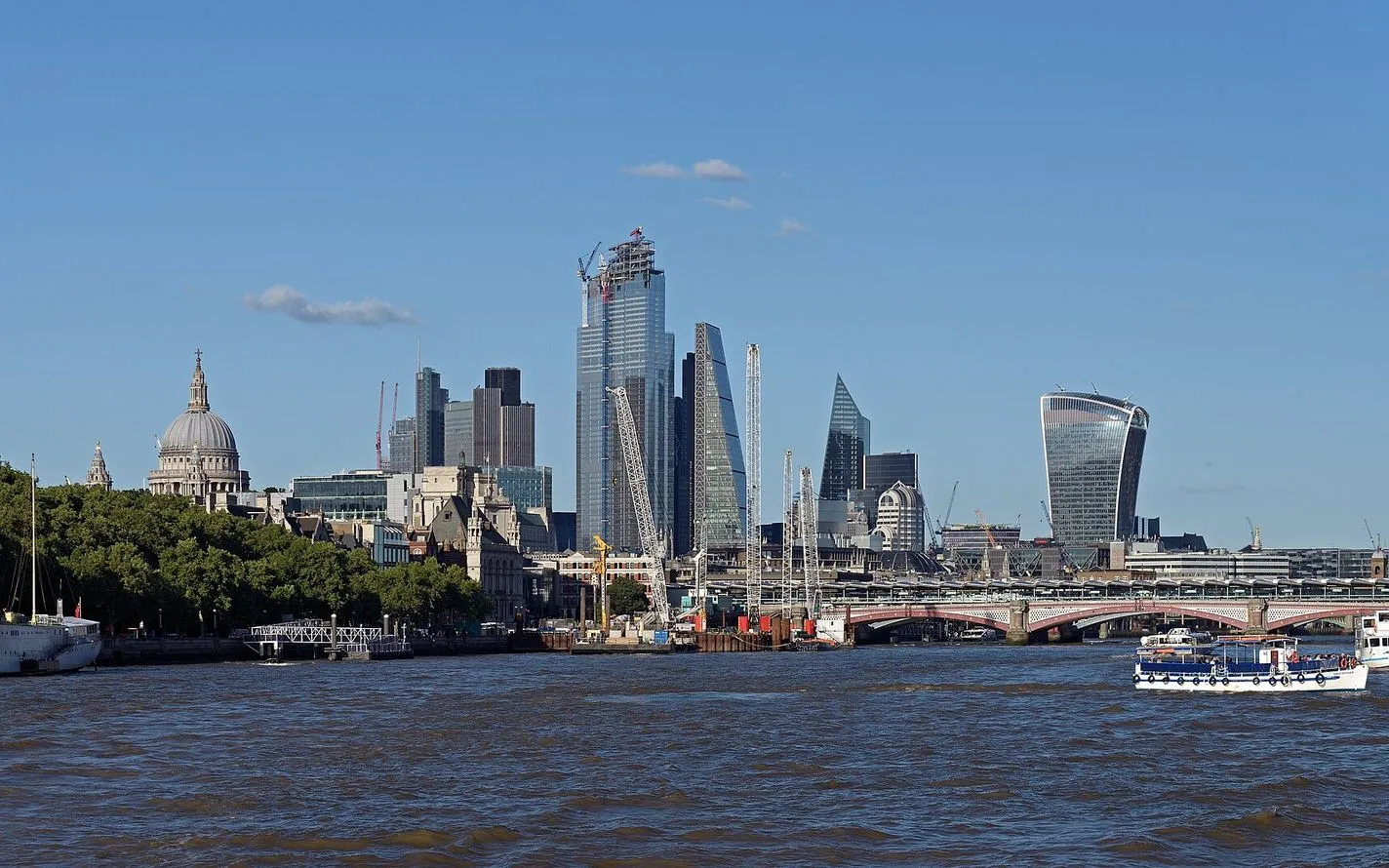
Photo by Peter Trimming on Wikimedia Commons

For centuries, the south bank of the Thames was where London went to play. Outside the City's jurisdiction, Bankside belonged to the Bishop of Winchester, who licensed the brothels, bear-baiting rings, and playhouses the City banned. Shakespeare's Globe stood among them, a wooden O thronged with groundlings. Today that same stretch of river hums with Tate Modern, the rebuilt Globe, Borough Market's food stalls, and the Millennium Bridge framing St Paul's. This walk follows the Thames Path from Blackfriars to London Bridge, threading the old liberties into the new.

Hear it on the street

Get the turn-by-turn audio guide in the app. The narration plays itself as you reach each stop, hands-free and offline.

Stop by stop

The route

Interactive map of the route. The full stop list below works without it.

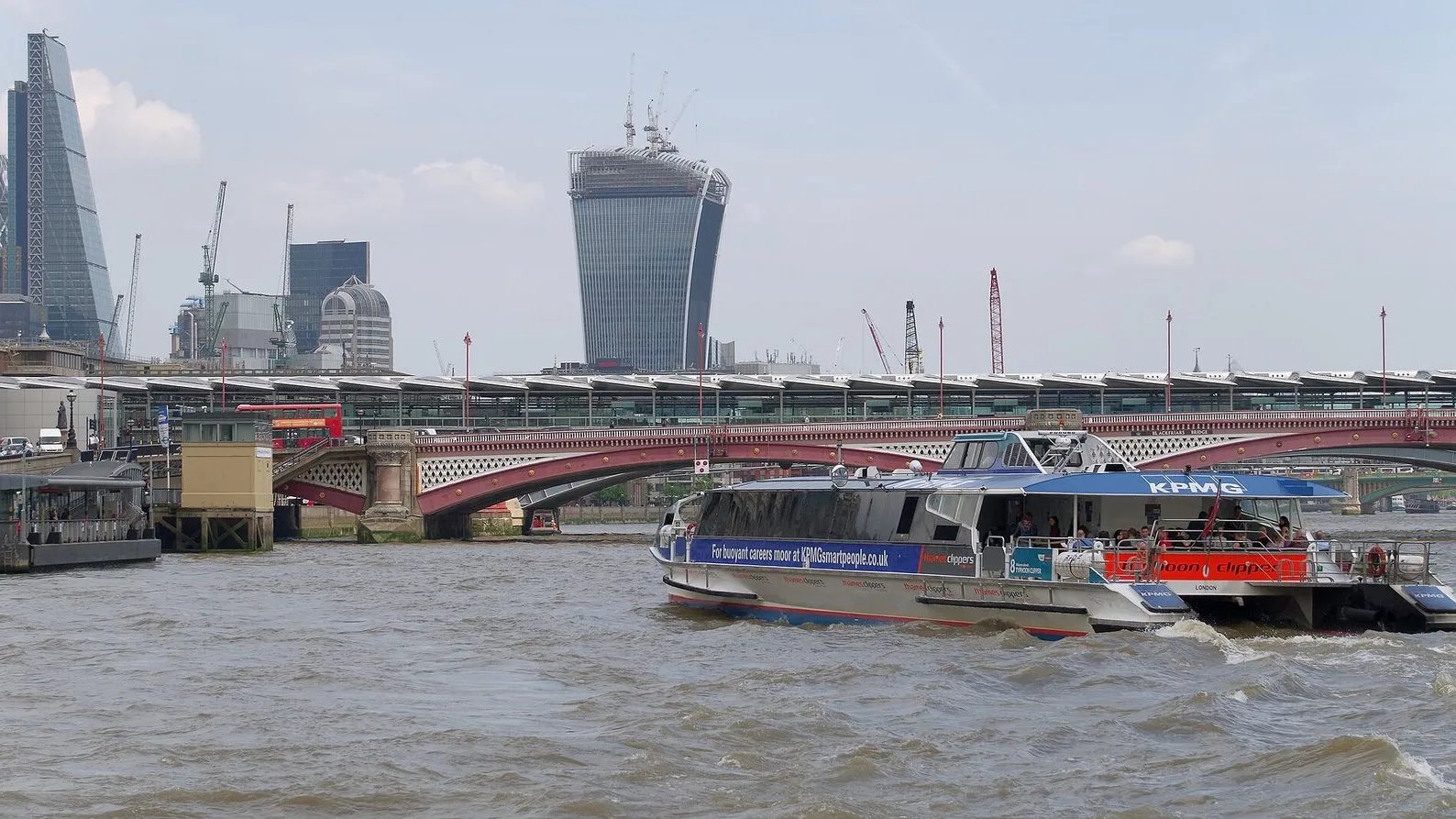
Blackfriars BridgeLocal pick

Photo by mattbuck on Wikimedia Commons

Blackfriars Bridge

0:00

The walk begins on the south bank, near the point where Victorian London crossed the river. The Thames Path stretches east along a shore that was, for centuries, London's forbidden playground.

You're standing on the Thames Path at the foot of Blackfriars Bridge. The bridge itself is Victorian, built in 1869, but the shore you're about to walk has a much older story. For four hundred years, this stretch of riverbank was London's entertainment district. It sat inside the Liberty of the Clink, a patch of Southwark owned by the Bishop of Winchester and outside the City of London's laws.

What the City banned, Bankside embraced: theatres, bear-baiting pits, brothels. Shakespeare crossed the river to work here. So did pickpockets, poets, and anyone looking for a good fight. Turn east and start walking.

Keep the river on your left.
≈7 min walk to the next stop
Tate ModernMust see

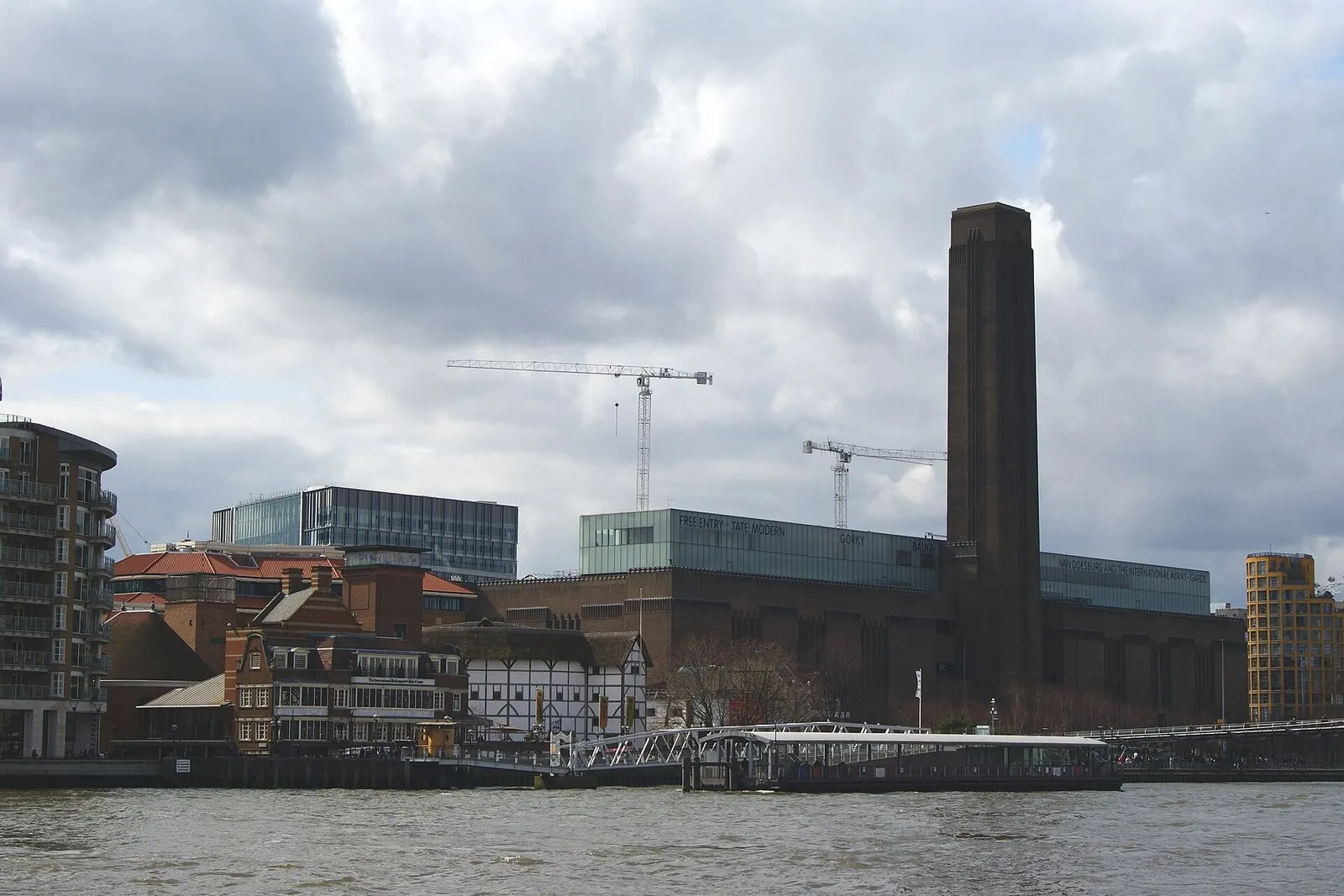
Photo by Thomas Dahlstrøm Nielsen on Wikimedia Commons

Tate Modern

0:00

A former power station turned into one of the world's most visited modern art museums. The Turbine Hall alone is worth the stop, and admission is free.

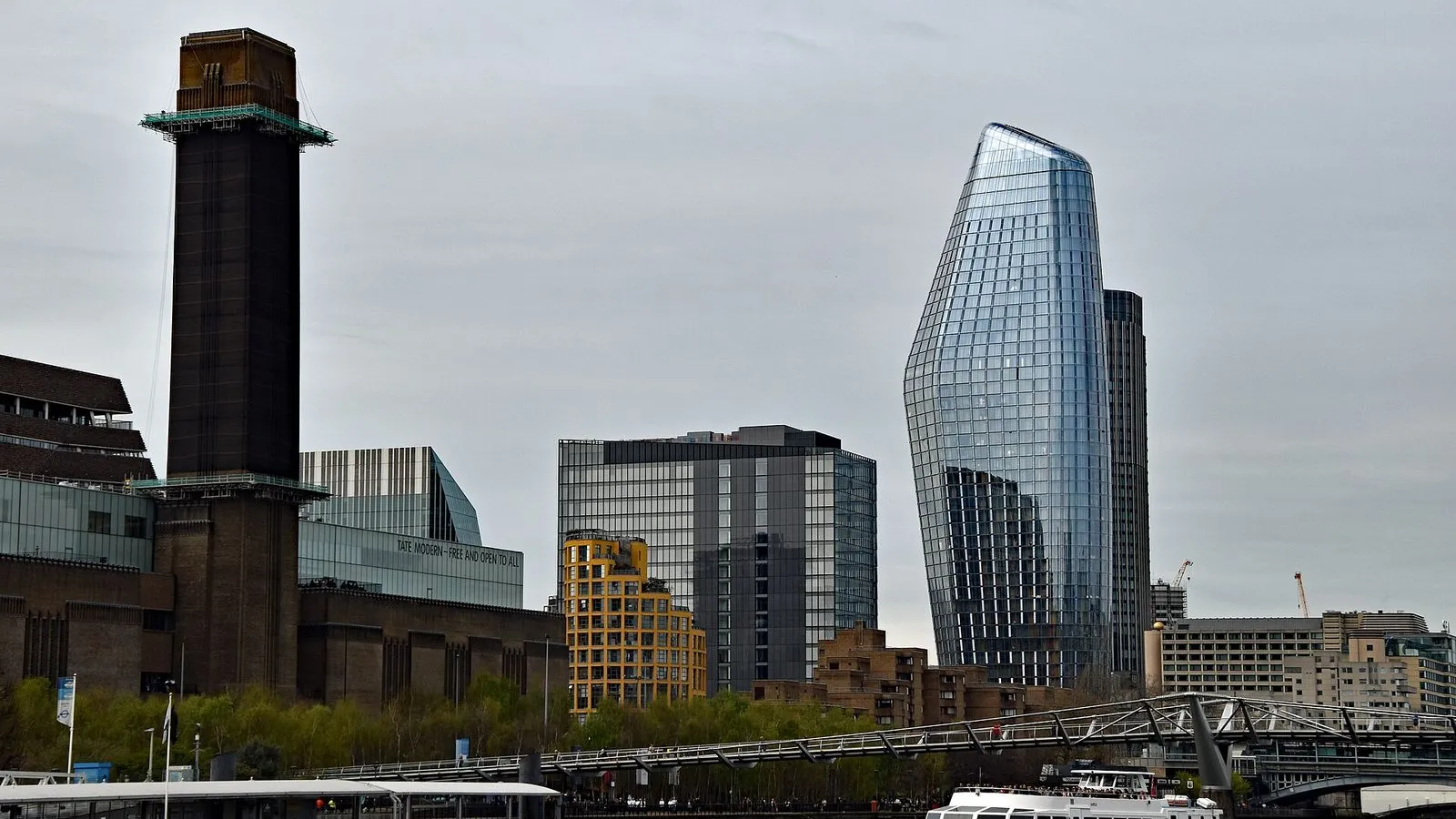
You're standing before Tate Modern, the former Bankside Power Station. It was designed by Sir Giles Gilbert Scott, the same architect who gave London its red telephone boxes and Liverpool its Anglican cathedral. When the power station opened in 1963, it burned oil to light the City across the water. It closed in 1981, a victim of oil prices, and sat derelict for nearly fifteen years.

In 2000, it reopened as Tate Modern, converted by the Swiss architects Herzog and de Meuron for a hundred and thirty-four million pounds. The chimney rises ninety-nine metres, deliberately kept shorter than St Paul's dome opposite, which reaches a hundred and fourteen. Inside, the Turbine Hall is a cathedral-scale space where the overhead crane still travels its gantry. Walk through if you have time; it's free.

And when you come back out, look across the river. St Paul's sits directly ahead, and the slender footbridge you see is your next stop.

≈5 min walk to the next stop
Millennium BridgeLocal pick

Photo by mattbuck on Wikimedia Commons

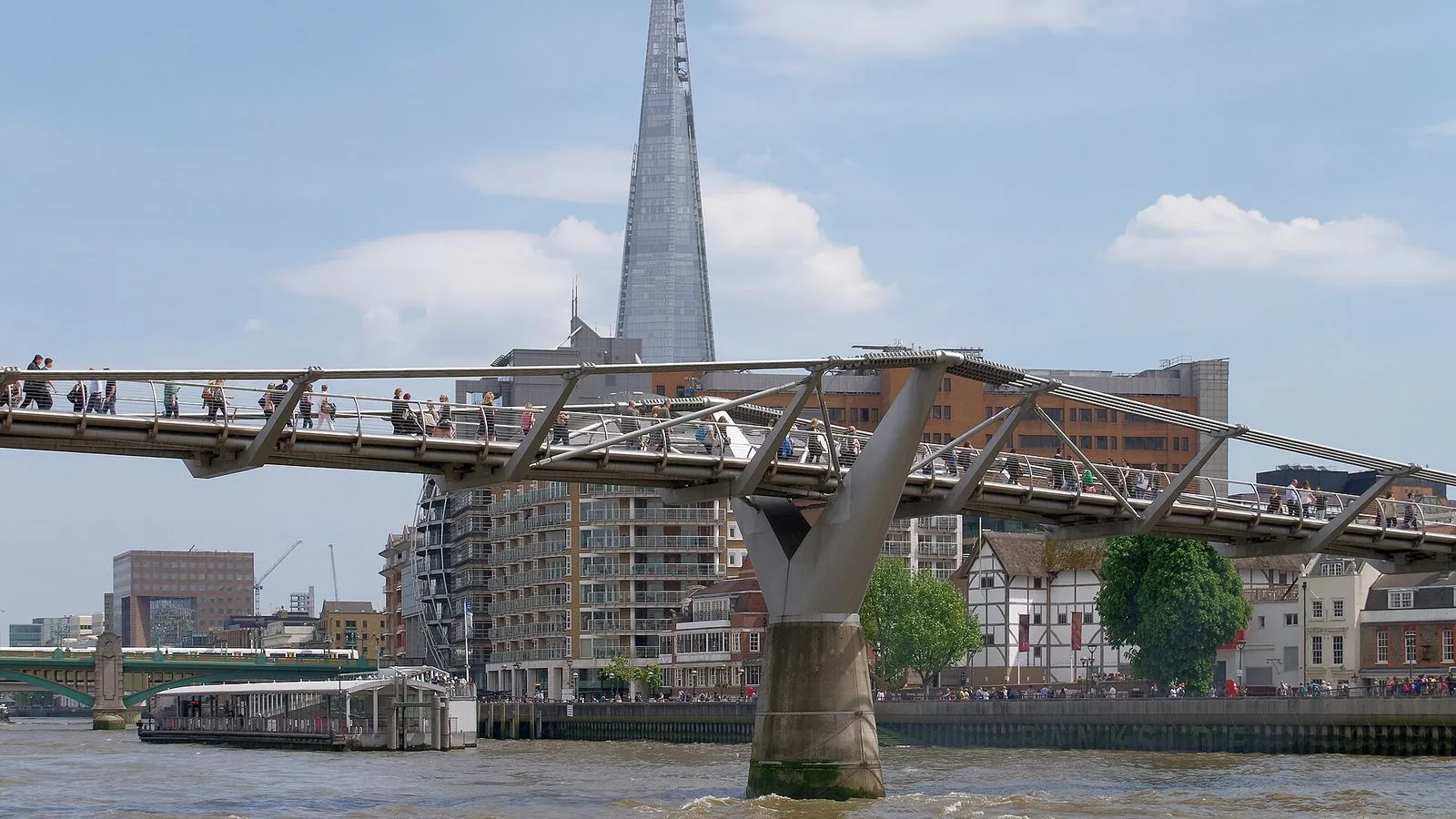
Millennium Bridge

0:00

London's pedestrian-only bridge, opened in 2000. It lines up Tate Modern with St Paul's Cathedral and offers one of the best river views in the city.

You're on the Millennium Bridge, London's first new Thames crossing in over a century when it opened in June 2000. It was nicknamed the Wobbly Bridge within days. As crowds walked across, a slight lateral sway made people queasy, and it closed for two years of engineering fixes. It's been steady ever since.

Stop halfway. Look west toward Blackfriars, then east toward London Bridge: you're tracing the route of the old watermen who ferried Londoners across the river before any bridge stood here. The north bank you're facing is the City of London, the square mile that once had the power to ban plays. The south bank behind you is Bankside, which had other ideas.

When you're ready, cross back to the south side and turn right, continuing east along the river.

≈4 min walk to the next stop
Free preview ends here · stops 4 to 7 continue in the app

Shakespeare's Globe

A meticulous reconstruction of the 1599 playhouse where Shakespeare's greatest tragedies premiered. The open-air yard and three-tiered galleries feel remarkably close to the original.

in app

Southwark Cathedral

London's oldest gothic church, dating to the 13th century. Shakespeare worshipped here, and his brother Edmund is buried in the choir.

in app

Borough Market

London's oldest food market, operating near this site for over a thousand years. The Victorian iron-and-glass roof shelters more than a hundred stalls.

in app

London Bridge

The latest in a line of bridges stretching back two thousand years. The current concrete span, opened in 1973, is functional rather than beautiful, but the view upstream and down is unmatched.

in app
Good to know

Before you go

Is the Bankside walk suitable for a rainy day?

Tate Modern is vast, free, and entirely indoors. Borough Market is mostly under its Victorian iron-and-glass roof. The Globe tour runs in all weather though the theatre itself is open-air. The Thames Path is exposed, but the walk between stops is short. An umbrella and a waterproof jacket make this a solid rainy-day route.

Can I combine Bankside with the Westminster walk?

Yes. The one-day itinerary on this page does exactly that. Walk Westminster in the morning, cross the river at Blackfriars or Westminster Bridge in the early afternoon, and follow the Thames Path east through Bankside to London Bridge. The two routes join naturally.

Keep exploring

More walks in London

Provenance · last verified August 18, 2026

Built from the Wayside route itself: the stops, their order, and the walk between them.

Photo by Peter Trimming on Wikimedia Commons · CC BY-SA 2.0

Photo by mattbuck on Wikimedia Commons · CC BY-SA 4.0

Photo by Thomas Dahlstrøm Nielsen on Wikimedia Commons · CC BY-SA 4.0

Photo by mattbuck on Wikimedia Commons · CC BY-SA 4.0

Photo by Miki Nishimura on Unsplash

Photo by Txllxt TxllxT on Wikimedia Commons · CC BY-SA 4.0

Photo by Txllxt TxllxT on Wikimedia Commons · CC BY-SA 4.0

Photo by ricardo from London on Wikimedia Commons · CC BY 2.0

Photo by Ввласенко on Wikimedia Commons · CC BY-SA 3.0

Photo by beareye2010 on Wikimedia Commons · CC0

Photo by Scalondonuk on Wikimedia Commons · CC BY-SA 4.0

Coming soon

Wayside isn't in the app stores yet, but it's in the works. Check back soon.