Florence · Self-guided audio walk

Medici San Lorenzo and San Marco

A slow loop through the Medici quarter, from Michelangelo's tombs to Fra Angelico's painted cells, with a food market and a family chapel in between.

  • 6Stops
  • 1.4 kmDistance
  • 25+ minTime
Medici San Lorenzo and San Marco

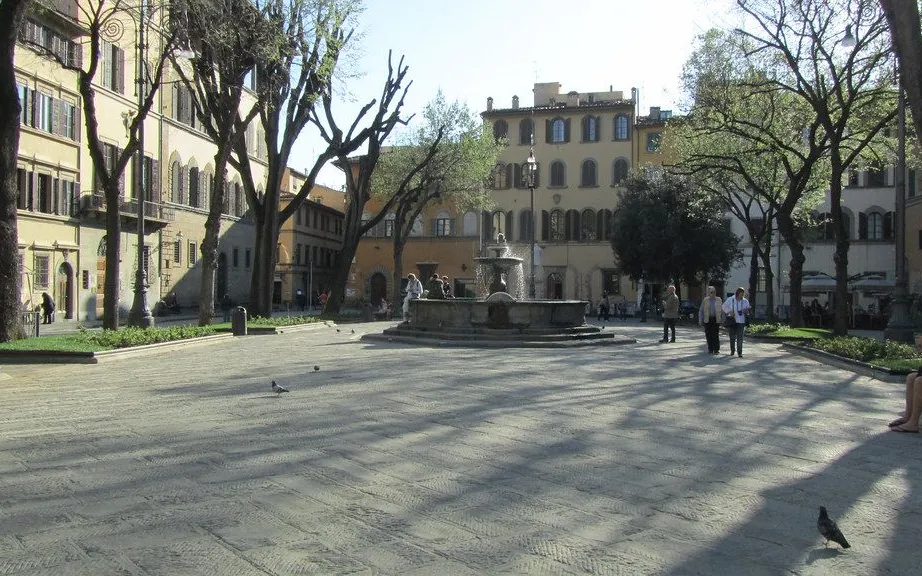
Photo by Yair Haklai on Wikimedia Commons

This walk stays inside the district the Medici shaped around San Lorenzo and San Marco, and it leans on interiors. You begin in the Medici Chapels, where Michelangelo left his tombs unfinished, then cross to the iron-and-glass Mercato Centrale for Florence's two floors of food. Around the corner, Palazzo Medici Riccardi keeps Benozzo Gozzoli's Procession of the Magi glowing in a small private chapel.

A few blocks north, the Galleria dell'Accademia holds Michelangelo's David and the unfinished Prisoners he left half-locked in marble. San Marco preserves Fra Angelico's frescoes in the friars' cells, and the loop ends in Piazza della Santissima Annunziata, where Brunelleschi's loggia for the foundling hospital gave the square its shape. Plan around two hours and twenty minutes, and skip one museum if you want a shorter morning.

Hear it on the street

Get the turn-by-turn audio guide in the app. The narration plays itself as you reach each stop, hands-free and offline.

Stop by stop

The route

Interactive map of the route. The full stop list below works without it.

Medici ChapelsMust see

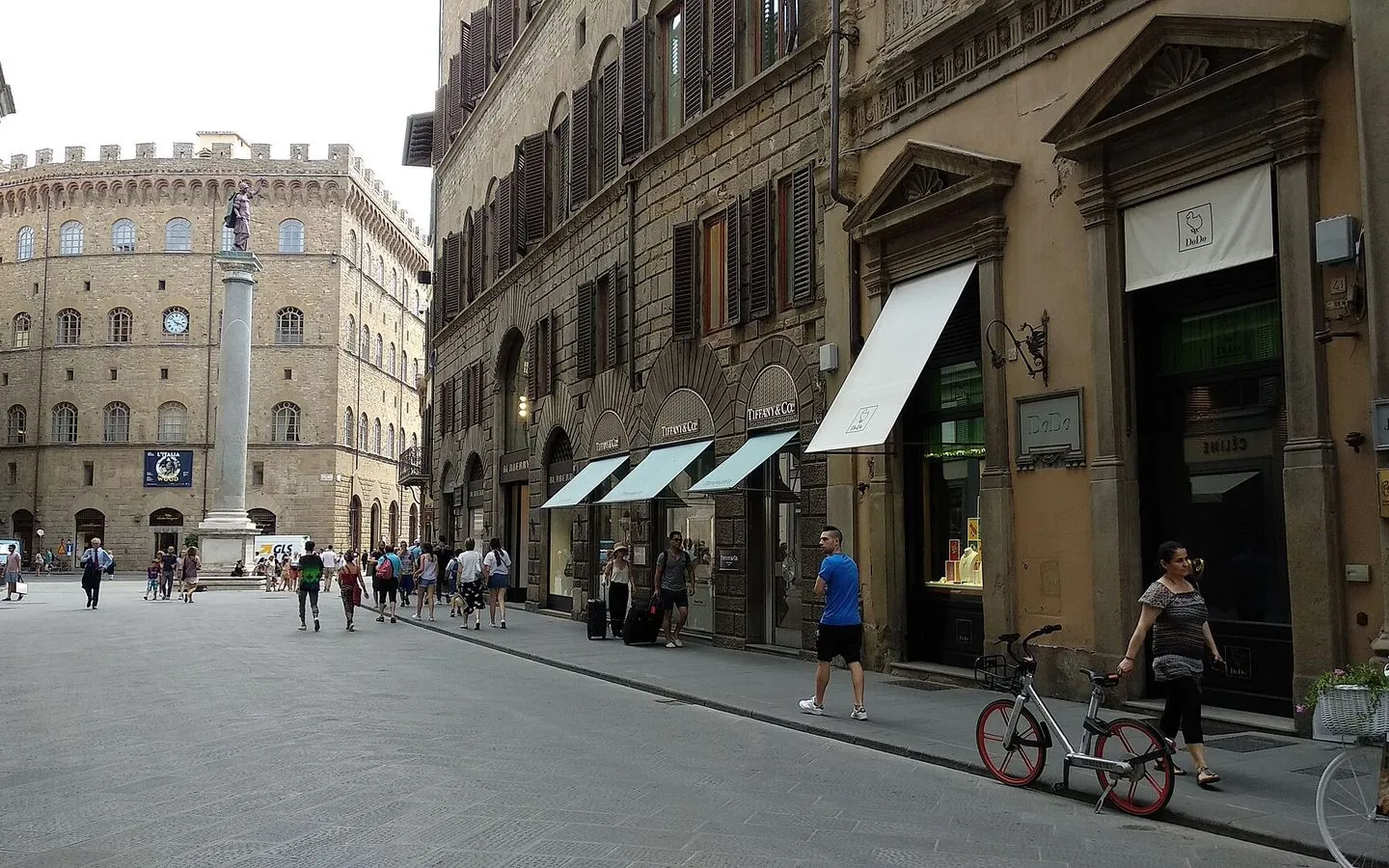
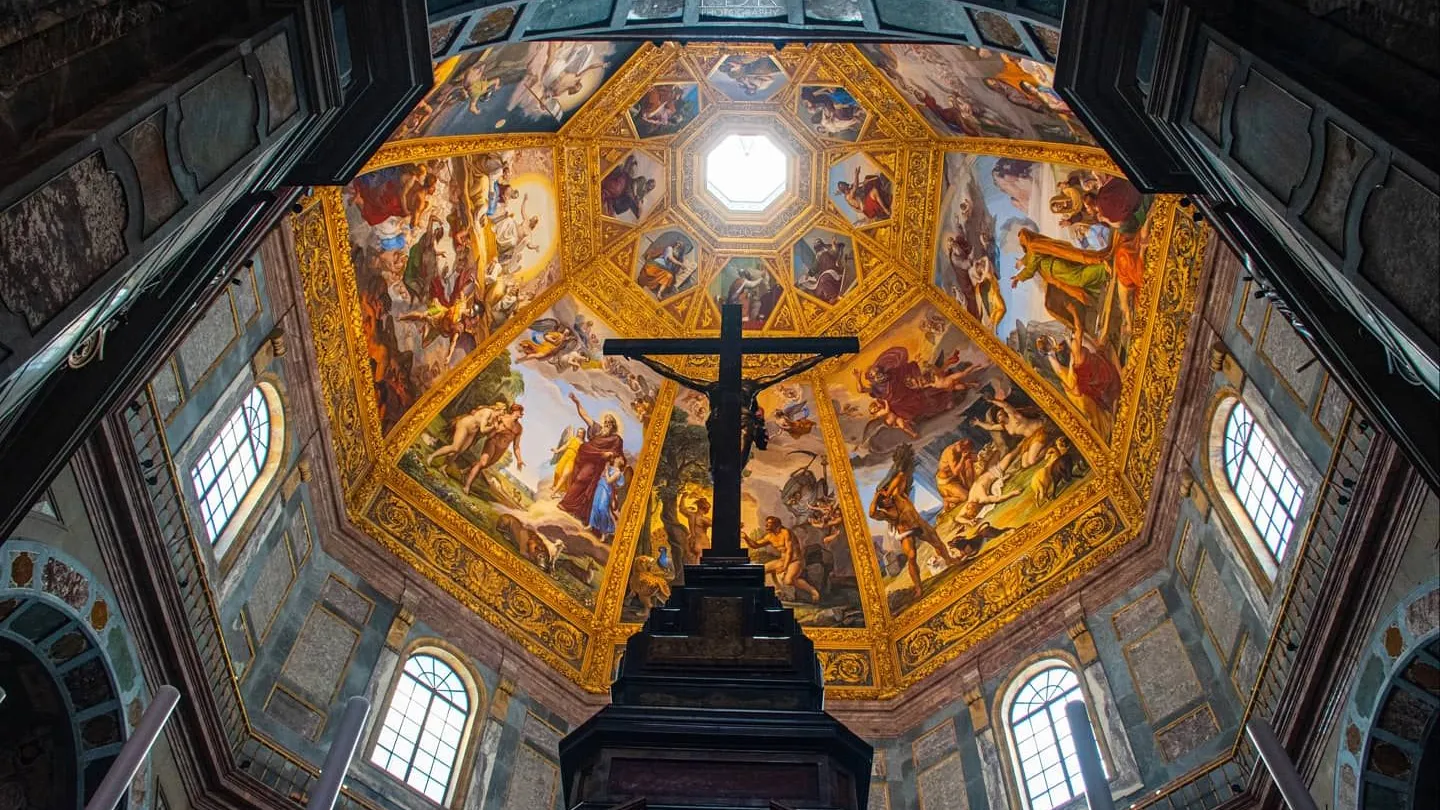
Photo by Franoveseisei on Wikimedia Commons

Medici Chapels

0:00

Michelangelo's unfinished New Sacristy and the grand Chapel of the Princes hold the Medici tombs and the four allegories of Night, Day, Dawn, and Dusk.

You're standing at the entrance to the Medici Chapels, behind the church of San Lorenzo. San Lorenzo was the Medici parish church, and for more than a century the family buried its dead here. The two chapels attached to it tell very different stories. The New Sacristy is Michelangelo's work from the 1520s.

He built it as a cube of gray pietra serena and whitewashed wall, then carved the tombs of two young Medici dukes who died before they could rule. Above their sarcophagi, four reclining figures personify Dawn and Dusk, Day and Night. Michelangelo left the room unfinished when he went to Rome for good in 1534, and the four river gods he planned for the floor were never carved. The adjoining Chapel of the Princes is the opposite: a vast octagonal room encrusted with semi-precious stone, built over two centuries as a mausoleum for the grand dukes.

Six of its huge sarcophagi are empty, because the Medici are interred in the crypt below. When you're ready, head out toward the market.
≈3 min walk to the next stop
Mercato CentraleLocal pick

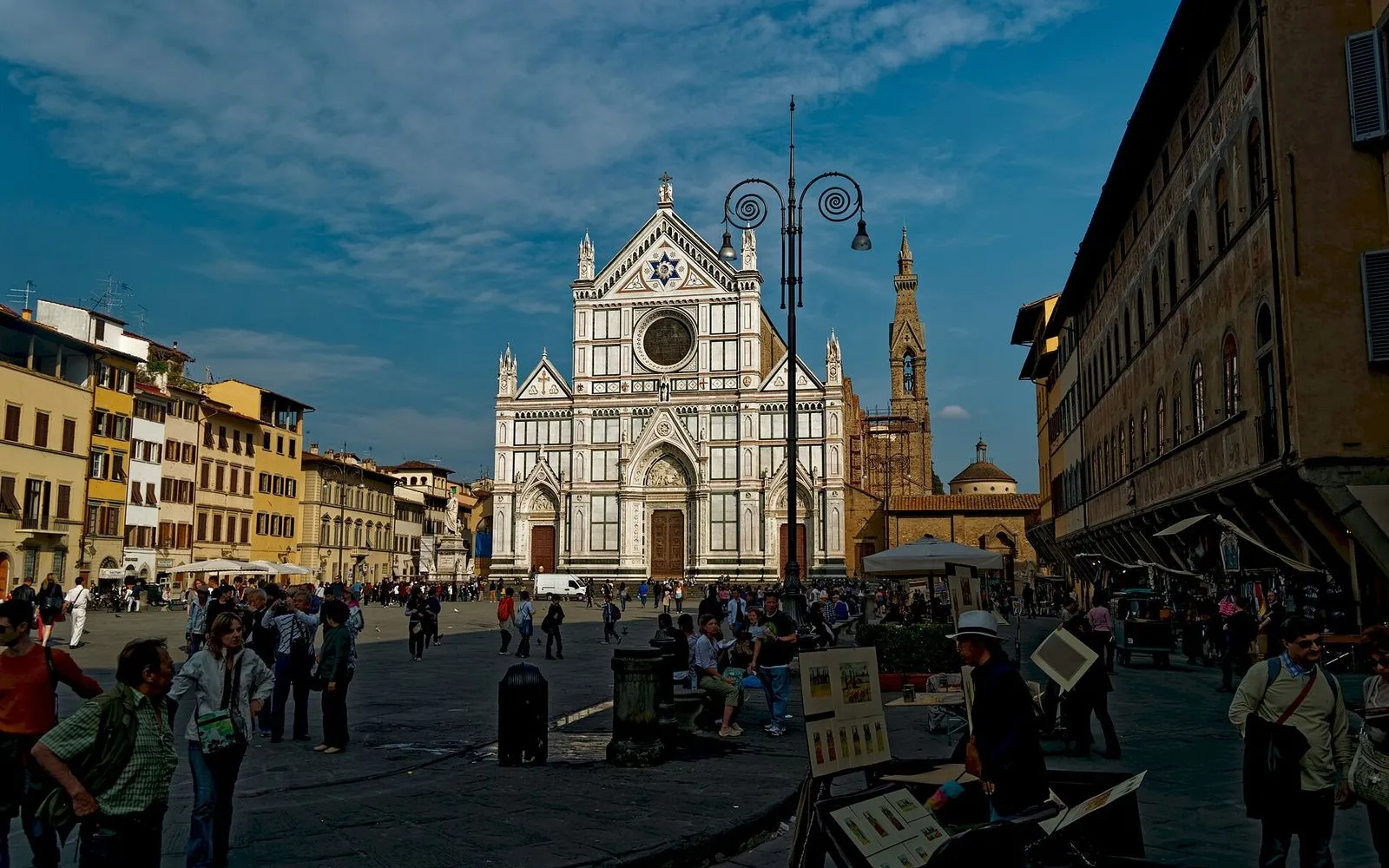
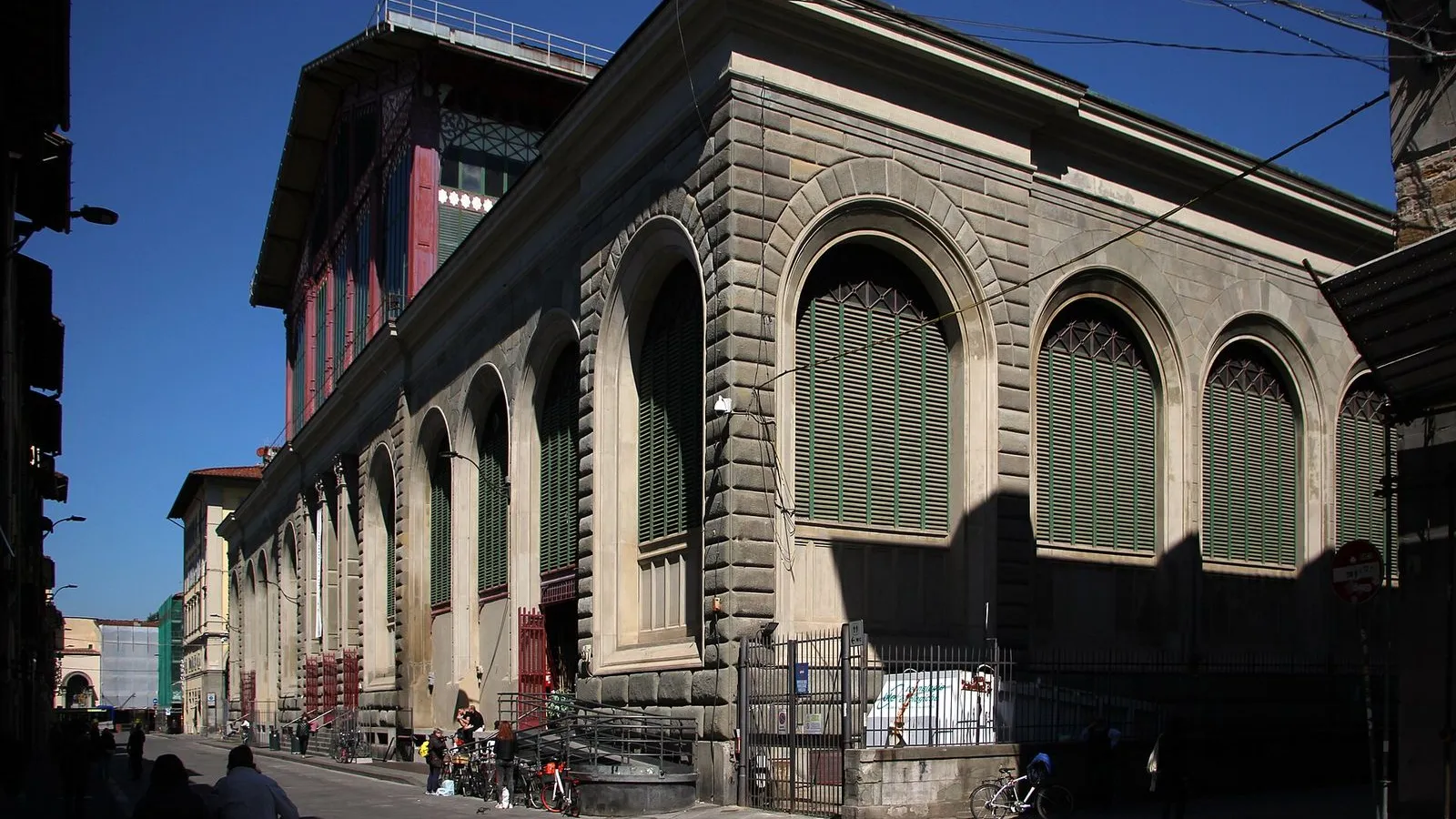
Photo by Francesco Bini on Wikimedia Commons

Mercato Centrale

0:00

Florence's 1874 cast-iron-and-glass market hall, with a working food market downstairs and a modern food court upstairs.

The market hall in front of you opened in 1874, when Florence was briefly the capital of the new Italian state. Giuseppe Mengoni designed it in iron and glass, borrowing from Les Halles in Paris, and gave it a Florentine base of stone arcades. The ground floor is still a working market. Butchers, fishmongers, cheesemongers, and fresh-pasta makers cut and wrap to the old rhythm, and the Da Nerbone counter has served its lampredotto sandwich since 1872.

Lampredotto is slow-cooked cow's stomach, sliced and stuffed into a roll, finished with salsa verde if you ask. Upstairs is a different era. Since 2014, the first floor has been a food hall with more than twenty artisan counters, long communal tables, wine bars, and a cooking school. The two floors read as two halves of the same city: buy the ingredients downstairs, then eat the finished dish upstairs.

Take a slow pass around both levels. The ground floor closes around two in the afternoon, while the food hall upstairs stays open until midnight.

≈4 min walk to the next stop
Palazzo Medici RiccardiMust see

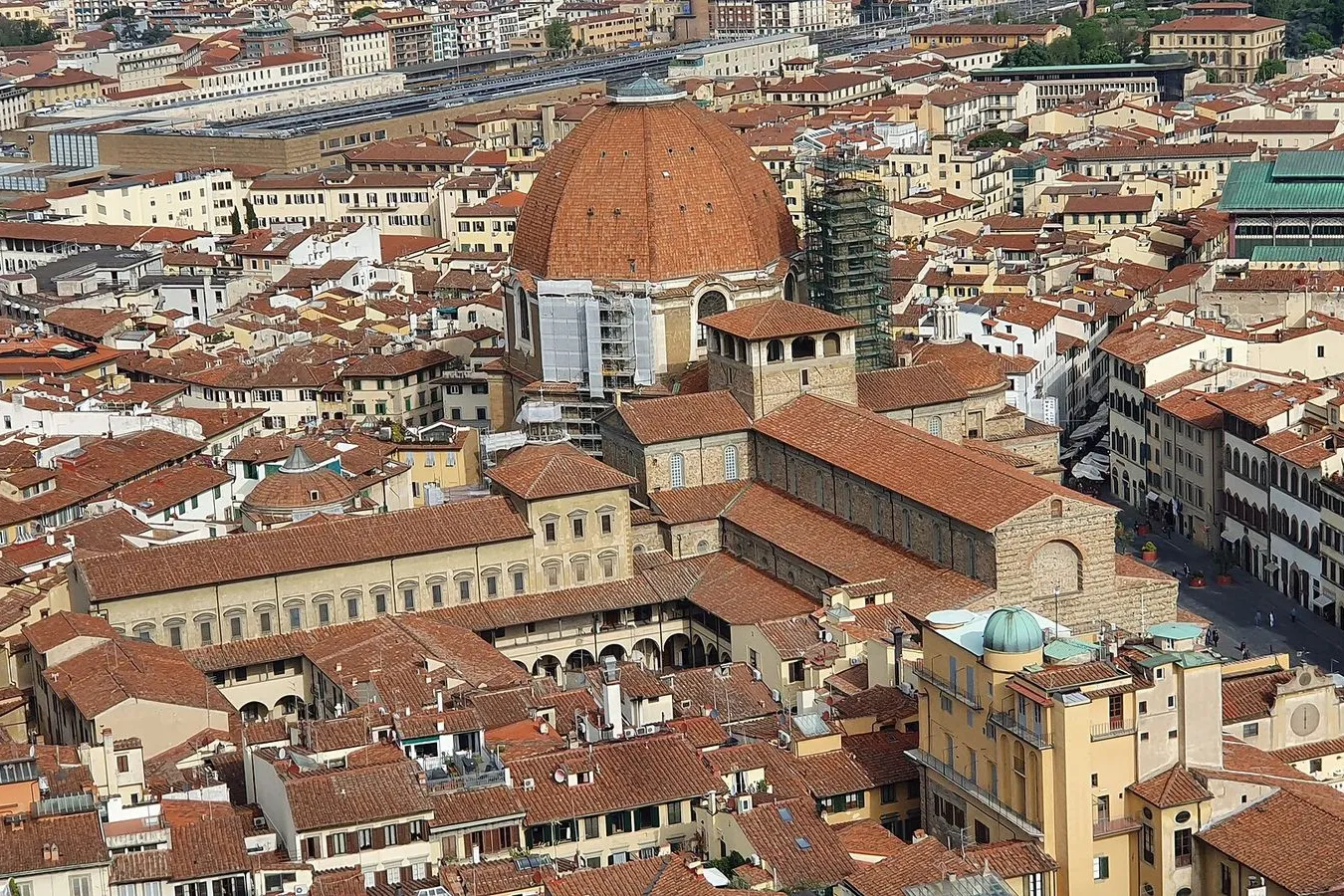
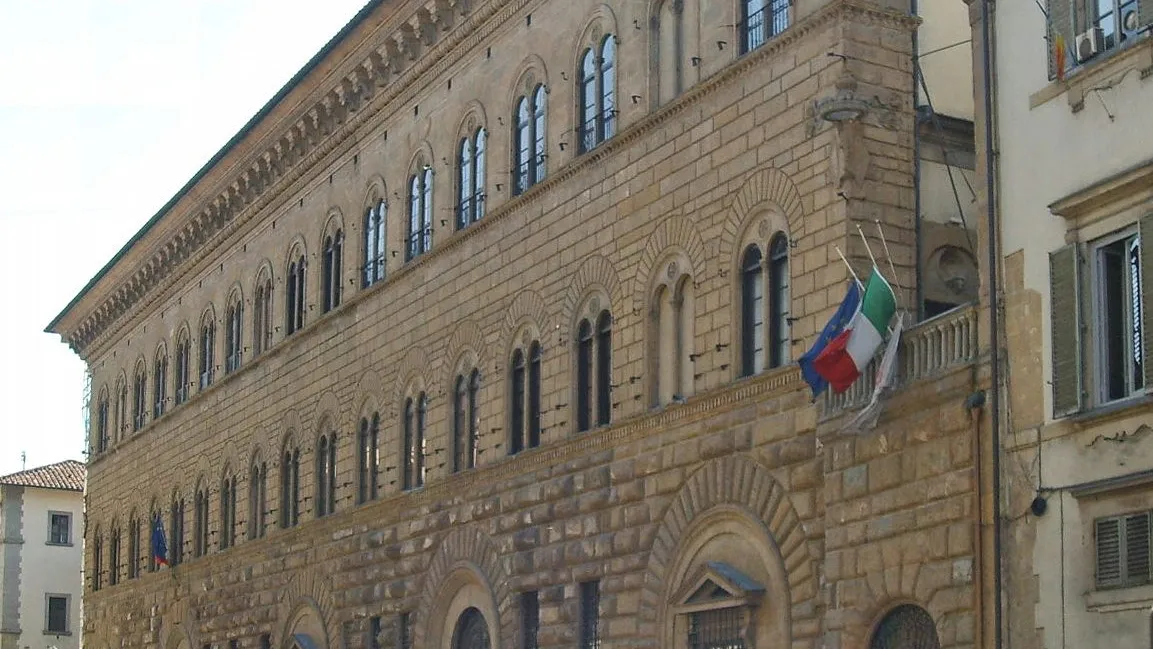
Photo by Sailko on Wikimedia Commons

Palazzo Medici Riccardi

0:00

The Medici's first town palace, built by Michelozzo in the 1440s, with Benozzo Gozzoli's Procession of the Magi in its small private chapel.

Cosimo de' Medici commissioned this palace in the 1440s, and it became the family's town seat until they moved to the Palazzo Vecchio in 1540. The facade is the one everyone copied: three tiers of rusticated stone, heavier and rougher at the bottom, smoother and finer as the building rises. The stone bench along the street is original, a place where clients once waited to see Cosimo. Inside, on the first floor, is the reason to stop.

The Chapel of the Magi is a small, gilded room whose walls were frescoed by Benozzo Gozzoli from 1459. His procession of the three kings winds across three walls, dressed in brocade and gold leaf, with the young Lorenzo de' Medici riding among them. Look for the painter himself in the crowd, wearing a red cap. The scene was designed so the family could pray inside the procession as it moved.

The palace passed to the Riccardi family in 1659, which is how it got its double name.

≈5 min walk to the next stop
Free preview ends here · stops 4 to 6 continue in the app

Galleria dell'Accademia

A specialist museum built around Michelangelo's David, moved here in 1873, plus his unfinished Prisoners and a gallery of Florentine painting.

in app

Museo di San Marco

A fifteenth-century Dominican convent holding Fra Angelico's frescoes, one painted in each of the forty-four friars' cells.

in app

Piazza della Santissima Annunziata

A harmonious Renaissance square where Brunelleschi's Ospedale degli Innocenti loggia faces the church, with Giambologna's equestrian statue at the center.

in app
Good to know

Before you go

Which entries should I book in advance?

Book the Accademia (€20) for the David and the Medici Chapels (€11). The Accademia is closed on Mondays and the Medici Chapels on Tuesdays. Palazzo Medici Riccardi and San Marco are quieter and easier to enter on the day.

SourceGalleria dell'Accademia: visitMusei del Bargello: Cappelle Medicee
Is this a good walk for a rainy day?

Yes. Almost everything on the loop is indoors, from Michelangelo's tombs and Fra Angelico's frescoed cells to the two floors of the Mercato Centrale for lunch.

Provenance · last verified August 20, 2026

Built from the Wayside route itself: the stops, their order, and the walk between them.

Photo by Yair Haklai on Wikimedia Commons · CC BY-SA 4.0

Photo by Franoveseisei on Wikimedia Commons · CC BY-SA 4.0

Photo by Francesco Bini on Wikimedia Commons · CC BY-SA 4.0

Photo by Sailko on Wikimedia Commons · CC BY-SA 3.0

Photo by Joseph Quam on Unsplash

Photo by David Jones on Openverse · CC BY 2.0

Photo by Alexandra Smielova on Unsplash

Photo by Greenesol on Wikimedia Commons · CC BY-SA 4.0

Photo by Txllxt TxllxT on Wikimedia Commons · CC BY-SA 4.0

Coming soon

Wayside isn't in the app stores yet, but it's in the works. Check back soon.