Berlin · Self-guided audio walk

The Barn Quarter: Jewish Berlin Before and After

A 100-minute walk through the Scheunenviertel, from a gilded synagogue dome to the brass stumbling stones beneath your feet.

  • 6Stops
  • 1.5 kmDistance
  • 25+ minTime
The Barn Quarter: Jewish Berlin Before and After

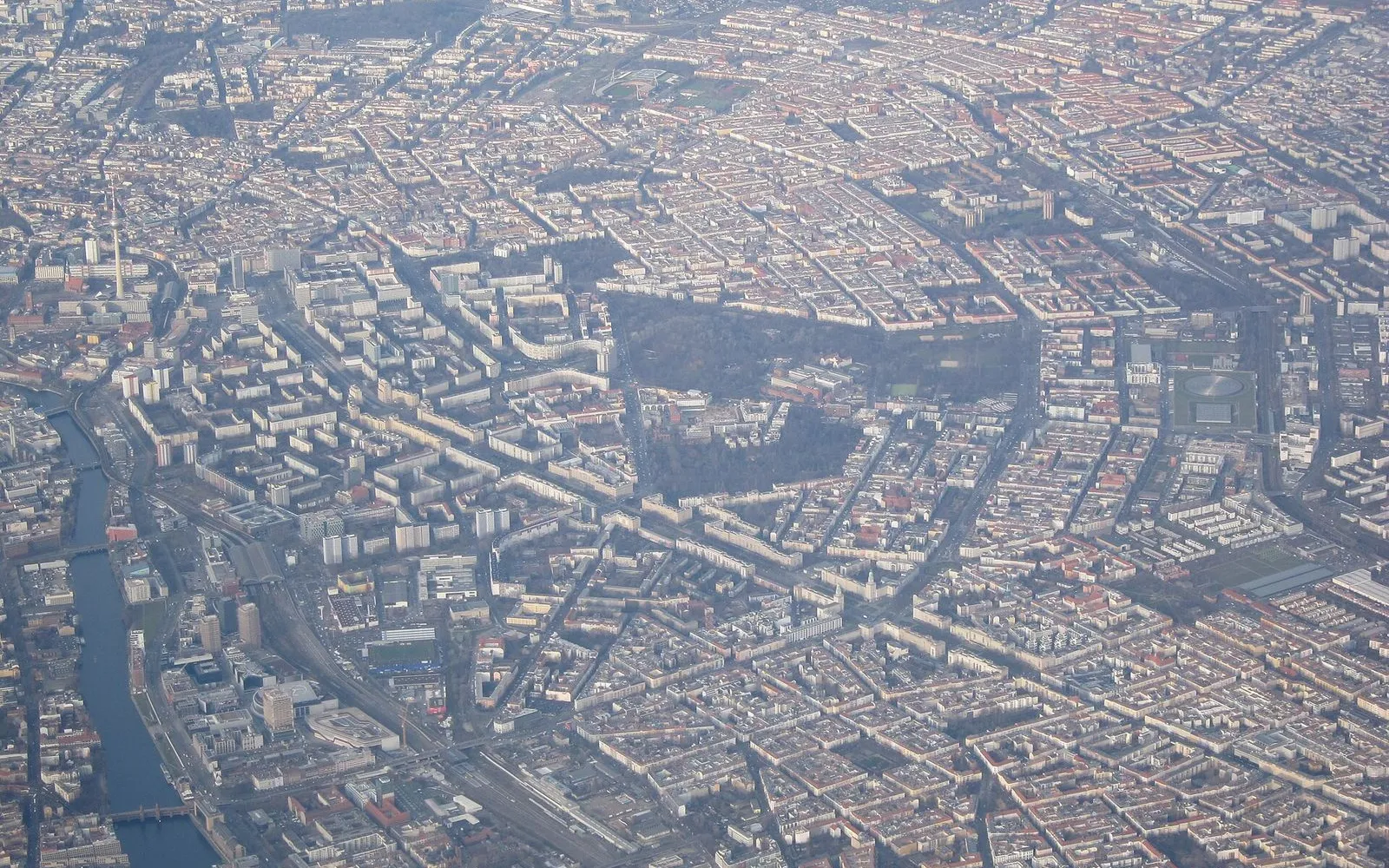
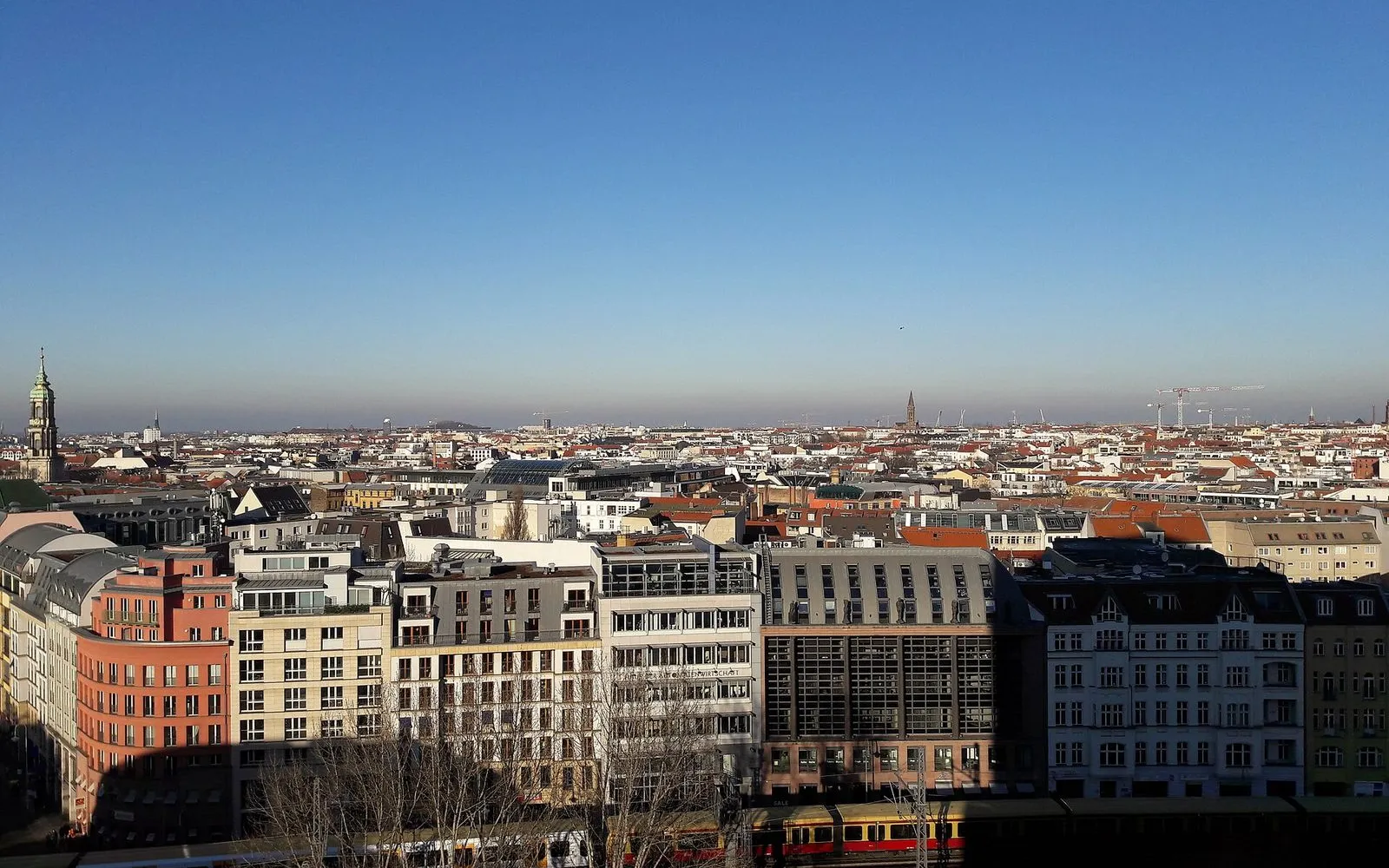
Photo by Pennello on Openverse

North of the grand boulevard Unter den Linden sits the Scheunenviertel, the old Barn Quarter. For two centuries this was the centre of Jewish life in Berlin: synagogues, schools, workshops, and the oldest Jewish cemetery in the city.

This walk traces what remains and what was taken. You begin at the Neue Synagoge, whose golden dome survived Kristallnacht only because a police officer drew his pistol on the arsonists. You pass through the Hackesche Höfe, eight Art Nouveau courtyards that were once a hub of Jewish social life. At Haus Schwarzenberg, you visit the workshop where Otto Weidt hid blind Jewish workers from the Gestapo.

Große Hamburger Straße, once called the Street of Tolerance, holds a deportation memorial and the site of a cemetery destroyed in 1943. Sophienstraße still carries the traces of its Jewish girls' school and the small brass Stolpersteine that name the deported. The walk ends on Rosenthaler Straße, the commercial spine of the old quarter, where the courtyards still hum and the pavement still remembers.

Hear it on the street

Get the turn-by-turn audio guide in the app. The narration plays itself as you reach each stop, hands-free and offline.

Stop by stop

The route

Interactive map of the route. The full stop list below works without it.

Neue SynagogeMust see

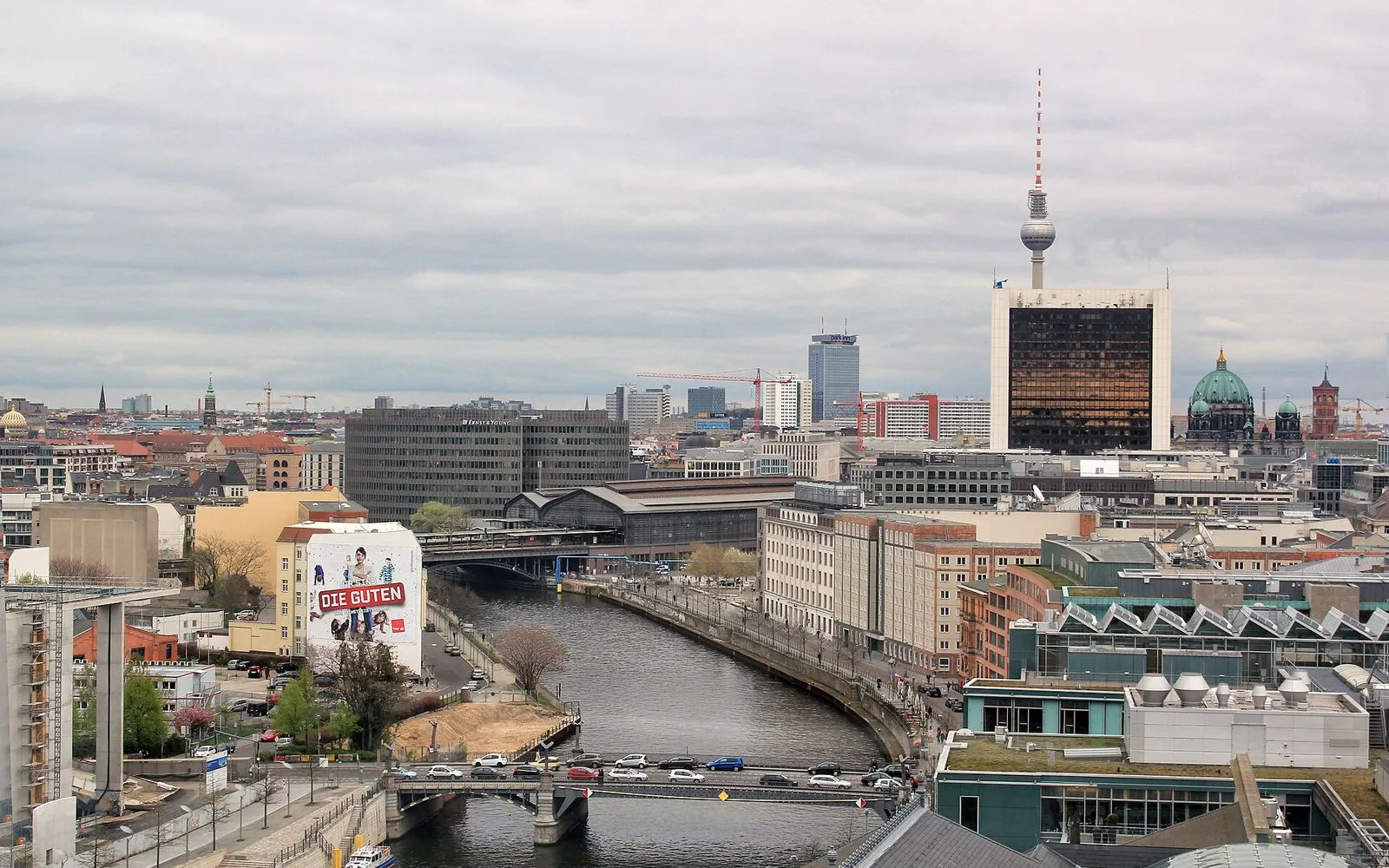
Photo by Juan Pablo Donadías on Unsplash

Neue Synagoge

0:00

The golden-domed Moorish synagogue that survived Kristallnacht when a Berlin police officer chased the arsonists away at gunpoint.

This is the Neue Synagoge, opened in 1866 in the presence of Otto von Bismarck, then Minister President of Prussia. At the time it was the largest synagogue in Germany, seating 3,200 people. Its gilded dome, visible across the city, was designed to announce that Jewish Berliners belonged here, in the heart of the capital. On the night of November 9, 1938, a Nazi mob broke in, smashed the furniture, piled up what would burn, and set it alight.

Lieutenant Otto Bellgardt, the officer from the local precinct, arrived before dawn. He declared the building a protected landmark, drew his pistol, and ordered the arsonists out. The fire brigade moved in and put out the flames before they reached the structure. The synagogue survived that night.

It was badly damaged later by Allied bombing, and what you see today is the reconstructed street front with its dome and entrance. The main hall beyond was never rebuilt. Look up at the dome. It still catches the light the same way it did in 1866.

The Centrum Judaicum inside runs exhibitions on the history of this building and the community that built it.
≈9 min walk to the next stop
Hackesche HöfeMust see

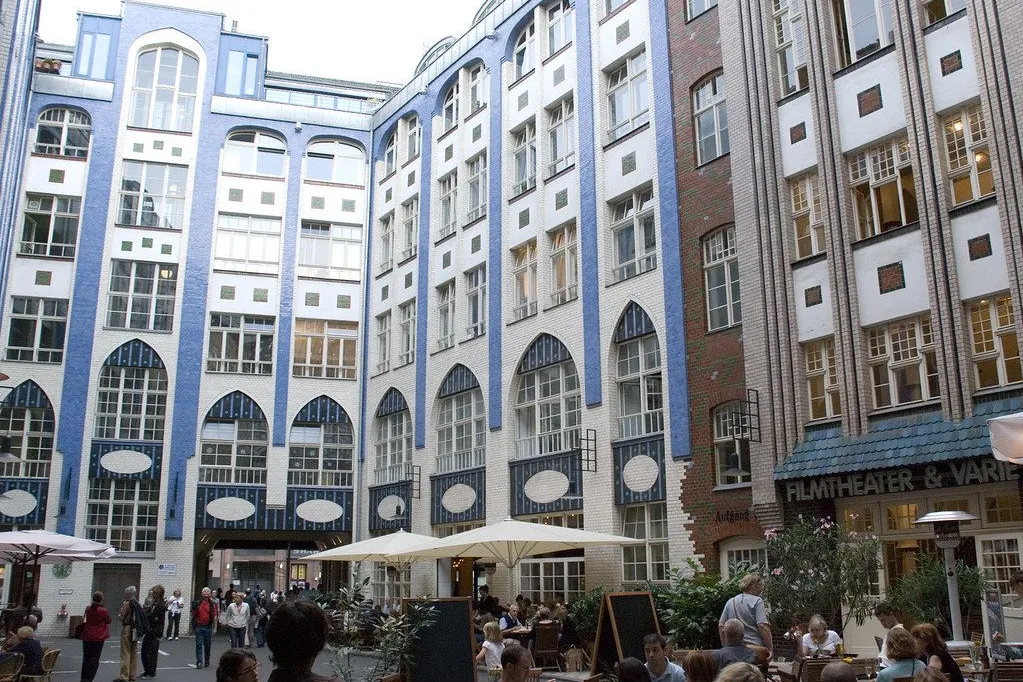
Photo by Dietmar Rabich on Wikimedia Commons

Hackesche Höfe

0:00

Eight interlocking Art Nouveau courtyards built in 1906 as a mixed-use workers' and commercial block, now filled with galleries, shops and cafés.

You are standing in the first courtyard of the Hackesche Höfe, the largest enclosed courtyard complex in Germany. The architect Kurt Berndt built it in 1906 as a deliberate mix: the front courtyards for commerce and culture, the rear ones for apartments. The polychrome glazed brick façade around you was designed by August Endell, one of the great Jugendstil artists of the period. Those rhythmic waves of colour were radical for a commercial building.

Before 1933, this was a hub of Jewish life in the Scheunenviertel. A Jewish girls' club met here, along with a student canteen. During the Nazi years the complex was expropriated and the Art Nouveau façades were nearly demolished in the 1960s, saved only by tenants who refused to let it happen. After reunification the courtyards were restored at a cost of 80 million marks.

On reopening night, 50,000 people came to celebrate. Walk through the eight interconnected courtyards, each with a different character. The rear courtyards are quieter, still residential. When you are ready, head back out to Rosenthaler Straße and turn left.

≈1 min walk to the next stop
Haus SchwarzenbergMust see

Photo by Singlespeedfahrer on Wikimedia Commons

Haus Schwarzenberg

0:00

A courtyard building housing the Otto Weidt Workshop for the Blind museum, where a brush-maker hid his Jewish workers from the Gestapo.

This unassuming side wing at Rosenthaler Straße 39 holds one of the quietest acts of resistance in Berlin. Otto Weidt ran a workshop here that made brooms and brushes. He was nearly blind himself. During the war he employed mainly blind, visually impaired, and deaf Jews, classified as forced labourers by the state.

Because his brushes were sold to the Wehrmacht, the workshop was rated important for the war, and Weidt used that status to shield his workers from deportation. He bribed Gestapo officers, forged documents, and hid people in a back room behind a wardrobe. In early 1943, his workers were arrested and taken to the assembly camp on Große Hamburger Straße, the same street you will walk to next. Weidt got them released by arguing his production was essential.

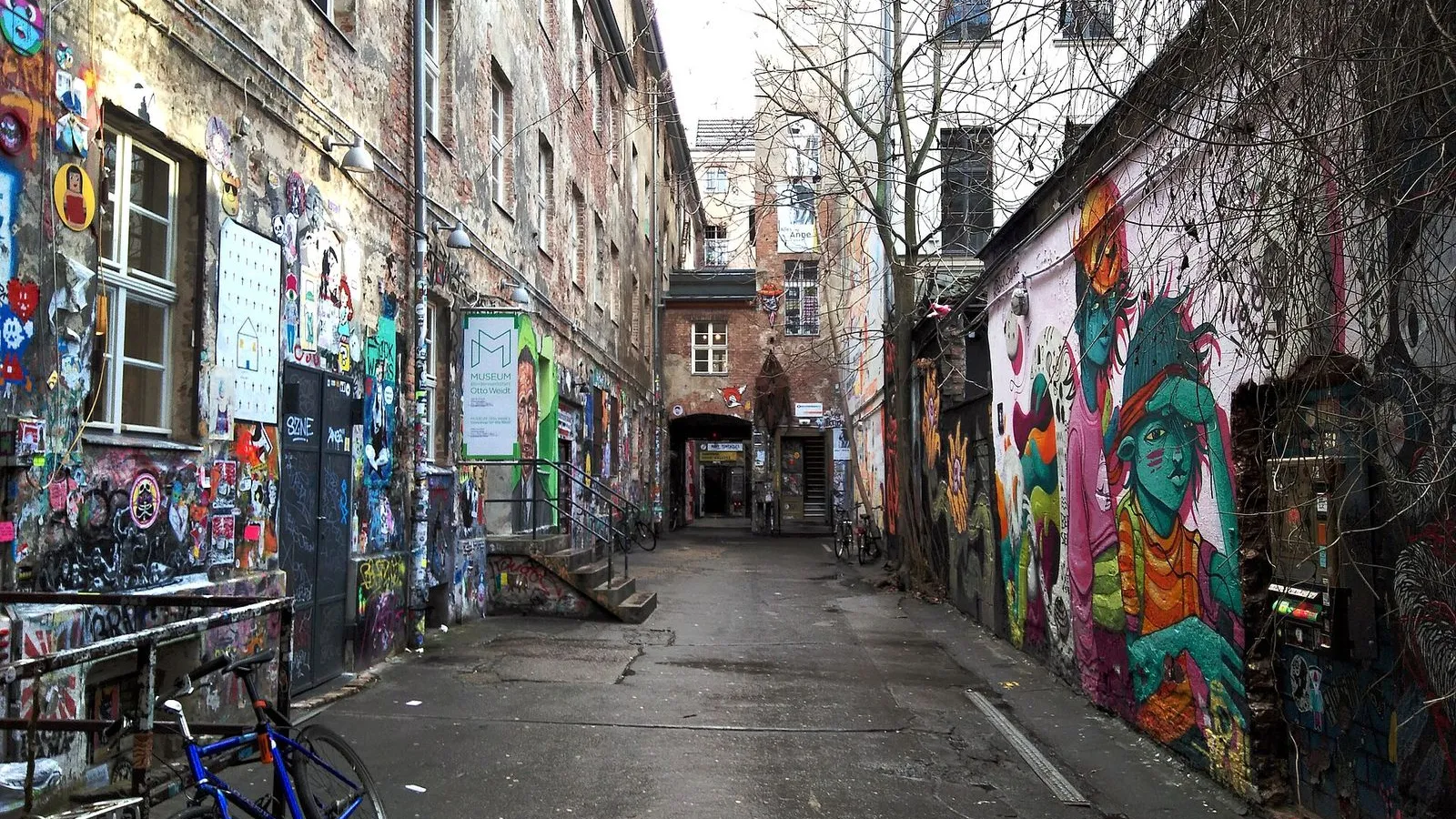
Not everyone survived, but several of his workers did, because he refused to look away. The museum is free and open daily. The original workshop and hiding place are preserved. The walls of the courtyard are covered in street art, part of the Haus Schwarzenberg cultural project that fought off developers in the 1990s.

≈4 min walk to the next stop
Free preview ends here · stops 4 to 6 continue in the app

Große Hamburger Straße

The Street of Tolerance, home to Berlin's oldest Jewish cemetery and the assembly point from which over 50,000 Jews were deported.

in app

Sophienkirche

An early 18th-century Protestant church on a street of preserved artisan workshops and former Jewish businesses.

in app

Rosenthaler Straße

The main artery of the old Barn Quarter, where Jewish commerce once lined the street and courtyard workshops still hum behind the facades.

in app
Good to know

Before you go

Is the Neue Synagoge open to visitors?

Yes, the Neue Synagoge houses a museum and a small sanctuary. The main dome and the grand sanctuary were destroyed in the war and not rebuilt. The museum traces the history of Berlin's Jewish community from the 17th century to the present.

Do I need a guide for the Barn Quarter walk?

No, the walk is self-guided. The Otto Weidt Workshop for the Blind museum at Haus Schwarzenberg is free and has English panels. The Stolpersteine, the brass stumbling stones set into the pavement, name each deported person with dates and fate, and they speak for themselves.

Provenance · last verified August 21, 2026

Built from the Wayside route itself: the stops, their order, and the walk between them.

Photo by Pennello on Openverse · CC BY 2.0

Photo by Juan Pablo Donadías on Unsplash

Photo by Dietmar Rabich on Wikimedia Commons · CC BY-SA 4.0

Photo by Singlespeedfahrer on Wikimedia Commons · CC0

Photo by Olivier Cleynen on Wikimedia Commons · CC BY 4.0

Photo by Ad Meskens on Wikimedia Commons · CC BY-SA 4.0

Photo by A.Savin on Wikimedia Commons · CC BY-SA 3.0

Photo by Jorge Royan on Wikimedia Commons · CC BY-SA 3.0

Photo by MB-one on Wikimedia Commons · CC BY-SA 4.0

Photo by Tanweer Morshed on Wikimedia Commons · CC BY-SA 3.0

Coming soon

Wayside isn't in the app stores yet, but it's in the works. Check back soon.