Self-guided walking tours in Berlin
7 walking toursState of Berlin, Germany

Photo by Florian Wehde on Unsplash
Berlin sprawls across the flat north German plain, but its story concentrates in a walkable core. The linden-lined boulevard of the Prussian kings gives way to backstreets where the Wall once stood. Walk a former workers' courtyard in Prenzlauer Berg and find an organic café; cross Oberbaumbrücke and the street language shifts from German to Turkish. A collection of neighborhoods stitched together after a century of rupture, flat and easy on the feet, best understood one quarter at a time.
Tours in Berlin
 The local mix
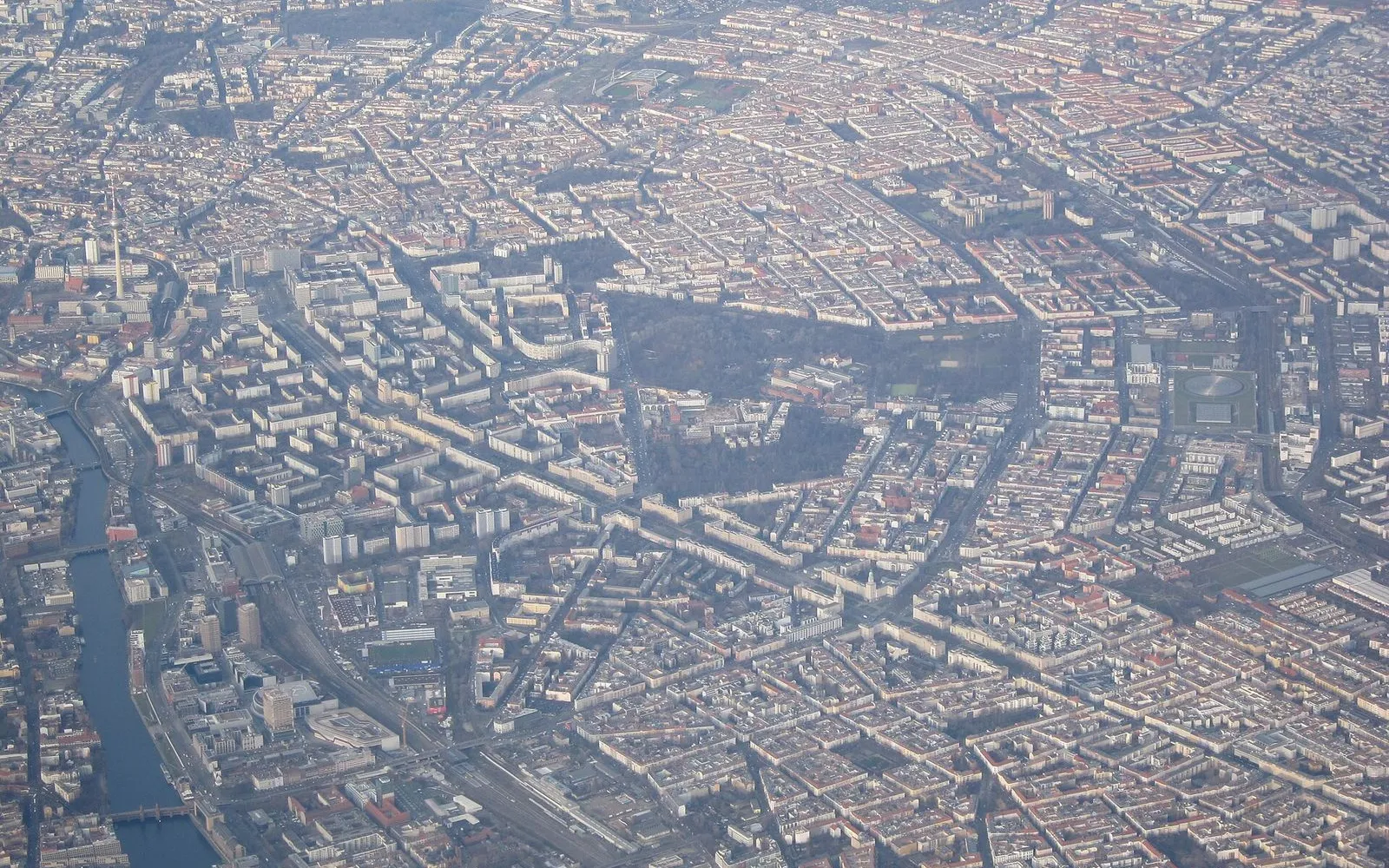
The Two Friedrichshains
From the painted Wall to the GDR's grandest boulevard, through Berlin's wildest cultural compound.
 The local mix
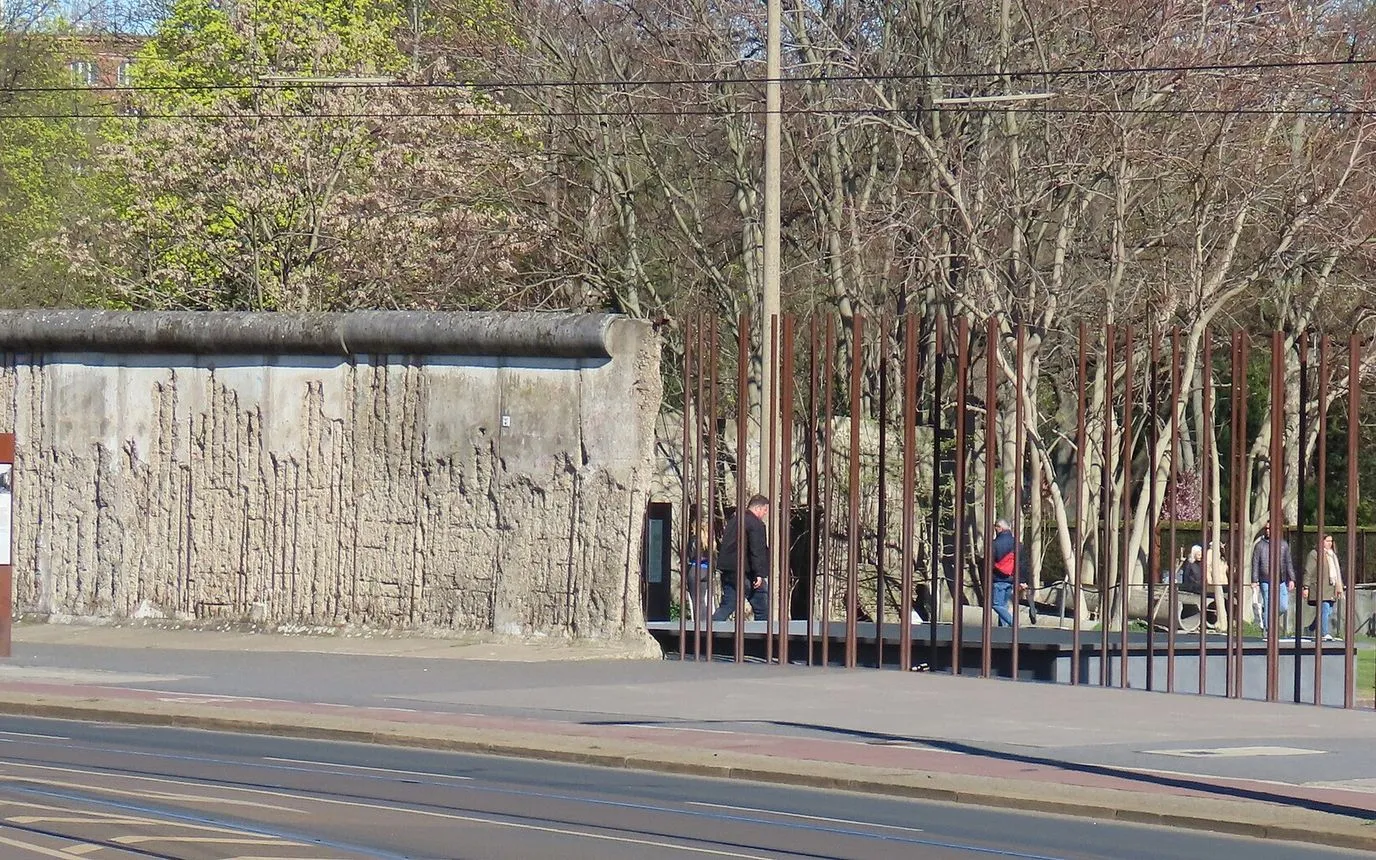
Bernauer Strasse: The Wall Through an Ordinary Street
Walk 1.4 kilometres along the Berlin Wall's most notorious stretch, from sealed windows and a blown-up church to the Sunday flea market where the death strip once was.
 The essentials
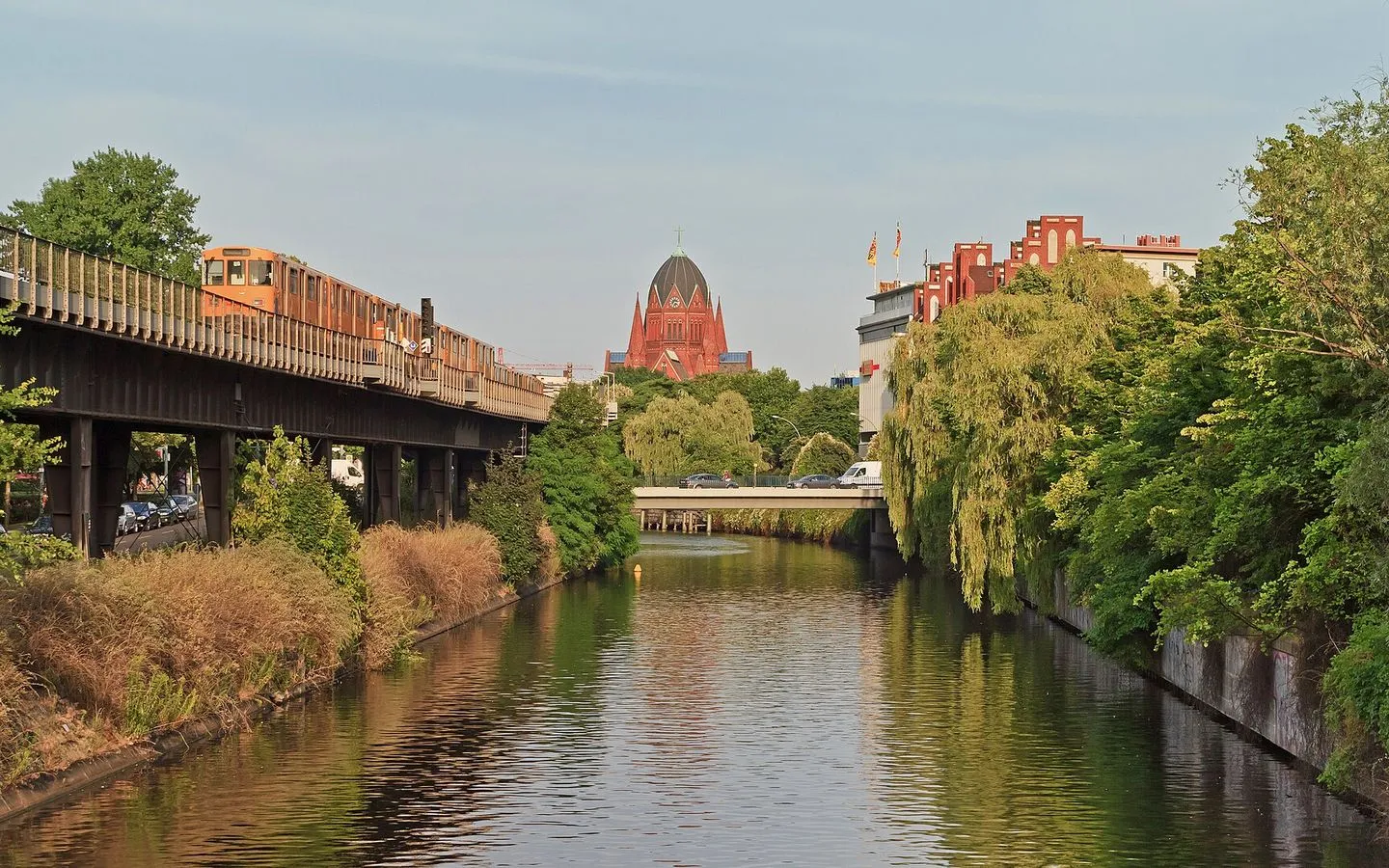
SO36: Kreuzberg's Unruly Heart
A local walk from Kottbusser Tor to Görlitzer Park through the Berlin that refuses to be tamed.
 The local mix
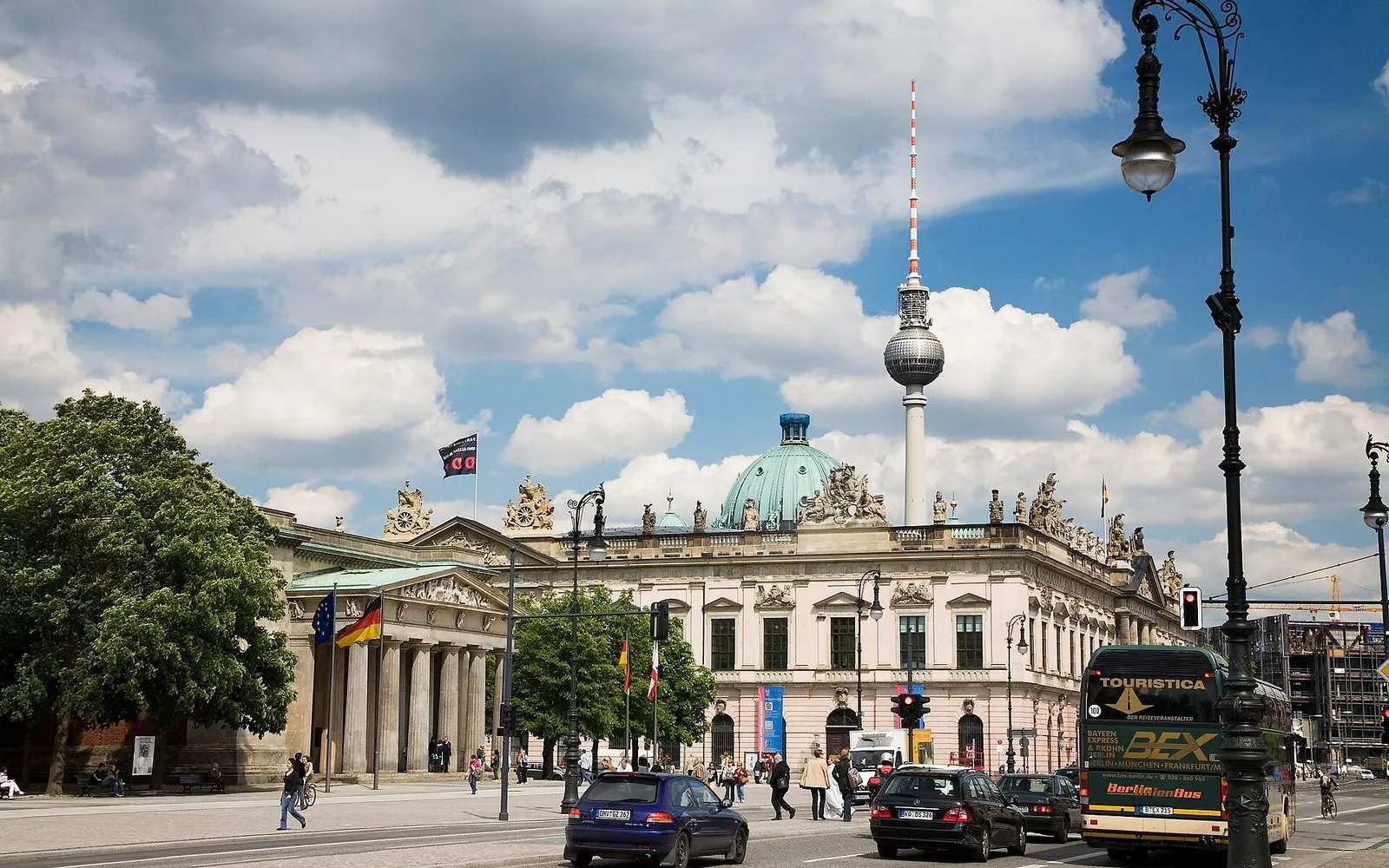
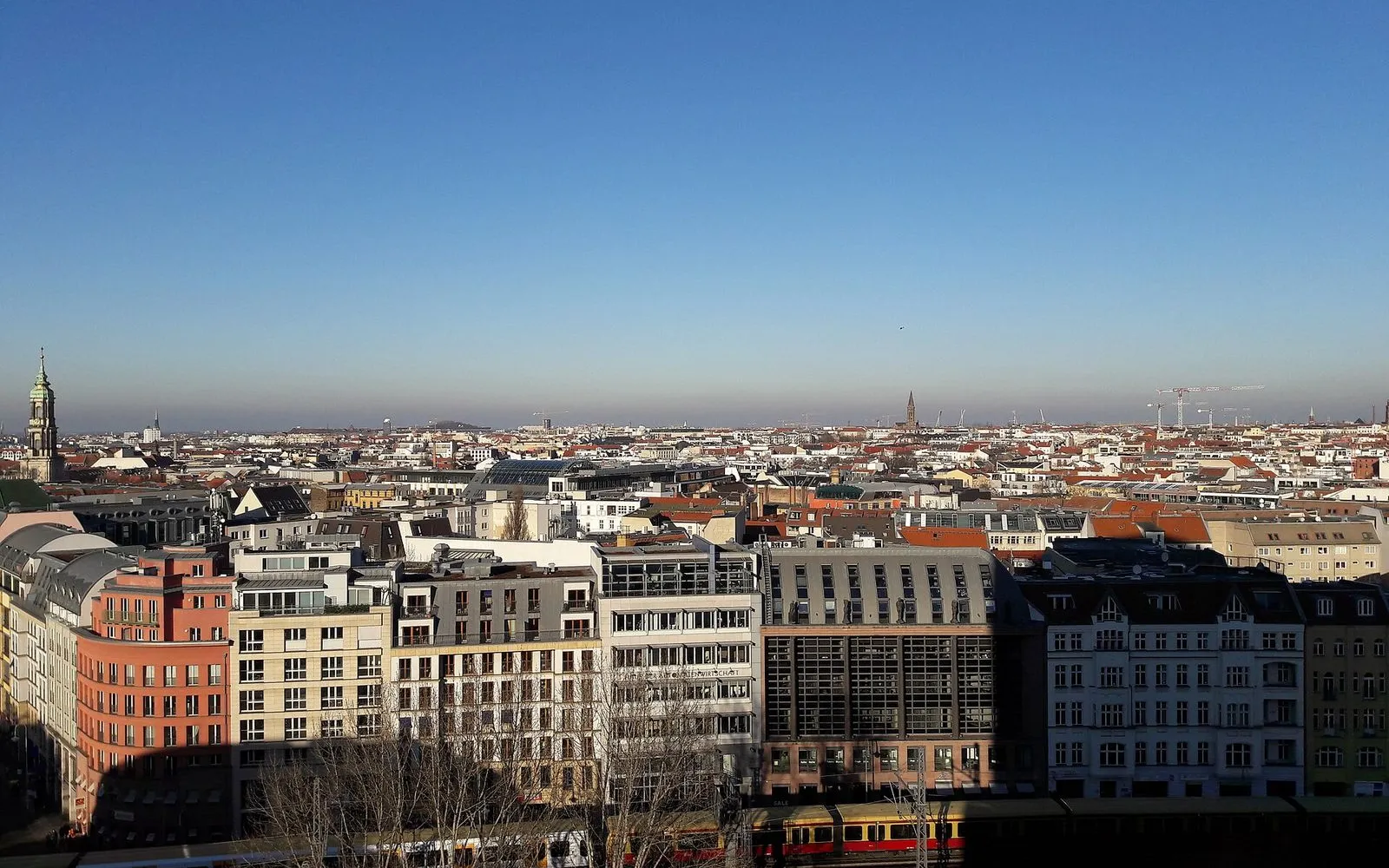
Berlin's Imperial Spine: Unter den Linden to Museum Island
Walk Berlin's grandest boulevard, from the Brandenburg Gate to the cathedral and museums of the Spree Island.
 The hidden side
Prenzlauer Berg: Preserved Streets, Hidden Histories
A walk through Berlin's largest surviving Gründerzeit quarter, from a leafy square to the churches that anchored the peaceful revolution.
 The essentials
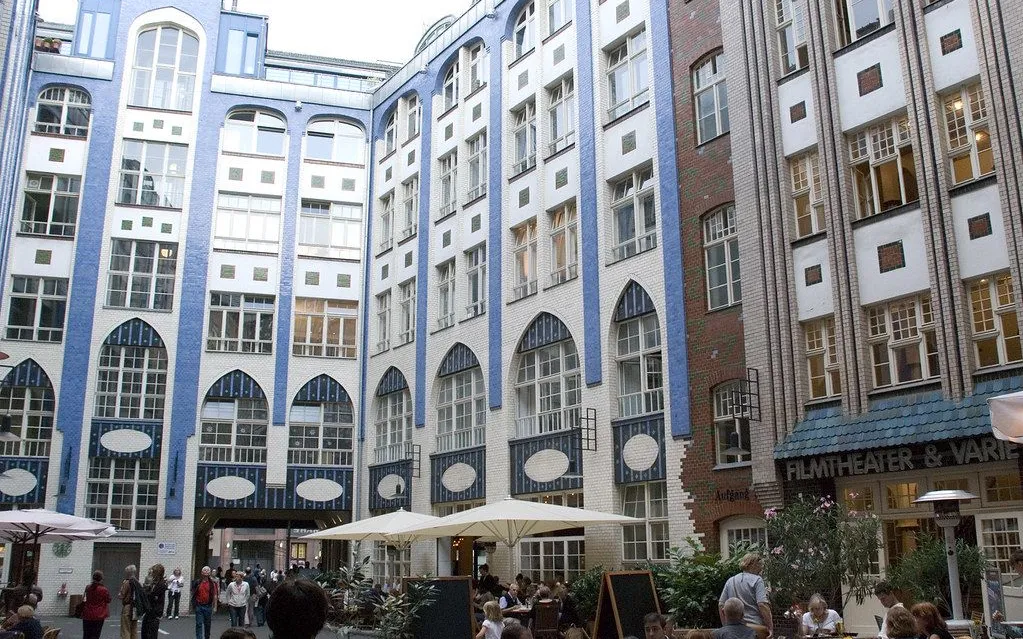
The Barn Quarter: Jewish Berlin Before and After
A 100-minute walk through the Scheunenviertel, from a gilded synagogue dome to the brass stumbling stones beneath your feet.
 The essentials
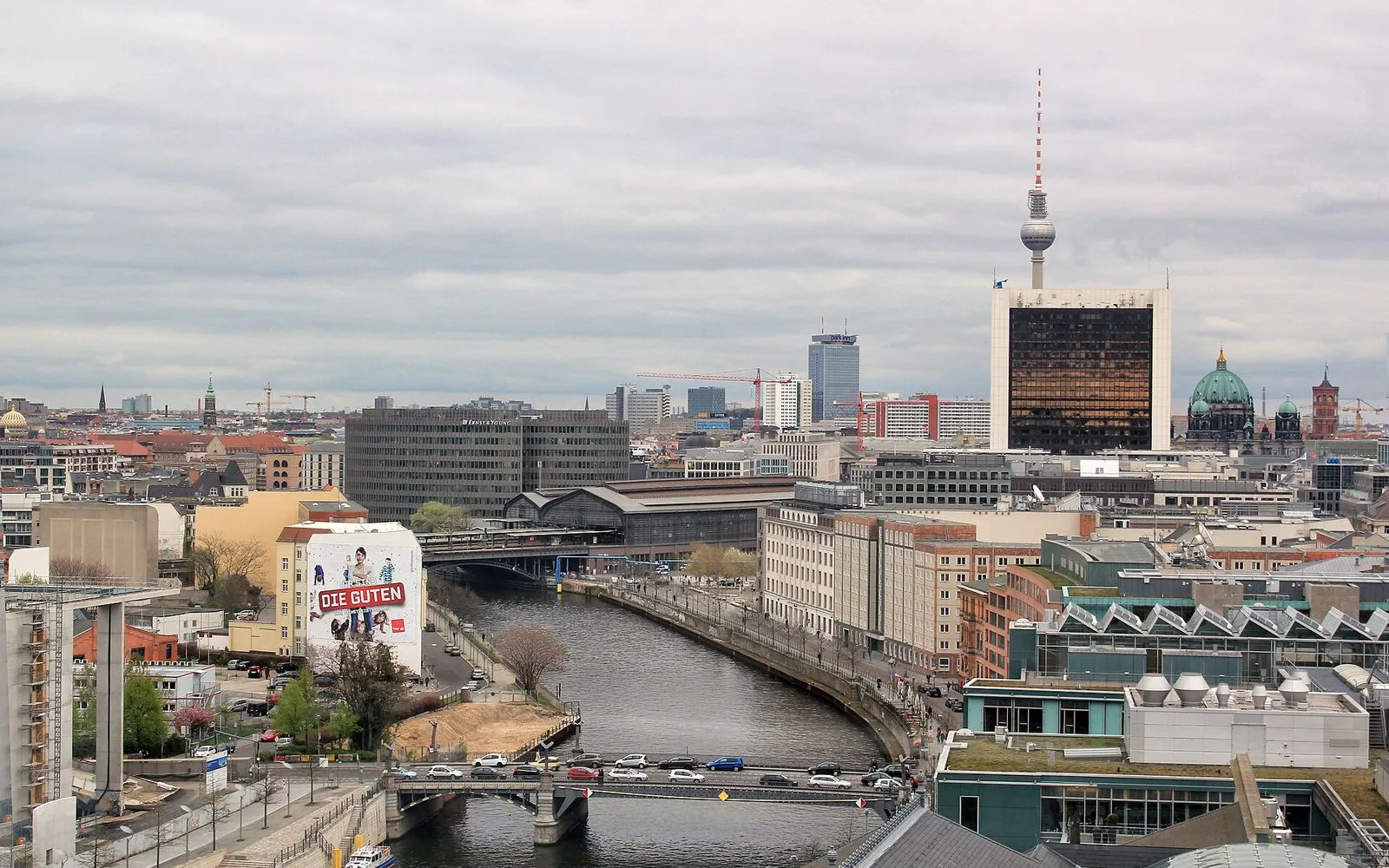
Berlin: Power and Remembrance
A walk through the heart of Berlin traces how Germany remembers, and reckons with, the last century.
What you'll see
44 stops mapped across 7 walking tours in Berlin. A few of the places the routes take you past:
- East Side Gallery
- Oberbaumbrücke
- RAW-Gelände
- Frankfurter Tor
- Karl-Marx-Allee
- Strausberger Platz
- Gedenkstätte Berliner Mauer
- Preserved Border Strip
- Kapelle der Versöhnung
- Fenster des Gedenkens
- Nordbahnhof
- Mauerpark
Before you go
Is Berlin walkable?
Berlin's historic center, Mitte, is compact and flat. The Brandenburg Gate, Reichstag, Holocaust Memorial, Museum Island, and the Tiergarten all sit within a walkable loop. The city's neighborhoods spread wide beyond that, but the U-Bahn and S-Bahn connect them efficiently when your feet give out. This itinerary keeps you on foot for the whole day.
When is the best time to visit Berlin?
May through September brings long days, park life, and street cafés. July and August can be hot and crowded. December delivers the Christmas markets, particularly the one at Gendarmenmarkt. January and February are cold and gray, but the museums are empty and hotel prices drop. Late spring and early autumn hit the sweet spot: mild weather, manageable crowds, and a city that is fully awake.
How do I get around Berlin?
The BVG runs U-Bahn, S-Bahn, trams, and buses on one integrated ticket. A single AB-zone trip costs about €3.50. A day ticket pays for itself after three rides. Validate your ticket before boarding. Plainclothes inspectors operate regularly and fines are steep. The city also has an extensive bike-lane network, and ride-hailing apps work reliably.
Do I need cash in Berlin?
Yes, though less than five years ago. Major museums, hotels, and larger restaurants take cards. Smaller cafés, many bars, market stalls, and some bakeries are cash-only. Carry €40 to €60 in cash and use bank-branded ATMs (Sparkasse, Deutsche Bank) to avoid the high-fee machines inside tourist sites and corner shops.
Is Berlin safe?
Berlin is a safe city by the standards of any major European capital. Take the usual precautions: watch your phone in crowded areas like Alexanderplatz, avoid dark and empty U-Bahn stations late at night, and keep an eye on your bag at busy markets. The neighborhoods in this guide are well-lit and heavily trafficked at all hours.
Where should I stay for a short visit?
Mitte puts you within walking distance of the Brandenburg Gate, Museum Island, and the Reichstag. Prenzlauer Berg is quieter, greener, and a short tram ride north. Kreuzberg and Friedrichshain are grittier and livelier, better for a second visit than a first. If you have one day, stay in Mitte and save the commute.

Walk Berlin
Get the audio guide in the app.
Walk Berlin with turn-by-turn navigation, offline maps, and a local's notes in your pocket.
Provenance · last verified August 18, 2026
Built from the Wayside walking tours in this city and the stops they cover.
Photo by Florian Wehde on Unsplash
Photo by Olivier Cleynen on Wikimedia Commons · CC BY 4.0
Photo by Ad Meskens on Wikimedia Commons · CC BY-SA 4.0
Photo by A.Savin on Wikimedia Commons · CC BY-SA 3.0
Photo by Jorge Royan on Wikimedia Commons · CC BY-SA 3.0
Photo by MB-one on Wikimedia Commons · CC BY-SA 4.0
Photo by Pennello on Openverse · CC BY 2.0
Photo by Tanweer Morshed on Wikimedia Commons · CC BY-SA 3.0