 Must see
Photo by Femi Oyekoya on Unsplash
Brandenburger Tor
Berlin's triumphant neoclassical gate, crowned by the Quadriga, has witnessed every chapter of the city's history since 1791.
You are standing before the Brandenburg Gate, Berlin's most famous landmark. Built between 1788 and 1791 under King Friedrich Wilhelm II, the gate was designed by Carl Gotthard Langhans as a symbol of peace. Its original name was the Peace Gate. The Quadriga, the four-horse chariot driven by the goddess Victoria, was added in 1793.
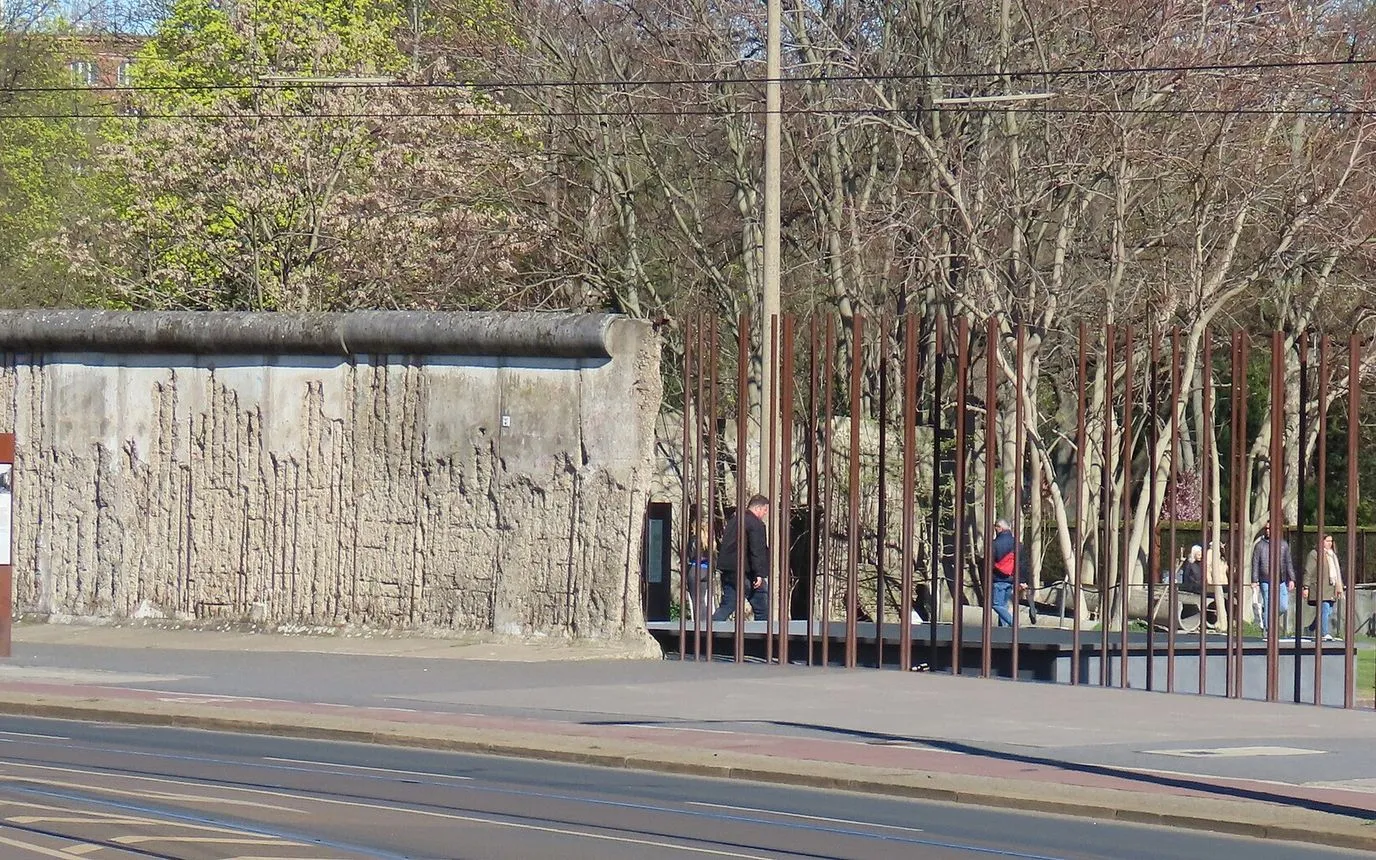
Napoleon liked it so much he took it to Paris in 1806. It came back eight years later after his defeat, and the oak wreath Victoria carries was replaced with an Iron Cross, designed by Schinkel. For nearly three decades after 1961, the gate stood stranded in the death strip, visible but unreachable from both sides. When the Wall fell on November 9, 1989, crowds poured through it, and it became the icon of German reunification.
Look at Pariser Platz around you: the Hotel Adlon, the French and American embassies, all rebuilt after reunification. The gate faces west toward the Tiergarten. In a moment you will turn east and walk Berlin's oldest boulevard.