New York City · Self-guided audio walk

Harlem: Jazz, Gospel, and the Renaissance

Walk the streets that gave the world swing, soul, and the 20th century's great Black cultural awakening.

  • 6Stops
  • 2.7 kmDistance
  • 45+ minTime

This walk follows six places where Harlem changed American music, literature, and politics. You start at the Schomburg Center, whose eleven million items document the global Black experience. You stand before the Abyssinian Baptist Church, where Adam Clayton Powell Jr. preached before becoming the first Black congressman from New York. You stroll Strivers' Row, two blocks of landmark townhouses that were home to W.C. Handy and Eubie Blake. You find Bill's Place on the block once called Swing Street, where Billie Holiday got her start. You pass Sylvia's, the soul food institution that has fed presidents and neighbors alike since 1962. And you finish under the Apollo Theater's marquee, where Amateur Night launched Ella Fitzgerald, James Brown, and nearly a century of stars.

The walk runs about two hours at an easy pace. Most of it is flat. Wear comfortable shoes, bring a bottle of water, and know that the Apollo lobby and Schomburg lobby are open to visitors during daytime hours. If you can, do this walk on a Sunday morning when the gospel choir rehearses at Abyssinian, or on a Friday evening when Bill's Place opens its basement doors for jazz.

Hear it on the street

Get the turn-by-turn audio guide in the app. The narration plays itself as you reach each stop, hands-free and offline.

Stop by stop

The route

Interactive map of the route. The full stop list below works without it.

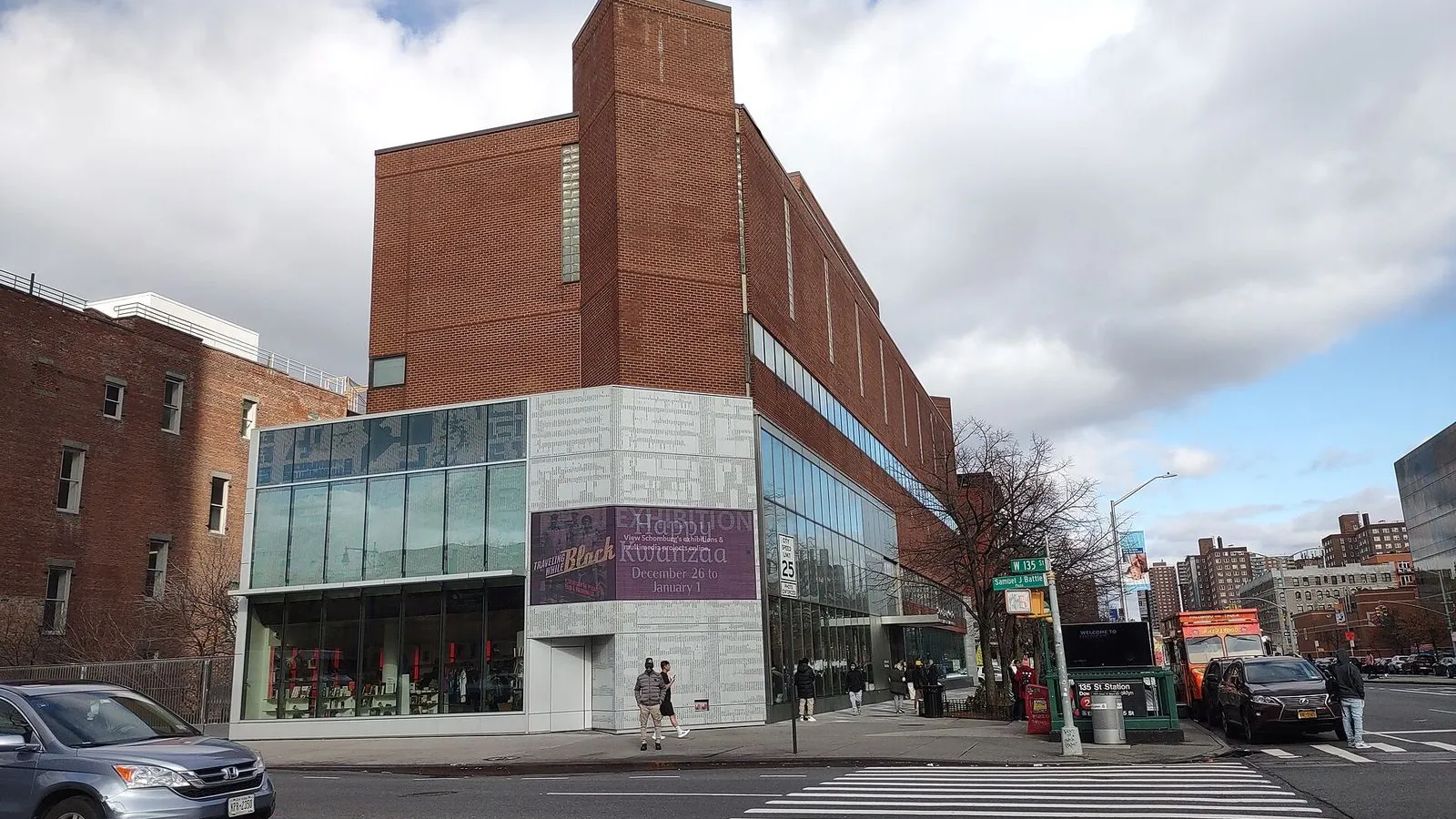
Schomburg Center for Research in Black CultureMust see

Photo by Jim.henderson on Wikimedia Commons

Schomburg Center for Research in Black Culture

0:00

One of the world's leading research institutions for Black history and culture, built around the personal collection of bibliophile Arturo Alfonso Schomburg.

You're standing in front of a brick and glass building that holds more than eleven million items documenting the global Black experience. That collection started with one man. Arturo Alfonso Schomburg was a Puerto Rican born Black bibliophile who spent his life gathering books, manuscripts, and art that white libraries and universities ignored. In 1926, the New York Public Library bought his collection, and it became the foundation of what you see today.

Step inside the lobby if the center is open. The Langston Hughes Auditorium is to your left. Hughes himself lived a few blocks from here, and his ashes are interred beneath the lobby floor, under a cosmogram titled 'Rivers.' The archives upstairs hold the papers of Maya Angelou, James Baldwin, and Malcolm X. This is not just a library. It is the institutional memory of a people, and it all began with one man who refused to let that memory be erased.

When you're ready, we're heading three blocks north to a church that shaped American politics as much as American faith.
≈4 min walk to the next stop
Abyssinian Baptist ChurchMust see

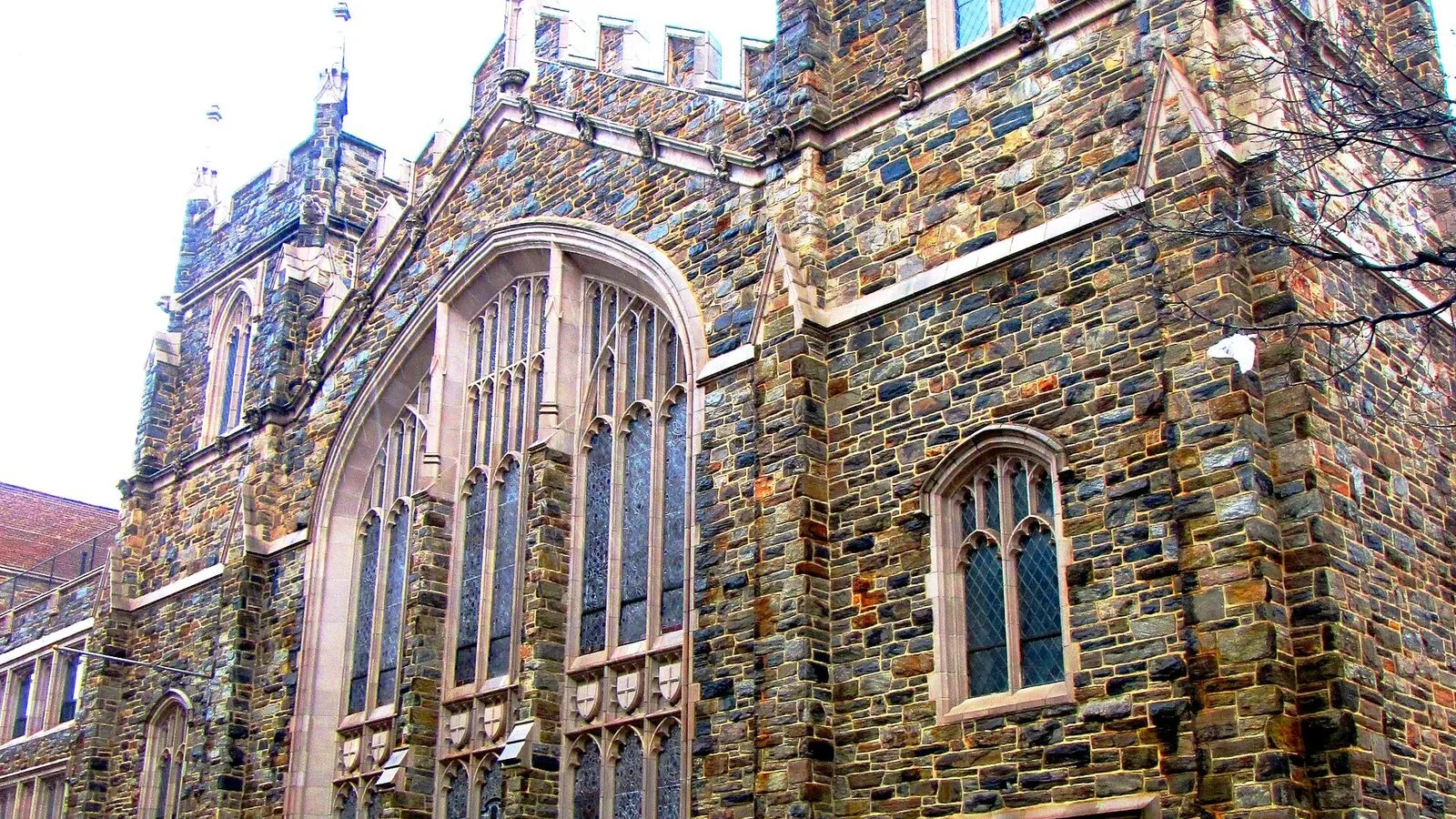
Photo by Beyond My Ken on Wikimedia Commons

Abyssinian Baptist Church

0:00

Founded in 1808, this Gothic Revival church became the largest Black congregation in America and the spiritual home of congressman Adam Clayton Powell Jr.

You're looking at the Abyssinian Baptist Church, and the story of this congregation is the story of Harlem itself. It was founded in 1808 by a group of Black worshippers and Ethiopian seamen who walked out of a white church over segregated seating. They named it after Abyssinia, the ancient name for Ethiopia.

The building in front of you was completed in 1923, a Gothic and Tudor Revival structure of gray stone with a pointed arch window above the entrance. Inside are imported European stained glass windows and an Italian marble pulpit. But the real power of this place came from its preachers. Adam Clayton Powell Sr. took over in 1908 and built the largest Black congregation in America. His son, Adam Clayton Powell Jr., became pastor in 1937 and later the first Black congressman from New York City, serving fourteen terms. From this church, he pushed through civil rights legislation that changed the country.

On a Sunday morning, the gospel choir here is one of the great musical experiences in New York. Even from the sidewalk, you can sometimes hear rehearsal through the stone walls.

Turn west now and walk toward Adam Clayton Powell Jr. Boulevard. Cross it, and you'll enter two of the most beautiful residential blocks in Manhattan.

≈4 min walk to the next stop
Strivers' RowMust see

Photo by Beyond My Ken on Wikimedia Commons

Strivers' Row

0:00

Two blocks of landmark row houses by three famed architectural firms, home to Harlem's Black professional elite during the Renaissance.

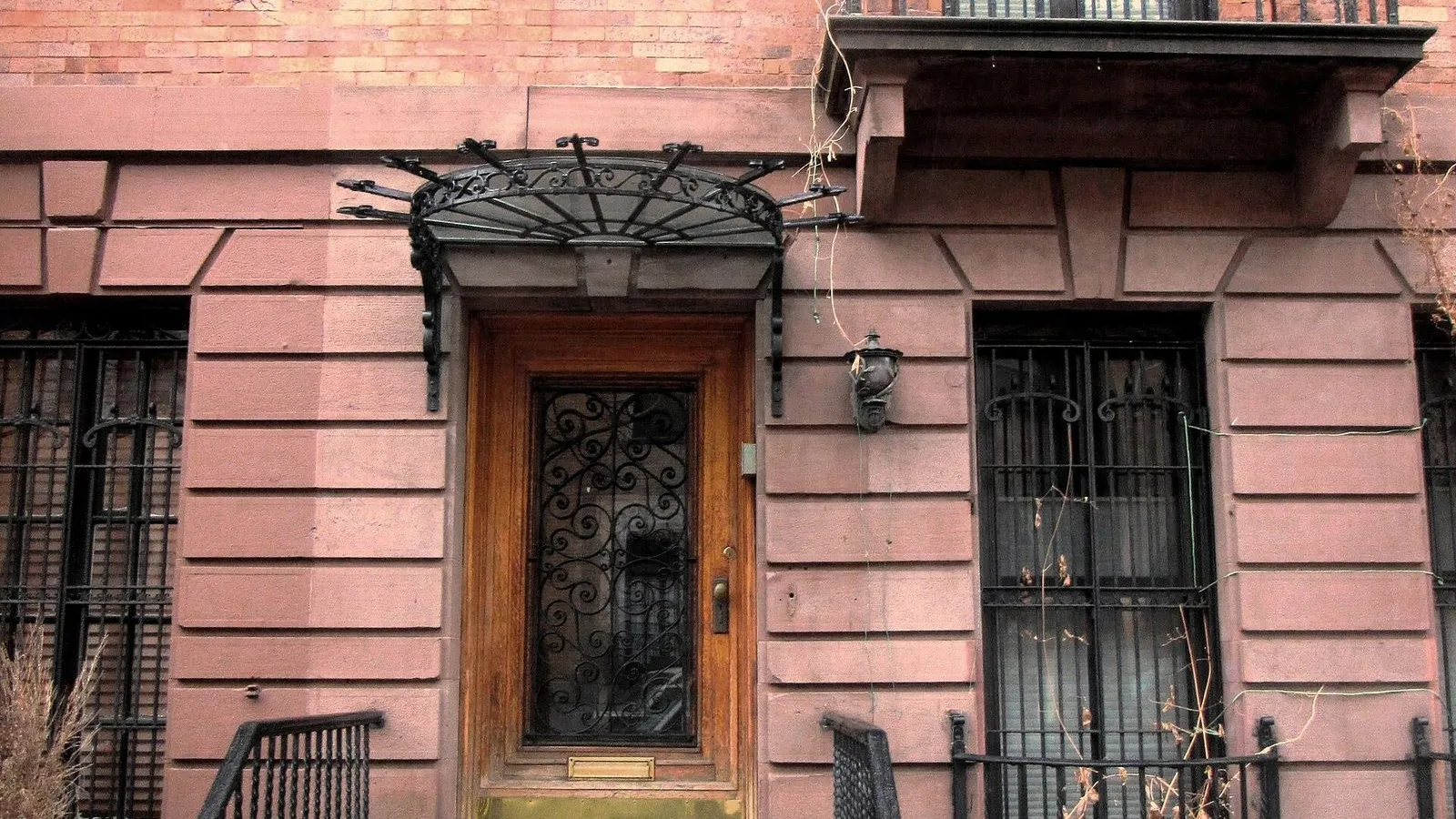
These two blocks of West 138th and 139th Streets are the St. Nicholas Historic District, but everybody calls them Strivers' Row. Take a moment and look at the houses. You'll notice they're not all the same. Three different architectural firms designed them. On the south side of 138th Street, the red brick and brownstone row is Georgian Revival by James Brown Lord. Across the street and on the south side of 139th, the yellow brick with white limestone trim is Colonial Revival by Bruce Price and Clarence Luce. And on the north side of 139th Street, the dark brick with terra cotta details is Italian Renaissance Revival by Stanford White of McKim, Mead and White.

They were built between 1891 and 1893 by a developer named David H. King Jr., the same man who built the base of the Statue of Liberty and the original Madison Square Garden. He planned these houses for upper middle class whites, but an economic depression killed the market, and the houses sat mostly empty for twenty five years. In 1919, they were finally sold to Black buyers for eight thousand dollars each. Doctors, lawyers, musicians, and writers moved in. W.C. Handy, the father of the blues, lived at 232 West 139th Street. Eubie Blake lived at 236 West 138th. The name 'Strivers' Row' came from the idea that if you lived here, you had arrived. You had strived and made it.

Walk the length of both blocks if you can. Look for the wrought iron gates between the buildings. Those lead to rear alleyways that still have signs reading 'Walk Your Horses.' They were service alleys for deliveries and stables, a pocket of nineteenth century New York tucked behind these elegant facades.

When you're done exploring, head back to Adam Clayton Powell Jr. Boulevard and walk south five blocks to 133rd Street.

≈9 min walk to the next stop
Free preview ends here · stops 4 to 6 continue in the app

Bill's Place

The last working jazz club on the block once called Swing Street, where Billie Holiday got her start and Prohibition era speakeasies lined the sidewalks.

in app

Sylvia's Restaurant of Harlem

The Queen of Soul Food's landmark restaurant, serving fried chicken and collard greens since 1962 and still family run.

in app

Apollo Theater

The legendary music hall where Amateur Night launched Ella Fitzgerald, James Brown, and generations of stars since 1934.

in app
Good to know

Before you go

When is the best time to do the Harlem walk?

Sunday morning, when the gospel choir rehearses at Abyssinian Baptist Church. The service starts at 11 a.m. and visitors are welcome, but arrive early and dress respectfully; the line forms by 10 a.m. Friday evening is the other sweet spot, when Bill's Place opens its basement doors for jazz.

Do I need tickets for the Apollo Theater?

Amateur Night at the Apollo, held most Wednesday evenings, requires a ticket. The daytime Historic Tour of the theater runs several times a day and can be booked at apollotheater.org. The lobby and the Walk of Fame on 125th Street are free to see anytime.

Is the Schomburg Center free?

Yes, the Schomburg Center for Research in Black Culture is free and open to the public. The exhibition galleries are open Tuesday through Saturday. The reading rooms require a library card for access to the collections.

Provenance · last verified August 17, 2026

Built from the Wayside route itself: the stops, their order, and the walk between them.

Photo by Annie Spratt on Unsplash

Photo by Jim.henderson on Wikimedia Commons · CC BY-SA 4.0

Photo by Beyond My Ken on Wikimedia Commons · CC BY-SA 4.0

Photo by Beyond My Ken on Wikimedia Commons · CC BY-SA 4.0

Photo by Haydn on Unsplash

Photo by Andre Carrotflower on Wikimedia Commons · CC BY-SA 4.0

Photo by Customerly on Unsplash

Photo by Florian Wehde on Unsplash

Photo by Kazuma Sako on Unsplash

Photo by Famartin on Wikimedia Commons · CC BY-SA 4.0

Photo by Jimmy Woo on Unsplash

Coming soon

Wayside isn't in the app stores yet, but it's in the works. Check back soon.