Practical guide

Madrid: know before you go

Everything a first-time visitor to Madrid needs to know: getting in from Barajas, riding the metro, when to come, what to book ahead, and the small things that make the city work.

Madrid

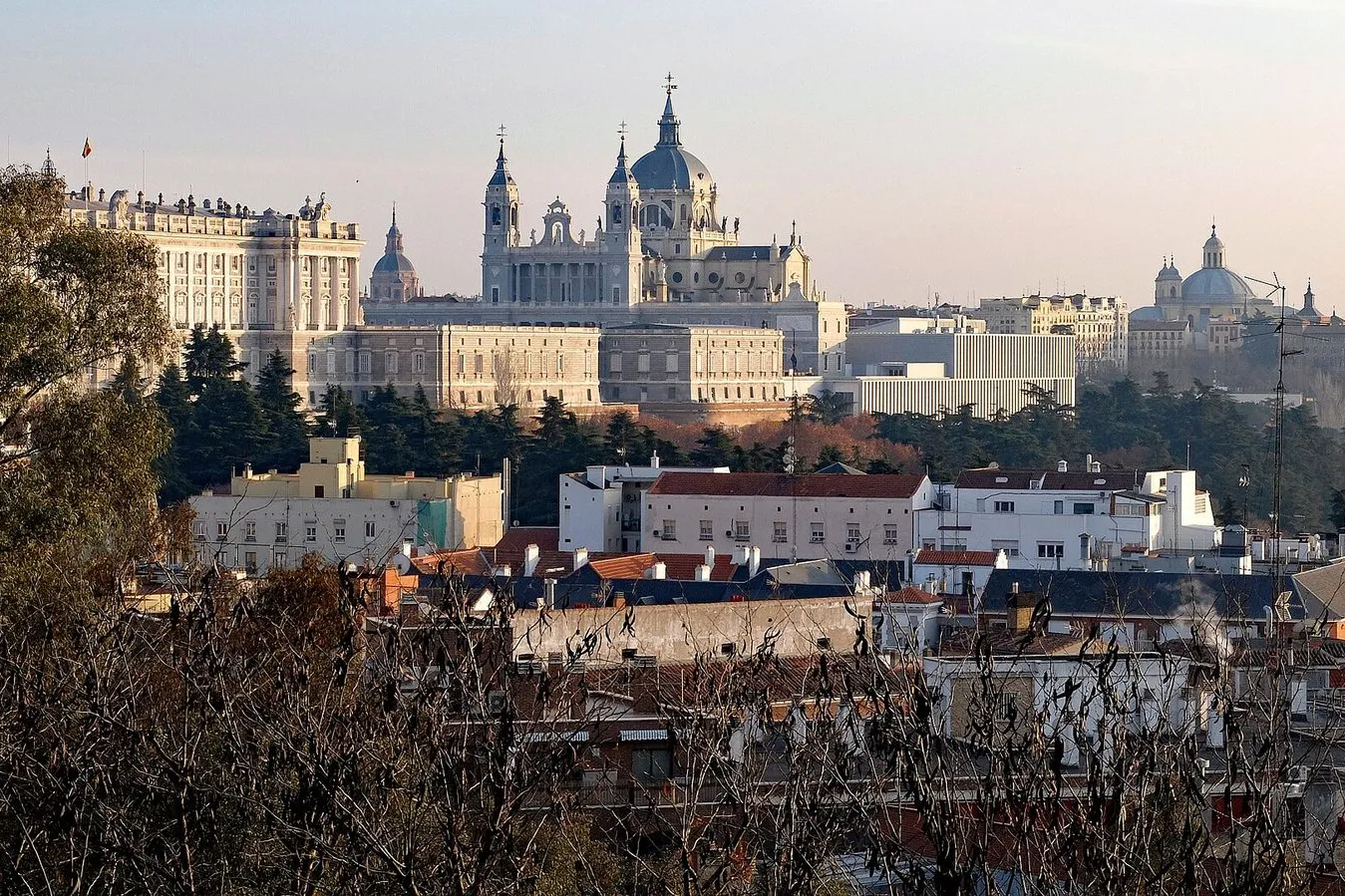
Photo by Unknown authorUnknown author on Wikimedia Commons

Need to know

The essentials, first

This covers what to know before you go to Madrid: getting in from the airport, the metro and bus system, when to come, and what to book ahead. For visa rules, the euro, plug types, inter-city train travel, and national holidays, see the Spain country guide.

  • Madrid does not charge a general tourist tax on overnight stays. Your hotel bill will not include a per-night city tax.SourceHealth Plan Spain
  • Madrid tap water is safe to drink. It comes from the Sierra de Guadarrama and meets EU quality standards, though the mineral content gives it a distinct taste some visitors notice.SourceTurismo Madrid
  • From 1 June 2026, you can tap your contactless bank card or phone directly at Metro de Madrid ticket barriers. No need to buy a separate transport card for short stays.SourceTurismo Madrid
When to go

When is the best time to visit Madrid?

Spring

Months
March to May
Weather
Temperatures climb from average highs of 62°F (16°C) in March to 75°F (24°C) in May. March can be rainy with up to 11 wet days, but by May rainfall drops to around 6 days. Evenings stay cool, dipping to the 40s and low 50s Fahrenheit.SourceClimates to Travel
Crowds
Shoulder season with moderate crowds. Semana Santa (Holy Week, March or April) brings spikes in visitors and hotel prices. May is busier around the San Isidro festival but the weather is near perfect for walking.

Summer

Months
June to August
Weather
Hot and dry. July and August average highs reach 92°F (34°C) and can push above 95°F (35°C). Nights cool only to around 65°F (19°C). Rain is rare: July averages just one wet day.SourceClimates to Travel
Crowds
Peak tourist season, but August is quieter because many madrileños leave the city on holiday. Some independent shops and restaurants close for the entire month. The city runs late: people eat dinner after 10pm and terraces stay packed past midnight.

Autumn

Months
September to November
Weather
September stays warm, with highs around 82°F (26°C). By November the average high drops to 58°F (15°C) and rainfall increases. November is typically the wettest month.SourceClimates to Travel
Crowds
September and October are the sweet spot: warm days, thinner crowds, and the city fully reopened after the August lull. By November crowds thin further, but you will want an umbrella and a warm layer.

Winter

Months
December to February
Weather
Cold but often sunny. January is the coldest month, averaging 43°F (6°C), with overnight lows near 35°F (2°C). Snow is rare but possible in late December and January. Skies are clear more often than not.SourceClimates to Travel
Crowds
Low season except around Christmas and New Year, when the Puerta del Sol fills for the grape-eating tradition and hotel rates spike. Otherwise, it is the cheapest and quietest time to visit, with short museum queues.
When to visit Madrid, by season
SeasonMonthsWeatherCrowds
SpringMarch to MayTemperatures climb from average highs of 62°F (16°C) in March to 75°F (24°C) in May. March can be rainy with up to 11 wet days, but by May rainfall drops to around 6 days. Evenings stay cool, dipping to the 40s and low 50s Fahrenheit.SourceClimates to TravelShoulder season with moderate crowds. Semana Santa (Holy Week, March or April) brings spikes in visitors and hotel prices. May is busier around the San Isidro festival but the weather is near perfect for walking.
SummerJune to AugustHot and dry. July and August average highs reach 92°F (34°C) and can push above 95°F (35°C). Nights cool only to around 65°F (19°C). Rain is rare: July averages just one wet day.SourceClimates to TravelPeak tourist season, but August is quieter because many madrileños leave the city on holiday. Some independent shops and restaurants close for the entire month. The city runs late: people eat dinner after 10pm and terraces stay packed past midnight.
AutumnSeptember to NovemberSeptember stays warm, with highs around 82°F (26°C). By November the average high drops to 58°F (15°C) and rainfall increases. November is typically the wettest month.SourceClimates to TravelSeptember and October are the sweet spot: warm days, thinner crowds, and the city fully reopened after the August lull. By November crowds thin further, but you will want an umbrella and a warm layer.
WinterDecember to FebruaryCold but often sunny. January is the coldest month, averaging 43°F (6°C), with overnight lows near 35°F (2°C). Snow is rare but possible in late December and January. Skies are clear more often than not.SourceClimates to TravelLow season except around Christmas and New Year, when the Puerta del Sol fills for the grape-eating tradition and hotel rates spike. Otherwise, it is the cheapest and quietest time to visit, with short museum queues.
The practical guide

Everything to sort before you go

Getting in from the airport

Adolfo Suárez Madrid-Barajas Airport (MAD) sits about 12 km northeast of the city center. Terminal 4 handles most international flights, including Iberia and oneworld carriers. Terminals 1, 2, and 3 serve the rest. A free shuttle bus links all four terminals, running every few minutes during the day. The main train stations are Atocha (south, serving AVE high-speed trains), Chamartín (north), and Príncipe Pío (west).

Metro Line 8 (pink) connects all airport terminals to Nuevos Ministerios station in about 12 to 20 minutes. A single metro ticket costs €1.50 to €2.00 depending on distance, plus a €3 airport supplement. You need a Tarjeta Multi (€2.50) to load the ticket. The Tourist Travel Pass includes the supplement. SourceTurismo Madrid

Cercanías (commuter) trains on lines C-1 and C-10 run from Terminal 4 to Atocha and Chamartín stations. A single ticket costs €2.60 and the journey takes about 25 minutes to Atocha. Free for AVE ticket holders connecting to a flight. SourceSpain.info

The Airport Express bus (line 203) runs 24 hours between T1, T2, T4 and Atocha station (daytime) or Cibeles (night service N27). The fare is €5, payable in cash on board. SourceSpain.info

A taxi from the airport to anywhere inside the M-30 ring road costs a flat €33. The ride takes 20 to 40 minutes depending on traffic. The fixed fare includes luggage and applies 24/7. SourceTurismo Madrid

Getting around

Madrid has one of Europe's best public transport networks. The metro is clean, frequent, and covers the city thoroughly. EMT blue buses fill the gaps, especially useful for east-west routes the metro misses. The historic center is compact and walkable; most of our walking tours stay within a radius you can cross on foot in 30 minutes. For longer stays, the Tourist Travel Pass gives you unlimited travel and kills the airport supplement. From June 2026, you can skip the Tarjeta Multi entirely and tap a contactless bank card at the metro turnstile.

The Tourist Travel Pass (Zone A) covers the entire city of Madrid: unlimited metro, EMT buses, Cercanías trains (zones 0 and A), and Metro Ligero ML1. Prices: 1 day €10.30, 2 days €17.50, 3 days €23.10, 5 days €33.40, 7 days €43.20. Children under 11 pay half; under 4 travel free. SourceTurismo Madrid

Without a pass, load a Tarjeta Multi (€2.50, reusable for 10 years) with a 10-trip Metrobús ticket (€7.30 for zone A, valid on metro and bus). The card can be shared by multiple people. SourceTurismo Madrid

From 1 June 2026, you can tap a contactless credit or debit card (physical card, phone, or smartwatch) directly at Metro de Madrid barriers without buying a ticket first. SourceTurismo Madrid

Money and payments

Madrid does not charge a city tourist tax on accommodation. What you book is what you pay, aside from VAT already included in published rates. Cards are accepted almost everywhere, including small tapas bars and market stalls. Several of the city's top museums open free during set evening or weekend hours, which can save you serious money if you plan around them.

Madrid has no general overnight tourist tax. Unlike Barcelona or the Balearic Islands, your hotel or rental bill will not include a per-person, per-night city tax. SourceHealth Plan Spain

The Prado Museum offers free entry Monday to Saturday from 6pm to 8pm and Sundays and holidays from 5pm to 7pm. The Reina Sofía is free Monday and Wednesday to Saturday from 7pm to 9pm and Sundays from 12:30pm to 2:30pm. SourceMuseo del Prado

Safety and common scams

Madrid is a safe city by any reasonable measure. Violent crime against tourists is rare. The real risk is opportunistic pickpocketing in crowded areas: the Puerta del Sol, Gran Vía, the Rastro flea market on Sunday mornings, and inside packed metro cars. Keep your phone and wallet in a front pocket or a zipped bag, and do not leave a bag hanging on the back of a chair at a terrace. The local police (Policía Municipal) are visible and helpful.

Madrid's municipal police can be reached on 092 for local, non-urgent incidents. The national emergency number for police, fire, and ambulance is 112. SourceAyuntamiento de Madrid

Health and emergencies

Madrid tap water is safe and meets EU drinking water standards. It comes from mountain reservoirs in the Sierra de Guadarrama and is treated and monitored. The mineral content is relatively high, which gives it a harder taste than some visitors are used to, but it will not make you sick. In summer, the heat is the real health concern. July and August afternoons routinely pass 95°F (35°C). Carry water, wear a hat, and plan indoor activities for the midday hours. Pharmacies (farmacias) are marked by a green cross and can advise on minor ailments.

Madrid tap water is potable and tested to EU standards. Its source is the Canal de Isabel II network, fed by Sierra de Guadarrama reservoirs. SourceTurismo Madrid

Staying connected

Madrid has excellent mobile coverage and widespread free WiFi. Most hotels, cafés, and the larger museums offer free WiFi networks. The airport has free WiFi for up to 30 minutes. If you need constant data, a prepaid Spanish SIM from Movistar, Vodafone, or Orange is easy to buy at any phone shop with your passport. Many international plans now include EU roaming at no extra cost, so check with your carrier before buying a local SIM.

Etiquette and tipping

Madrid runs late. Lunch starts around 2pm, and dinner rarely begins before 9pm; a 10pm restaurant reservation is normal. Many kitchens do not open until 8:30pm, so a 7pm dinner is hard to find outside tourist zones. Greet people with "hola" or "buenos días/tardes" when entering a shop or café. A simple "gracias" goes a long way. Spaniards stand closer when talking than Americans or northern Europeans might expect, and interrupting is not considered rude in animated conversation. Dress is smart-casual; shorts and flip-flops mark you as a tourist and will feel out of place anywhere beyond the pool.

The language

The language is Castilian Spanish (castellano). In central Madrid, English is widely understood in hotels, larger restaurants, and museum ticket desks, but less so in neighborhood bars, small shops, and markets. Learning a handful of phrases will open doors: "buenos días" (good morning), "por favor" (please), "gracias" (thank you), "la cuenta, por favor" (the check, please), "¿dónde está...?" (where is...?). In a bar, "una caña" gets you a small draft beer; "un café solo" is an espresso.

Accessibility

Madrid has made real progress on accessibility but the old city presents challenges. Most metro stations in the center now have lifts, and all EMT buses are wheelchair-accessible with ramps. The Prado, Reina Sofía, and Thyssen museums all offer wheelchair access, accessible toilets, and loaner wheelchairs. The Royal Palace has step-free access and lifts. Narrow cobbled streets in the Habsburg quarter and the Literary Quarter can be tough for wheelchair users. The pedestrianized sections of the city center are smooth and flat. Check individual station and venue websites before you go, since some older metro entrances still lack lifts.

Public holidays and hours

Madrid has two major local holidays beyond the national calendar. May 2 (Dos de Mayo) marks the 1808 uprising against Napoleon and is the city's regional day, celebrated with parades, concerts, and open-air events in Malasaña. May 15 is San Isidro, the feast of Madrid's patron saint, with a week of bullfights, concerts, and the tradition of drinking water from the saint's spring in the Pradera de San Isidro park. In August, the whole city slows down as locals take their own holidays; the San Cayetano, San Lorenzo, and La Paloma neighborhood festivals run from roughly August 6 to 15 with street parties, churros, and free concerts.

What to book ahead

Madrid's top sights sell out, especially in spring and autumn. Book the Royal Palace and the Prado at least a few days ahead. The Reina Sofía and Thyssen are easier on the day but still benefit from a timed ticket in peak season. Restaurants at the high end (DiverXO, StreetXO, any Michelin-starred place) need a reservation weeks in advance. For flamenco, book ahead for the better-known tablaos like Corral de la Morería or Cardamomo. If you want to see Real Madrid at the Bernabéu, buy tickets as soon as they go on sale; league matches sell out fast.

The Royal Palace of Madrid strongly recommends advance online booking. Walk-up tickets are limited and often sell out by late morning in high season. SourcePatrimonio Nacional

Do it yourself

Follow it in the app

Every walk comes with offline maps, audio narration, and zero ads. No data needed once you download.

Provenance · last verified August 10, 2026

Researched by Wayside, with every operational fact checked against the source.

SourcesHealth Plan SpainTurismo MadridTurismo MadridClimates to TravelSpain.infoTurismo MadridMuseo del PradoAyuntamiento de MadridPatrimonio Nacional

Photo by Unknown authorUnknown author on Wikimedia Commons · CC0

Coming soon

Wayside isn't in the app stores yet, but it's in the works. Check back soon.