Bucharest · Self-guided audio walk

The Armenian Quarter's Quiet Lanes

Old merchant lanes, Bucharest's oldest house, and two pocket parks most visitors never reach.

  • 6Stops
  • 2.4 kmDistance
  • 40+ minTime
The Armenian Quarter's Quiet Lanes

Photo by Joe Mabel on Wikimedia Commons

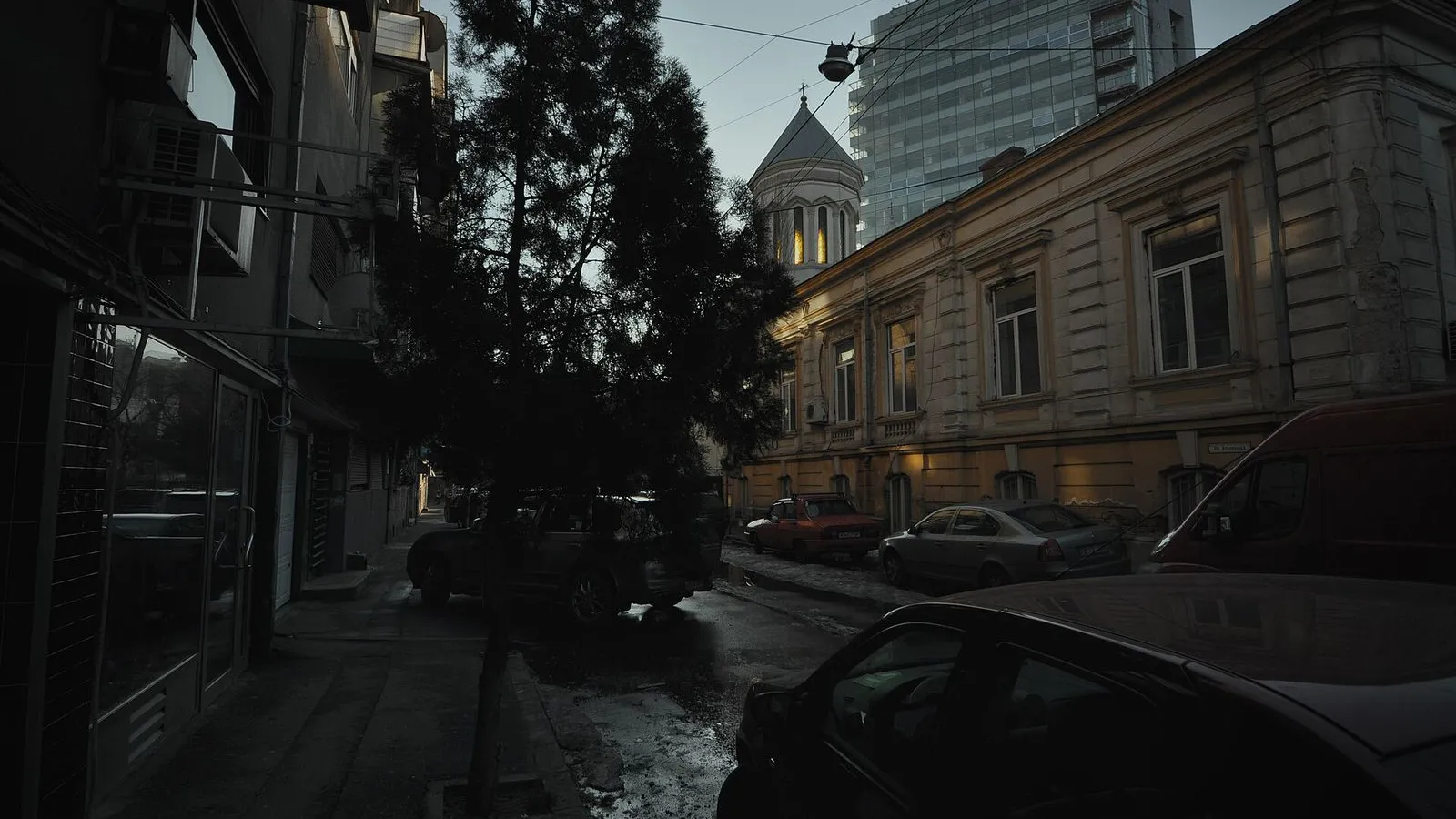
Bucharest's Armenian community has lived and traded east of the center since the sixteenth century, but most visitors never reach their old quarter. This walk starts at Casa Melik, the oldest surviving house in the city, then follows Strada Armenească past Moorish, Art Deco, and fin de siècle facades.

Cross Bulevardul Dacia and the streets loosen into Icoanei, a villa district built around two small parks. The route ends in Grădina Icoanei and the pocket of green locals still call Ioanid.

There is one museum, a quiet church courtyard, and long stretches where you will be the only person walking. Allow about an hour and forty minutes, with time to sit on a bench and do nothing.

Hear it on the street

Get the turn-by-turn audio guide in the app. The narration plays itself as you reach each stop, hands-free and offline.

Stop by stop

The route

Interactive map of the route. The full stop list below works without it.

Casa MelikLocal pick

Photo by Neoclassicism Enthusiast on Wikimedia Commons

Casa Melik

0:00

The oldest surviving house in Bucharest, now the small Theodor Pallady Museum on Spătarului Street.

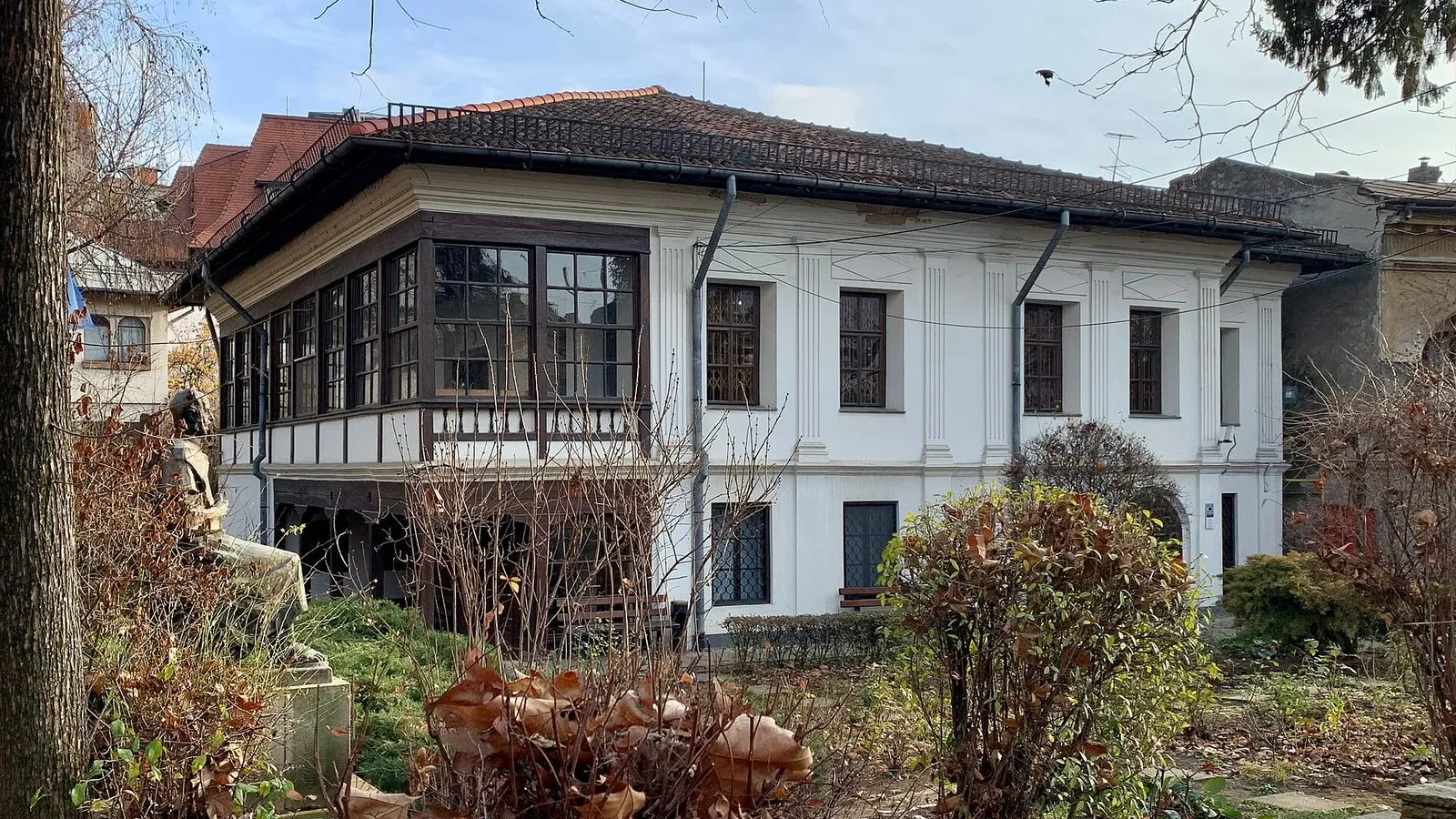
You are standing in front of Casa Melik, the oldest house still standing in Bucharest, built around 1760. In 1815 a merchant sold it to the Armenian Kevork Nazaretoglu, and it stayed in Armenian families for generations. Look up at the wide eave roof and the glazed veranda above the door. Those are the details Iacob Melik kept when he rebuilt the house in the second half of the nineteenth century.

Melik was an architect, and in 1848 the house sheltered revolutionaries hiding from the authorities. He was exiled, came home nine years later, and found the place in ruins. Inside, the rooms now hold the Theodor Pallady Museum. Pallady was a Romanian painter who spent years in Paris, and the museum keeps his canvases and more than eight hundred drawings, with furniture, textiles, and oriental ceramics given by the collectors Serafina and Gheorghe Răut.

For a long time the house belonged to the Armenian community as a home for poor widows. The museum has been closed for renovation since early 2026, so check before you plan a visit around the interior. Step into the courtyard and look at the house from the garden. You are usually the only person here.
≈5 min walk to the next stop
Armenian Apostolic ChurchLocal pick

Photo by fusion-of-horizons on Wikimedia Commons

Armenian Apostolic Church

0:00

The 1915 Armenian Apostolic cathedral, modeled on Etchmiadzin, with the Dudian collection in its courtyard.

This is the Armenian Apostolic Church of Saints Michael and Gabriel, finished in 1915 on Bulevardul Carol I. The design copies the cathedral of Etchmiadzin in Armenia, often called the oldest Christian cathedral in the world. That makes the building stand apart from every Orthodox church around it. The architects were Dimitrie Maimarolu and Grigore Cerchez, and Cerchez was himself of Armenian origin.

Walk through the gate into the courtyard. You will pass a khachkar, a carved stone cross raised in memory of the victims of the Armenian Genocide, and a bust of General Andranik, the Armenian commander. In the same yard sits the Dudian house of culture, named for the couple Hovsep and Victoria Dudian, who gave the money for it in 1942. Its museum holds medieval religious art, rare books, and altar curtains woven in the seventeenth and eighteenth centuries by Armenian masters from Tokat.

Armenians have kept a place of worship in Bucharest since at least 1581, and their community has been part of the city since the early sixteenth century. The church is the calm center of the whole quarter.

≈8 min walk to the next stop
Strada ArmeneascăLocal pick

Photo by Joe Mabel on Openverse

Strada Armenească

0:00

The old main street of the Armenian quarter, a lane of merchant houses, Moorish villas, and Art Deco blocks.

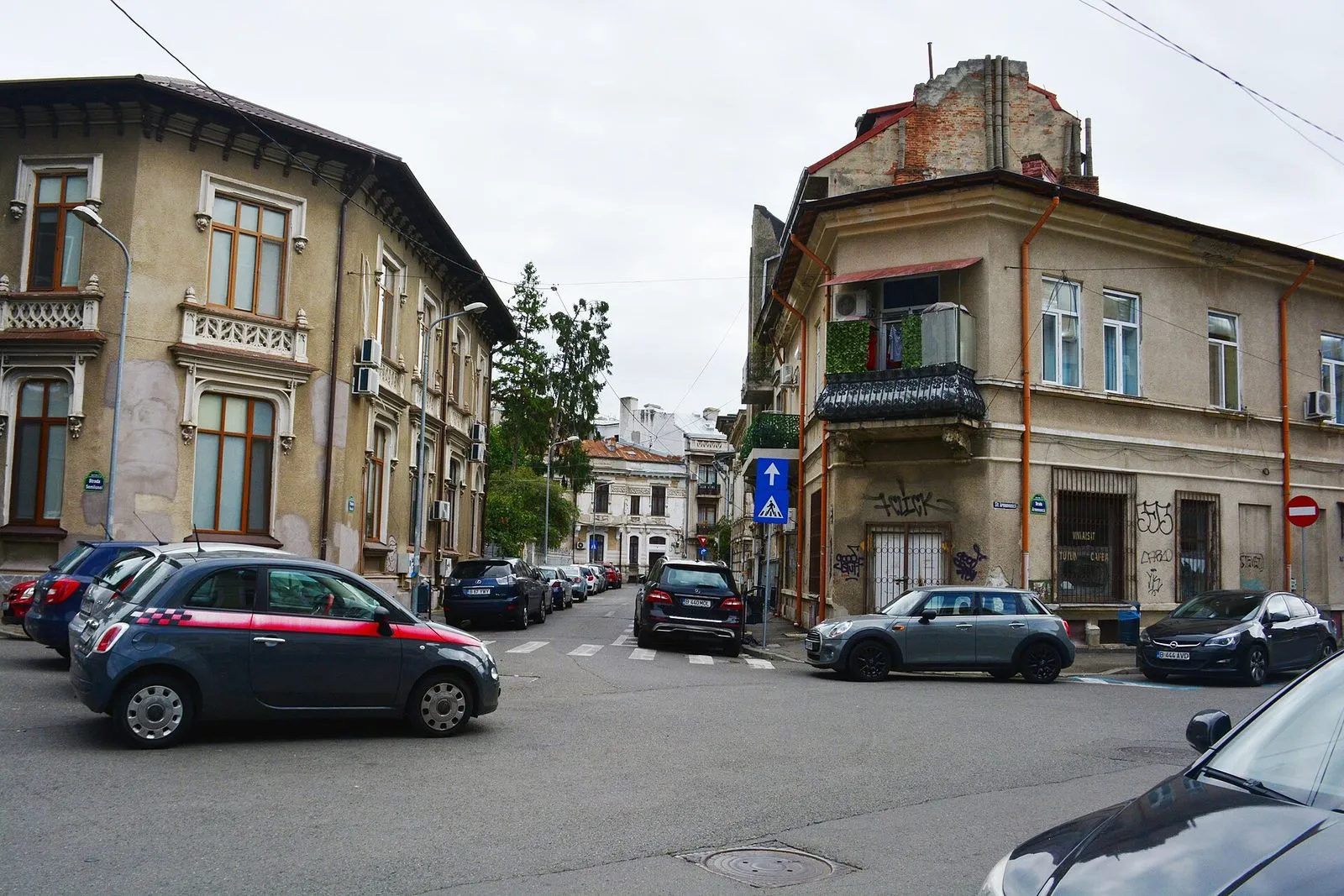
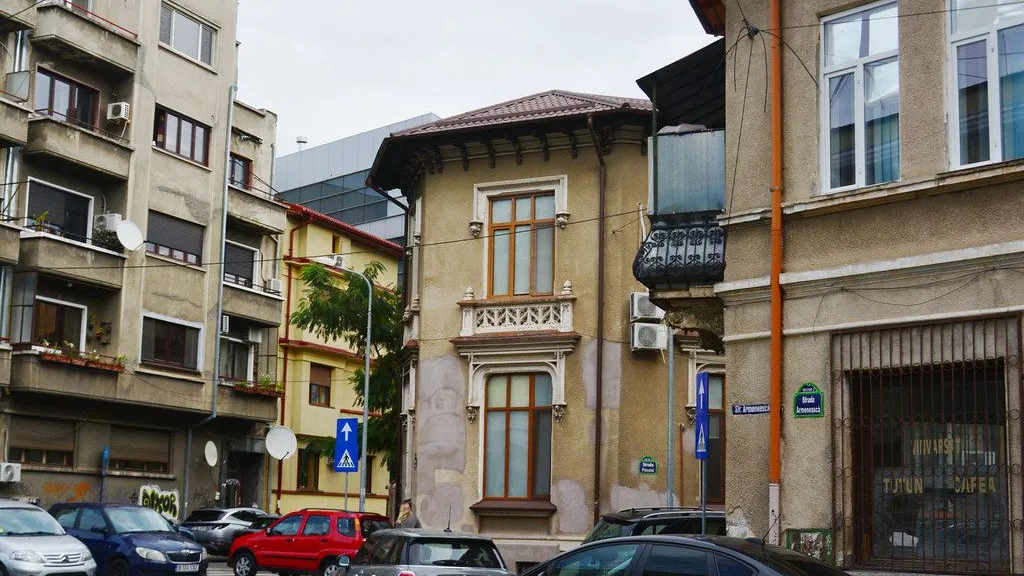
Strada Armenească is a street to walk, not a door to open. It ran from Calea Moșilor up to Strada Maria Rosetti, and by 1831 it was already the spine of the Armenian mahala. The ground floors held cobblers and coffee merchants and sellers of oriental carpets. The upper floors held the community's doctors, architects, lawyers, and writers.

Walk slowly and keep your eyes on the facades. The building styles change house by house. A villa with horseshoe arches in a Neo-Moorish style sits just off the lane on Popa Rusu, a reminder that Bucharest architects played with Andalusian forms between the wars. Around the corner on Corbeni is the Hat House, a modernist villa under a roof that looks like an oversized witch's hat.

In between are Art Deco apartment blocks with round porthole windows and neat geometric balconies. You are also walking past the Armenian Cultural Centre at number thirteen, where the street festival happens each year. If a courtyard gate is open, glance in. The garden courtyards are part of the point of this quarter, and a tea house table under a tree is a perfectly good reason to stop.

≈10 min walk to the next stop
Free preview ends here · stops 4 to 6 continue in the app

Bulevardul Dacia

A broad fin de siècle boulevard that marks the edge of the Armenian quarter and the start of the Icoanei villa district.

in app

Grădina Icoanei

A two and a half hectare park from 1873, built on a drained pond, with a small lake and quiet paths.

in app

Ioanid Park

A small pocket park built on the old Ioanid family nursery, ringed by fin de siècle villas.

in app
Good to know

Before you go

Is the Armenian quarter walk busy?

The Armenian quarter walk is one of the quietest in central Bucharest, with long stretches where you will be the only person on the lane.

Is Casa Melik open to visitors?

Casa Melik houses the Theodor Pallady Museum, which follows the National Museum of Art's hours: Wednesday to Friday 10:00 to 18:00 and weekends 11:00 to 19:00.

SourceNational Museum of Art of Romania

Provenance · last verified August 19, 2026

Built from the Wayside route itself: the stops, their order, and the walk between them.

Photo by Joe Mabel on Wikimedia Commons · CC BY-SA 4.0

Photo by Neoclassicism Enthusiast on Wikimedia Commons · CC BY-SA 4.0

Photo by fusion-of-horizons on Wikimedia Commons · CC BY 2.0

Photo by Joe Mabel on Openverse · CC BY-SA 2.0

Photo by Jani Godari on Unsplash

Photo by Jacob Fryer on Unsplash

Photo by Bekuletz on Wikimedia Commons · CC BY-SA 2.5

Photo by Diego Delso on Wikimedia Commons · CC BY-SA 4.0

Photo by Uladzislau Petrushkevich on Unsplash

Coming soon

Wayside isn't in the app stores yet, but it's in the works. Check back soon.