Lille · Self-guided audio walk

The Beaux-Arts and Vauban's Citadelle

From a Guimard façade to the ramparts of the Queen of Citadels, one leafy walk across Lille.

  • 7Stops
  • 3.3 kmDistance
  • 50+ minTime
The Beaux-Arts and Vauban's Citadelle

Photo by Jiel Beaumadier on Wikimedia Commons

This walk starts at a small house with a big reputation: Maison Coilliot, the Art Nouveau house Hector Guimard built in Lille, whose façade of enamelled lava was designed as an advertisement for its owner's ceramics business. From there you climb to the Palais des Beaux-Arts, the city's great museum on Place de la République, then follow Boulevard de la Liberté past the mansions of Lille's nineteenth-century industrial families. The route turns green at the Jardin Vauban and the zoo, pays off at the Citadelle, the five-bastion star fort Vauban began in 1667, and finishes with a shaded walk into the Bois de Boulogne.

Hear it on the street

Get the turn-by-turn audio guide in the app. The narration plays itself as you reach each stop, hands-free and offline.

Stop by stop

The route

Interactive map of the route. The full stop list below works without it.

Maison CoilliotLocal pick

Photo by Velvet on Wikimedia Commons

Maison Coilliot

0:00

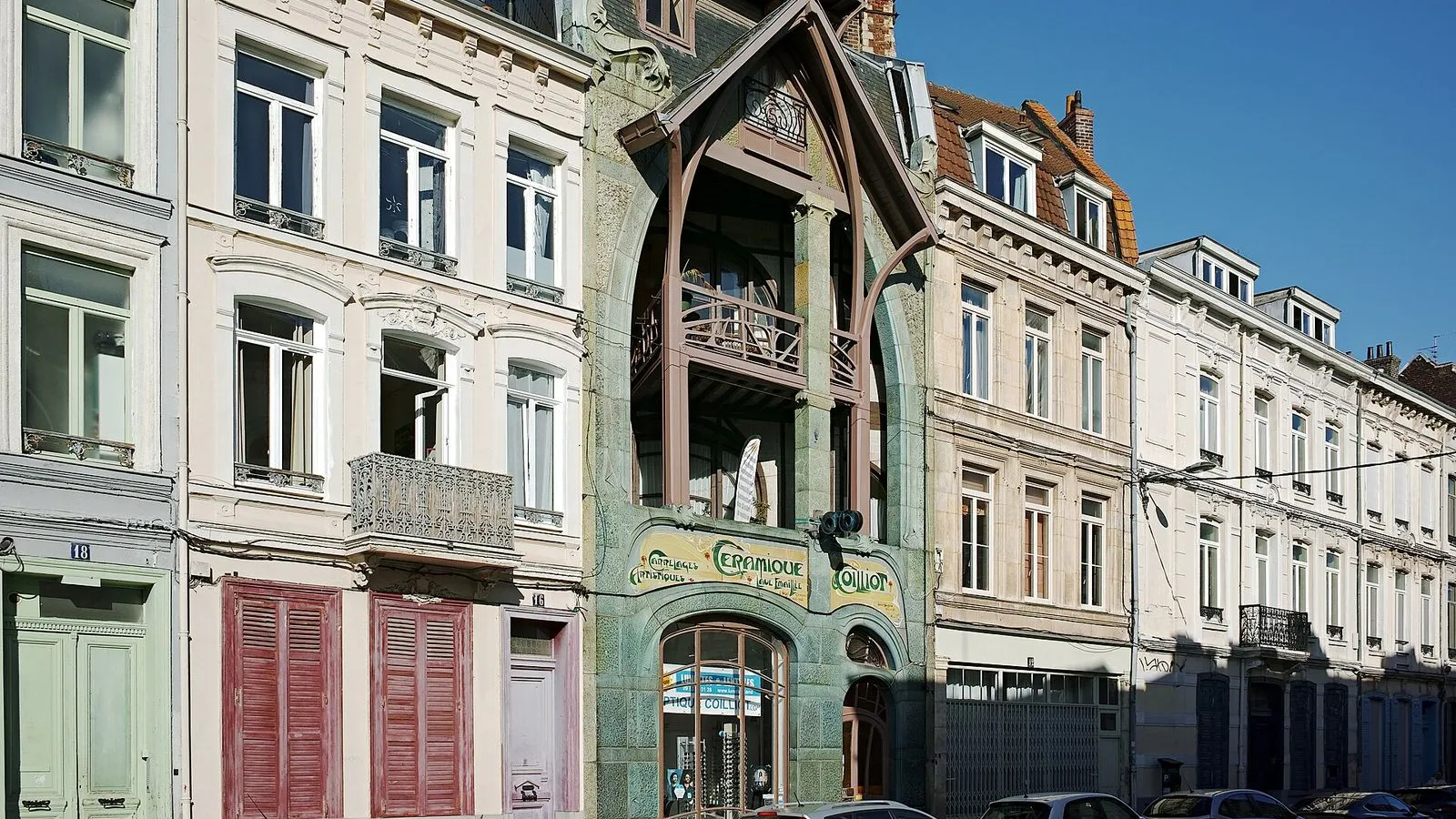
The Art Nouveau house Hector Guimard built in Lille, a small façade of enamelled lava at 14 rue de Fleurus, raised between 1898 and 1900.

You're standing in front of a house that was built to be a billboard. Maison Coilliot, at 14 rue de Fleurus, is the Art Nouveau house Hector Guimard built in Lille, and it went up between 1898 and 1900 for Louis Coilliot, a ceramics merchant who sold a new material called enamelled lava. Guimard met him in 1897 at an exhibition of ceramics and the fire arts, and Coilliot asked for a façade that would advertise the product. Look at the street wall: the lava panels sit among cut stone and brick, and the lines curve and swell. The house has been a listed monument since 1977, but it is not open to the public, so everything worth seeing is right here on the street. When you're ready, walk north along rue de Fleurus toward the big classical building two streets up: that is the Palais des Beaux-Arts.
≈8 min walk to the next stop
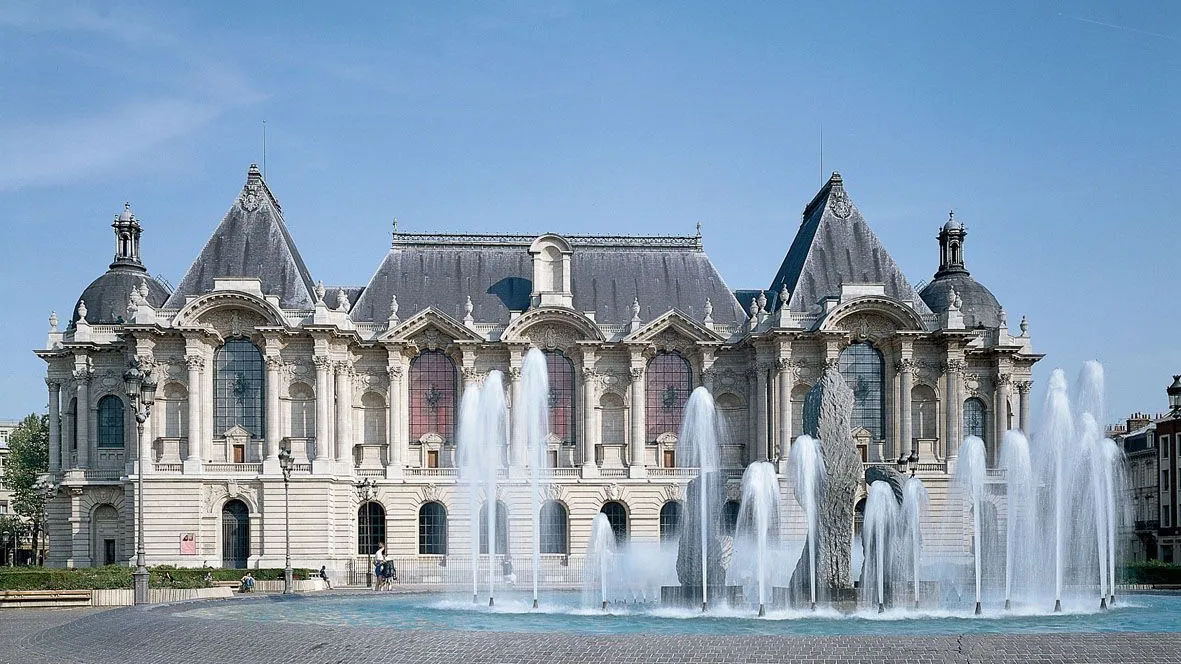
Palais des Beaux-Arts de LilleMust see

Photo by PBA Lille on Wikimedia Commons

Palais des Beaux-Arts de Lille

0:00

Lille's great fine-arts museum on Place de la République, inaugurated in 1892; closed Tuesdays, with upper-floor galleries shut for refitting into 2027.

The Palais des Beaux-Arts de Lille stands on the south-east side of Place de la République, facing the Préfecture across the square, and this building was inaugurated in 1892. The collection inside began earlier: it was assembled from works seized during the French Revolution and enlarged with state gifts, and it opened to the public in 1809 in an earlier home before moving here. Much of the upper floor is closed for refitting into 2027, so the Flemish and nineteenth-century picture galleries may well be shut when you visit. What stays open still earns the ticket, and one part of it belongs to this walk in particular: down in the basement sit the plans-reliefs, scale models of fortified towns built for the French crown, including the kind of star fort you will reach at the end of this route. The museum opens on Monday afternoons and from Wednesday to Sunday, and closes all day Tuesday. The square in front is its forecourt, not a separate sight, so take it in from here, then turn to the boulevard that opens off it.

≈5 min walk to the next stop
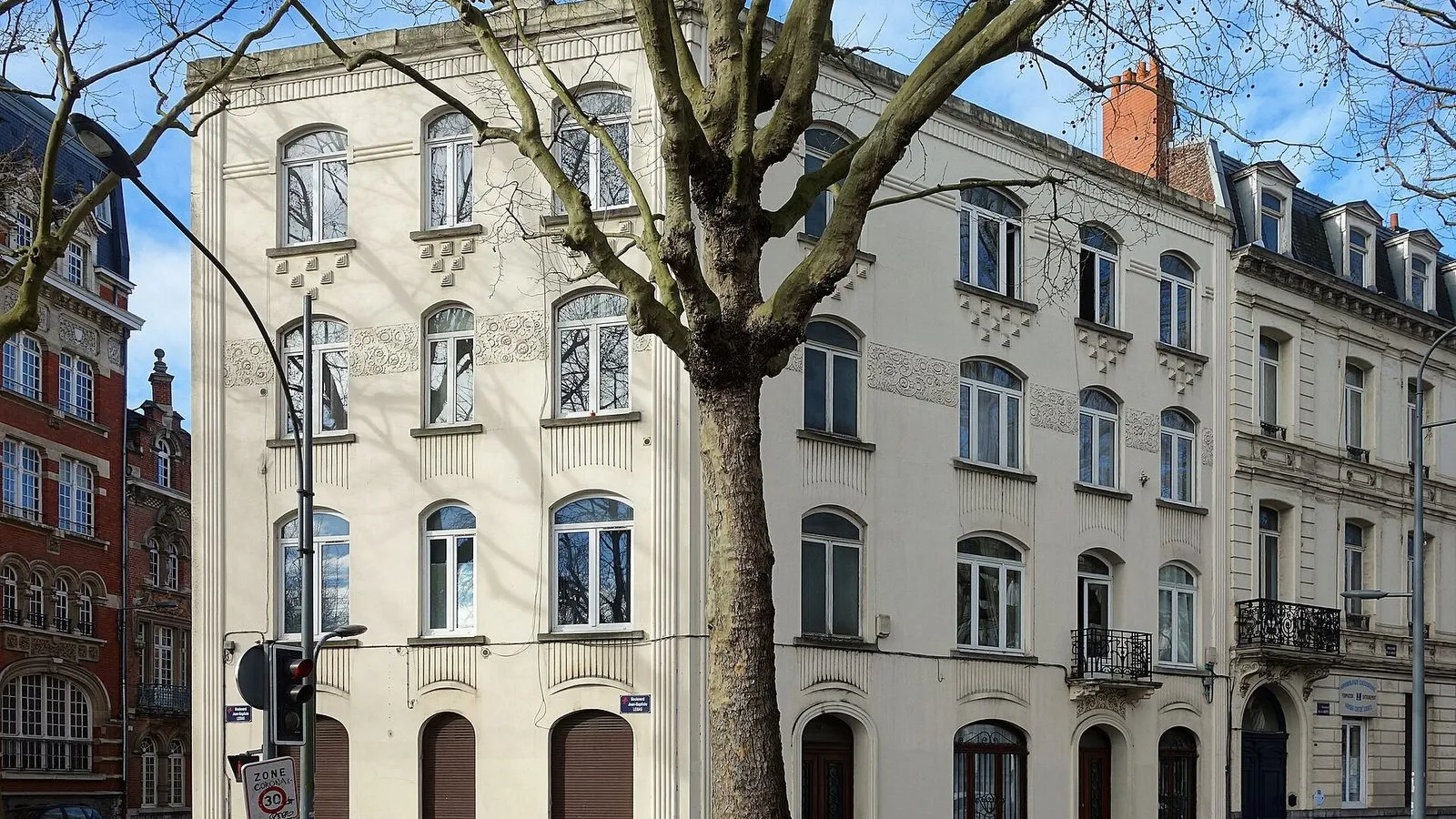
Boulevard de la LibertéLocal pick

Photo by Velvet on Wikimedia Commons

Boulevard de la Liberté

0:00

A 1.6-kilometre Second Empire boulevard laid out in 1863 over the demolished fortifications, lined with listed mansions.

This broad avenue was cut through in 1863, after the old city walls came down, as part of the Second Empire remodelling of Lille. It opened as Boulevard de l'Impératrice and only became Boulevard de la Liberté in 1870, a few days after the Third Republic was proclaimed. Look at the buildings, not the traffic. Walking north-west you pass number 105, the Hôtel Delbecque by Émile Vandenbergh, and then number 21, the Hôtel Catel-Béghin, built in 1877 by Henri Contamine for André Catel-Béghin, an industrialist and merchant who was mayor of Lille from 1873 to 1878; its carved stone blends French Renaissance and classical motifs.

Both are listed, and both are private, so the façades are the visit. A third listed building on this boulevard, the Bains Lillois by Albert Baert at number 219, sits back behind you to the south-east and is not on this route. Horse-drawn trams ran along here in the early 1900s. Continue north-west; the boulevard ends where the green begins.

≈13 min walk to the next stop
Free preview ends here · stops 4 to 7 continue in the app

Jardin Vauban

An English-style garden laid out in 1863 with winding paths and naturalistic planting, open all year.

in app

Parc zoologique de Lille

Lille's city zoo, set in the citadel park; entry is paid, and it closes on Tuesdays and for the winter, roughly November to February.

in app

Citadelle de Lille

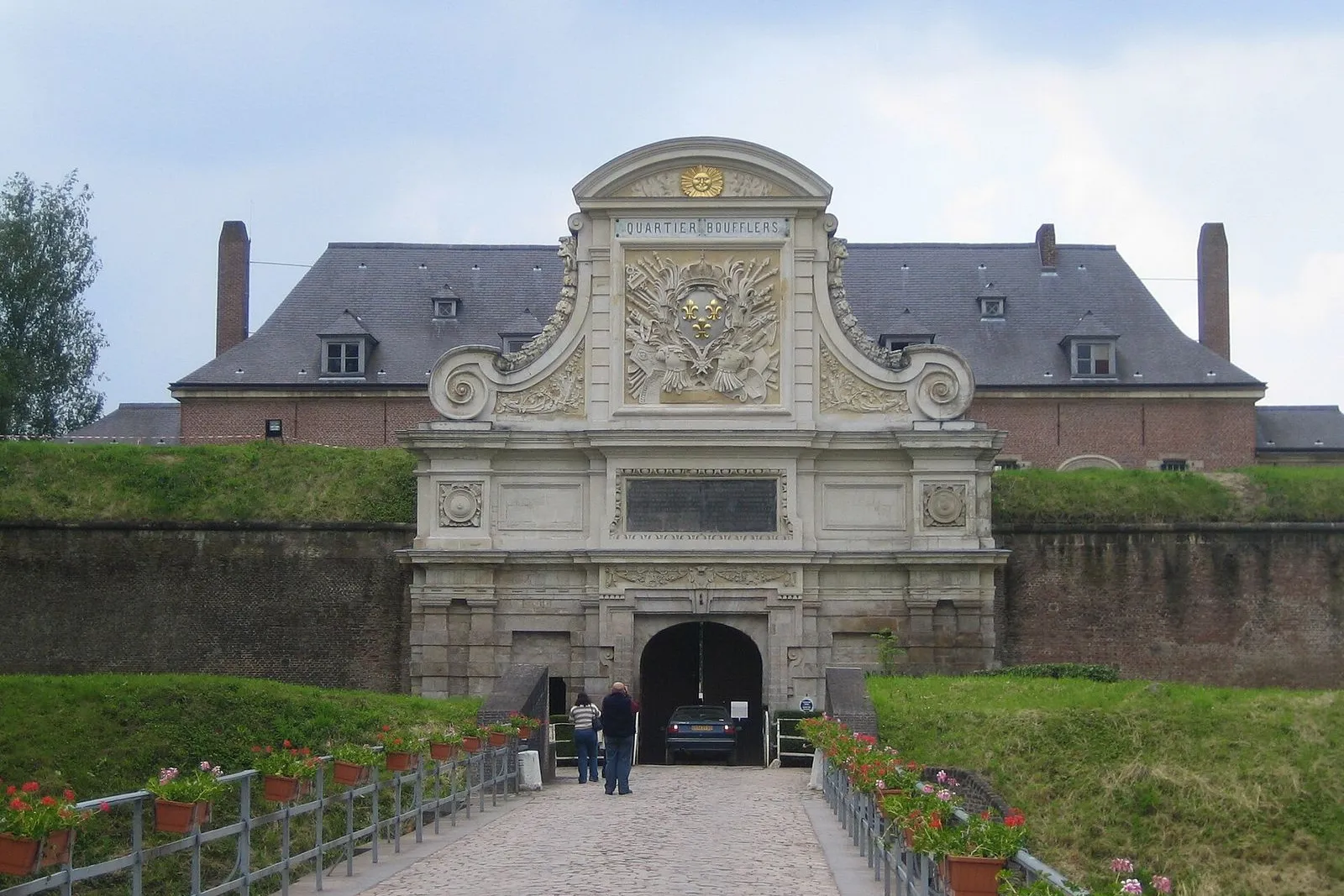
Vauban's five-bastion star fort, begun in 1667; the ramparts, Porte Royale and moat are open to view, while the inner enceinte stays closed to walk-in visitors.

in app

Bois de Boulogne

The wood behind the zoo on the southern side of the citadel park, a shaded place to finish the walk away from the traffic.

in app
Good to know

Before you go

Is the The Beaux-Arts and Vauban's Citadelle walk free?

Your first tour is free, no account needed. After that you can buy tours one at a time, or subscribe for access to every city. Cancel whenever you want.

How far is it, and how long does it take?

The route runs 3.3 km across 7 stops and takes 50+ min at an easy pace. That covers the walking and the audio. How long you linger at each stop is up to you.

When should I start?

Any time of day works. You can pause at any stop and pick the route back up later, so there is no need to finish it in one go.

Does the audio work offline?

Yes. Download the walk over Wi-Fi before you set out and the audio, map, and directions all run offline. Handy for skipping roaming charges abroad.

Provenance · last verified August 26, 2026

Built from the Wayside route itself: the stops, their order, and the walk between them.

Photo by Jiel Beaumadier on Wikimedia Commons · CC BY-SA 3.0

Photo by Velvet on Wikimedia Commons · CC BY-SA 4.0

Photo by PBA Lille on Wikimedia Commons · CC BY-SA 4.0

Photo by Velvet on Wikimedia Commons · CC BY-SA 4.0

Photo by Alexander Baranov from Montpellier, France on Wikimedia Commons · CC BY 2.0

Photo by Velvet on Wikimedia Commons · CC BY-SA 3.0

Coming soon

Wayside isn't in the app stores yet, but it's in the works. Check back soon.