Orlando · Self-guided audio walk

Little Saigon: The Mills 50 Walk

A walking tour through Orlando's Vietnamese district, from the first family groceries to the murals that turned a highway corridor into an open-air gallery.

  • 6Stops
  • 4.8 kmDistance
  • 70+ minTime
Little Saigon: The Mills 50 Walk

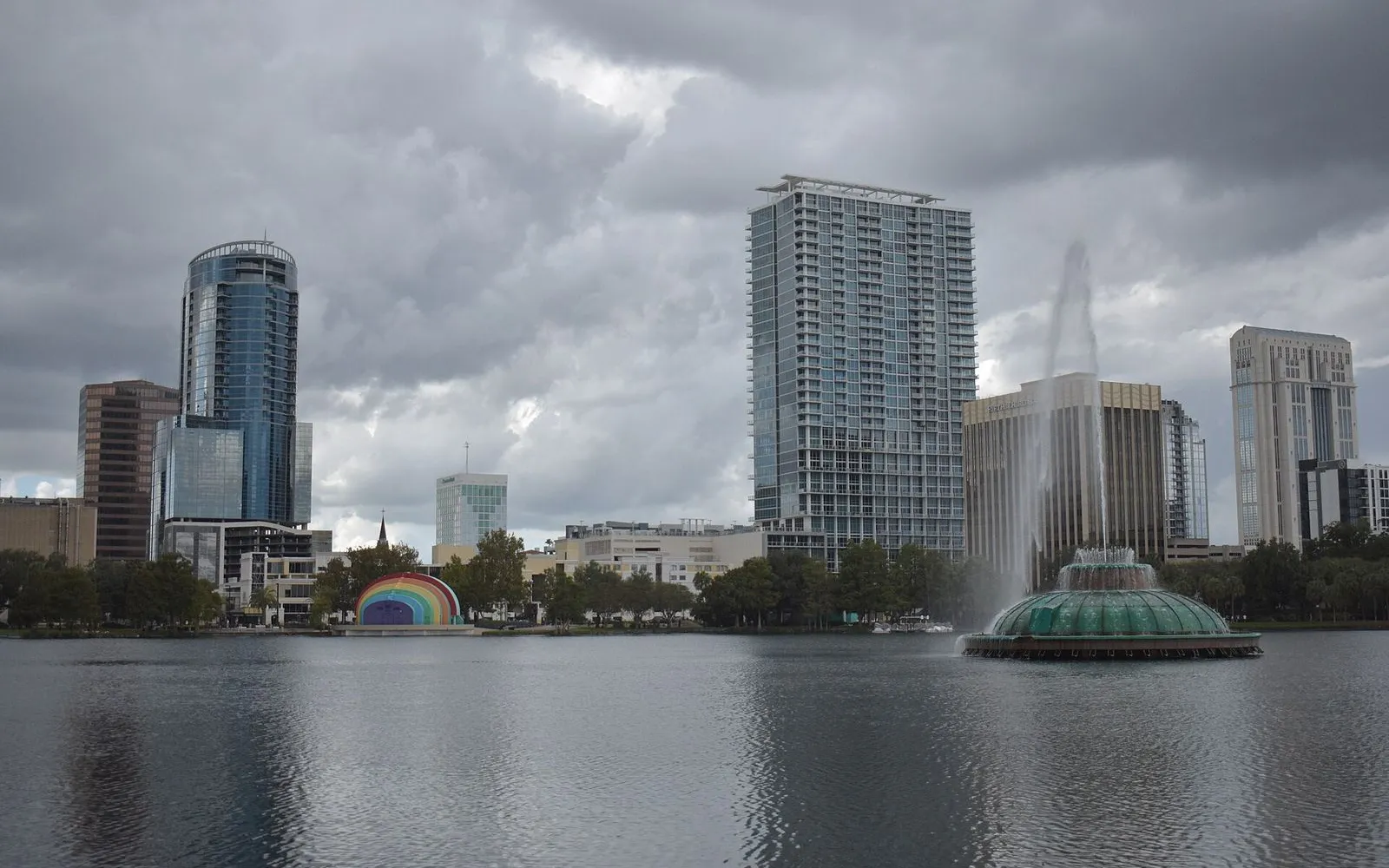
Photo by pokemonprime on Openverse

After the fall of Saigon in 1975, about 1,100 Vietnamese refugees settled in Central Florida. They found cheap rents at a half-empty intersection called Mills and Colonial and built what became one of Florida's largest Vietnamese commercial districts. This walk starts where the first groceries opened, follows painted utility boxes and building-sized murals through Shine Avenue, traces the shopfronts that five families still own along Colonial Drive, and ends at a record shop on Corrine Drive where the Vietnamese corridor meets Audubon Park. It takes about 100 minutes and covers just under two miles. You will see a side of Orlando most visitors never suspect.

Hear it on the street

Get the turn-by-turn audio guide in the app. The narration plays itself as you reach each stop, hands-free and offline.

Stop by stop

The route

Interactive map of the route. The full stop list below works without it.

Mills Avenue at East Colonial DriveMust see

Photo by Leslie Gray Photography on Unsplash

Mills Avenue at East Colonial Drive

0:00

The crossroads where Little Saigon began, a Vietnamese commercial district built by refugee families after the fall of Saigon.

The corner where you are standing, Mills Avenue and Colonial Drive, was not always called Little Saigon. Before 1975 this intersection was just another Orlando crossroads, its storefronts largely empty, its rents cheap. That changed in the months and years after Saigon fell. Central Florida took in about 1,100 Vietnamese refugees through Catholic Charities, many of them processed through Eglin Air Force Base in the Panhandle.

They settled here because the rents were low and Colonial Drive was already a major east-west artery. One family opened a grocery. Another opened a restaurant. By the mid-1980s the first Vietnamese market, Long Kim Thu, had opened at 811 Mills Avenue, and Dong-A Supermarket followed in 1986.

The intersection became a gathering place, a spot where you could buy the herbs and sauces of home, hear your own language spoken, and find a doctor or a tailor who understood you. Today the City of Orlando calls this the Mills 50 District, but the families who built it still call it Little Saigon.
≈4 min walk to the next stop
Dong-A SupermarketLocal pick

Photo by Leslie Gray Photography on Unsplash

Dong-A Supermarket

0:00

Dong-A Supermarket, open since 1986, and the family-run groceries that anchored the Vietnamese community on Mills Avenue.

Dong-A Supermarket opened here at 816 Mills Avenue in 1986, and it is still run by the same family. Walk the aisles and you will find fresh lemongrass, fish sauce by the gallon, durian when it is in season, and a butcher counter that cuts meat the way Vietnamese cooking demands. A few blocks south on Colonial Drive, Tien Hung Market opened around the same time and for nearly forty years served as the neighborhood pantry. In 2024 it became Mills Market, a food hall run by a new generation of Vietnamese American restaurateurs.

That pattern, the old giving way to the young, runs through the whole district. The children and grandchildren of the first refugees are now the ones opening restaurants, running bars, and painting murals on the walls. The groceries are still here. The pho shops are still here.

A few doors north of Dong-A, Pho 88 has been ladling broth since the 1990s. Look for the mural on its exterior wall by Ric Sosa, a Miami street artist who has painted several walls in this district.

≈4 min walk to the next stop
Shine Avenue MuralsLocal pick

Photo by Leslie Gray Photography on Unsplash

Shine Avenue Murals

0:00

Painted utility boxes and building-sized murals by Andrew Spear that turn the Shine Avenue corridor into an open-air gallery.

Shine Avenue runs one block west of Mills, parallel to it, and the corner where you are standing, Shine and Colonial, is one of the most painted intersections in Orlando. The large mural on the former Sam Flax building was done by Andrew Spear, a local artist whose work appears all over Mills 50. Walk a few paces in any direction and you will find more. The utility box at this corner was painted by Bethany Taylor Myers as part of the Art Box Project, which started in 2011 when the district commissioned nine local artists to turn the big gray traffic control boxes into canvases.

The only rule was that the words Mills 50 had to appear somewhere on the box. Today the project has grown to more than two dozen boxes spread across the district, each one painted by a different artist. The boxes at Colonial and Highland, at Mills and Marks, at Virginia and Ferncreek, each one a small rebellion against the blank metal cabinet. If you walk south on Shine a half block, you will also pass the painted wall behind the old Lamp Shade Fair building, another Spear piece.

The district treats its walls and its utility boxes the same way: as space that belongs to the people who live here.

≈8 min walk to the next stop
Free preview ends here · stops 4 to 6 continue in the app

East Colonial Drive Shopfronts

The shopfronts along East Colonial Drive where Vietnamese restaurants, bakeries, and jewelers have lined the highway for four decades.

in app

Lake Highland Drive Edge

The northern edge of the district at Lake Highland Drive, marked by murals and a painted traffic control box by Michael Fajardo.

in app

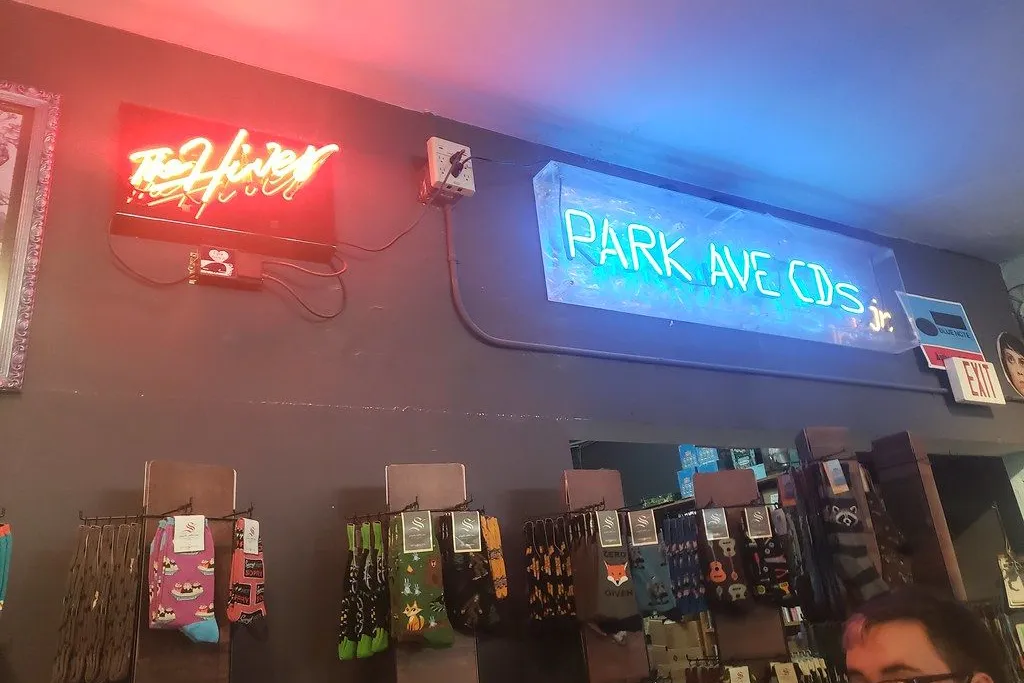
Park Ave CDs

Park Ave CDs and the Audubon Park end of the walk, where record shops, a food hall, and craft beer bars meet the Vietnamese corridor.

in app
Good to know

Before you go

Is Little Saigon just restaurants?

No. The Mills 50 district has Vietnamese groceries, bakeries, jewelers, herbal medicine shops, and bubble tea cafes alongside its restaurants. The Shine Avenue corridor is an open-air mural gallery with painted utility boxes and building-sized works by artists like Andrew Spear. The walk ends in Audubon Park, where record shops, a food hall, and craft beer bars meet the Vietnamese corridor. It is a full neighborhood, not a food court.

How do I get to Mills 50 from downtown Orlando?

Mills 50 is about two miles north of downtown. The LYNX bus routes 102 and 125 run along Mills Avenue and Colonial Drive from the downtown transit center. A rideshare from Lake Eola costs about $8 to $10. The walk from downtown takes roughly 40 minutes along Mills Avenue, but the route is on busy roads with stretches of limited shade.

SourceAttraction Tickets: Orlando Transit

Provenance · last verified August 10, 2026

Built from the Wayside route itself: the stops, their order, and the walk between them.

Photo by pokemonprime on Openverse · CC BY-SA 2.0

Photo by Leslie Gray Photography on Unsplash

Photo by Ebyabe on Wikimedia Commons · CC BY-SA 4.0

Photo by Karen Kleis on Openverse · CC BY 2.0

Photo by JER3L1337 on Wikimedia Commons · CC BY 4.0

Coming soon

Wayside isn't in the app stores yet, but it's in the works. Check back soon.