Practical guide

Braşov: know before you go

Brașov's practical briefing: reaching the old town from the airport, riding the RATBV buses, when the snow and crowds arrive, and why the tap water is safe to drink.

Braşov

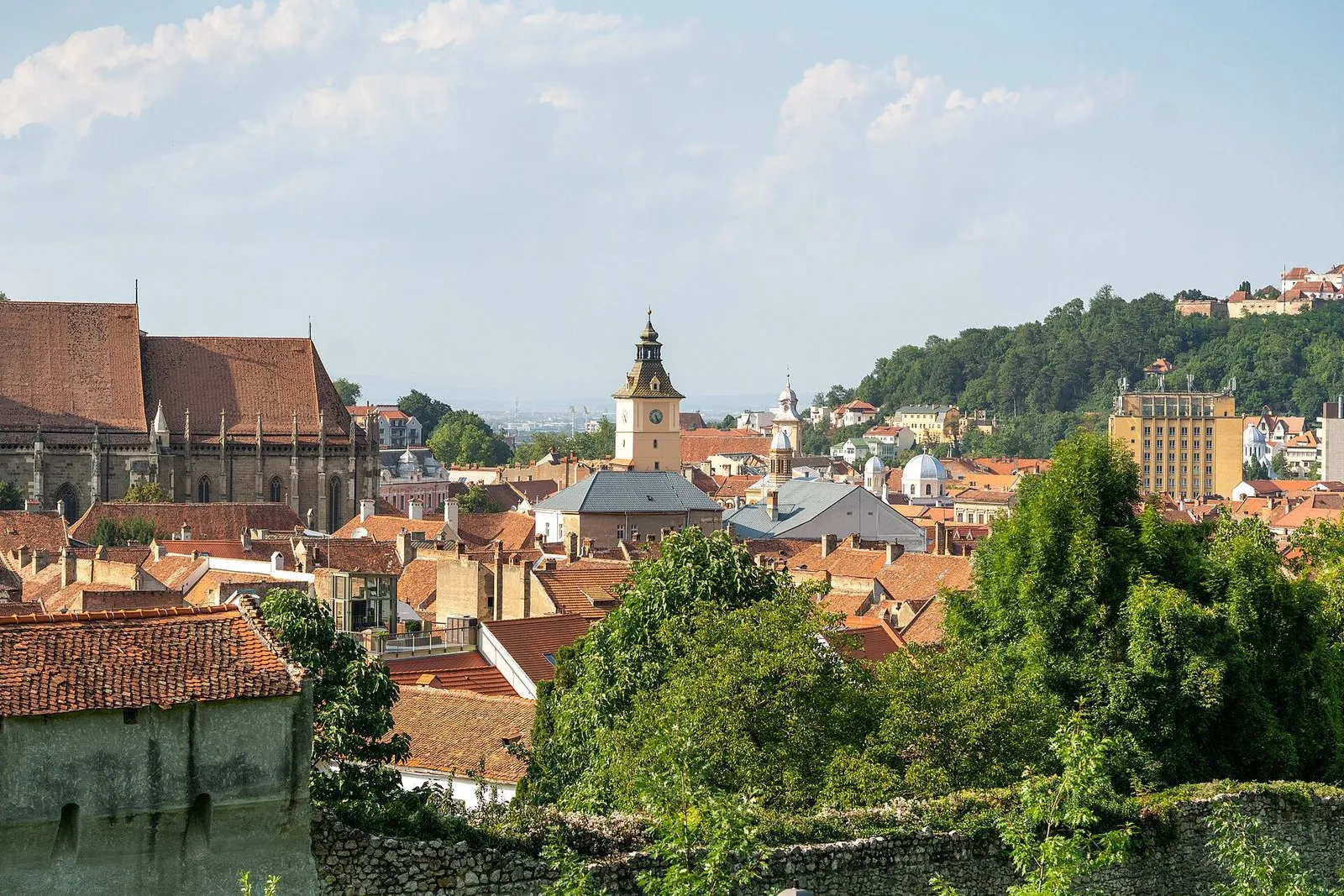
Photo by Paul Colin Hennig firstdorsal.eu on Wikimedia Commons

Need to know

The essentials, first

This page covers the city basics for Brașov: getting in from Brașov-Ghimbav airport or Gara Brașov, moving around the old town and on RATBV buses, staying safe, and timing your visit to the walled centre. For visa rules, the leu, plug types, tipping norms, and inter-city trains, see the Romania country guide.

  • Brașov's tap water is safe to drink straight from the tap, so you can skip bottled water in the city.SourceBrașov-Ghimbav Airport travel guide
  • A single ride on the RATBV city buses and trolleybuses costs 5 lei and is valid for 90 minutes on all urban lines, including the route to Poiana Brașov.SourceRATBV fares
  • A taxi or ride-hail from Brașov-Ghimbav airport to the centre takes 15 to 20 minutes and runs about 50 to 75 RON.SourceBrașov-Ghimbav International Airport
  • Brașov sits at about 600 m above sea level, and the mountain air around Poiana Brașov runs 4 to 6°C colder than the city.SourceBrașov-Ghimbav Airport travel guide
When to go

When is the best time to visit Braşov?

Spring

Months
March to May
Weather
Spring is a slow thaw in Brașov. March highs run about -1 to +10°C, then April and May climb to roughly +6 to +18°C with frequent showers.SourceBrașov-Ghimbav Airport travel guide
Crowds
Shoulder season. March is quiet and drab, May brings blossom and the first cafe terraces, and Easter weekends fill the old town.

Summer

Months
June to August
Weather
June runs +12 to +24°C, then July and August settle at +15 to +28°C. July is the warmest month, with an average high around 23°C.SourceBrașov-Ghimbav Airport travel guideWeather Spark
Crowds
Peak season. Romanian holidaymakers arrive from July, the old town terraces fill by early evening, and weekends are busiest.

Autumn

Months
September to November
Weather
September is the steadiest stretch at +10 to +22°C, October cools to +5 to +16°C with a couple of weeks of strong foliage, and November turns grey and wet at 0 to +9°C.SourceBrașov-Ghimbav Airport travel guide
Crowds
Crowds thin fast after August. September is the quiet best month for hiking, October is calm apart from foliage weekends, and November is empty until the Christmas market opens.

Winter

Months
December to February
Weather
Daytime highs sit around -2 to +5°C and nights drop to -10 to -3°C. Snow is reliable in town from late December, and mountain snow lasts longer.SourceBrașov-Ghimbav Airport travel guide
Crowds
Quietest season overall, with two spikes: the Christmas market from late November through December, and ski weekends heading to Poiana Brașov.
When to visit Braşov, by season
SeasonMonthsWeatherCrowds
SpringMarch to MaySpring is a slow thaw in Brașov. March highs run about -1 to +10°C, then April and May climb to roughly +6 to +18°C with frequent showers.SourceBrașov-Ghimbav Airport travel guideShoulder season. March is quiet and drab, May brings blossom and the first cafe terraces, and Easter weekends fill the old town.
SummerJune to AugustJune runs +12 to +24°C, then July and August settle at +15 to +28°C. July is the warmest month, with an average high around 23°C.SourceBrașov-Ghimbav Airport travel guideWeather SparkPeak season. Romanian holidaymakers arrive from July, the old town terraces fill by early evening, and weekends are busiest.
AutumnSeptember to NovemberSeptember is the steadiest stretch at +10 to +22°C, October cools to +5 to +16°C with a couple of weeks of strong foliage, and November turns grey and wet at 0 to +9°C.SourceBrașov-Ghimbav Airport travel guideCrowds thin fast after August. September is the quiet best month for hiking, October is calm apart from foliage weekends, and November is empty until the Christmas market opens.
WinterDecember to FebruaryDaytime highs sit around -2 to +5°C and nights drop to -10 to -3°C. Snow is reliable in town from late December, and mountain snow lasts longer.SourceBrașov-Ghimbav Airport travel guideQuietest season overall, with two spikes: the Christmas market from late November through December, and ski weekends heading to Poiana Brașov.
The practical guide

Everything to sort before you go

Getting in from the airport

Brașov-Ghimbav International Airport (GHV) sits about 15 km northwest of the centre, near the town of Ghimbav. There is no rail link into the terminal, so you arrive by bus, taxi, or ride-hail. The A1 bus runs between the terminal, the Livada Poștei stop in the centre, and Gara Brașov, roughly hourly through the day; count on about 20 to 30 minutes to the old town. A taxi or Bolt from the terminal takes 15 to 20 minutes and runs about 50 to 75 RON. If you arrive by train, Gara Brașov is the main station, a short bus or taxi ride from the walled centre.

The A1 airport bus links the terminal with the Livada Poștei stop in the centre and Gara Brașov, running roughly hourly and taking about 20 minutes to the centre. SourceCestee airport guideKupi airport guide

A taxi or ride-hail from the airport to the centre takes about 15 to 20 minutes and runs around 50 to 75 RON. SourceBrașov-Ghimbav International Airport

Uber and Bolt rides to the city centre typically run about 32 to 45 RON, depending on demand. SourceCestee airport guide

Getting around

Brașov's walled centre is compact and mostly pedestrian, so you will see most of it on foot. RATBV buses and trolleybuses cover the rest of the city and the metropolitan area, with electric buses on many routes. A single urban ticket costs 5 lei and is valid for 90 minutes on all city lines, including the route up to Poiana Brașov. If you are staying a few days, the day and multi-day Urban Passes are better value. Pay by tapping a contactless bank card on the reader inside the bus or through the 24Pay app. For the climb up Tâmpa, the cable car reopened in October 2025 and reaches the summit in about two minutes.

A single urban journey costs 5 lei and is valid for 90 minutes on all city lines, including Poiana Brașov. SourceRATBV fares

A one-day Urban Pass costs 20 lei, a three-day pass 50 lei, and a seven-day pass 90 lei. SourceRATBV fares

You can pay with a contactless bank card on the bus reader or in the 24Pay app. SourceCestee airport guide

Safety and common scams

Brașov is one of the safest cities in Romania for visitors, and violent crime against tourists is rare. The realistic risks are petty: pickpockets working Council Square, Strada Republicii and the Black Church area in high season, and taxi drivers at the station or airport who quote inflated fares. Use Uber or Bolt or a clearly metered taxi, and keep your phone and wallet in a closed pocket in crowds. On Tâmpa and the forested edges of the city, stay on marked trails and take bear warnings seriously, especially at dusk. In winter the cobbles ice over, so boots with grip matter more than in a flatter city.

Violent crime against visitors is uncommon; the main issues are petty theft and taxi overcharging. SourceTravel Safe Abroad

Distraction theft is most likely around Council Square, Strada Republicii, the Black Church zone and holiday markets. SourceTravel Safe Abroad

Stay on marked trails on Tâmpa and be bear-aware near forested areas, particularly at dusk. SourceTravel Safe AbroadIs It Safe To Visit

Health and emergencies

Brașov's tap water is safe to drink from the tap, so you can fill a bottle in the old town without buying plastic. Food hygiene in the centre is good, and the seasonal market stalls are inspected. Two local specifics matter more than most health warnings: the city sits at about 600 m, so summer sun is stronger than it feels, and the air around Poiana Brașov runs 4 to 6°C colder than town. Bring layers and shoes with grip for the cobbles.

Tap water in Brașov is safe to drink straight from the tap. SourceBrașov-Ghimbav Airport travel guide

Brașov sits at about 600 m elevation, and mountain areas around Poiana run 4 to 6°C colder than the city. SourceBrașov-Ghimbav Airport travel guide

Staying connected

Staying connected in Brașov is easy for most visitors. EU roaming works well on the four main networks, Orange, Vodafone, Digi.Mobil and Telekom, so most European visitors do not need a local SIM. If you are staying longer than a couple of weeks, a local SIM is cheap and sold at carrier shops and kiosks. Cafes, hotels and much of the old town have Wi-Fi, but do not count on a signal mid-hike on Tâmpa; download maps before you set off.

The main mobile networks in Brașov are Orange, Vodafone, Digi.Mobil and Telekom, and EU roaming works well for most visitors. SourceBrașov-Ghimbav Airport travel guide

The language

Romanian is the language of Brașov. In the old town, restaurants, hotels and museum staff almost always have working English, and menus are often bilingual. English thins out at the bus station and on the edges of Șchei, so a few basics help: 'bună ziua' is hello or good day, 'mulțumesc' is thank you, and 'unde este' means where is.

The airport's visitor guide pairs its practical pages with a short Romanian phrasebook covering the basics like greetings, thanks, and where is. SourceBrașov-Ghimbav Airport travel guide

Accessibility

Brașov's historic centre is cobbled and partly pedestrianised, which makes wheels slow even though the old town is flat in places. Expect uneven setts around Piața Sfatului, and note that Strada Sforii is far too narrow for a wheelchair. The cable car is the step-free way up Tâmpa if stairs or steep paths are out. The airport provides assistance services for passengers with reduced mobility.

The centre is partly pedestrianised, and flat, comfortable shoes are recommended for the cobblestones. SourceBrașov-Ghimbav Airport travel guide

Brașov-Ghimbav airport offers accessibility services for passengers with reduced mobility. SourceBrașov-Ghimbav International Airport

Public holidays and hours

Two local dates shape Brașov's calendar more than most national holidays. The Junii pageant fills the Șchei quarter in the first week of June, when costumed riders process to St Nicholas Church. The Christmas market takes over Piața Sfatului from late November and keeps the centre busy into December. Both are worth planning around, and both push hotel prices up.

The Junii pageant is held in the Șchei quarter during the first week of June. SourceBrașov-Ghimbav Airport travel guide

The Brașov Christmas market opens from late November. SourceBrașov-Ghimbav Airport travel guide

What to book ahead

Most of Brașov needs no timed ticket, but a few things reward planning. Book accommodation early for the Christmas market and for summer weekends, when the old town fills. Reserve a table if you want a specific restaurant on a summer Saturday. The Black Church sells entry on the door, but check concert dates ahead if you want to hear the organ. On Tâmpa, the cable car reopened in October 2025, and queues build on clear summer afternoons, so go early in the day.

Hotel rates drop by about half in January and February, while crowds swell from June onward. SourceThings To Do In Brașov

Do it yourself

Follow it in the app

Follow the Brașov walks offline, from Catherine's Gate to the Tâmpa summit.

Provenance · last verified August 19, 2026

Researched by Wayside, with every operational fact checked against the source.

SourcesBrașov-Ghimbav Airport travel guideRATBV faresBrașov-Ghimbav International AirportWeather SparkCestee airport guideKupi airport guideTravel Safe AbroadIs It Safe To VisitThings To Do In Brașov

Photo by Paul Colin Hennig firstdorsal.eu on Wikimedia Commons · CC BY-SA 4.0

Coming soon

Wayside isn't in the app stores yet, but it's in the works. Check back soon.