 Must see
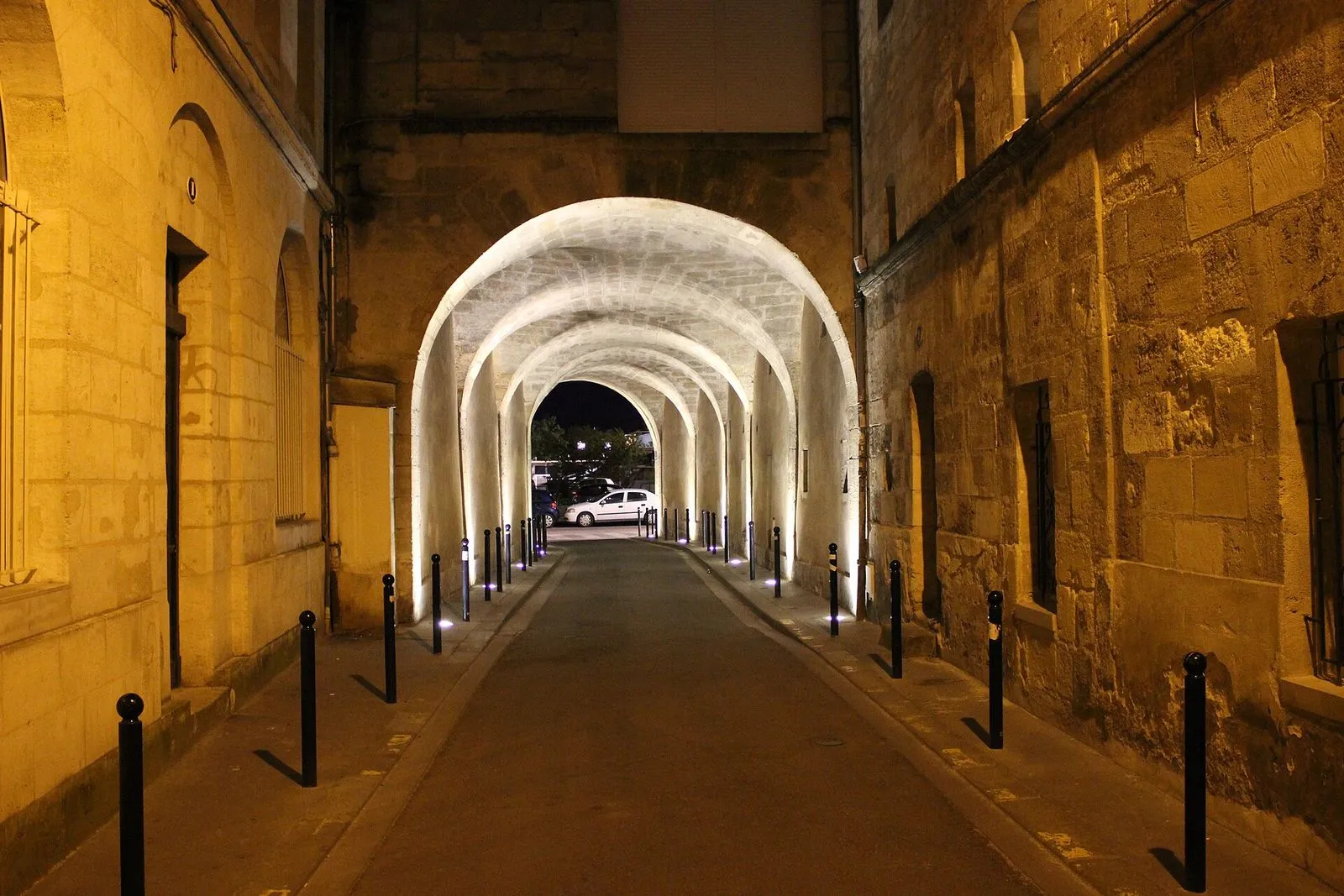
Photo by Ardfern on Wikimedia Commons
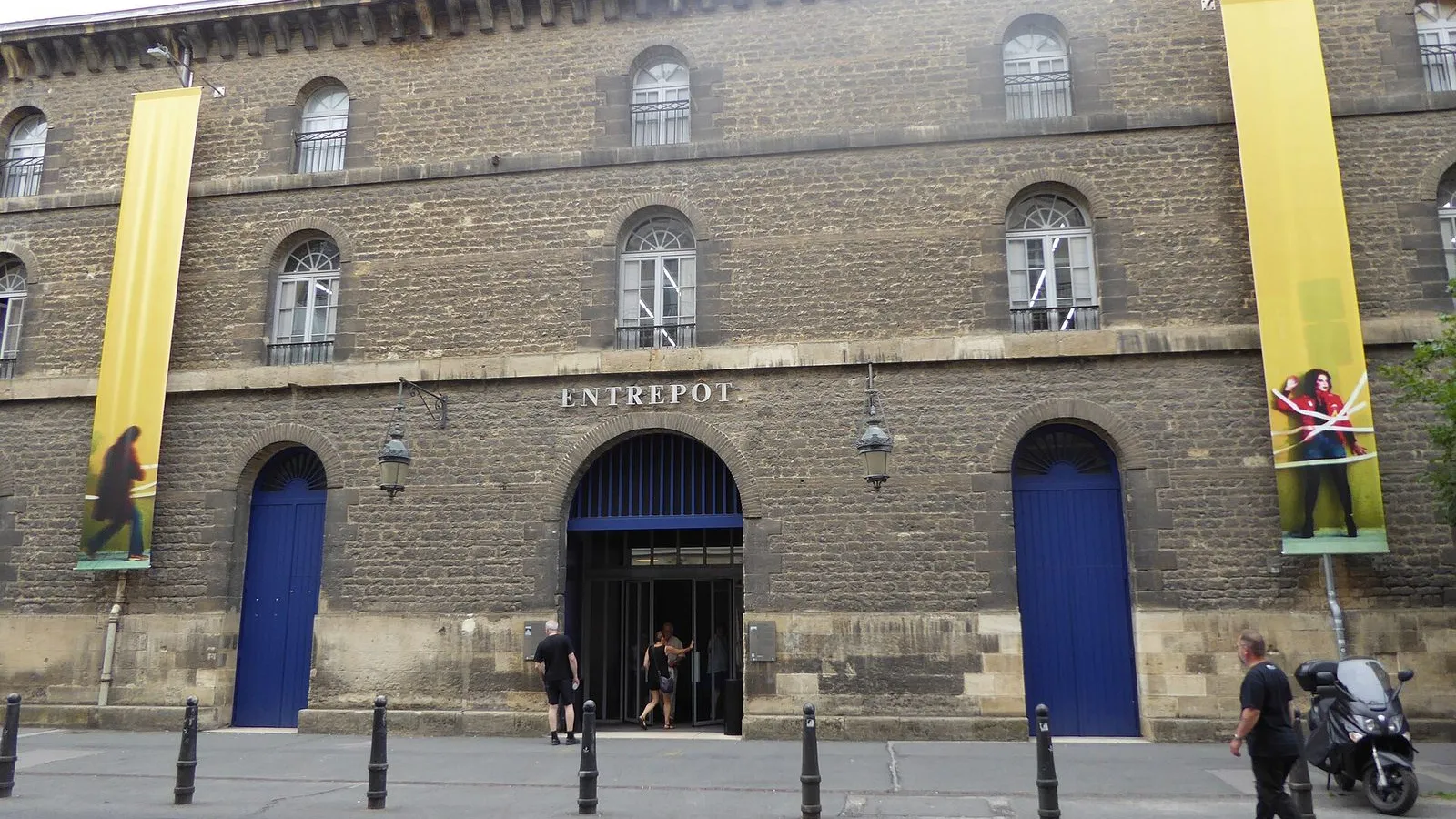
CAPC Musée d'Art Contemporain, Entrepôt Lainé
Contemporary art inside a former colonial goods warehouse, built between 1822 and 1824.
You're standing before a warehouse that once held the colonial goods that paid for much of this neighborhood. It was built between 1822 and 1824 by the architect Claude Deschamps as the Entrepôt réel des denrées coloniales, a bonded store where sugar, coffee, cotton, and indigo waited before being sent across Europe. Sugar alone made up two thirds of the volume, and almost all of it was produced by enslaved people in the French Caribbean. Step inside and you'll see how that trade shaped the building itself: a double nave of stone pillars and round arches, with Bourg stone, clay brick, and recycled Oregon pine.
The warehouse closed in 1972 and came close to demolition before a local campaign saved it. The CAPC moved in and became Bordeaux's contemporary art museum in 1984. When it reopened in 1990, Richard Serra's Threats of Hell filled the central nave.