La Rochelle · Self-guided audio walk

The Fishing Quarter's Tight Lanes

Behind the harbour crowds, the old fishing quarter still keeps its working scale: tight lanes, a magic tree, cellar bars and a flea market that locals actually use.

  • 8Stops
  • 0.6 kmDistance
  • 15+ minTime
The Fishing Quarter's Tight Lanes

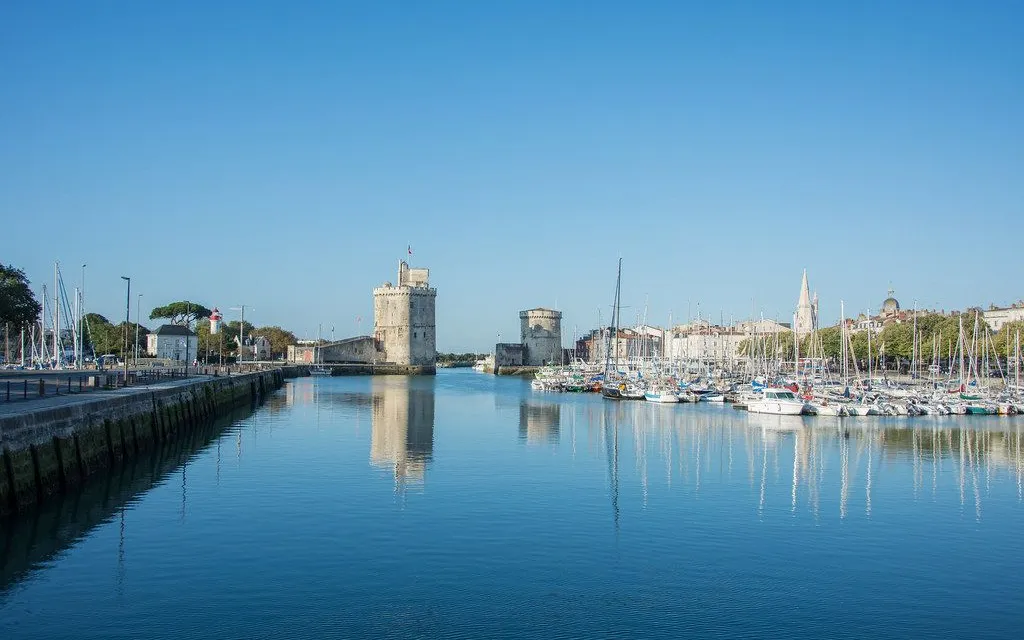
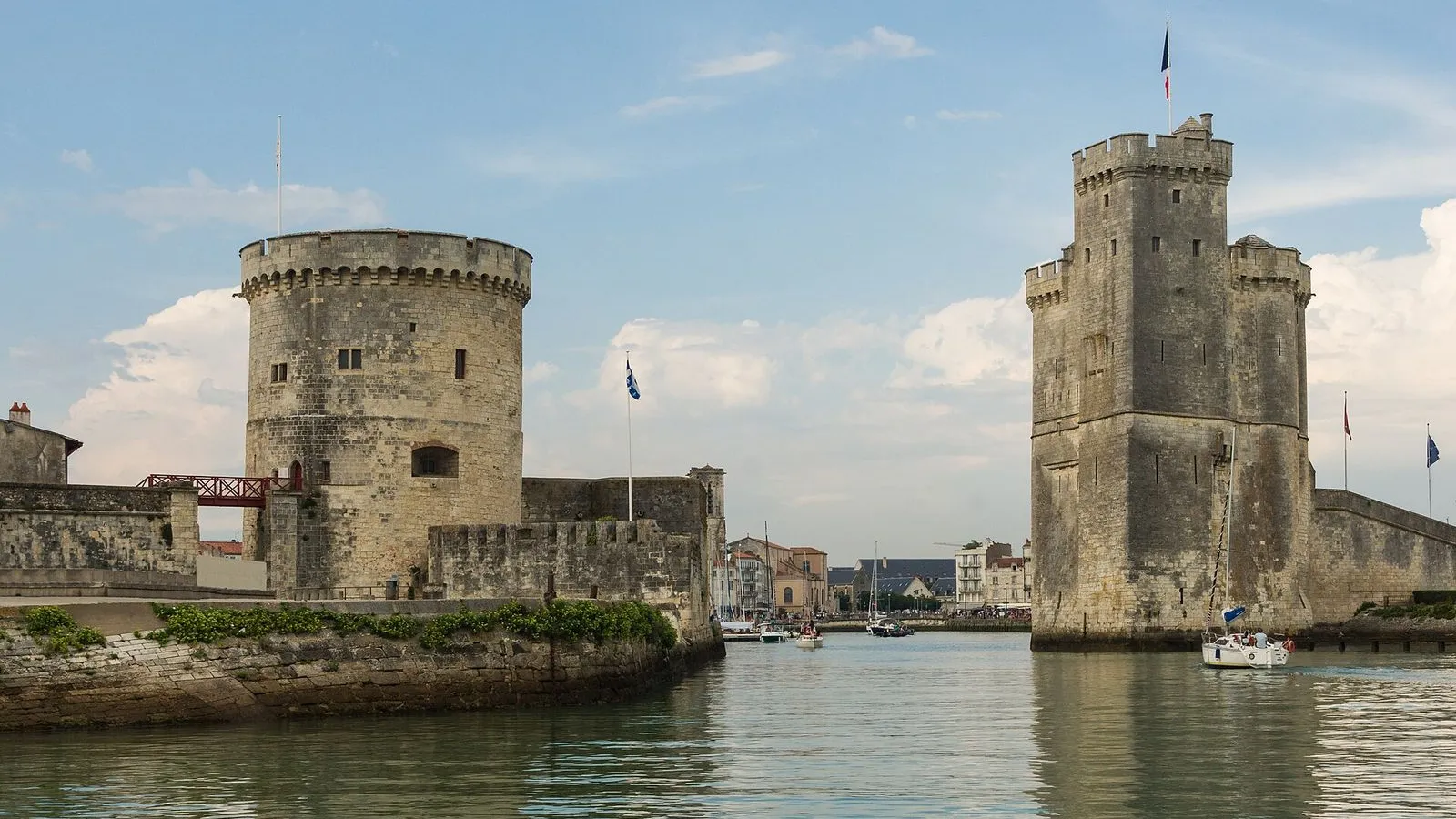
Photo by Jeremy Ainsworth on Wikimedia Commons

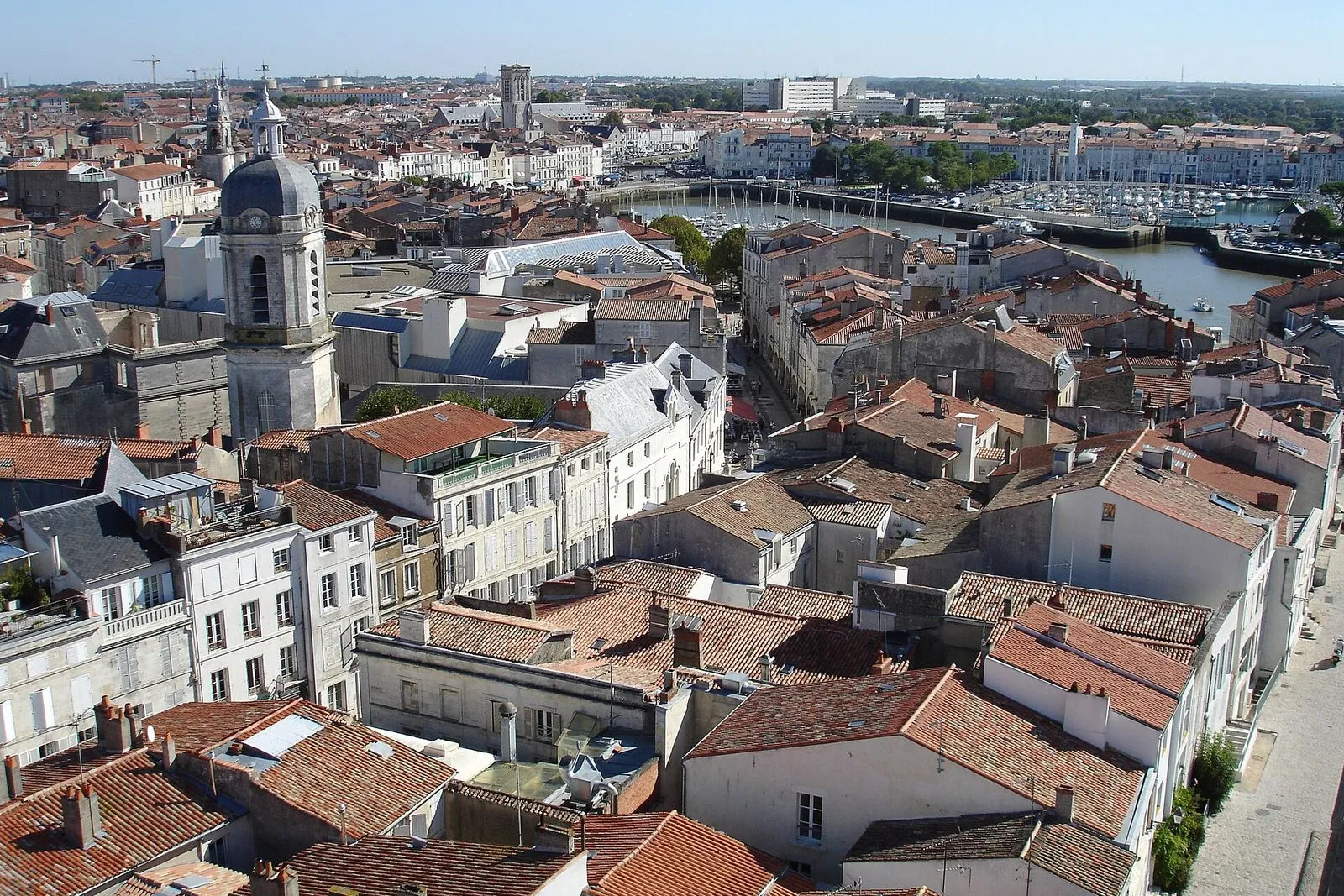
This short walk stays behind the Vieux-Port, in the quarter where Breton fishermen from Étel and Groix once lived and worked, and where the lanes still keep the scale of that working community.

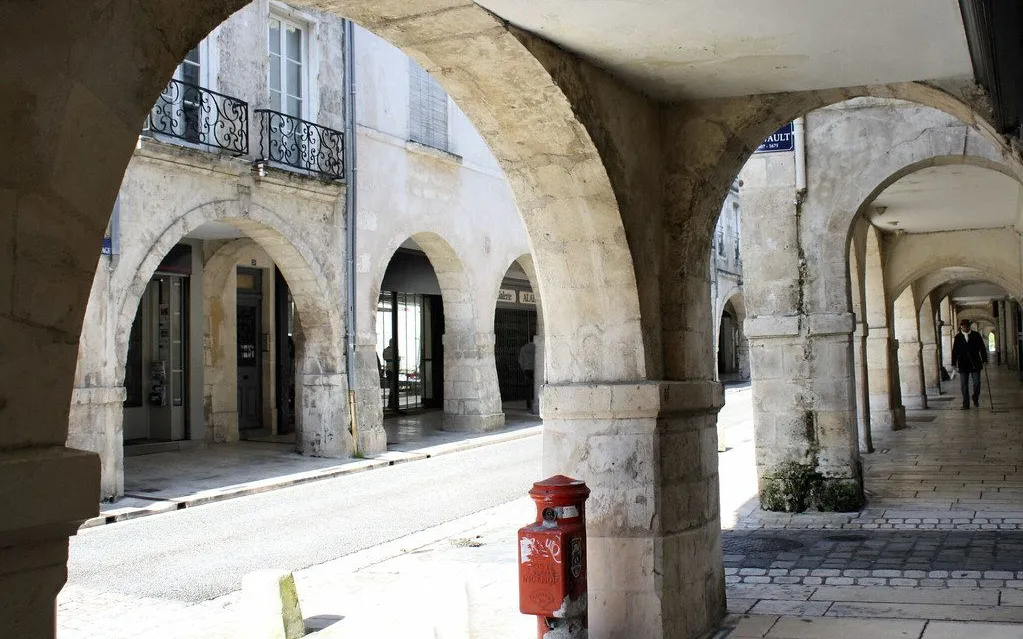
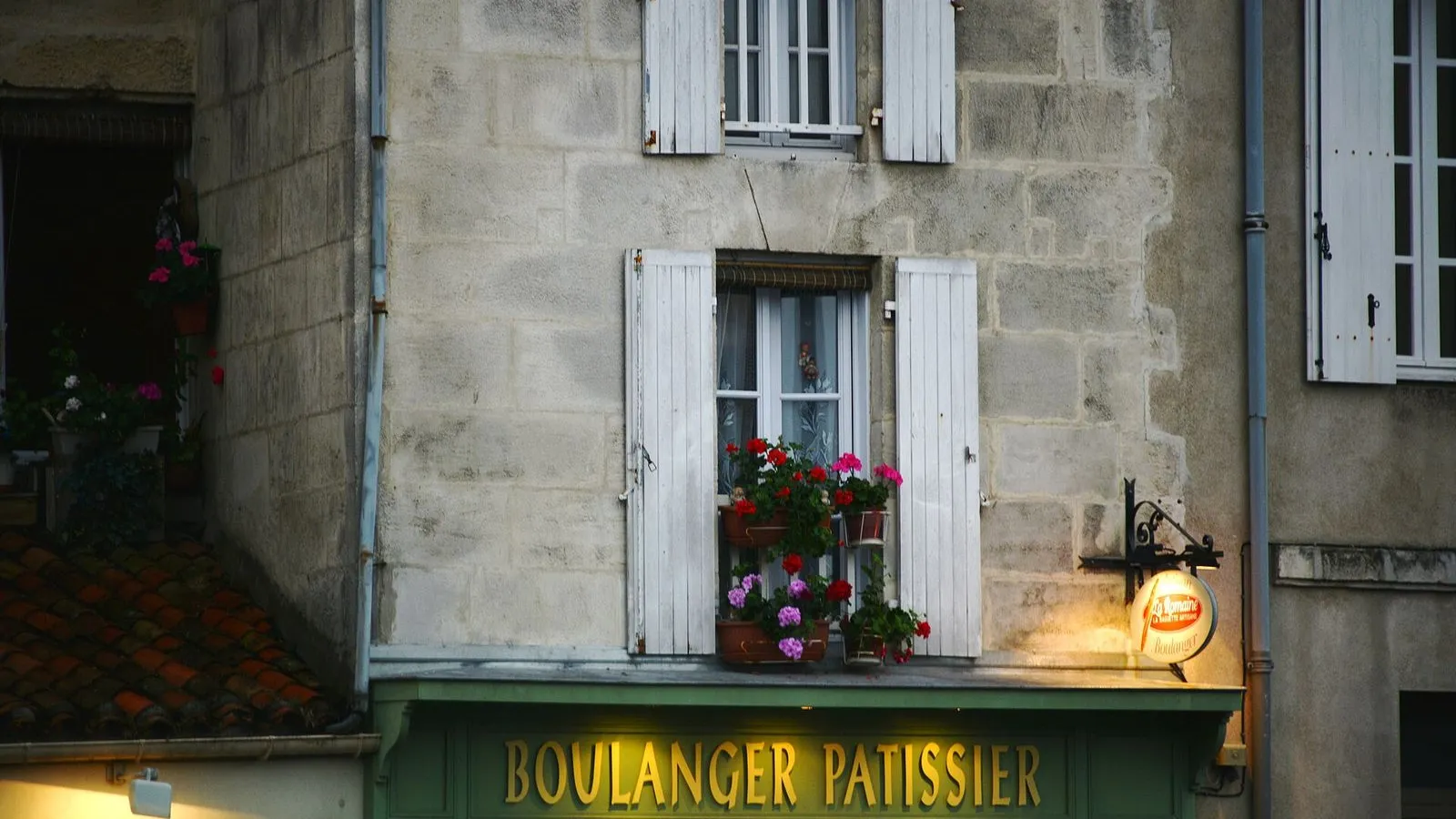
You start on Quai Louis Durand, where the sardine boats landed, then climb to Place de la Fourche and its paulownia, the tree locals call the magic one. Rue Saint-Nicolas runs through the middle with independent bookshops, boutiques and La Guignette's cellar bar, while tight lanes like Rue des Canards, Rue d'Ablois and the dead-end Impasse de la Balance slip off on either side.

The walk ends at Place du Commandant de la Motte Rouge, where a professional flea market fills the street and square on Tuesdays, Thursdays and Saturdays. Plan around one thing: most of the quarter is shut on a Sunday.

Hear it on the street

Get the turn-by-turn audio guide in the app. The narration plays itself as you reach each stop, hands-free and offline.

Stop by stop

The route

Interactive map of the route. The full stop list below works without it.

Quai Louis DurandLocal pick

Photo by Jpbazard on Wikimedia Commons

Quai Louis Durand

0:00

The old harbour edge where the fishing quarter met the water.

You're standing on Quai Louis Durand, the stretch of the old harbour where the fishing quarter met the water. For generations this was the working edge of La Rochelle, the side the postcards left out. The men who hauled nets here came mostly from Brittany, from Étel and Groix, and the quarter behind you grew up around their boats, their barrels and their working days. In summer, the sardine season ran roughly from May into early October, and the landings turned this quay into a market, a loud, fishy, human scene of auctions, barrows and men still in oilskins.

Rue Saint-Nicolas starts right here and climbs away from the harbour, and the tight lanes behind it held the people who did the work. You are about to walk into that scale, the scale of a community built shoulder to shoulder. Turn away from the water for a moment. The narrow street ahead is the first thread of it.
≈2 min walk to the next stop
Place de la FourcheLocal pick

Photo by Jebulon on Wikimedia Commons

Place de la Fourche

0:00

A shaded fork, a magic paulownia and the quarter's evening heart.

The fork ahead is Place de la Fourche, and the tree in the middle of it is why locals call this square the shaded heart of the district. The name is literal: fourche means fork, and the square is the point where Rue Saint-Nicolas and Rue de la Sardinerie split apart. The paulownia was planted in 1971, and people here call it the magic tree. In 2025 it was still standing, but only just.

A fungus had weakened it. The city braced the trunk with six oak beams, an intervention that cost 24,000 euros and was meant to buy the tree another 5 to 10 years. Look at the props under the branches; that is the cost of keeping a meeting place alive. At 1 bis, L'Imprévu occupies an old mansion with a courtyard under an Art Deco glass roof.

Bars and restaurants crowd the foot of the tree, and on summer evenings the square fills with people who arrange to meet, simply, under the magic tree. That habit is the modern version of the old quarter's shoulder-to-shoulder life.

≈1 min walk to the next stop
Rue de la SardinerieLocal pick

Photo by Jebulon on Wikimedia Commons

Rue de la Sardinerie

0:00

A narrow lane named for the summer sardine fishery.

This little branch is Rue de la Sardinerie, and its name is a working memory. Sardines were the summer fishery here, and streets like this one were part of the machine: the boats landed the catch at the quay, and the lanes behind the port held the warehouses and barrels that served the trade. Many of the fishermen came from the Morbihan coast of Brittany, from Étel and Groix, and for them the sardine season shaped the year. What you notice now is how small everything is.

The houses sit low, their plain facades facing the lane, and behind them hide courtyards and gardens you would never guess from the street. That modesty is the scale of a working quarter, where every metre was used for living and working at once. Walk to the end of the lane and take in the quiet. Then turn back, because the fork is waiting to send you deeper into the quarter.

≈1 min walk to the next stop
Free preview ends here · stops 4 to 8 continue in the app

Rue Saint-Nicolas

The quarter's spine, from fishermen's warehouses to independent bookshops.

in app

Rue des Canards

A tight lane of low houses and small shops.

in app

Rue d'Ablois

Another quiet lane, built to working-quarter scale.

in app

Impasse de la Balance

A dead-end court that keeps the quarter's inner quiet.

in app

Place du Commandant de la Motte Rouge

The square where a professional flea market sets up three days a week.

in app
Good to know

Before you go

When does the flea market set up?

The flea market sets up on the Place du Commandant de la Motte Rouge on Tuesdays, Thursdays, and Saturdays.

Is the fishing quarter open on Sundays?

The fishing quarter mostly shuts on a Sunday, so plan the walk for another day if you want the bookshops, boutiques, and La Guignette's cellar bar open.

What is La Guignette?

La Guignette is a cellar bar on Rue Saint-Nicolas, a good low-lit local spot to finish the walk with a drink.

Provenance · last verified September 10, 2026

Built from the Wayside route itself: the stops, their order, and the walk between them.

Photo by Jeremy Ainsworth on Wikimedia Commons · CC BY-SA 3.0

Photo by Jpbazard on Wikimedia Commons · CC BY-SA 3.0

Photo by Jebulon on Wikimedia Commons · CC0

Photo by Gilbert Bochenek on Wikimedia Commons · Public domain

Photo by mangMangW on Openverse · CC BY 2.0

Photo by Robert Cutts on Openverse · CC BY-SA 2.0

Coming soon

Wayside isn't in the app stores yet, but it's in the works. Check back soon.