Strasbourg · Self-guided audio walk

The European Quarter and the Orangerie

A walk from the glass towers of European democracy to the city's oldest park, with a stork colony at the far end.

  • 6Stops
  • 1.9 kmDistance
  • 30+ minTime
The European Quarter and the Orangerie

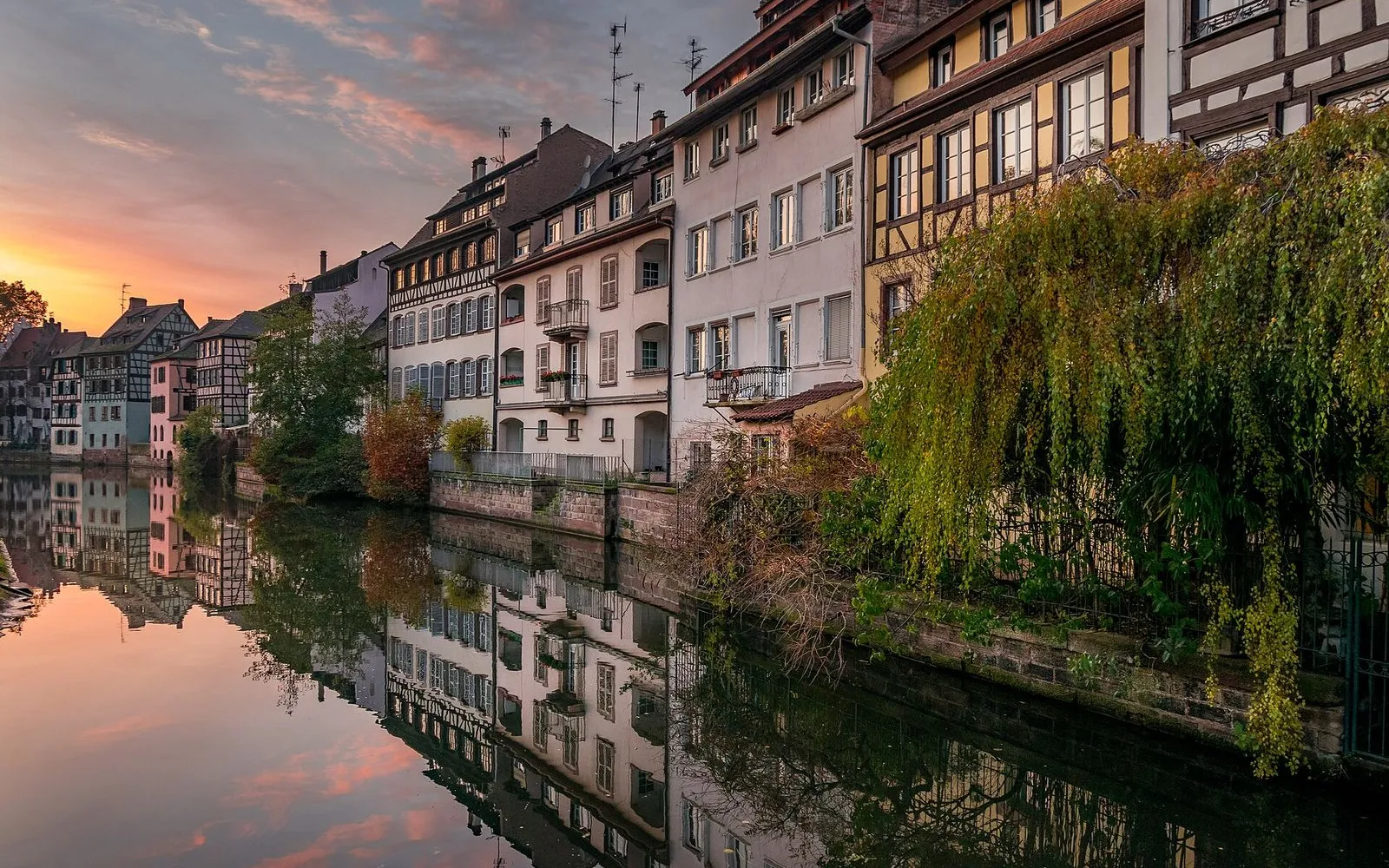
Photo by Guilhem Vellut from Annecy, France on Wikimedia Commons

This walk leaves the Grande Île behind and heads northeast to the European quarter, where three institutions sit within a few hundred metres of one another. You will see the curved riverside form of the human rights court, the glass and sandstone of the European Parliament, and the pink concrete of the Council of Europe, and you will know exactly which doors a visitor may walk through.

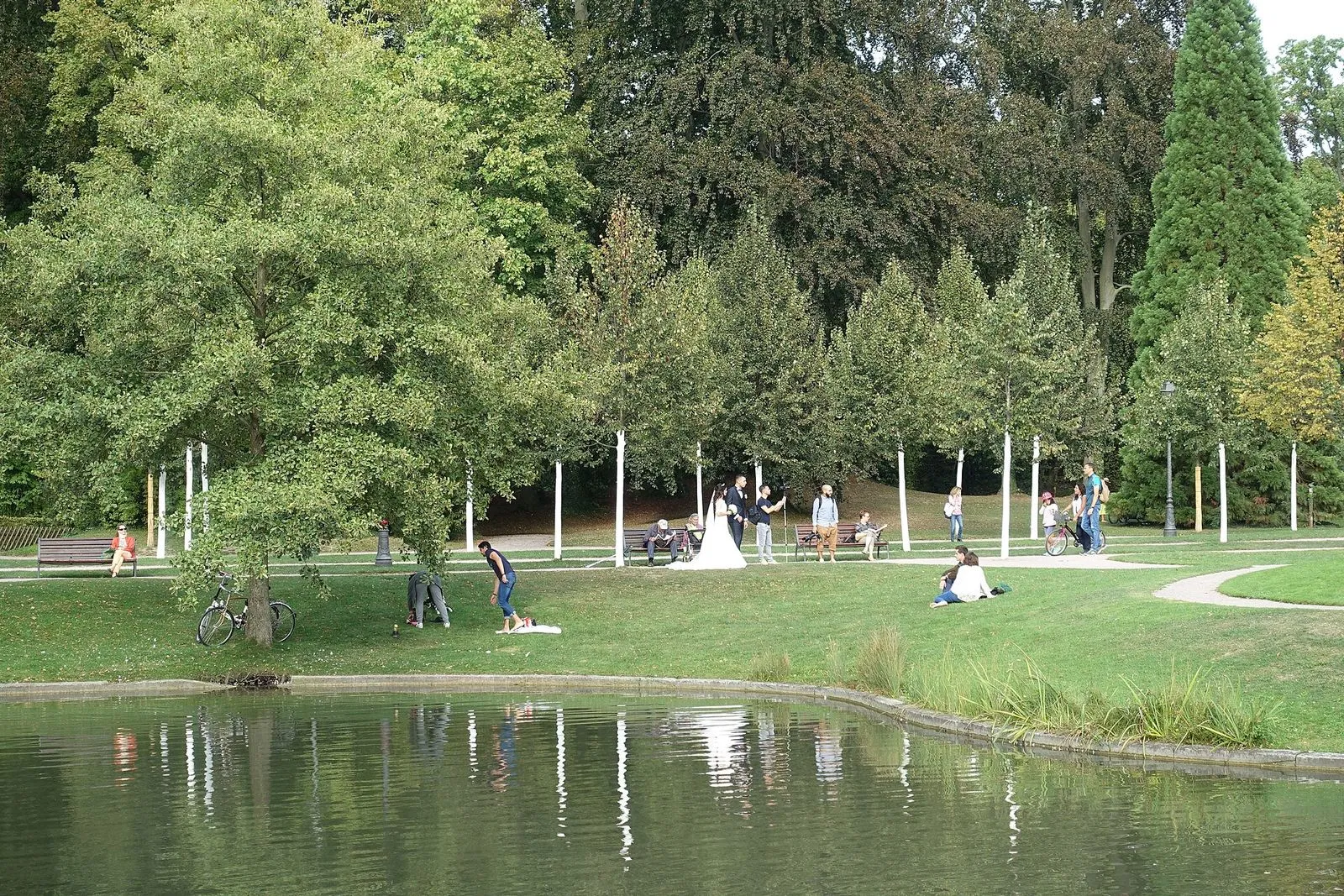
The route then crosses avenue de l'Europe into the 26-hectare Parc de l'Orangerie, Strasbourg's oldest public park, where white storks nest in spring and the neoclassical Pavillon Joséphine faces the artificial lake. Allow about 90 minutes, mostly at a strolling pace with time to sit by the water.

Hear it on the street

Get the turn-by-turn audio guide in the app. The narration plays itself as you reach each stop, hands-free and offline.

Stop by stop

The route

Interactive map of the route. The full stop list below works without it.

European Court of Human RightsMust see

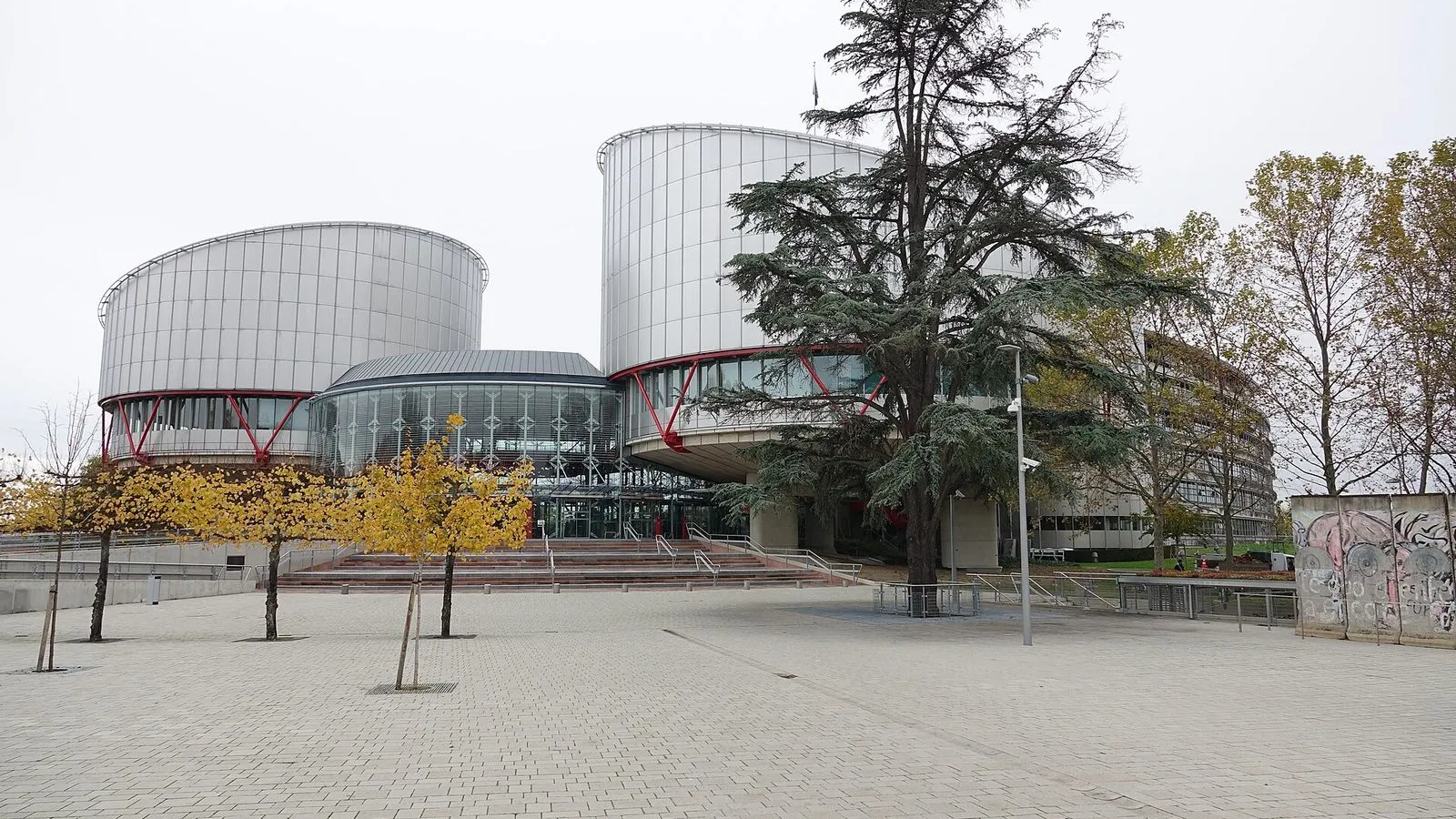
Photo by Gzen92 on Wikimedia Commons

European Court of Human Rights

0:00

The riverside home of the European Court of Human Rights, opened in 1995 to a design by Richard Rogers.

You are on the riverbank beside the European Court of Human Rights, a building that opened in 1995 to a design by Richard Rogers, the British architect who also co-created the Pompidou Centre in Paris. Look at how it curls along the Ill like a long glass and stone ship instead of rising in a straight block. The two cylindrical towers that frame the entrance suggest the two pans of a set of scales, the balance of justice, and the great glass hall behind them says a court should stay open to everyone. This court watches over the European Convention on Human Rights, signed by 46 countries. It is a working court, not a walk-in attraction, so on this walk you see it from outside. When you are ready, turn and face the tall glass tower across the water.

≈6 min walk to the next stop
European ParliamentMust see

Photo by Lukas S on Unsplash

European Parliament

0:00

The glass and sandstone seat of the European Parliament, free to enter with a valid ID.

You are outside the Louise Weiss building, the seat of the European Parliament. The tower mixes glass and sandstone, and the chamber below it, the hemicycle, is where the Parliament's members sit during plenary sessions. You can go inside, and it is free. The Parliament is open Monday to Saturday and closed Sunday.

On weekdays the doors open at 9 and close at 6 in the evening; on Saturday it opens at 9:30, closes from noon to 1, then reopens until 6, with the last entry at 5. Bring a valid physical ID, a passport or a national identity card, because photocopies and phone photos of documents are not accepted. No booking is needed if you come on your own. Inside you can see the hemicycle, the Parlamentarium Simone Veil and the exhibitions, with a multimedia guide in all 24 official languages of the Union.

The Parliament only moved here in 1999; before that it sat in the Palais de l'Europe, your next stop.

≈5 min walk to the next stop
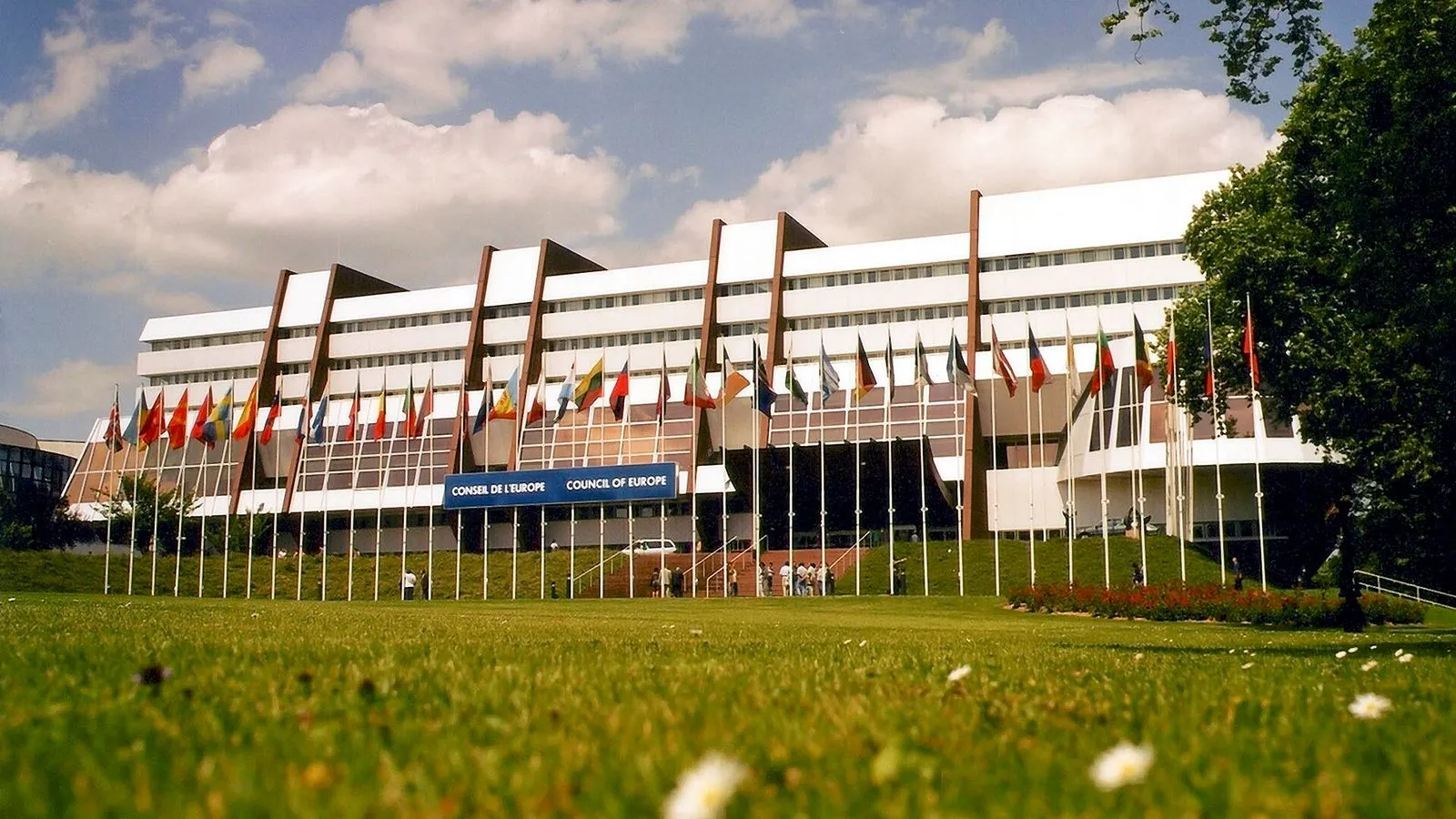
Palace of EuropeMust see

Photo by Council of Europe on Wikimedia Commons

Palace of Europe

0:00

The Council of Europe's 1977 headquarters, a pink concrete fortress by Henry Bernard.

This is the Palais de l'Europe, home of the Council of Europe since it opened on 28 January 1977. The French architect Henry Bernard shaped it, from the outside, as a fortress of glass, aluminium and pink concrete, meant to suggest the solidity of the member countries working together, with a gentler, more curved interior. The chamber at its centre is where the Parliamentary Assembly meets, and for years this same hemicycle was borrowed by the European Parliament until it moved into its own building in 1999. You can go inside here too, but not by just walking up.

Visits are free and must be booked ahead. Groups start at 15 people, and a lone visitor can join an already registered group if there is room, by phoning the visitors' service. The building is open Monday to Friday and closed on weekends and French public holidays.

≈8 min walk to the next stop
Free preview ends here · stops 4 to 6 continue in the app

Parc de l'Orangerie, main entrance

The gates of Strasbourg's oldest and largest park, 26 hectares of green space.

in app

Stork enclosure

A white stork reintroduction centre where the birds nest each spring.

in app

Pavillon Joséphine and the lake

The neoclassical orangery pavilion and the artificial lake dug in 1895.

in app
Good to know

Before you go

Can I go inside the European Parliament?

Yes, visits are free and open six days a week. Bring a physical passport or national ID card, and note that the last entrance is at 17:00.

SourceEuropean Parliament Visiting
When can I see storks in the Orangerie?

White storks nest in spring. The enclosure is visible year-round, and the park's lake and Pavillon Joséphine sit close by.

Do I need to book the Parliament visit?

Advance booking is not mandatory for individuals, but it is recommended for groups.

SourceEuropean Parliament Visiting

Provenance · last verified August 22, 2026

Built from the Wayside route itself: the stops, their order, and the walk between them.

Photo by Guilhem Vellut from Annecy, France on Wikimedia Commons · CC BY 2.0

Photo by Gzen92 on Wikimedia Commons · CC BY-SA 4.0

Photo by Lukas S on Unsplash

Photo by Council of Europe on Wikimedia Commons · CC BY 3.0

Photo by Niklas König on Unsplash

Photo by Alex Tomaras on Wikimedia Commons · CC BY-SA 4.0

Photo by Mikheil Kuzmidi on Unsplash

Photo by Jerome SXB on Wikimedia Commons · CC BY 2.0

Coming soon

Wayside isn't in the app stores yet, but it's in the works. Check back soon.