Strasbourg · Self-guided audio walk

Neustadt: The German Imperial City

Walk the wide imperial axis Germany built after 1871, from a kaiser's palace to twin spires 76 metres tall.

  • 6Stops
  • 1.8 kmDistance
  • 30+ minTime
Neustadt: The German Imperial City

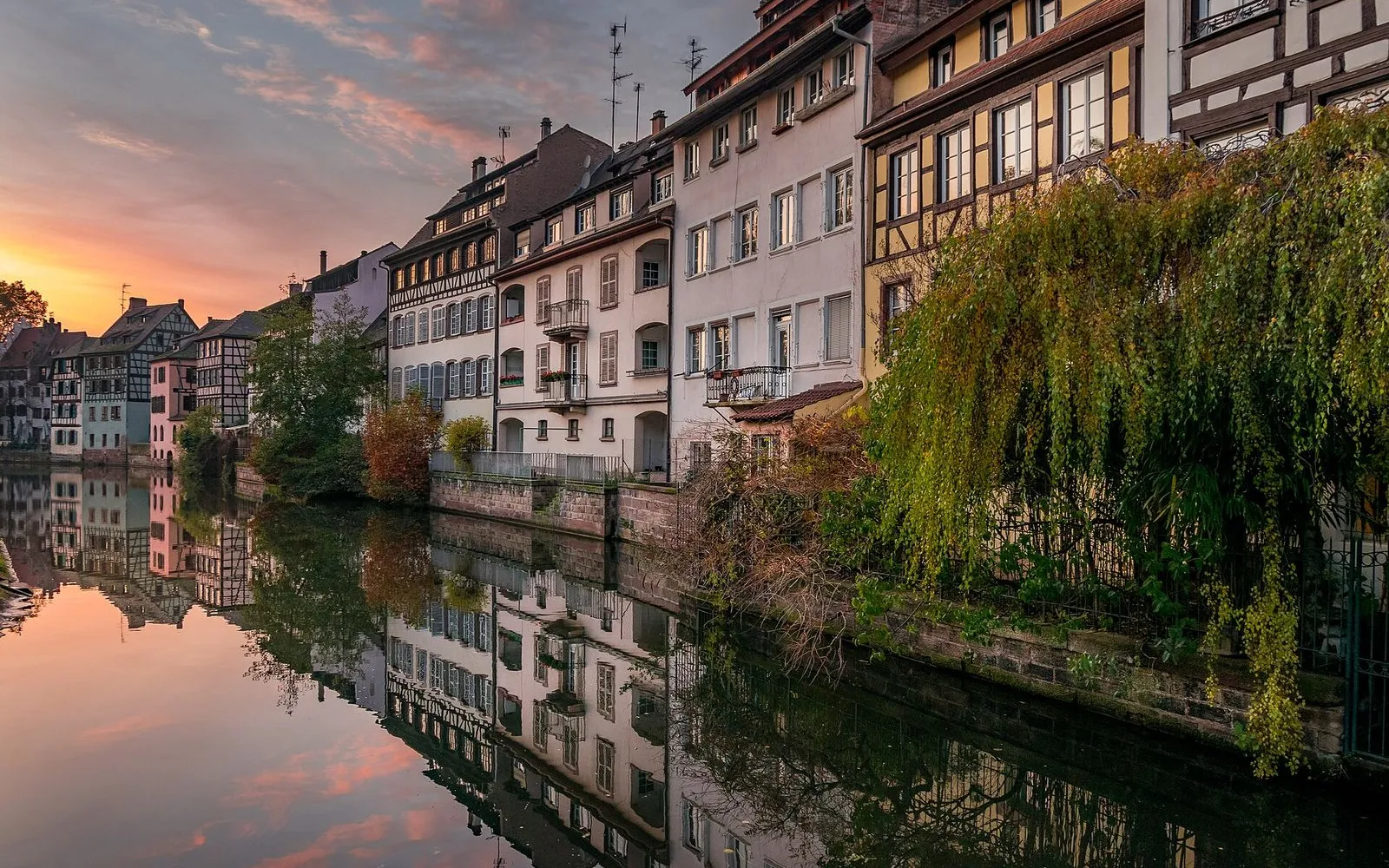
Photo by Jerome SXB on Wikimedia Commons

Most visitors never leave the old town's timbered lanes. This walk does. The Neustadt is the city Germany built from scratch after 1871, when Strasbourg became the capital of the annexed region of Alsace-Lorraine. Wide avenues, formal gardens and monumental stone took the place of half-timbered streets, all of it arranged around one straight axis from political power to learning.

You stay north and east of the Ill, moving from the former imperial palace on Place de la République, past the national and university library and the university palace, to the Protestant church whose twin spires rise 76 metres above the surrounding streets. UNESCO added this quarter to the World Heritage listing on 9 July 2017. Most visitors skip it for the cathedral, which is exactly why it is worth your morning.

Hear it on the street

Get the turn-by-turn audio guide in the app. The narration plays itself as you reach each stop, hands-free and offline.

Stop by stop

The route

Interactive map of the route. The full stop list below works without it.

Palais du RhinLocal pick

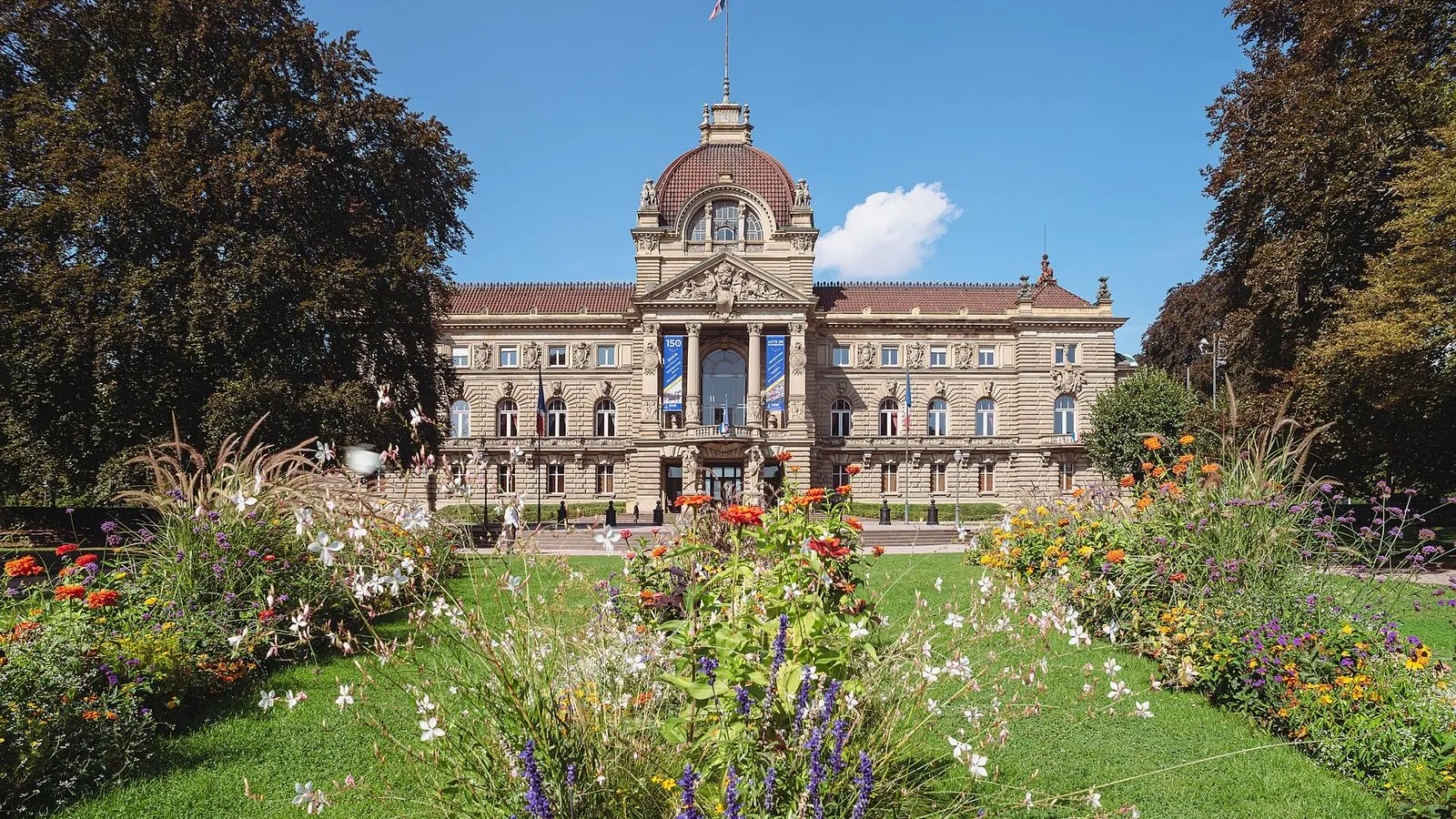
Photo by Flocci Nivis on Wikimedia Commons

Palais du Rhin

0:00

The German emperor's grand residence, opened in 1889 and rarely slept in.

You're facing the palace the German Empire built to show that Strasbourg was now its city. Work began in 1883, and the first stone was laid on 22 March 1884, the 87th birthday of Kaiser Wilhelm I, though he died before the building was finished. His grandson Wilhelm II opened it in August 1889. Above the entrance you can pick out the imperial eagle and the Hohenzollern motto, from rock to sea.

Wilhelm I called the place his elephant house, and the family slept here only about ten times before 1914. After the First World War it became the Palais du Rhin, and since 1920 it has held the Central Commission for the Navigation of the Rhine, the oldest of Europe's institutions. The rooms open to the public only during the European Heritage Days in September.
≈2 min walk to the next stop
Place de la RépubliqueMust see

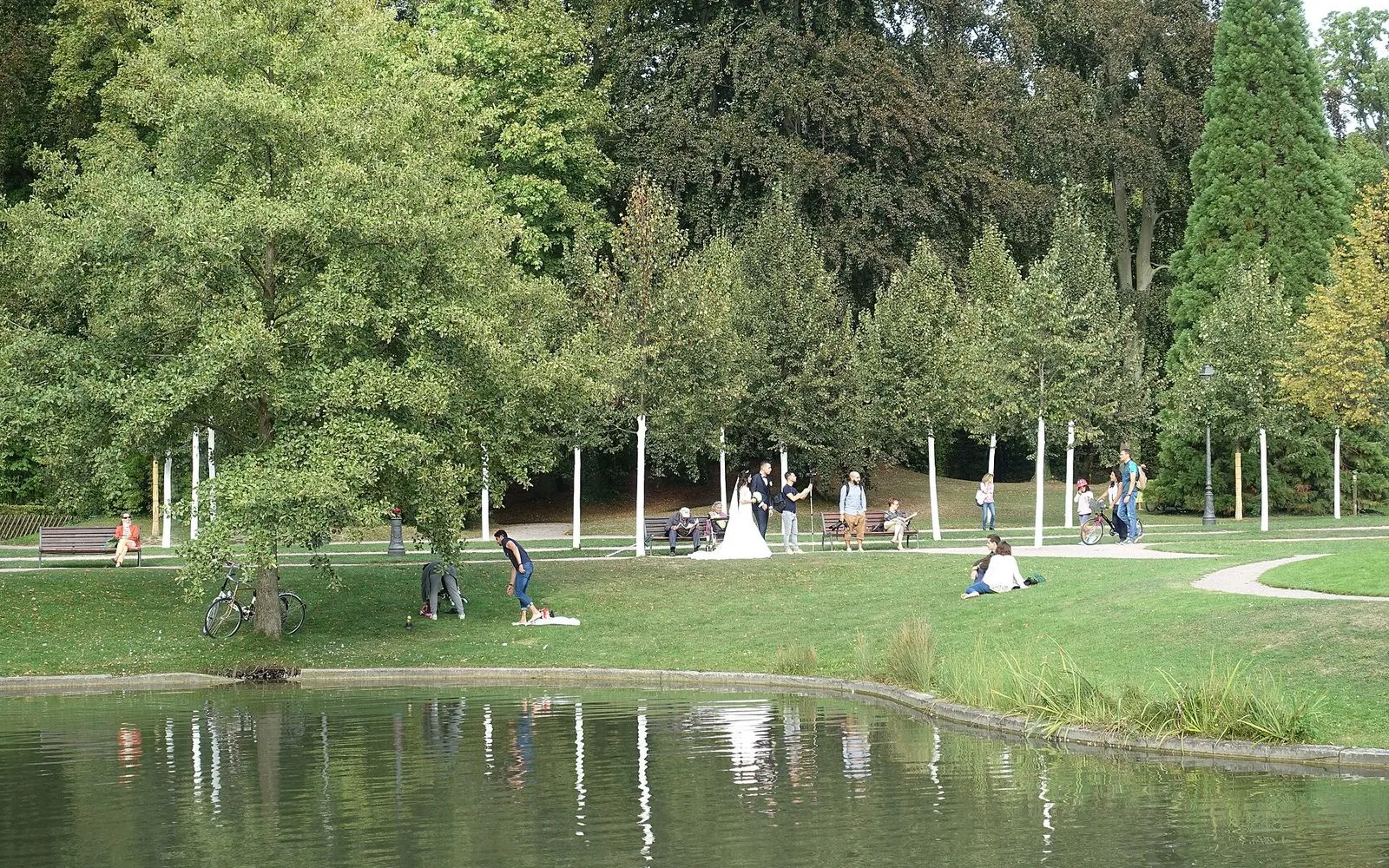
Photo by Txllxt TxllxT on Wikimedia Commons

Place de la République

0:00

The former Kaiserplatz, the ceremonial square at the heart of the new German city.

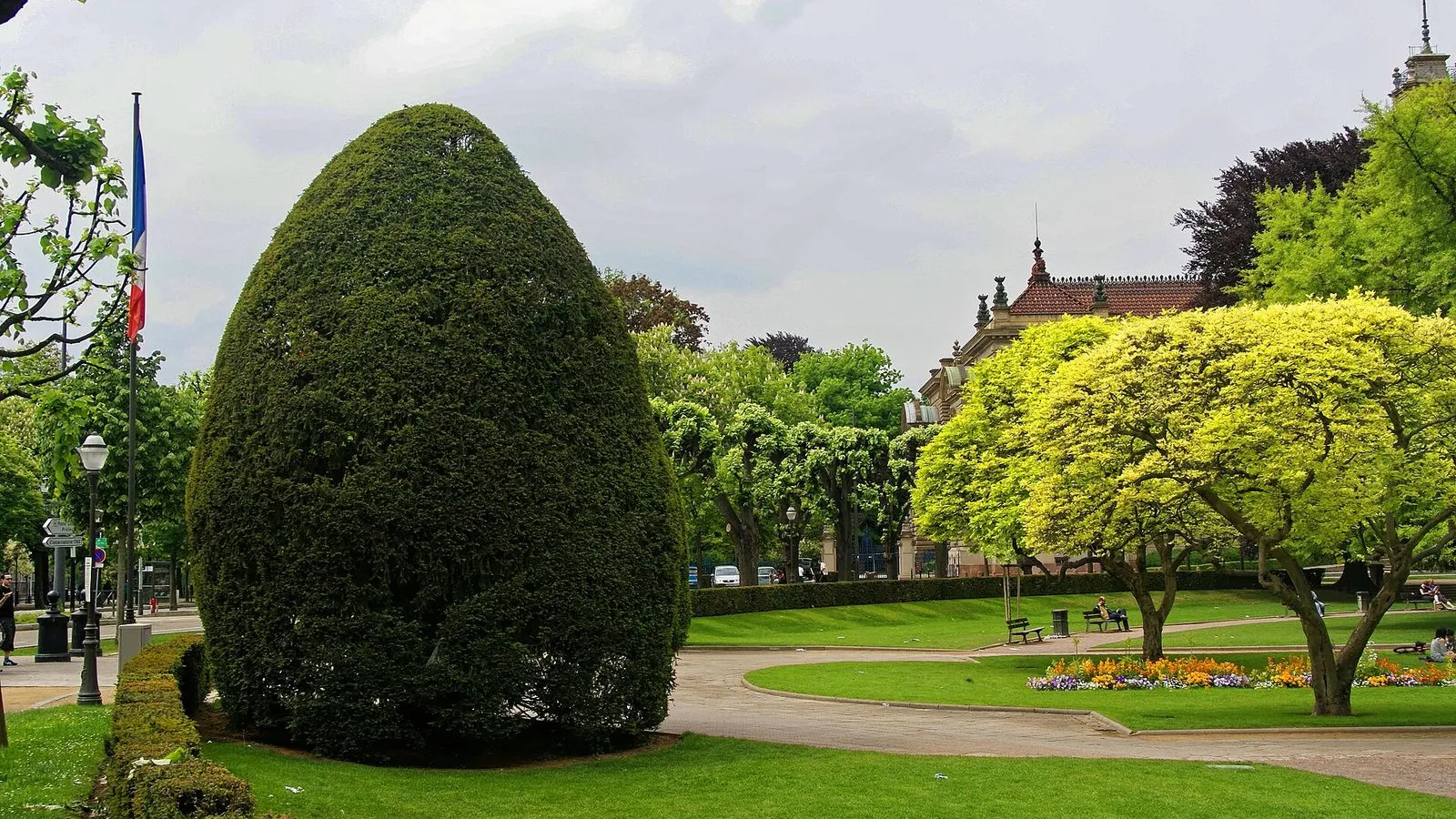
Stand in the garden at the centre and you are on what was the Kaiserplatz, the emperor's square, the pivot of the whole Neustadt. It was laid out between 1883 and 1887, and a statue of Wilhelm I stood here from 1911 until the end of the First World War, when it was taken down. The memorial you see now went up in 1936. The sculptor Léon-Ernest Drivier carved a mother holding two dead sons, one French and one German, stripped of their uniforms, and the only inscription is 'À nos morts', to our dead. Around you, the square is ringed by the buildings of the imperial government: the palace behind you, the former parliament now the Théâtre National, the library, and the old ministry buildings. The ginkgo trees in this garden are said to have been a gift from the Emperor of Japan to Wilhelm I around 1880.

≈2 min walk to the next stop
Bibliothèque nationale et universitaireLocal pick

Photo by John Samuel on Wikimedia Commons

Bibliothèque nationale et universitaire

0:00

The imperial library, rebuilt from books donated across Germany, now the second largest library in France.

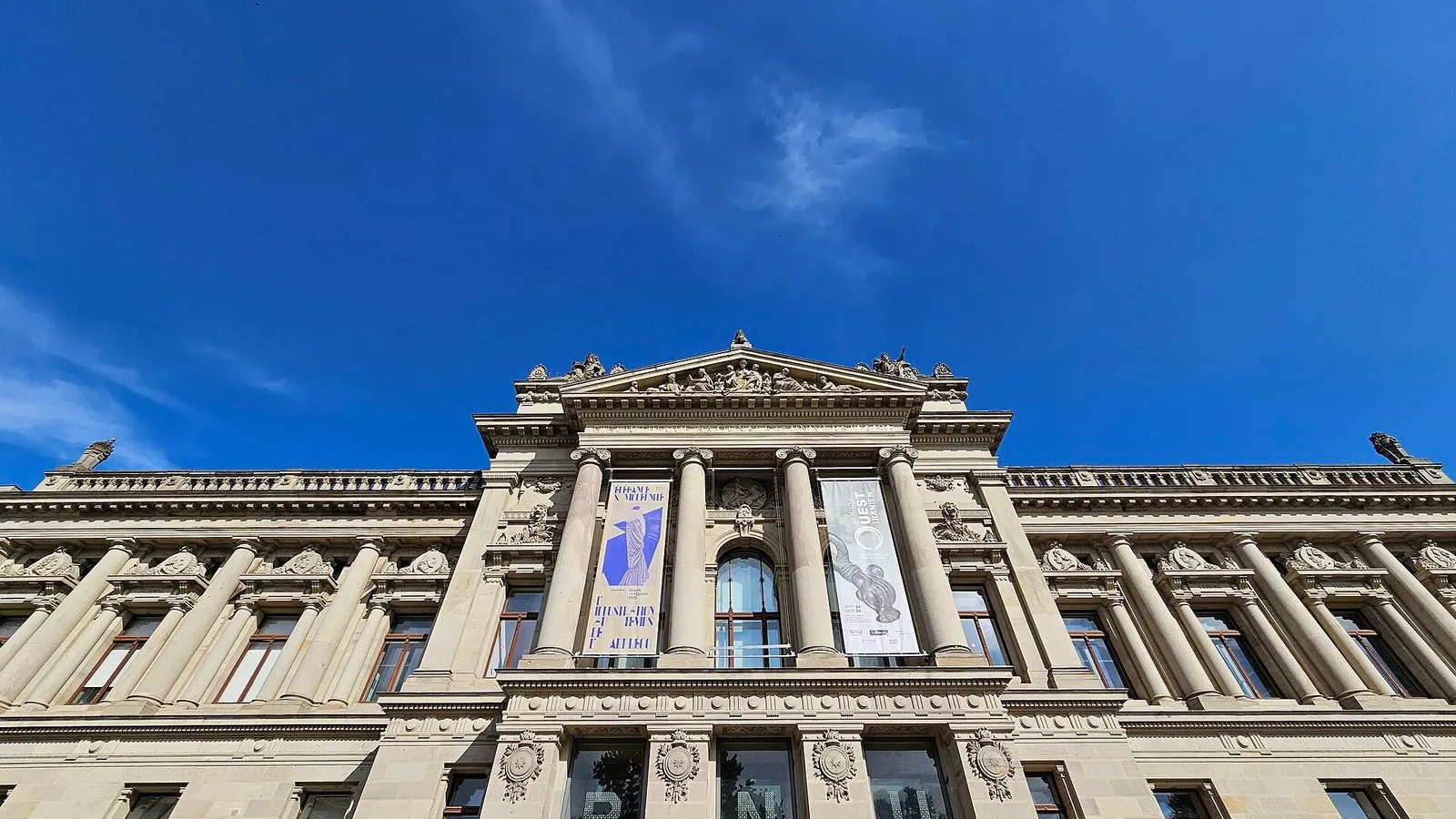
This is the Bibliothèque nationale et universitaire, the library built to replace one that burned. On the night of 24 August 1870, during the siege of the city, the old municipal library in the Temple Neuf caught fire and its collections were lost. A call for donations went out across the empire, and when this building opened in 1895 it held 600,000 volumes. The architects August Hartel and Skjold Neckelmann gave it a neo-Renaissance look with a dome you can see from across the square.

By 1914 it was the third largest library in the German Empire, behind Berlin and Munich, and since 1918 it has been the second in France. It now holds more than 3 million documents. The reading rooms were rebuilt and reopened in 2014.

≈9 min walk to the next stop
Free preview ends here · stops 4 to 6 continue in the app

Palais universitaire

The university palace that faced the kaiser's residence, built to make knowledge the equal of power.

in app

Avenue de la Liberté

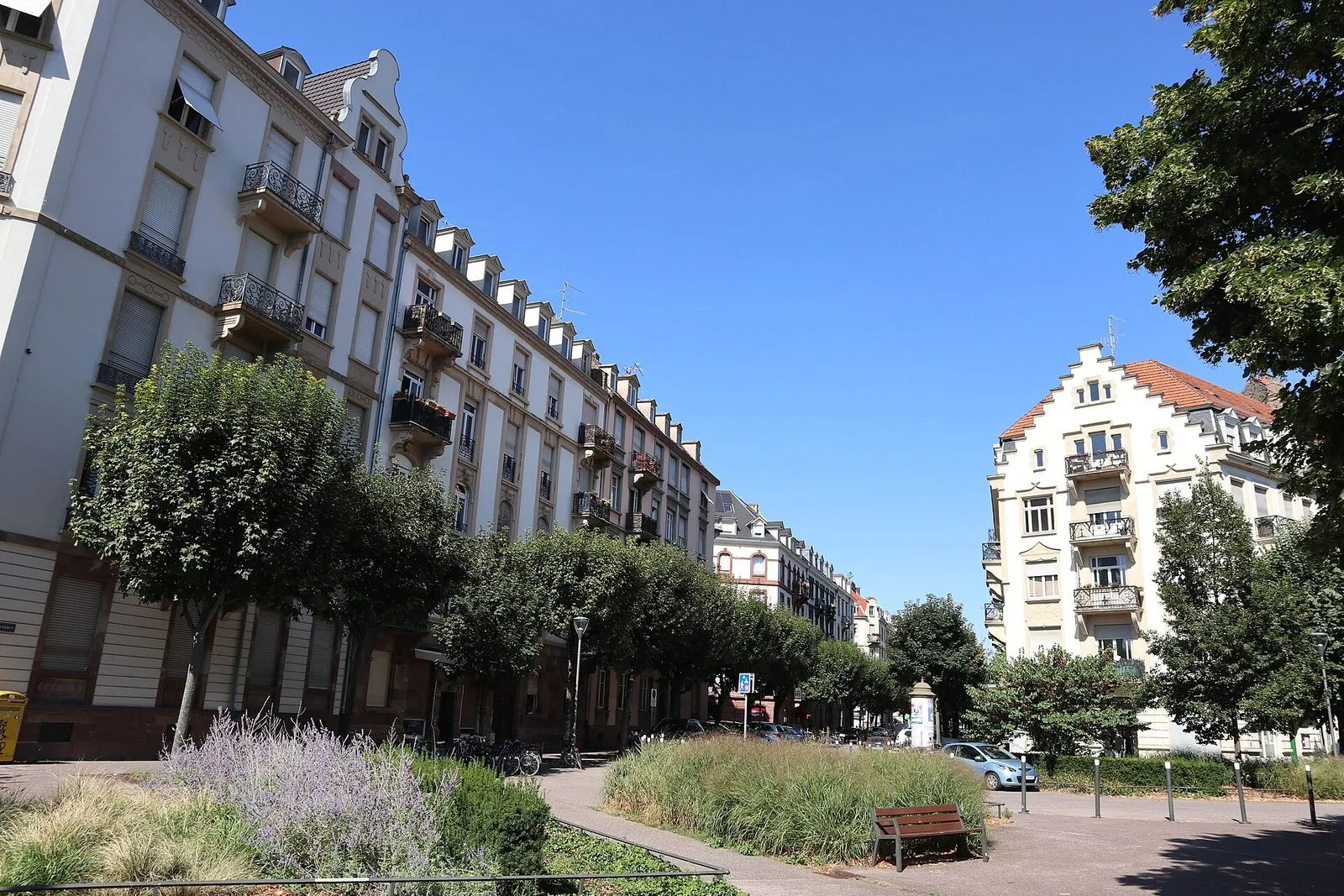
The imperial Kaiser-Wilhelm-Strasse, a straight avenue of front gardens, modern flats and the vast post office.

in app

Église Saint-Paul

The neo-Gothic garrison church with twin spires 76 metres tall, often mistaken for the cathedral.

in app
Good to know

Before you go

Why is this part of Strasbourg so different?

Germany built it after 1871 as the new imperial capital of Alsace-Lorraine, with wide avenues and monumental stone. UNESCO added this quarter to the World Heritage listing in 2017.

SourceUNESCO World Heritage Centre
Are the Neustadt buildings open to visitors?

Most are working government, library, or university buildings. The walk is mostly about the facades and the avenue, so check each building's own opening rules if you want to go inside.

How do I reach the Neustadt from the cathedral?

Walk north across the Ill. Place de la République is the natural starting point for the imperial axis.

Provenance · last verified August 22, 2026

Built from the Wayside route itself: the stops, their order, and the walk between them.

Photo by Jerome SXB on Wikimedia Commons · CC BY 2.0

Photo by Flocci Nivis on Wikimedia Commons · CC BY-SA 4.0

Photo by Txllxt TxllxT on Wikimedia Commons · CC BY-SA 4.0

Photo by John Samuel on Wikimedia Commons · CC BY-SA 4.0

Photo by Niklas König on Unsplash

Photo by Alex Tomaras on Wikimedia Commons · CC BY-SA 4.0

Photo by Mikheil Kuzmidi on Unsplash

Photo by Guilhem Vellut from Annecy, France on Wikimedia Commons · CC BY 2.0

Coming soon

Wayside isn't in the app stores yet, but it's in the works. Check back soon.