Practical guide

Venice: know before you go

The practical pre trip briefing for Venice: airport transfers, vaporetto fares, the nightly tourist tax, high water, and when to come.

Venice

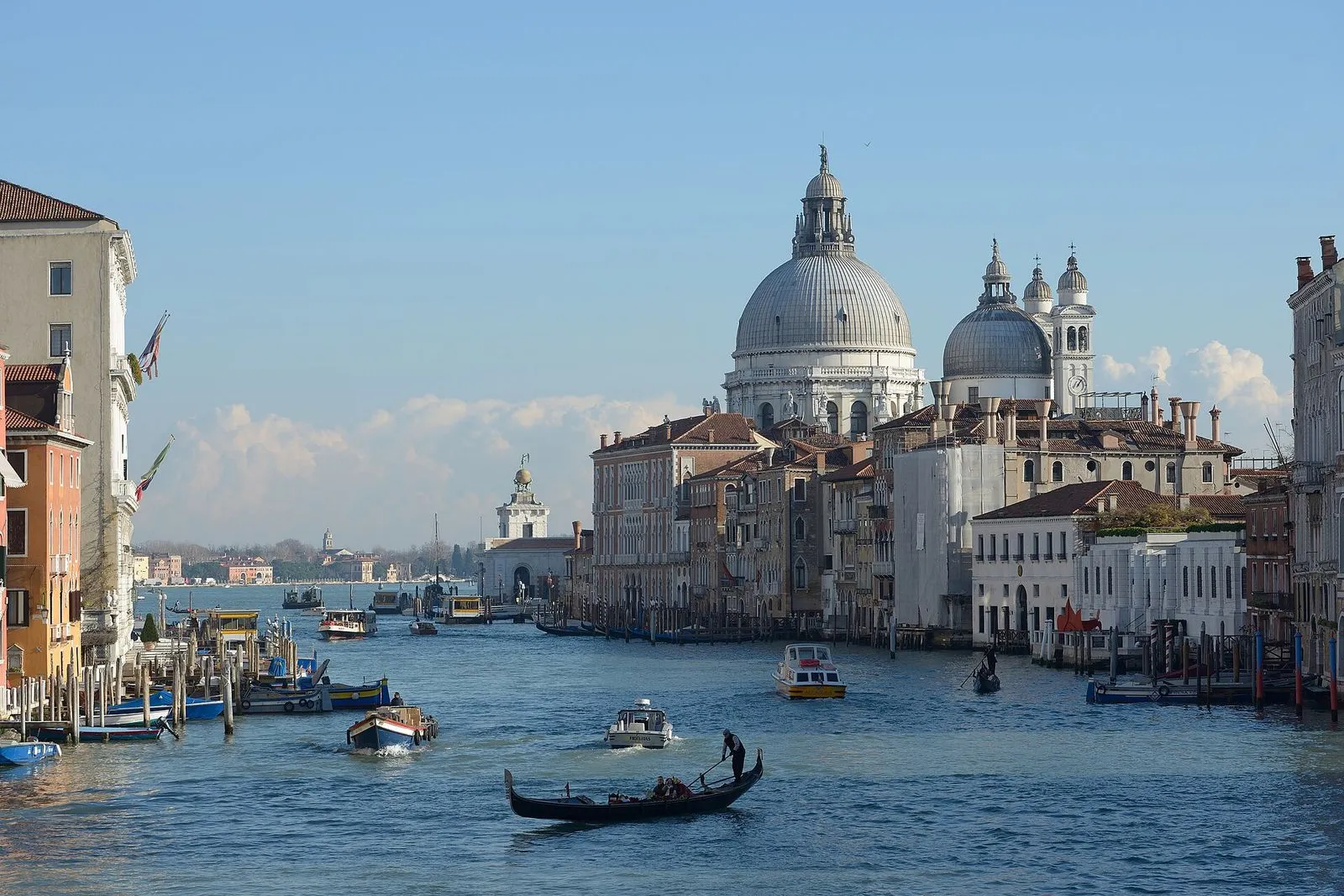
Photo by Wolfgang Moroder on Wikimedia Commons

Need to know

The essentials, first

This is the need to know briefing for a first visit to Venice: how to reach the centre from Marco Polo and Treviso, how the vaporetto works, what you pay on top of your room, how to read the tide, and which sights to book before you leave. For visa and entry rules, the euro, plugs, and intercity trains, see the Italy country guide.

  • The overnight tourist tax runs €1 to €5 per person per night and applies only to the first five nights of a stay.SourceComune di Venezia
  • The day visitor access fee is not currently charged. Its 2026 trial ended on 27 July, so day visitors enter the historic centre without paying or booking an exemption.SourceVenezia Unica
  • Venice's mains tap water is treated, meets EU drinking water standards, and is safe to drink.SourceWikipedia: Venice
  • A single 75 minute vaporetto ticket costs €9.50.SourceACTV
When to go

When is the best time to visit Venice?

Spring

Months
March to May
Weather
Daily highs climb from about 13°C in March to 22°C in May, with rain spread through the season.SourceWikipedia: Climate of Venice
Crowds
A shoulder season that fills around Easter and the spring holidays, but still comfortable for walking the tour routes.

Summer

Months
June to August
Weather
Average highs run about 26°C to 28.5°C with high humidity, and heatwaves can push toward 36°C.SourceWikipedia: Climate of Venice
Crowds
Peak season. Hotels, museums, and dinner tables fill fast, and midday San Marco and the vaporetto are packed.

Autumn

Months
September to November
Weather
Highs ease from about 24°C in September to 13°C in November, and this is when acqua alta becomes more likely.SourceWikipedia: Climate of Venice
Crowds
Crowds thin after early September. October and November are quieter but damp, with a real chance of high water.

Winter

Months
December to February
Weather
Highs sit around 7.5°C to 9°C and lows hover near freezing, with fog and the occasional freeze.SourceWikipedia: Climate of Venice
Crowds
The quietest season, except for Carnival and the Christmas weeks. Fog and acqua alta are the tradeoffs.
When to visit Venice, by season
SeasonMonthsWeatherCrowds
SpringMarch to MayDaily highs climb from about 13°C in March to 22°C in May, with rain spread through the season.SourceWikipedia: Climate of VeniceA shoulder season that fills around Easter and the spring holidays, but still comfortable for walking the tour routes.
SummerJune to AugustAverage highs run about 26°C to 28.5°C with high humidity, and heatwaves can push toward 36°C.SourceWikipedia: Climate of VenicePeak season. Hotels, museums, and dinner tables fill fast, and midday San Marco and the vaporetto are packed.
AutumnSeptember to NovemberHighs ease from about 24°C in September to 13°C in November, and this is when acqua alta becomes more likely.SourceWikipedia: Climate of VeniceCrowds thin after early September. October and November are quieter but damp, with a real chance of high water.
WinterDecember to FebruaryHighs sit around 7.5°C to 9°C and lows hover near freezing, with fog and the occasional freeze.SourceWikipedia: Climate of VeniceThe quietest season, except for Carnival and the Christmas weeks. Fog and acqua alta are the tradeoffs.
The practical guide

Everything to sort before you go

Getting in from the airport

Most visitors land at Venice Marco Polo, on the mainland at Tessera. The airport sits outside the historic centre, so the last stretch is a bus to Piazzale Roma or a boat to a central pier. Budget airlines more often use Treviso's Canova airport, with direct coaches into the city. Intercity trains arrive at Venezia Santa Lucia on the Grand Canal, while cars, coaches, and airport buses stop at Piazzale Roma, the end of the road. From either point Venice moves by boat or on foot.

The ACTV aerobus and bus lines 15 and 45 run from Marco Polo to Piazzale Roma; a one way ticket starts at €10 and a return at €18. SourceVenezia Unica

Alilaguna water buses connect the airport with central Venice piers; a single trip costs €18 and a return costs €32. SourceAlilaguna

A Venice Daily Pass that bundles one day of city transport with a one way airport bus transfer starts at €32. SourceVenezia Unica

Getting around

Venice runs on feet and boats; no cars enter the historic centre. The vaporetto is the city's water bus, and a single 75 minute ticket costs €9.50. If you plan two or more boat rides in a day, a pass is cheaper, and you validate it every time you board, including when you change lines. Traghetti, the two oar gondola ferries, cross the Grand Canal at a few points, and water taxis are fast but costly. Walking is the default; distances look short until you meet the bridges.

A single 75 minute vaporetto ticket costs €9.50. SourceACTV

Time limited passes cost €25 for 24 hours, €35 for 48 hours, €45 for 72 hours, and €65 for 7 days. SourceMuoversi Venezia

The Rolling Venice 72 hour pass costs €27 for people aged 6 to 29, plus the €6 Rolling Venice card. SourceACTV

Money and payments

Venice adds a nightly tourist tax to your bill, collected by the hotel or host. The day visitor access fee that ran as a trial in recent years is not currently in force. Cards are accepted in most hotels, restaurants, and shops, but small bacari and market stalls may prefer cash, so carry a little.

The overnight tourist tax runs €1 to €5 per person per night depending on season, area, and accommodation type, and it is charged only for the first five nights. Children under 10 and disabled visitors are exempt, and ages 10 to 16 pay half. SourceComune di Venezia

As of 27 July 2026, the day visitor access fee no longer applies, so visitors enter the historic centre without paying or booking an exemption. SourceVenezia Unica

Safety and common scams

Venice is safe in the way of a busy city; the main risks are pickpockets and tides. Keep your phone and wallet zipped on crowded vaporettos and in the crush around San Marco and Rialto. In the cooler months, acqua alta can flood low streets, and the city publishes tide forecasts in advance. Never wade or swim in the canals, which carry boat traffic.

San Marco begins to flood above about 82 cm of tide and Rialto around 105 cm; tides above 140 cm are rare. SourceComune di Venezia

During most high tides the vaporetto keeps its schedule, though some routes adjust when the tide reaches about 95 cm. SourceComune di Venezia

Health and emergencies

Venice's tap water is safe to drink and public fountains are everywhere, so bring a refillable bottle. Summers are hot and humid; carry water, rest in the shade, and remember that many churches stay cool. Pharmacies, signed with a green cross, handle everyday needs, and mosquitoes are a summer nuisance worth repellent.

Venice's mains tap water is treated, meets EU drinking water standards, and is safe to drink. SourceWikipedia: Venice

Staying connected

Mobile signal works across the city, though GPS wanders in the narrow lanes. Download offline maps and the AVM Venezia Official App before you arrive; the app sells and validates vaporetto tickets from your phone. Wi-Fi is reliable in hotels but patchy in public, so do not plan navigation around it.

The AVM Venezia Official App lets you buy, store, and validate vaporetto and bus tickets on your phone. SourceAVM Venezia

Etiquette and tipping

Venice is a small, lived in city, and you are walking through real streets, not a theme park. Walk on the right, step aside to check a map rather than stopping on a bridge, and keep noise down in the lanes at night. Do not sit or picnic on church steps or monuments, do not feed the pigeons, and cover shoulders and knees inside churches.

The language

Italian is the working language, and Venetian, the city's own language, still colors signs and menus. English is common in tourism and on the vaporetto, less so in residential shops and the outer islands. A buongiorno on entering and a grazie after paying go a long way; learning un caffè and quanto costa covers most of what a visitor needs at a bar.

Accessibility

Venice is hard going for wheelchairs and anyone with limited mobility because the city is joined by stepped bridges. Some routes are bridge free, and major vaporetto stops offer assisted boarding, but plan ahead rather than improvising. During high water the raised walkways help some pedestrians and complicate things for others.

During high water the city lays out elevated walkways up to about 120 cm so pedestrians can keep moving through flooded streets. SourceComune di Venezia

Public holidays and hours

Carnival fills February with masks and crowds, and the Redentore brings fireworks to the Giudecca in July. The Vogalonga sends hundreds of rowed boats across the lagoon in spring, while the art and architecture Biennales run across alternating years and the Film Festival takes over the Lido in late summer. Sights keep shorter hours on national holidays, and high water is most common from autumn through early spring.

What to book ahead

Book the headline sights before you fly, especially between spring and autumn. St Mark's Basilica is free to enter but the queue is long; reserve a timed slot and pay separately for the Pala d'Oro, the treasury, and the museum if you want them. The Doge's Palace, the Campanile, the Peggy Guggenheim Collection, and the Accademia sell timed tickets online, and they sell out in high season. Book dinner reservations too, since the good small rooms fill fast.

The St Mark's Square Museums ticket covers the Doge's Palace, the Correr Museum, the National Archaeological Museum, and the Monumental Rooms of the Marciana Library; the full price is €35. SourceFondazione Musei Civici

St Mark's Basilica has separate paid access for the Pala d'Oro and for the museum and loggia. SourceBasilica di San Marco

The Peggy Guggenheim Collection is open daily from 10:00 to 18:00, closed Tuesdays and December 25, and tickets are sold online and at the desk. SourcePeggy Guggenheim Collection

Do it yourself

Follow it in the app

Follow the route offline, stop by stop, with opening times, prices, and where to eat along the way.

Coming soon

Wayside isn't in the app stores yet, but it's in the works. Check back soon.