Practical guide

Inverness: know before you go

The Inverness briefing: the airport bus and the capped fares, the free sights, the visitor levy proposal, and the months that suit a walking trip.

Inverness

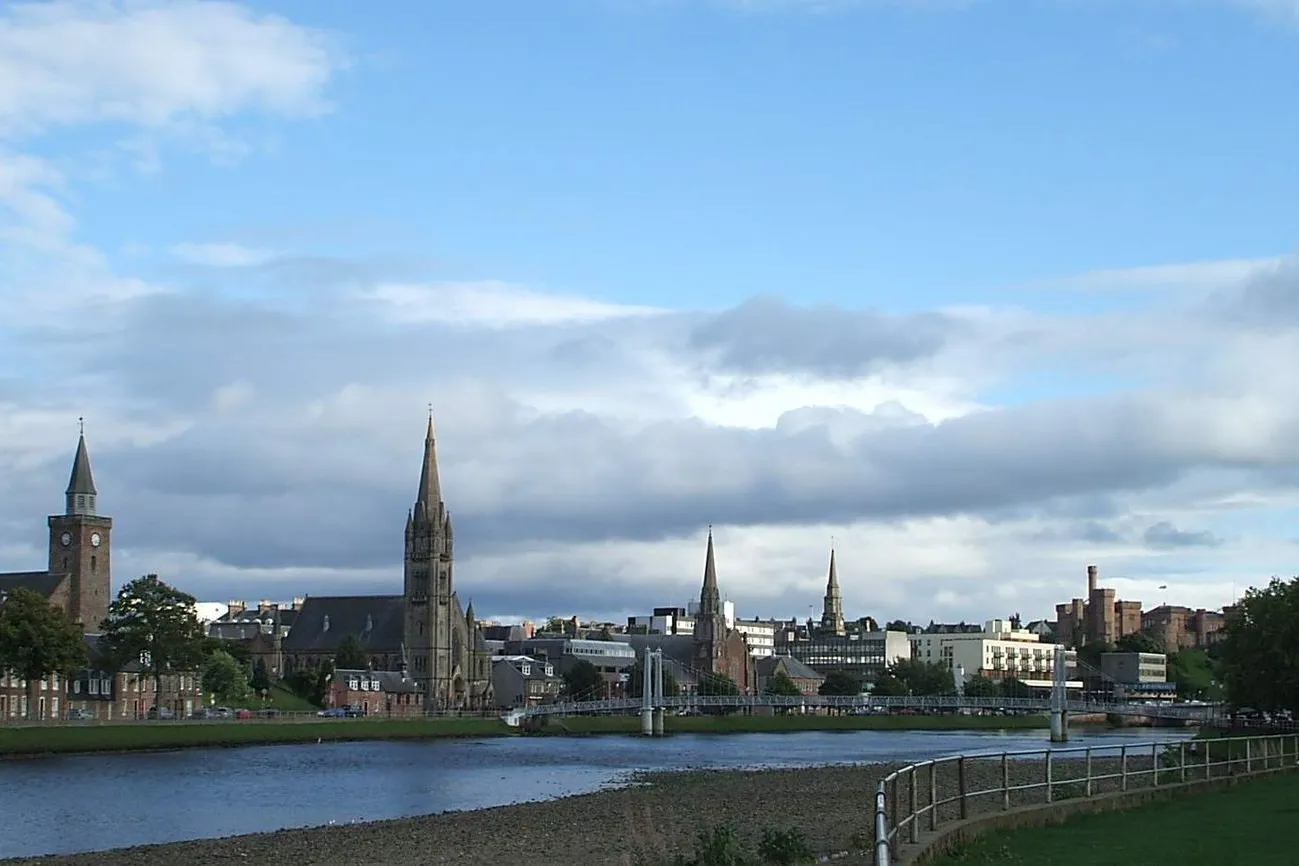
Photo by Dave Conner from Inverness, Scotland on Wikimedia Commons

Need to know

The essentials, first

Central Inverness is small and level, and the river, the islands and the canal towpath are all within walking distance, which is why our walks here follow the water. This page covers how to reach the centre, how the local buses and fares work, what is free, what is worth booking, and how the seasons change the city. For visas, currency, plugs, tipping and the national emergency number, see the United Kingdom country guide.

  • The Inverness Castle Experience opened to visitors in December 2025. Adult tickets are £20 online and £22 on the day; the gardens, the Saltire Bistro and the castle shop are free to enter.SourceInverness Castle Experience
  • Inverness Cathedral is open daily from 9am to 6pm. Going in to pray, light a candle or attend a service is free; adults visiting it as an attraction pay £6.SourceInverness Cathedral
  • Inverness Botanic Gardens are free to enter and open daily from 9.30am to 4pm, with cafe last orders at 3.45pm.SourceHigh Life Highland
  • Abertarff House, the National Trust for Scotland property on Church Street, is free to visit and opens seasonally; check its open days with the Trust.SourceNational Trust for Scotland
  • Single fares on participating bus services in the Highlands are capped at £2 under a Scottish Government pilot that began on 23 March 2026 and runs for 12 months. The cap covers singles only, not returns or day tickets.SourceHITRANSInverness Chamber of CommerceThe Press and Journal
  • Highland Council's £5 City Day Rider, launched on 6 April 2026, gives unlimited travel on its bus routes within Inverness and can be bought on the bus or through the MyTrip app.SourceHighland Council
  • No tourist tax is charged in Inverness at present. Highland Council is consulting on a visitor levy of £5 per room per night for hotels, guest houses, B&Bs and short-term lets and £2 per night for hostels and campsites, applied across nine months of the year.SourceHighland CouncilHighland Council
  • Tap water in Inverness is safe to drink, drawn from local Highland sources and treated and tested to Scottish drinking water standards.SourceScottish Water
When to go

When is the best time to visit Inverness?

Spring

Months
March to May
Weather
Average daily highs climb from about 9.5°C in March to 14.8°C in May, and May is the sunniest month of the year, averaging around 184 hours of sunshine. Rain falls on about 10 to 12 days a month.SourceMet Office
Crowds
Quiet outside the Easter break, with rooms, castle slots and tours easy to book at short notice.

Summer

Months
June to August
Weather
Average daily highs sit between about 17°C and 19°C, with July the warmest month, and rain falls on around 11 to 12 days a month.SourceMet Office
Crowds
The busy season: hotels, Loch Ness cruises and castle slots fill in July and August, so book the things that matter before you travel.

Autumn

Months
September to November
Weather
Highs fall from about 16.5°C in September to 9.5°C in November, and October is the wettest month in the Met Office's 1991 to 2020 Inverness averages, at around 78 mm of rain.SourceMet Office
Crowds
The best balance for a walking trip: summer crowds thin while the days stay mild.

Winter

Months
December to February
Weather
Average highs sit near 7°C and overnight lows near 1°C. December averages under 30 hours of sunshine, and December and January each bring roughly eight or nine days of air frost.SourceMet Office
Crowds
The quietest weeks of the year, with short daylight and seasonal closures, Abertarff House among them.
When to visit Inverness, by season
SeasonMonthsWeatherCrowds
SpringMarch to MayAverage daily highs climb from about 9.5°C in March to 14.8°C in May, and May is the sunniest month of the year, averaging around 184 hours of sunshine. Rain falls on about 10 to 12 days a month.SourceMet OfficeQuiet outside the Easter break, with rooms, castle slots and tours easy to book at short notice.
SummerJune to AugustAverage daily highs sit between about 17°C and 19°C, with July the warmest month, and rain falls on around 11 to 12 days a month.SourceMet OfficeThe busy season: hotels, Loch Ness cruises and castle slots fill in July and August, so book the things that matter before you travel.
AutumnSeptember to NovemberHighs fall from about 16.5°C in September to 9.5°C in November, and October is the wettest month in the Met Office's 1991 to 2020 Inverness averages, at around 78 mm of rain.SourceMet OfficeThe best balance for a walking trip: summer crowds thin while the days stay mild.
WinterDecember to FebruaryAverage highs sit near 7°C and overnight lows near 1°C. December averages under 30 hours of sunshine, and December and January each bring roughly eight or nine days of air frost.SourceMet OfficeThe quietest weeks of the year, with short daylight and seasonal closures, Abertarff House among them.
The practical guide

Everything to sort before you go

Getting in from the airport

Most visitors reach Inverness by train or by road. Direct trains run from Edinburgh and Glasgow, the Caledonian Sleeper comes up overnight from London Euston, and all of them stop at Inverness station in the middle of town, with the bus station next door; drivers come up the A9 from the south. If you fly, Inverness Airport is at Dalcross, east of the city, and the bus is the straightforward way in. Stagecoach service 1 runs hourly to and from the city centre and drops you at the bus station, a short walk from Inverness railway station; service 13 also reaches the terminal, by way of Croy. Airport buses take contactless payment and carry luggage racks, and the Sunday timetable is thinner, so check times if you are arriving at the weekend. Taxis wait in the zone outside the terminal and take about 20 minutes to the centre.

Stagecoach services 1 and 13 run between Inverness Airport terminal and the city centre; service 1 is the most direct, and both can be joined at the bus station a short walk from Inverness railway station. SourceHighlands and Islands Airports Limited

Service 1 runs hourly between Inverness city centre and the airport, and a single fare is £2. SourceStagecoach

Airport buses take contactless payment, have luggage racks, and run a reduced service on Sundays. SourceHighlands and Islands Airports Limited

Taxis wait in the zone outside Inverness Airport terminal, and the ride to the city centre takes about 20 minutes. SourceHighlands and Islands Airports Limited

Getting around

Central Inverness is compact and mostly level, and the riverside paths and the canal towpath are the easiest long walks in the city. For anything further out, Stagecoach runs the city network and Highland Council adds its own routes, with fares that are easy to work out: single journeys on participating services are capped at £2, and the council's City Day Rider covers its routes in the city for £5. Stagecoach also sells DayRider tickets for unlimited travel for a day within a zone. Buy tickets in the app or tap a contactless card on board, since there is no need for exact change. Sunday services are reduced compared with weekdays, so plan the return leg before you set out.

Single fares on participating bus services in the Highlands are capped at £2 under a pilot funded by the Scottish Government that began on 23 March 2026 and runs for 12 months; returns and day tickets are not covered. SourceHITRANSInverness Chamber of CommerceThe Press and Journal

The £5 City Day Rider gives unlimited travel on Highland Council bus routes within Inverness and is sold on the bus or through the MyTrip app. SourceHighland Council

Stagecoach DayRider tickets give a day of unlimited travel within your chosen zone and can be bought in the Stagecoach app or on board with contactless payment. SourceStagecoach

Money and payments

Inverness has no tourist tax in force, so nothing is added to your room bill for now. Highland Council is consulting on a visitor levy that would apply to hotels, guest houses, B&Bs, short-term lets, hostels and campsites, for nine months of the year and skipping December to February. The consultation runs to 30 November 2026, and any scheme that is approved faces a long lead-in before it starts. A lot of the city costs nothing: the Botanic Gardens, Abertarff House in season, the castle gardens and the riverside walks cost nothing, and Inverness Cathedral is free to enter for prayer or a service. Bus fares can be paid by contactless card on board.

The Highland Council consultation on a tiered visitor levy runs from 7 September to 30 November 2026; elected members would consider a scheme on 10 December 2026, and approval would trigger an 18-month implementation period before any charge begins. SourceHighland CouncilHighland Council

Safety and common scams

Inverness is a small city, and the centre around the High Street and the river keeps a small city's feel at night: busy, lit and easy to walk, with the usual late-night care around bars being all that is needed. The hazards worth planning for are natural. The River Ness runs fast and cold, and the paths on the Ness Islands run low along the water, so they flood after heavy rain; SEPA publishes live forecasts and warnings, and a check is worth it before a riverside walk in a wet spell. Winter frost makes the footbridges and the canal towpath slick, and daylight is short, so keep towpath walks for the middle of the day in December and January.

SEPA, Scotland's flood forecasting authority, publishes live flood forecasts, alerts and warnings covering the River Ness, with a three-day outlook and postcode checks. SourceSEPA

Inverness is covered by Police Scotland, which runs local community policing teams that can be contacted through its website. SourcePolice Scotland

Health and emergencies

Inverness has the main hospital for the Highlands at Raigmore, on the south side of the city, and NHS Highland runs the region's health services from here. City centre pharmacies handle minor problems, but services thin out fast once you leave Inverness for the glens and islands, so bring enough of any regular medication for the whole trip, along with a copy of the prescription. Summer evenings near the river and the canal are midge season, when a repellent and long sleeves are the standard defence; the bites are a nuisance rather than a hazard.

NHS Highland runs Raigmore Hospital in Inverness as part of its services across the Highlands and Argyll and Bute. SourceNHS Highland

The language

English is what you will hear in Inverness, in a Highland accent with a few local words worth knowing: a burn is a stream, a ben is a mountain, and wee means small. Gaelic is the older layer, and it shows in the names around you. Inverness is Inbhir Nis, the mouth of the Ness, and the same building blocks repeat across the map: inbhir for a river mouth, dun for a fort, cille for a church. Loch is the word you will use most while you are here, and the ch is a soft sound from the back of the throat rather than a hard k. Highland Council runs Gaelic language and culture services across the region if you want to go further.

Inverness's Gaelic name is Inbhir Nis, meaning the mouth of the River Ness. SourceWikipedia

Highland Council maintains Gaelic language plans and points residents and visitors to organisations supporting Gaelic learning, culture and events. SourceHighland Council

Accessibility

Central Inverness is small, mostly level and easy to cross, and the flattest long walks are the ones along the river and out along the canal towpath. Castle Hill is the exception: the esplanade is above the river and the approach is a climb. The airport buses are built for step-free travel, with low floors, space for a limited number of wheelchairs, approved mobility scooters and unfolded buggies, priority seating, and Journey Assistance Cards for passengers who need support boarding. The Botanic Gardens have a ramped entrance, accessible toilets and a wheelchair to borrow, though the tropical and cactus houses have steps.

Buses on the Inverness Airport routes have low floors, room for a limited number of wheelchairs, approved mobility scooters and unfolded buggies, priority seating, and Journey Assistance Cards for passengers who need help boarding. SourceHighlands and Islands Airports Limited

What to book ahead

Inverness Castle Experience tickets and a Loch Ness cruise are the things worth reserving before you arrive. The castle's adult tickets cost less online than at the gate, and it is the city's headline new attraction, so summer slots go first. Cruises leave from Dochgarroch, on the Caledonian Canal just outside the city, and Jacobite's sailings past Urquhart Castle fill up in July and August. Hotel rooms in the centre are tightest in high summer too. Everything else is easy: the free sights need no booking.

Castle admission is £20 online for adults against £22 on the day, so booking ahead saves money as well as time. SourceInverness Castle Experience

Jacobite runs Loch Ness cruises from Dochgarroch, on the Caledonian Canal outside Inverness, including sailings that take in Urquhart Castle. SourceJacobite

Do it yourself

Follow it in the app

Download once and carry all three Inverness walks with you, stop by stop, for the whole day.

Coming soon

Wayside isn't in the app stores yet, but it's in the works. Check back soon.